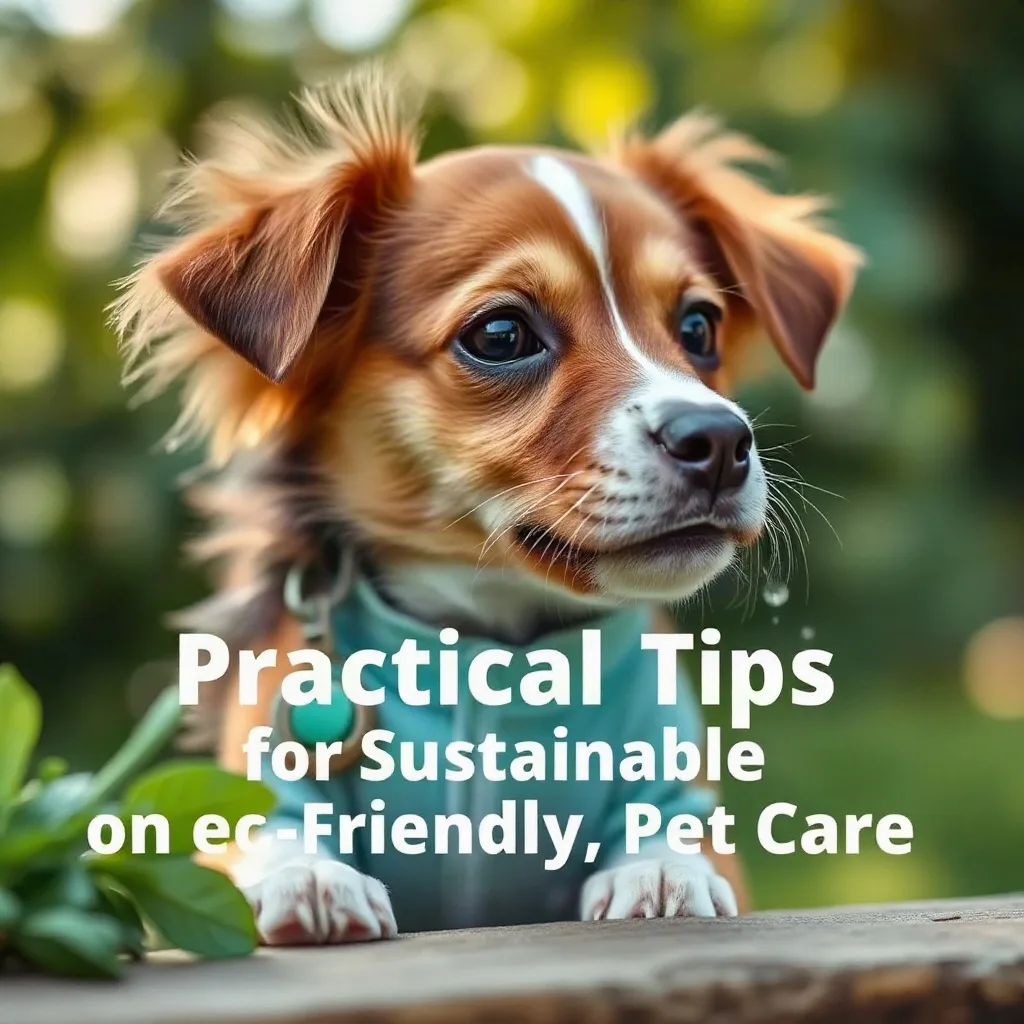
Keeping a pet is a rewarding experience, but it also carries an environmental footprint that many owners overlook. From the food we buy to the toys we toss, every choice can either add to or reduce waste, energy consumption, and chemical runoff. This guide offers practical, evidence‑based strategies that let you care for your furry, feathered, or scaled companion while protecting the planet. By integrating small, manageable changes into daily routines, you can make a noticeable difference without compromising your pet’s health or happiness.
Choose Eco‑Friendly Pet Products
When shopping for pet supplies, prioritize items made from renewable, recycled, or biodegradable materials. Look for certifications such as FSC (Forest Stewardship Council) for wooden toys or GOTS (Global Organic Textile Standard) for fabrics. Brands that use recycled plastics or plant‑based polymers reduce reliance on petroleum and often require less energy to produce.
- Collars and leashes: Opt for hemp, bamboo, or recycled polyester. These materials are durable, naturally antimicrobial, and break down more quickly than conventional nylon.
- Beds and blankets: Choose products filled with recycled polyester fiberfill or organic cotton. Avoid synthetic foams that emit volatile organic compounds (VOCs) and are difficult to recycle.
- Cleaning supplies: Select enzyme‑based cleaners that are plant‑derived and free of harsh chemicals. They work effectively on pet stains while being safe for waterways.
Before purchasing, compare the product’s lifecycle impact: raw material extraction, manufacturing, transport, and end‑of‑life disposal. Many companies now provide carbon‑footprint labels that make this comparison easier.
Reduce Waste with Sustainable Feeding
Pet food production is a major source of greenhouse‑gas emissions, especially meat‑heavy diets. While you shouldn’t drastically alter a pet’s nutritional plan without veterinary guidance, there are ways to make feeding more sustainable.
- Bulk buying: Purchasing larger bags reduces packaging waste. Transfer food to airtight, reusable containers made from glass or stainless steel.
- Choose responsibly sourced proteins: Look for brands that source fish from MSC‑certified fisheries or meat from farms practicing regenerative agriculture.
- Consider plant‑based supplements: For dogs, certain nutritionally complete vegan formulas are available and meet AAFCO standards. Always verify with a vet before a full transition.
- Leftover repurposing: Cooked, unseasoned meat scraps can be incorporated into homemade meals, provided they are balanced with essential nutrients.
Composting pet waste is another effective waste‑reduction method, but it must be done safely. Use a dedicated compost bin designed for animal waste, and allow the material to break down for at least 12 months before using the compost on non‑edible plants.
Green Grooming Practices
Regular grooming keeps pets healthy, yet many grooming products contain synthetic fragrances, parabens, and microplastics. Switching to greener alternatives reduces chemical runoff and protects aquatic ecosystems.
- Shampoos and conditioners: Choose sulfate‑free formulas with biodegradable surfactants derived from coconut or sugar. Look for products labeled “phosphate‑free” and “biodegradable.”
- Brushes and combs: Bamboo handles and recycled plastic bristles are sturdy and sustainably sourced.
- Nail clippers: Stainless steel tools last a lifetime, eliminating the need for disposable plastic versions.
- Water usage: Groom in a bathtub with a low‑flow faucet or use a bucket to limit runoff. Collect the water for plant irrigation if it contains only mild shampoo residues.
Finally, consider a “no‑wash” schedule for animals that don’t require frequent bathing. Spot cleaning with a damp cloth can keep them fresh while conserving water.
Eco‑Conscious Training and Toys
Training is essential for a well‑behaved pet, and the tools you use can be environmentally responsible.
- Clickers: Replace plastic clickers with wooden or metal versions that can be sterilized and reused indefinitely.
- Treats: Opt for treats made from upcycled ingredients, such as fruit pulp or meat scraps, which have a lower carbon footprint than conventional treats.
- Toys: Seek toys constructed from natural fibers (e.g., jute rope, organic cotton) or recycled rubber. Avoid plush toys with synthetic stuffing that end up in landfills.
- DIY toys: Simple household items—like old T‑shirts braided into a rope or a cardboard tube filled with catnip—provide stimulation without packaging waste.
Rotate toys regularly to maintain interest and extend their lifespan. When a toy reaches the end of its usable life, consider repurposing parts (e.g., turning a broken chew toy into a fetch ball) before discarding.
Energy‑Efficient Pet Housing
Whether you have a dog house, cat condo, or aquarium, the way you power and insulate these spaces influences your overall energy consumption.
- Insulation: Add reclaimed wood panels or recycled denim insulation to outdoor dog houses to reduce heating needs in winter and keep interiors cooler in summer.
- Solar lighting: Install solar‑powered LED night lights in indoor cat trees or near feeding stations. They charge during daylight and provide gentle illumination without drawing from your home’s electricity.
- Aquarium efficiency: Choose LED lighting over fluorescent bulbs and use a low‑wattage, variable‑speed pump. Regularly clean filters to maintain optimal flow and reduce the motor’s workload.
- Ventilation: Ensure proper airflow in enclosed habitats to prevent excess humidity, which can lead to mold growth and increased energy use for dehumidifiers.
Regularly assess the condition of pet housing. Repairing cracks or reinforcing structures extends product life and avoids the environmental cost of replacement.
Responsible Veterinary Care
Veterinary visits are non‑negotiable for pet health, but you can still make them more sustainable.
- Paperless records: Request digital copies of vaccination certificates and lab results. Many clinics use secure cloud platforms that reduce paper waste.
- Eco‑friendly medications: Ask your vet about medications packaged in recyclable or biodegradable containers. Some pharmacies now offer refill programs that minimize packaging.
- Preventive health: Regular dental care, weight management, and parasite prevention reduce the need for intensive treatments that often involve resource‑intensive pharmaceuticals.
- Transportation: Carpool with other pet owners for routine check‑ups or use public transit where feasible. Some veterinary clinics provide bike racks for cyclists.
When possible, support veterinary practices that have sustainability certifications or public commitments to waste reduction, such as using reusable surgical instruments or compostable waste bags.
Community Involvement and Advocacy
Individual actions multiply when shared with a broader community. Engaging locally amplifies the impact of sustainable pet care.
- Pet‑friendly clean‑up events: Organize neighborhood walks where owners bring reusable waste bags to collect litter, especially plastic that can harm wildlife.
- Swap meets: Host or join events where pet owners exchange gently used items—leashes, toys, carriers—extending product lifespans and reducing new purchases.
- Education: Share tips on social media, local newsletters, or at community centers. Highlight local businesses that offer eco‑conscious pet products.
- Policy advocacy: Support legislation that encourages manufacturers to adopt recycled packaging or bans single‑use plastics in pet products.
Documenting your sustainable practices can inspire others. Consider creating a blog series or a photo diary that showcases before‑and‑after results of waste reduction initiatives.
Zero‑Waste Pet Travel and Outdoor Adventures
Taking your companion on road trips, hikes, or flights can generate a surprising amount of waste if you’re not intentional about the supplies you bring. By planning ahead and selecting reusable, low‑impact gear, you can keep the journey enjoyable for both pet and planet.
- Reusable travel bowls: Collapsible silicone or stainless‑steel bowls replace disposable plastic ones. They are lightweight, dishwasher‑safe, and can double as water containers for short walks.
- Eco‑friendly travel carriers: Choose carriers made from recycled PET fabric or responsibly sourced natural fibers. Look for models with removable, machine‑washable liners so you never need a single‑use liner.
- Portable waste stations: Instead of buying a pack of biodegradable bags at each stop, carry a compact, washable waste bag system. A silicone pouch with a zip‑lock compartment holds a few reusable cloth bags that can be rinsed in a sink or a portable wash‑basin.
- Zero‑waste snack packs: Portion out treats into reusable silicone snack pods before you leave. This eliminates the need for individual plastic wrappers and helps you monitor portion sizes.
Edge case example: If you’re traveling internationally with a dog that requires a health certificate, many airlines still provide a single‑use plastic pet carrier. Mitigate this by requesting a reusable carrier from the airline in advance or by bringing your own certified carrier that meets IATA standards. Some airlines even allow you to ship a reusable carrier ahead of time, reducing the need for a disposable alternative at the airport.
When hiking, consider the following practical steps:
- Map out water sources and carry a lightweight, refillable water bottle for your pet. A 500 ml stainless‑steel bottle with a built‑in spout can be refilled from streams after proper filtration.
- Use a biodegradable trail bag for any waste you must pack out. While the bag itself is compostable under industrial conditions, the goal is to minimize the amount you need to carry by selecting a high‑capacity, reusable bag that can hold multiple deposits before you need to empty it.
- Leave no trace on the trail by keeping leashes short enough to prevent your pet from trampling vegetation, and always stay on marked paths.
For car travel, install a pet seat cover made from recycled polyester that also acts as a waterproof barrier. This reduces the need for disposable seat protectors and keeps the car interior clean, meaning fewer wash cycles and less water usage.
Finally, document your zero‑waste travel routine in a simple checklist that you keep on the back of the car’s sun visor. Over time, you’ll notice a reduction in the number of single‑use items you purchase, translating directly into lower carbon emissions associated with production and disposal.
Innovative Pet Waste Management Systems
Traditional bagging and landfill disposal of pet waste is a major source of methane emissions. Emerging technologies and home‑scale solutions provide alternatives that capture energy, reduce odor, and even generate useful by‑products.
- Pet waste digesters: Small, insulated units that use aerobic bacteria to break down feces into liquid fertilizer. Models such as the “Pet Waste Digester” fit under a deck or inside a garage, require no electricity, and produce a nutrient‑rich liquid that can be safely applied to ornamental beds after a 6‑month curing period.
- Biogas reactors for households: Some community composting programs now accept pet waste alongside kitchen scraps for anaerobic digestion. The resulting biogas can be captured and used for cooking or heating, offsetting natural‑gas consumption. Check local regulations, as not all municipalities permit animal waste in communal digesters.
- Enzymatic waste breakdown tablets: When placed in a sealed waste bin, these tablets accelerate the breakdown of feces, reducing the time needed for safe composting. They are especially useful in apartment settings where space for a dedicated compost bin is limited.
Edge case scenario: For owners of multiple cats in a high‑rise building, a vertical waste chute system can be installed in the utility closet. Waste is directed into a sealed, odor‑controlled container equipped with a carbon filter and a small solar‑powered fan that circulates air, preventing buildup of ammonia while the waste decomposes over several months.
When selecting a waste‑management system, consider the following decision matrix:
| Criteria | Low‑Cost DIY | Commercial Digester | Community Biogas |
|---|---|---|---|
| Initial Investment | $30‑$60 (materials) | $300‑$600 | Free (if program exists) |
| Space Requirement | Small corner | Under‑deck or garage | None (centralized) |
| Maintenance | Monthly stirring | Quarterly cleaning | None (managed by facility) |
| By‑product Use | Compost for non‑edibles | Liquid fertilizer | Biogas for heating |
Regardless of the system you adopt, always wear gloves when handling waste and wash hands thoroughly afterward. Pairing a waste system with a low‑flow faucet in the utility area reduces water consumption when rinsing reusable bags.
Eco‑Smart Pet Insurance and Financial Planning
Pet insurance is essential for unexpected medical costs, but many policies are packaged with paper‑heavy documentation and marketing that generate waste. Choosing a provider that embraces digital workflows and invests in carbon‑offset programs can align your financial safety net with sustainability goals.
- Digital‑first insurers: Companies that offer fully online enrollment, e‑policy PDFs, and mobile claim submissions eliminate the need for printed statements. Look for providers that store records in secure, cloud‑based servers powered by renewable energy.
- Carbon‑neutral policies: Some insurers calculate the carbon footprint of their operations and purchase offsets for each policy sold. This information is often disclosed in the policy’s sustainability report.
- Tiered coverage based on preventive care: Plans that reward owners for regular wellness visits, vaccinations, and weight‑management programs reduce the likelihood of expensive emergency treatments. Fewer high‑intensity medical interventions translate into lower resource consumption in veterinary clinics.
- Bundled eco‑benefits: A few forward‑thinking insurers partner with pet product brands to offer discounts on recycled‑material toys or biodegradable waste bags as part of the policy package.
Edge case example: If you own a senior pet with chronic conditions, a “pay‑as‑you‑go” micro‑insurance model may be more cost‑effective and generate less paperwork than a traditional annual plan. These micro‑policies often rely on mobile apps for real‑time claim submission, further reducing administrative overhead.
Financial planning for pet owners can also incorporate sustainability:
- Set up a green emergency fund: Allocate a portion of your pet budget to a high‑yield, socially responsible investment account. This fund can cover unexpected veterinary bills while supporting companies with strong environmental, social, and governance (ESG) ratings.
- Use pet‑specific credit cards that donate a percentage of spend to animal‑focused environmental charities. This creates a virtuous loop where everyday purchases contribute to broader ecological initiatives.
- Review policy renewal terms annually. Many insurers increase premiums based on age or health risk; however, evidence shows that pets on preventive wellness plans often qualify for loyalty discounts, reducing long‑term costs.
By integrating these financial strategies, you protect your pet’s health while ensuring that the monetary resources you allocate are used responsibly and with minimal environmental impact.
Sustainable Pet Adoption, Rescue, and Rehoming
Choosing to adopt a pet already reduces the demand for breeding facilities that often have higher carbon footprints due to intensive feed production and facility energy use. Yet the adoption process itself can be made greener.
- Virtual meet‑and‑greets: Many shelters now offer video tours and live‑streamed introductions, eliminating the need for multiple in‑person visits that involve travel emissions.
- Paperless adoption contracts: Request digital signatures and electronic records. This not only saves trees but also speeds up the adoption timeline, reducing the length of stay for animals in shelters.
- Transport coordination: Use ride‑share platforms that match adopters traveling in the same direction, allowing multiple animals to be transported together in a single vehicle.
- Starter kits with recycled supplies: Encourage shelters to provide new owners with a starter kit that includes a recycled‑plastic carrier, a biodegradable waste bag roll, and a guide printed on seed‑paper that can be planted after reading.
Edge case scenario: If you’re adopting a senior dog that requires medication, ask the shelter to pre‑package doses in reusable glass vials rather than single‑use plastic syringes. Many shelters partner with local pharmacies that can refill prescriptions in bulk, minimizing packaging waste.
Rehoming pets that are no longer a fit for a household also presents an opportunity for sustainability:
- Facilitate a “soft‑landing” network: Connect with a vetted group of foster families who can temporarily house the animal, reducing the need for a new shelter intake.
- Provide a transition kit: Include a reusable travel carrier, a small supply of the pet’s current food (in a reusable container), and a printed list of local eco‑friendly vendors.
- Track the animal’s carbon footprint: Some rescue organizations now calculate the emissions associated with each animal’s care (food, medical visits, etc.) and share this data with prospective adopters to encourage low‑impact choices.
By embedding sustainability into every stage of the adoption journey—from initial contact to lifelong care—you amplify the positive environmental impact of giving a pet a forever home.
Renewable Energy Solutions for Everyday Pet Devices
From automatic feeders to aquarium pumps, many pet accessories rely on electricity sourced from fossil‑fuel‑heavy grids. Swapping these devices for renewable‑powered alternatives can shave off a noticeable portion of a household’s overall energy use.
- Solar‑powered feeders: Compact solar panels mounted on a sunny window can charge a battery that runs a timed feeder for up to 48 hours without grid power. Brands now offer models with programmable portions and a low‑energy microcontroller.
- Wind‑charged water fountains: Small, indoor wind turbines can generate enough electricity to power a cat’s water fountain, especially in breezy homes near open windows.
- Thermal‑energy pet beds: Heated pet beds that use phase‑change materials (PCMs) absorb heat from a solar‑charged battery during the day and release it slowly at night, eliminating continuous plug‑in usage.
- LED lighting for terrariums: Replace incandescent or halogen bulbs with programmable LED strips powered by a solar‑charged power bank. LEDs consume up to 80 % less energy and emit less heat, which benefits temperature‑sensitive reptiles.
Edge case example: In regions with limited sunlight during winter, combine a small solar panel with a hand‑crank generator. The crank can be used to top‑up the battery on cloudy days, ensuring the feeder never runs out of power during a holiday when you might be away.
Installation tips:
- Assess the daily energy draw of the device (most feeders use 2‑5 W). Multiply by the hours of operation to calculate required watt‑hours.
- Select a solar panel rated at least 1.5× the device’s daily consumption to account for cloudy days.
- Use a lithium‑iron‑phosphate (LiFePO4) battery for longer lifespan and safer chemistry compared to traditional lead‑acid batteries.
- Mount panels on south‑facing windows or balcony railings with an unobstructed view of the sky.
For multi‑pet households, consider a centralized solar hub that powers several devices simultaneously—an automatic feeder, a small water pump, and a night‑light for a cat condo. This approach reduces the number of individual panels and consolidates wiring, making maintenance easier.
Creative Upcycling and DIY Projects for Long‑Lasting Pet Gear
When a pet accessory reaches the end of its functional life, it doesn’t have to become landfill waste. Upcycling transforms discarded items into new, useful gear, extending material lifespans and fostering a circular economy.
- Old denim jeans into chew‑resistant toys: Cut sturdy denim strips, braid them tightly, and secure the ends with a stainless‑steel clasp. The dense weave resists shredding, making it ideal for aggressive chewers.
- Glass jars as treat dispensers: Clean and sterilize wide‑mouth mason jars, then fill them with kibble or small treats. Add a wooden dowel with a drilled hole as a simple dispensing mechanism—rotate the dowel to release a measured amount.
- Wine corks turned into cat scratching posts: Glue corks end‑to‑end on a wooden dowel, then wrap the assembly with natural sisal rope. The corks provide a textured surface that cats love to claw, while the dowel offers structural stability.
- Recycled cardboard cat condos: Layer corrugated cardboard sheets, cut openings for doors and windows, and secure with non‑toxic glue. The resulting condo is lightweight, fully recyclable, and can be re‑configured as the cat grows.
Edge case scenario: For owners of large breed dogs that outgrow standard crates, repurpose a used shipping pallet. Sand down rough edges, treat the wood with a non‑toxic sealant, and add a removable, washable canvas liner. The pallet provides a sturdy, ventilated space that can be disassembled and stored flat when not in use.
Safety considerations are paramount:
- Ensure all upcycled materials are free of toxic dyes, glues, or finishes. Opt for natural, food‑grade adhesives when possible.
- Inspect for small detachable parts that could become choking hazards. Secure any loose pieces with non‑slip knots or heat‑seal where appropriate.
- Test the durability of the final product by applying gradual pressure before giving it to your pet. Replace or reinforce any weak points immediately.
Documenting your upcycling projects on social media not only inspires others but can also create a community of trade‑offs, where owners exchange designs and tips. Some neighborhoods have started “Pet Upcycle Swaps,” where members bring their finished projects and raw materials to trade, further reducing the need for new purchases.
By embracing upcycling as a regular habit, you turn potential waste into functional, personalized pet accessories that reflect your creativity while keeping the planet greener.
Frequently Asked Questions
Q1: How can I transition my dog to a more sustainable diet without risking nutritional deficiencies?
A: Start by consulting a veterinarian or a certified pet nutritionist. They can help you assess the current diet and suggest incremental changes, such as adding a small portion of a high‑quality, responsibly sourced protein or incorporating a balanced supplement. Monitor weight, energy levels, and stool quality during the transition.
Q2: Are biodegradable poop bags truly eco‑friendly?
A: Biodegradable bags break down faster than conventional plastic when exposed to industrial composting conditions, but they may not decompose fully in a backyard compost or landfill. The most sustainable option is a reusable waste‑collection system, such as a washable bag or a dedicated pet waste composter.
Q3: Can I use household items as pet toys safely?
A: Yes, provided the items are free of toxic chemicals, small detachable parts, or sharp edges. For example, a tightly rolled, unbleached cotton t‑shirt can become a chew rope for dogs, while a cardboard tube with catnip makes an engaging cat toy. Always supervise play to ensure safety.
Q4: How do I properly compost pet waste without contaminating my garden?
A: Use a dedicated compost bin designed for animal waste, preferably one with a double‑wall system to contain odors and pathogens. Allow the compost to mature for at least 12 months, reaching temperatures above 55 °C (131 °F) to neutralize harmful organisms. Use the finished compost only on ornamental plants, not on edible crops.
Q5: What steps can I take to reduce the carbon footprint of my pet’s veterinary visits?
A: Choose clinics that practice waste reduction, such as using reusable surgical gowns. Combine multiple appointments (e.g., vaccinations, dental cleaning) into a single visit to cut travel emissions. When possible, schedule appointments during off‑peak traffic hours or use public transport, carpool, or bike.
Related posts:
 Beginner’s Guide to Composting
 Lovehoney’s Best Sex Toys for Couples to Spice Up Intimacy
 Luxury Hotels That Pamper Your Pet as Much as They Pamper You
 Creating a Plastic-Free Home
 The Best LELO Sex Toys for Unforgettable Intimate Experiences
 Gifts for Pet Parents
 The Best Sex Toys for Older Adults: Embracing Pleasure at Any Age
 Solar Window Charger Innovation