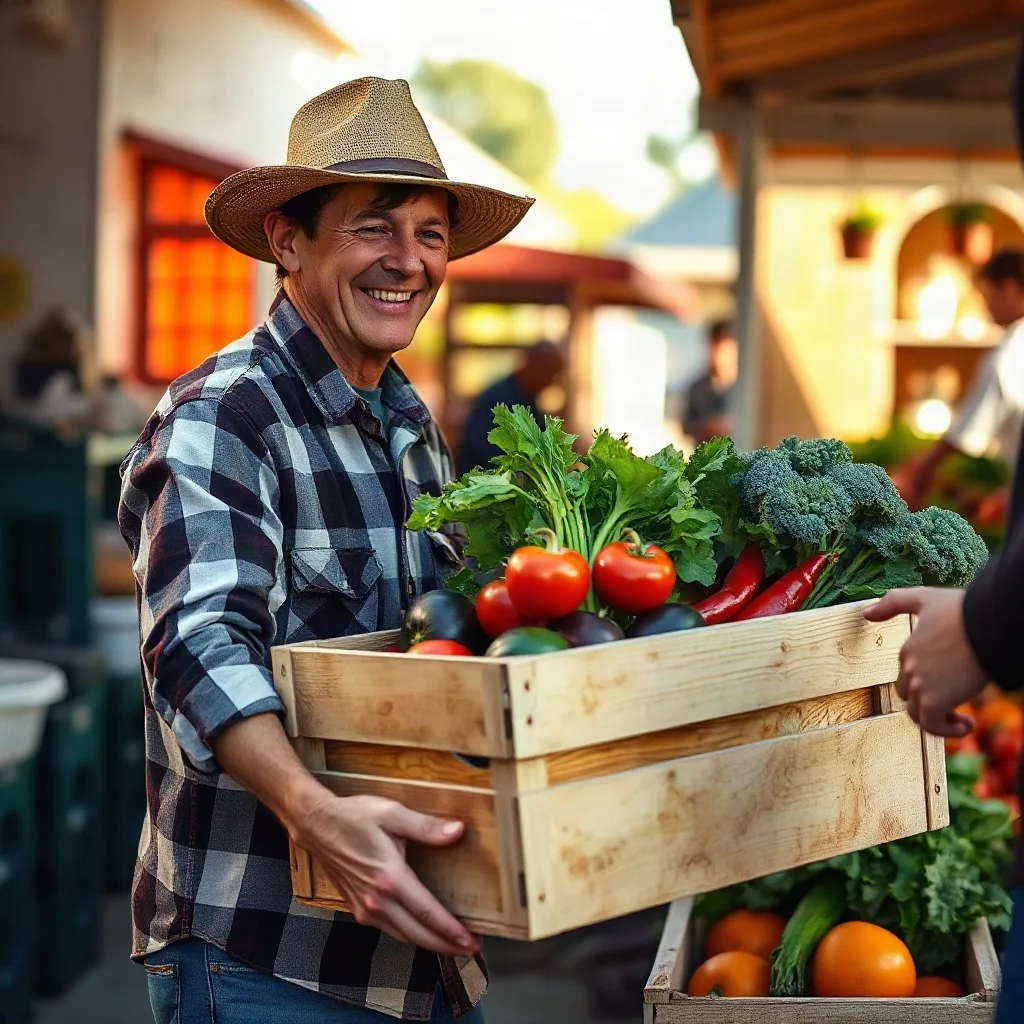
Supporting local farmers is more than a feel‑good trend; it’s a practical strategy that strengthens regional economies, reduces environmental impact, and preserves the cultural heritage of food production. By choosing to buy, volunteer, and advocate for nearby farms, you help create a resilient food system that benefits both producers and consumers. This guide walks you through actionable steps you can take today, whether you live in a bustling city or a quiet rural town.
Key takeaways
- Shop at farmers’ markets or join a CSA to provide farmers with direct income and financial stability.
- Visit farm stands or use online platforms to purchase fresh produce while eliminating unnecessary middlemen.
- Volunteer for farm events or participate in agritourism to deepen your connection with local food production.
- Advocate for policies that protect farmland and support institutions in adopting farm-to-school procurement programs.
- Minimize food waste through proper storage and preservation to maximize the value of your local purchases.
1. Shop at Farmers’ Markets Regularly
Farmers’ markets are the most direct way to connect with growers. When you purchase a basket of seasonal vegetables, a cut of grass‑fed beef, or a jar of homemade preserves, a larger share of the price stays with the farmer compared to grocery‑store sales. To make the most of market visits:
- Plan ahead. Check the market’s schedule, locate the participating farms, and note what’s in season. Most markets post weekly vendor lists online.
- Bring reusable bags and containers. This reduces waste and signals your commitment to sustainability.
- Ask questions. Inquire about farming practices, harvest dates, and storage tips. Farmers appreciate informed customers and often share recipes or cooking ideas.
- Buy in bulk when possible. Many vendors offer discounts for larger orders, which can lower costs for you and increase revenue for the farmer.
2. Join a Community‑Supported Agriculture (CSA) Program
CSAs let you purchase a share of a farm’s harvest before the season begins. In exchange, you receive a weekly box of fresh produce, sometimes supplemented with eggs, dairy, or meat. The benefits include:
- Financial stability for farmers. Up‑front payments cover planting and labor costs.
- Fresh, seasonal eating. You’ll discover new vegetables and learn to cook with what’s at its peak.
- Community connection. Many farms host share‑holder events, farm tours, or volunteer days.
To join a CSA:
- Research farms within a 30‑mile radius that offer shares that match your household size.
- Read the share agreement carefully—some farms allow you to customize your box, while others deliver a set mix.
- Commit to the full season (typically 12‑16 weeks) to ensure the farm can plan effectively.
3. Purchase Directly from Farm Stands and On‑Farm Stores
Many farms operate roadside stands or small on‑site stores. Buying directly eliminates the middleman, often resulting in lower prices for high‑quality products. When you visit a farm stand:
- Check for seasonal signage indicating what’s fresh that day.
- Bring cash or a mobile payment method; some farms prefer cash to avoid transaction fees.
- Ask about bulk discounts for items like potatoes, onions, or herbs.
- Take note of the farm’s operating hours—many stand open only a few days a week.
4. Support Local Farms Through Subscription Boxes and Online Platforms
If you can’t travel to a market, many farms now ship produce, meat, dairy, and pantry items via subscription boxes. Platforms such as Farmbox Direct, LocalHarvest, or farm‑specific e‑commerce sites make ordering simple. Tips for successful online purchasing:
- Read reviews to gauge product quality and packaging reliability.
- Look for farms that use insulated packaging and carbon‑neutral shipping options.
- Subscribe to newsletters for seasonal recipes and farm updates.
- Combine orders with neighbors to reduce delivery frequency and packaging waste.
5. Volunteer on the Farm or Participate in Farm‑Based Events
Hands‑on involvement deepens your understanding of agricultural work and creates a personal bond with the land. Common volunteer opportunities include:
- Harvest days. Many farms need extra help picking fruits, vegetables, or grains during peak season.
- Weed and planting sessions. Early‑season work often welcomes community volunteers.
- Educational workshops. Topics range from composting to beekeeping.
- Farm‑to‑table dinners. These events showcase the farm’s produce and often fund future projects.
When volunteering, bring sturdy shoes, a reusable water bottle, and a willingness to learn. In return, farms may offer a small share of produce or a discount on future purchases.
6. Advocate for Policies That Protect Small‑Scale Agriculture
Individual purchasing power is vital, but systemic change amplifies impact. Here are concrete advocacy actions:
- Contact local representatives. Request support for zoning laws that preserve agricultural land and for grants that assist small farms.
- Participate in town hall meetings. Voice the importance of farm‑friendly policies, such as tax incentives for farm‑direct sales.
- Sign petitions. Many organizations run campaigns to protect farmland from development.
- Join or donate to farmer‑focused NGOs. Groups like the National Sustainable Agriculture Coalition provide resources for grassroots lobbying.
7. Choose Farm‑Sourced Ingredients in Your Cooking and Hosting
When you prepare meals, prioritize ingredients that come from local farms. This not only supports growers but also elevates the flavor profile of your dishes. Practical ideas include:
- Creating a weekly “farm‑focused” dinner night featuring a vegetable or protein that’s in season.
- Hosting a potluck where each guest brings a dish made with a local ingredient, and sharing the farm’s story on the invitation.
- Using farm‑grown herbs to replace dried versions, which enhances taste and reduces waste.
- Experimenting with lesser‑known crops—such as kohlrabi or heirloom beans—to broaden your palate and increase demand for diverse produce.
8. Educate Others and Share Your Experiences
Word of mouth is a powerful marketing tool for farmers. By sharing your positive experiences, you inspire friends, family, and colleagues to make similar choices. Effective ways to spread the word:
- Post photos of your market haul on social media with tags like #SupportLocalFarmers or the farm’s official handle.
- Write a short review on Google, Yelp, or the farm’s website.
- Organize a farm‑visit field trip for a local school, community group, or workplace.
- Start a neighborhood newsletter that highlights seasonal produce and recipe ideas.
9. Reduce Food Waste to Maximize the Impact of Your Purchases
Buying local is only part of the equation; how you store and use those foods determines the true benefit to farmers. Strategies to minimize waste include:
- Learn proper storage. For example, keep leafy greens in a perforated bag with a damp paper towel to extend freshness.
- Plan meals around what you have. Conduct a weekly inventory before grocery shopping.
- Preserve excess produce. Techniques such as freezing, canning, or fermenting allow you to enjoy summer bounty year‑round.
- Compost scraps. If you have a garden, composting returns nutrients to the soil, completing the local food loop.
Engage in Agritourism and Farm‑Based Experiences
Agritourism turns a farm into a living classroom and a source of supplemental income. By visiting farms for tours, workshops, or weekend stays, you create a revenue stream that is independent of commodity sales and often earmarked for capital improvements, soil health projects, or diversification efforts. Below are practical ways to get involved, even if you live in a city or have limited mobility.
- Book a farm stay or “farm‑camp.” Many small‑scale operations offer overnight accommodations in renovated barns, tiny houses, or eco‑cabins. A weekend stay typically includes a hands‑on activity—such as milking a goat, planting seedlings, or learning to bake sourdough with farm‑grown flour. The fee you pay covers labor, feed, and sometimes a portion of the farm’s insurance costs, directly bolstering the bottom line.
- Attend seasonal workshops. Topics range from beekeeping and mushroom cultivation to regenerative grazing and solar‑powered irrigation. Workshops are usually priced to cover materials and instructor time, but the knowledge you acquire can be applied at home, reducing your own food‑production expenses.
- Participate in “pick‑your‑own” events. Some orchards and berry farms let visitors harvest their own fruit for a flat fee per pound. This model eliminates the need for labor‑intensive picking crews, and the fee is calculated to cover the cost of labor, equipment wear, and post‑harvest handling.
- Volunteer as a “guest farmer.” A growing number of farms run short‑term residency programs where participants work 20–30 hours per week in exchange for room, board, and a share of the harvest. These residencies are ideal for students, retirees, or career‑changers looking to test the waters of agricultural work without a long‑term commitment.
Edge case example: If you live in a high‑density apartment building with no vehicle, look for farms that partner with ride‑share services or local transit agencies. Some agritourism operators provide shuttle buses from central train stations on market days, making the experience accessible without a personal car.
By treating farm visits as a paid service rather than a free goodwill gesture, you reinforce the idea that farmers’ time, expertise, and land are valuable commodities deserving of fair compensation.
Create or Join a Local Food Buying Club
A buying club aggregates demand from a group of households, allowing members to negotiate bulk discounts, lower transportation costs, and even influence what crops are planted. Buying clubs can be informal (a handful of neighbors sharing a spreadsheet) or formally incorporated as a nonprofit. The following steps help you launch or strengthen a club that benefits both members and producers.
- Map the supply chain. Identify all farms within a 40‑mile radius, noting the products they offer, harvest calendars, and preferred delivery methods (truck, van, or farmer‑run van). Create a master list that includes contact information, minimum order quantities, and price tiers for bulk purchases.
- Set up a transparent financial system. Use a shared online ledger (Google Sheets, Airtable, or a dedicated cooperative accounting app) to track member contributions, farm invoices, and any fees. Transparency builds trust and prevents disputes when the season ends.
- Define membership rules. Decide whether the club will operate on a subscription model (e.g., $150 per month) or a pay‑as‑you‑go system. Include clauses for missed payments, product substitutions, and cancellation policies to protect both the club and the farmer.
- Negotiate contracts. Approach farms with a written request that outlines the total volume you intend to purchase, the delivery schedule, and the price you are willing to pay. Many farms are willing to lower per‑pound rates by 10‑20% when they know the demand is guaranteed for a set period.
- Organize distribution hubs. Choose a central, climate‑controlled location—such as a community center refrigerator or a local co‑op pantry—where members can pick up their boxes. If the club has a dedicated van, consider a rotating delivery route that minimizes mileage and fuel use.
Special consideration: For low‑income neighborhoods, partner with a local food bank or a municipal assistance program to subsidize membership fees. Some grant programs specifically target “food justice” initiatives that increase access to fresh, local produce in underserved areas.
When a buying club consistently places large orders, farms can plan more efficiently, invest in higher‑value equipment, and diversify crops—creating a virtuous cycle of increased profitability and community resilience.
Support Seed Saving and Heirloom Preservation Initiatives
Seeds are the genetic backbone of agriculture. By nurturing seed‑saving projects, you help safeguard biodiversity, protect against climate‑related crop failures, and preserve cultural food heritage. Below are concrete actions you can take to keep heirloom varieties thriving.
- Donate to seed libraries. Many libraries now host “seed borrowing” programs where patrons can check out packets of open‑pollinated seeds for a season and return a portion of the harvested seed. Contributions can be monetary or in the form of seed donations from your own garden.
- Participate in community seed swaps. Organize a quarterly meet‑up where gardeners exchange surplus seeds. Provide a simple inventory sheet that lists varietal name, planting depth, and harvest time to help novices select appropriate varieties.
- Purchase from dedicated heirloom seed companies. Companies such as Baker Creek, Seed Savers Exchange, and local indigenous seed collectives sell certified open‑pollinated seeds. When you buy, ask if a portion of the proceeds supports on‑farm seed breeding or community outreach.
- Volunteer as a seed curator. Some farms maintain a small seed bank for future planting. Curators label, dry, and store seeds in airtight containers, track viability, and perform germination tests. A few hours a month can ensure that a farm’s unique varieties survive for decades.
- Advocate for policy support. Encourage your municipal council to allocate funds for “seed sovereignty” projects, which may include establishing a public seed bank, offering tax breaks for farms that practice seed saving, or incorporating seed education into school curricula.
Edge case scenario: In regions prone to extreme weather, prioritize drought‑tolerant heirloom varieties (e.g., Cherokee Purple tomatoes, Amaranth) that have proven resilience. By requesting these varieties from farms, you help create a market incentive for growers to maintain climate‑adapted genetic lines.
Seed preservation is a long‑term investment. Each packet you plant, exchange, or purchase adds a living link in the chain that connects today’s consumer to tomorrow’s food security.
Partner with Schools and Institutions for Farm‑to‑School Programs
Integrating local farm produce into school cafeterias, university dining halls, and workplace cafeterias multiplies impact: students learn where food comes from, institutions reduce their carbon footprints, and farms gain a stable, predictable market. Below is a step‑by‑step guide for establishing a farm‑to‑school pipeline.
- Identify a champion. Most successful programs start with a teacher, nutritionist, or facilities manager who is passionate about local food. This individual will serve as the primary liaison between the farm and the institution.
- Conduct a needs assessment. Gather data on the institution’s current food procurement volume, seasonal menu cycles, and any dietary restrictions (e.g., gluten‑free, nut‑allergy). This helps you match farm output to demand without over‑ or under‑producing.
- Develop a seasonal menu plan. Work with the institution’s chef or food service director to create menus that highlight peak‑season produce. For example, a spring menu could feature asparagus, peas, and rhubarb, while a fall menu emphasizes squash, apples, and heritage carrots.
- Negotiate a contract with clear metrics. Include clauses for minimum order quantities, delivery frequency (weekly, bi‑weekly), and quality standards (e.g., “no bruises, pesticide‑free”). Include a “flex” provision that allows the institution to substitute items if a crop fails due to weather.
- Implement a pilot phase. Start with a limited menu (e.g., a weekly “local lunch”) to test logistics, storage capacity, and student acceptance. Collect feedback via surveys and adjust quantities accordingly.
- Scale up and secure funding. Apply for grants from the USDA Farm to School program, local foundations, or corporate sponsorships. Funding can cover additional staff, refrigeration upgrades, or educational materials for students.
Special consideration for low‑income schools: Pair the farm‑to‑school program with a nutrition education curriculum that teaches students how to prepare simple dishes with the supplied produce. This reinforces healthy eating habits and reduces plate waste.
When schools commit to purchasing a set percentage of their produce locally—often 20‑30%—farmers can plan crop rotations with confidence, invest in infrastructure, and hire additional labor, creating a ripple effect throughout the regional food system.
Invest in Community Land Trusts and Direct Farm Ownership Models
Ownership is the ultimate lever of power in agriculture. By supporting community land trusts (CLTs) or cooperative farm ownership structures, you help lock farmland into long‑term, community‑controlled use, shielding it from speculative development and ensuring that profits stay local.
- Contribute to a local CLT. CLTs acquire land, hold the title, and lease long‑term (often 99‑year) renewable leases to farmers. As a donor, you can earmark funds for specific parcels, attend lease‑signing ceremonies, or volunteer as a board member to guide land‑use policy.
- Purchase a share in a farmer‑owned cooperative. Some farms offer equity shares to community members. Returns are typically modest (5‑7% annually) but come with voting rights on major decisions such as crop diversification, equipment purchases, and profit allocation.
- Use crowd‑funding platforms. Websites like FarmCrowdy, Kiva, or local credit unions host campaigns where you can invest as little as $25 in a specific farm project—be it a new greenhouse, a solar array, or a livestock expansion. The platform provides regular updates and financial reports.
- Leverage tax incentives. In many states, contributions to agricultural land trusts qualify for charitable deduction, and certain cooperative dividends may be taxed at a lower rate. Consult a tax professional to maximize the fiscal benefits of your investment.
- Participate in “lease‑to‑own” schemes. Some farms allow tenants to rent a plot of land with an option to purchase after a set number of years, using a portion of the rental payments as equity. This model helps aspiring farmers who lack upfront capital.
Edge case scenario: If you live in a region with high land prices, consider pooling resources with other community members to acquire a small parcel (2‑5 acres). Even a modest plot can support intensive vegetable production, a pollinator garden, or a small herd of heritage chickens, providing a tangible, community‑owned food source.
By channeling capital into land‑preservation mechanisms, you create a structural bulwark against urban sprawl, maintain agricultural biodiversity, and ensure that future generations inherit a landscape capable of feeding the local population.
Leverage Technology and Data to Strengthen Farmer‑Consumer Connections
Digital tools can bridge the information gap between growers and shoppers, making local food systems more transparent, efficient, and resilient. Below are technology‑driven strategies that go beyond simple e‑commerce platforms.
- Adopt farm‑specific QR codes. Farmers can place QR codes on product tags, crates, or market stalls. Scanning the code opens a micro‑website that displays the farm’s story, cultivation methods, soil health metrics, and upcoming events. This instant access builds trust and encourages repeat purchases.
- Use subscription‑management apps. Apps such as Farmigo, Harvie, or custom WordPress plugins let consumers manage their CSA or buying‑club subscriptions, adjust delivery frequencies, and rate produce quality. Data collected helps farms fine‑tune crop planning and reduce over‑production.
- Participate in blockchain‑based traceability networks. While full‑scale blockchain may be overkill for a small farm, lightweight ledger solutions (e.g., Open Food Network) allow growers to record each batch’s origin, harvest date, and pesticide usage. Consumers can verify claims with a simple app, reinforcing confidence in “organic” or “regenerative” labels.
- Join data‑sharing cooperatives. Farmers can contribute anonymized yield, weather, and input data to regional platforms that generate predictive analytics. In return, participants receive forecasts for optimal planting windows, pest‑pressure alerts, and market price trends.
- Leverage social‑media livestreams. A weekly Instagram Live or Facebook Live session from the field—showing planting, weeding, or harvest—creates a narrative that followers can engage with in real time. Viewers can ask questions, place orders, or donate to a specific farm project during the stream.
Special case for digital‑phobic participants: Offer a low‑tech alternative such as a printed “farm bulletin” that aggregates the same data—crop schedules, pricing, and volunteer opportunities—and distributes it through local libraries or community centers. This ensures inclusivity across the digital divide.
When technology is used to make the supply chain visible and interactive, consumers feel a stronger sense of ownership over their food, and farmers gain actionable insights that improve efficiency, reduce waste, and increase profitability.
Frequently Asked Questions
1. How can I find farms that accept volunteers if I live in a city?
Many urban farms operate on rooftops, community gardens, or vacant lots. Websites like LocalHarvest let you filter by distance and volunteer opportunities. Additionally, city‑run agriculture departments often publish calendars of farm‑related events.
2. Are CSA shares worth the cost compared to buying at a supermarket?
CSAs typically cost more per pound than bulk supermarket produce, but the price reflects the farmer’s labor, sustainable practices, and the reduced transportation footprint. The added value includes fresher taste, seasonal variety, and the satisfaction of directly supporting a farm’s livelihood.
3. What if I have dietary restrictions—can I still join a CSA?
Many farms offer customizable shares or “flex” options where you can swap out items that don’t fit your diet (e.g., gluten‑free, vegan). Communicate your needs when you sign up; farms are often eager to accommodate to retain share‑holders.
4. How do I ensure the farm I’m supporting uses environmentally responsible practices?
Look for certifications such as USDA Organic, Certified Naturally Grown, or Regenerative Organic Certified. Even without formal labels, ask the farmer directly about soil health practices, pesticide use, and water conservation. Transparent farms are usually happy to share their methods.
5. Can supporting local farms really make a difference in the broader food system?
Collectively, consumer choices shape market demand. When a critical mass of shoppers chooses local, farms can expand, invest in sustainable technology, and resist pressures to sell to large distributors. While one person’s impact is modest, community‑wide action creates measurable change in land preservation, carbon emissions, and economic resilience.
Related posts:
 The 2018 Dirty Dozen List That Will Change How You Shop for Produce
 Market Fresh Mastery: How to Shop Farmers Markets Like a Seasonal Pro
 Equity in Regenerative Agriculture
 The Upstate Farm that New York City Women Built
 The Chef Revolution Transforming School Lunch One Healthy Meal at a Time
 How India’s farmers—and global climate change—could alter geopolitics
 The Sustainable Farming Revolution That’s Saving Our Oceans
 Benefits of Eating Seasonal Local Produce