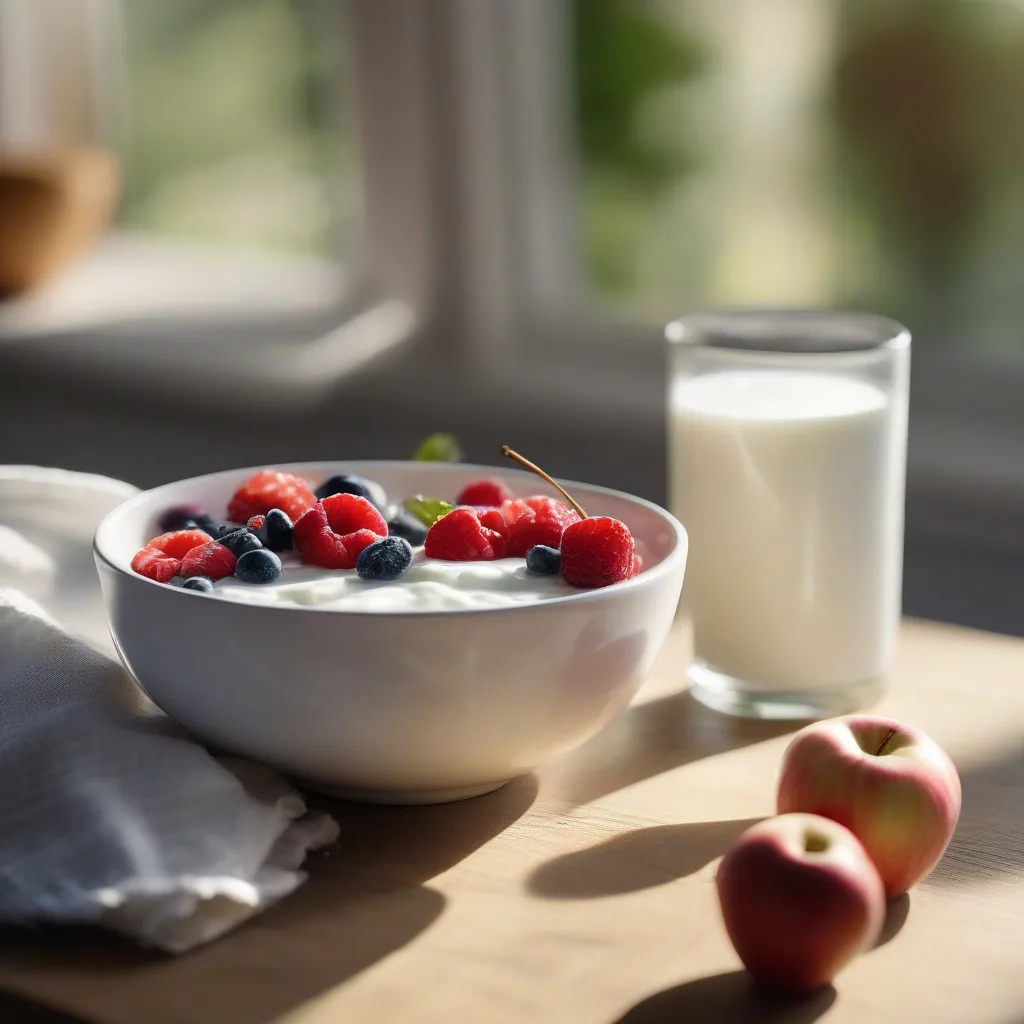
Understanding the difference between prebiotics and probiotics can feel like navigating a maze of scientific jargon, but the concepts are actually straightforward and highly relevant to everyday health. Both play a crucial role in supporting the gut microbiome – the community of trillions of microorganisms that line our digestive tract and influence everything from nutrient absorption to mood regulation. This article breaks down the science, highlights practical ways to include these nutrients in your diet, and offers evidence‑based guidance on choosing supplements safely. Whether you’re new to gut health or looking to fine‑tune an existing routine, the information here will help you make informed decisions without relying on hype or unverified claims.
Key takeaways
- Prebiotics are indigestible fibers that feed beneficial gut bacteria, while probiotics are live microorganisms that provide specific health benefits.
- Combine prebiotic foods like garlic, oats, and legumes with probiotic-rich items like kefir or kimchi for a synergistic synbiotic effect.
- When choosing supplements, prioritize strain-specific labels, third-party testing, and a CFU count between 5 and 50 billion.
- Monitor your body's response through a symptom diary and introduce fiber or probiotic supplements gradually to minimize digestive discomfort.
What Are Prebiotics?
Prebiotics are a type of dietary fiber that the human body cannot digest, but they serve as food for beneficial gut bacteria. By selectively stimulating the growth and activity of these microbes, prebiotics help maintain a balanced microbiome. The most studied prebiotic fibers include inulin, fructooligosaccharides (FOS), galactooligosaccharides (GOS), and resistant starch.
Key natural sources are:
- Chicory root (high in inulin)
- Garlic, onions, leeks, and asparagus (contain FOS)
- Bananas (especially slightly green ones, rich in resistant starch)
- Whole grains such as oats, barley, and rye
- Legumes like lentils and chickpeas
Because prebiotics pass through the upper gastrointestinal tract untouched, they reach the colon where they are fermented by resident bacteria, producing short‑chain fatty acids (SCFAs) such as butyrate, acetate, and propionate. SCFAs provide energy for colon cells, support the gut barrier, and have anti‑inflammatory effects.
What Are Probiotics?
Probiotics are live microorganisms that, when consumed in adequate amounts, confer a health benefit on the host. The most common probiotic groups belong to the genera Lactobacillus, Bifidobacterium, Saccharomyces (a beneficial yeast), and certain strains of Streptococcus and Enterococcus. Each strain can have distinct actions, so the label on a probiotic product typically lists the genus, species, and strain identifier (for example, Lactobacillus rhamnosus GG).
Probiotics can be obtained through:
- Fermented dairy – yogurt, kefir, certain cheeses
- Fermented vegetables – sauerkraut, kimchi, pickles
- Fermented soy – tempeh, miso, natto
- Supplement capsules, tablets, or powders
For a probiotic to be effective, it must survive the acidic environment of the stomach and reach the intestines in sufficient numbers, typically measured in colony‑forming units (CFU). Viability can be influenced by storage conditions, product formulation, and the presence of protective carriers such as prebiotic fibers.
How Prebiotics and Probiotics Work Together
The synergy between prebiotics and probiotics is often called a synbiotic relationship. When a probiotic strain is paired with a compatible prebiotic, the latter supplies a preferred fuel source that helps the introduced bacteria colonize and thrive. This can enhance the overall impact of the supplement or food.
Practical synbiotic examples include:
- Yogurt fortified with inulin – the inulin feeds Lactobacillus strains already present in the yogurt.
- Supplement blends that combine Bifidobacterium lactis with GOS powder.
- Homemade kefir made with a small amount of oat fiber added to the fermentation vessel.
When designing a gut‑health plan, consider both components: choose foods that naturally contain prebiotic fibers, and add probiotic‑rich foods or supplements that are known to work well with those fibers.
Health Benefits Backed by Research
Scientific studies have linked a balanced gut microbiome to several areas of health. While individual responses vary, the following benefits have the strongest evidence base:
- Digestive comfort: Regular consumption of prebiotic fibers can reduce constipation and improve stool frequency. Probiotic strains such as Lactobacillus acidophilus and Bifidobacterium infantis have been shown to alleviate symptoms of irritable bowel syndrome (IBS) in controlled trials.
- Immune modulation: Approximately 70% of the immune system resides in the gut-associated lymphoid tissue. SCFAs produced from prebiotic fermentation can enhance the activity of regulatory T cells, while certain probiotics stimulate the production of IgA antibodies that protect mucosal surfaces.
- Mental health connections: The gut‑brain axis involves neural, hormonal, and immune pathways. Meta‑analyses suggest that probiotic supplementation may modestly improve mood scores and reduce anxiety in healthy adults, likely through the production of neurotransmitter precursors and reduction of systemic inflammation.
- Metabolic support: Some trials indicate that prebiotic intake can improve insulin sensitivity and modestly aid weight management by promoting satiety‑inducing hormones like peptide YY.
- Skin health: Emerging research links gut dysbiosis with conditions such as acne and eczema. Certain probiotic strains have been associated with reduced lesion counts in acne patients.
It’s important to note that probiotics are not a cure‑all; benefits are strain‑specific and often require consistent, long‑term use.
Choosing Quality Supplements
If you decide to use a probiotic supplement, follow these practical steps to ensure potency and safety:
- Check the CFU count: Effective doses typically range from 1 billion to 50 billion CFU per serving, depending on the intended use. For general gut maintenance, 5–10 billion CFU is a common starting point.
- Identify the strains: Look for specific genus‑species‑strain designations on the label. Research the strain’s documented effects before purchasing.
- Verify shelf‑life and storage: Some probiotics require refrigeration, while others are formulated to be stable at room temperature. The label should list a “guaranteed potency through” date, not just the manufacturing date.
- Consider added prebiotics: Synbiotic formulas often list fibers like inulin or FOS. Ensure the prebiotic amount aligns with daily fiber goals (generally 5–10 grams of prebiotic fiber per day).
- Look for third‑party testing: Certifications from organizations such as USP, NSF, or ConsumerLab add credibility.
A quick checklist you can print and keep in your pantry:
- Strain(s) listed with full name
- CFU count per serving and guaranteed through date
- Storage instructions (refrigerated vs. ambient)
- Presence of prebiotic fiber and amount
- Third‑party certification logo
Incorporating Prebiotic Foods Into Everyday Meals
Adding prebiotic‑rich foods does not require drastic diet overhauls. Below are three simple, nutrient‑dense meals that provide 5–8 grams of prebiotic fiber each.
1. Breakfast – Oat‑Banana Power Bowl
- 1 cup cooked rolled oats (≈2 g prebiotic fiber)
- ½ cup sliced slightly green banana (≈1.5 g)
- 1 tablespoon chia seeds
- ¼ cup chopped walnuts
- 1 teaspoon cinnamon
- Optional: drizzle of honey or maple syrup
Combine ingredients in a bowl, add warm milk or plant‑based alternative, and enjoy. The resistant starch in the banana and the soluble fiber in oats feed a variety of beneficial bacteria.
2. Lunch – Chickpea & Garlic Salad
- 1 cup cooked chickpeas (≈4 g prebiotic fiber)
- 2 cloves minced garlic
- ½ cup diced cucumber
- ¼ cup chopped parsley
- 2 tablespoons olive oil
- Juice of ½ lemon
- Salt & pepper to taste
Mix all ingredients, let sit for 10 minutes to allow the garlic’s allicin to develop, then serve over mixed greens. The combination of chickpeas and garlic offers both inulin and GOS.
3. Dinner – Roasted Asparagus & Barley Pilaf
- ½ cup pearl barley (≈3 g prebiotic fiber)
- 1 cup water or low‑sodium broth
- 1 cup roasted asparagus spears (≈2 g)
- 1 tablespoon toasted almond slivers
- Fresh thyme, salt, and pepper
Cook barley according to package instructions, toss with roasted asparagus, almonds, and herbs. This dish provides a mix of soluble fiber and resistant starch, supporting a diverse microbiome.
Aim to include at least one prebiotic‑rich component in each main meal, gradually reaching the recommended 5‑10 grams of daily prebiotic fiber.
Building a Probiotic‑Rich Diet
While supplements are convenient, whole‑food sources of probiotics deliver additional nutrients and often have better survivability thanks to protective food matrices. Here are actionable tips to increase probiotic intake:
- Start the day with fermented dairy: Choose plain kefir or yogurt that lists live cultures on the label. A ¾‑cup serving typically contains 5–10 billion CFU.
- Add a side of fermented vegetables: A ¼‑cup of sauerkraut or kimchi can supply 1–3 billion CFU, plus vitamin C and fiber.
- Swap regular condiments for fermented versions: Use miso paste in soups, tempeh in stir‑fries, or fermented hot sauce in marinades.
- Mind the timing: Consuming probiotics on an empty stomach (15‑30 minutes before a meal) may improve survival through stomach acid, though research is mixed. Experiment and note how you feel.
- Rotate strains: Different strains excel at different tasks (e.g., Lactobacillus plantarum for barrier support, Bifidobacterium longum for carbohydrate metabolism). Vary your foods weekly to expose your gut to a broader microbial repertoire.
Sample weekly plan:
Monday: Breakfast – kefir with berries; Lunch – turkey sandwich with sauerkraut; Dinner – grilled salmon + quinoa
Tuesday: Breakfast – yogurt parfait; Snack – kimchi pancakes; Dinner – stir‑fried tempeh with veggies
Wednesday: Breakfast – miso soup + whole‑grain toast; Lunch – lentil salad with garlic; Dinner – roasted chicken + barley pilaf
... (continue rotating) ...
Consistency is key; aim for at least one probiotic‑containing food most days of the week.
Common Misconceptions and Safety Tips
Because gut health has become a popular topic, several myths circulate. Clarifying them helps you avoid unnecessary worries.
- Myth: More is always better. Extremely high doses (hundreds of billions of CFU) are not proven to be more effective and can cause mild digestive upset in some people.
- Myth: Probiotics can replace a healthy diet. Supplements are adjuncts, not substitutes for fiber‑rich, plant‑forward meals.
- Myth: All fermented foods are probiotic. Some fermented products are pasteurized after fermentation, killing the live cultures. Look for “contains live cultures” or “unpasteurized” on the label.
- Safety tip: Individuals with compromised immune systems, such as organ‑transplant recipients or those undergoing chemotherapy, should consult a healthcare professional before starting probiotic supplementation.
- Safety tip: If you experience persistent bloating, gas, or diarrhea after introducing new prebiotic foods, reduce the amount gradually and monitor tolerance. A sudden surge of fermentable fiber can temporarily increase gas production.
By staying informed and listening to your body, you can integrate prebiotics and probiotics safely and sustainably.
Personalizing Prebiotic and Probiotic Strategies for Individual Needs
One size does not fit all when it comes to gut health. Genetic makeup, dietary patterns, lifestyle stressors, and even geographic location shape the composition of each person’s microbiome, meaning the optimal mix of pre‑ and probiotics can vary dramatically. Below is a step‑by‑step framework you can use to tailor a gut‑support plan that aligns with your unique physiology.
- Assess your baseline. Start with a simple symptom diary for two weeks. Note bowel frequency, stool consistency (using the Bristol Stool Chart), mood fluctuations, skin changes, and any episodes of bloating or gas. If you have access to a stool‑based microbiome test, record the dominant phyla (Firmicutes, Bacteroidetes, Actinobacteria, Proteobacteria) and any notable deficiencies, such as low Bifidobacterium counts.
- Identify dietary gaps. Compare your current diet against the recommended fiber intake (25 g for women, 38 g for men). Note which prebiotic‑rich foods you already consume and which are missing. For instance, if you rarely eat legumes, you may be low on galactooligosaccharides (GOS).
- Match strains to goals. Different probiotic strains excel at distinct functions:
- Lactobacillus plantarum – strengthens intestinal barrier, useful for leaky‑gut symptoms.
- Bifidobacterium longum – supports carbohydrate fermentation, helpful for those with high‑glycemic diets.
- Saccharomyces boulardii – a yeast that resists antibiotics, ideal during or after a course of antimicrobial therapy.
- Streptococcus thermophilus – produces lactase, beneficial for lactose‑intolerant individuals.
Choose a supplement or fermented food that contains the strain most aligned with your primary concern.
- Set a dosage window. Research suggests that a daily intake of 5–10 billion CFU is sufficient for maintenance, while therapeutic doses (e.g., for IBS) may require 20–30 billion CFU. Adjust based on tolerance: if you experience mild cramping, reduce the dose by half for a week, then gradually increase.
- Iterate and re‑evaluate. After four weeks, revisit your symptom diary. Look for trends—e.g., reduced bloating after adding 5 g of inulin daily, or improved mood scores after incorporating a Lactobacillus rhamnosus supplement. Make incremental changes rather than overhauling the entire regimen at once.
By treating gut support as a dynamic, data‑driven experiment, you can fine‑tune the balance of pre‑ and probiotics to suit your evolving health landscape.
Prebiotics and Probiotics Across the Lifespan: From Infancy to Older Age
The microbial ecosystem undergoes dramatic shifts from birth through senescence. Understanding these developmental windows helps you choose the right foods and supplements at each stage.
Infancy (0–12 months)
- Breast milk as a natural synbiotic. Human milk oligosaccharides (HMOs) act as prebiotics, selectively feeding Bifidobacterium infantis and related species. Formula‑fed infants benefit from added GOS/FOS blends that mimic HMOs.
- Probiotic drops. Strains such as Lactobacillus reuteri DSM 17938 have been studied for reducing colic and improving sleep patterns. Dosages are typically 1 billion CFU per day, administered directly to the mouth.
Early Childhood (1–12 years)
- Introduce fermented dairy (plain yogurt) and lightly fermented vegetables (pickles) as snack options. Aim for at least one serving per day.
- Incorporate prebiotic‑rich snacks—e.g., apple slices with a small dab of almond butter (apples provide pectin, a soluble fiber).
Adolescence (13–19 years)
- Hormonal fluctuations can affect gut permeability. A diet emphasizing whole grains, legumes, and occasional probiotic smoothies can mitigate acne‑related dysbiosis.
- Stress‑related dysbiosis is common; strains like Lactobacillus helveticus R0052 have shown promise in reducing cortisol levels in teen populations.
Adulthood (20–64 years)
- Focus on metabolic health. Prebiotic resistant starch from cooled cooked potatoes or rice can improve insulin sensitivity.
- Consider targeted synbiotic blends during periods of antibiotic use, travel, or high‑intensity training.
Older Adults (65+ years)
- Microbial diversity tends to decline with age, increasing susceptibility to infections. Daily intake of 10–15 billion CFU of multi‑strain probiotics (including Bifidobacterium breve and Lactobacillus casei) is associated with reduced incidence of respiratory infections.
- Prebiotic fiber can help combat age‑related constipation. A combination of 3 g inulin + 2 g partially hydrolyzed guar gum taken with breakfast has been shown to increase stool frequency without causing excessive gas.
Adapting your gut‑support strategy to each life stage maximizes the likelihood of long‑term resilience.
Targeted Applications: Gut‑Microbiome Interventions for Specific Health Conditions
Beyond general wellness, emerging research points to condition‑specific microbiome modulation. Below are three clinically relevant scenarios and evidence‑based recommendations.
Autoimmune Disorders (e.g., Rheumatoid Arthritis, Hashimoto’s Thyroiditis)
- Rationale. Dysbiosis can promote systemic inflammation through leaky gut and molecular mimicry.
- Probiotic protocol. A blend containing Lactobacillus casei Shirota (10 billion CFU) and Bifidobacterium animalis subsp. lactis BB‑12 (5 billion CFU) taken twice daily has demonstrated modest reductions in C‑reactive protein (CRP) in pilot trials.
- Prebiotic adjunct. 5 g of partially hydrolyzed guar gum (PHGG) daily can increase the abundance of anti‑inflammatory short‑chain fatty acids.
- Monitoring. Track joint pain scores, thyroid hormone levels, and stool calprotectin every 6 weeks to gauge response.
Allergic Diseases (e.g., Atopic Dermatitis, Seasonal Allergies)
- Mechanism. A gut dominated by Clostridia can promote regulatory T‑cell development, dampening IgE‑mediated responses.
- Probiotic choice. Lactobacillus rhamnosus GG (10 billion CFU) administered for 8 weeks during the pollen season has been associated with a 20% reduction in symptom severity scores.
- Prebiotic support. Daily intake of 3 g of fructooligosaccharides (FOS) can boost Bifidobacterium populations, which in turn produce metabolites that reinforce the skin barrier.
Women’s Health (e.g., Bacterial Vaginosis, Urinary Tract Infections)
- Vaginal microbiome link. A dominance of Lactobacillus crispatus correlates with lower recurrence of bacterial vaginosis (BV).
- Oral probiotic regimen. Lactobacillus rhamnosus GR-1 and Lactobacillus reuteri RC-14 (each 5 billion CFU) taken daily for 3 months have shown efficacy in restoring a protective vaginal flora.
- Prebiotic diet. Incorporate 2–3 servings of high‑inulin vegetables (e.g., chicory, Jerusalem artichoke) to nourish vaginal lactobacilli indirectly via the gut‑vagina axis.
When addressing a specific condition, it is advisable to consult a healthcare professional familiar with microbiome‑targeted therapies to ensure safety and appropriate dosing.
Designing Home Fermentation Projects for a Probiotic Boost
Creating your own fermented foods gives you control over strain diversity, salt content, and flavor profile. Below is a beginner‑friendly roadmap for three classic ferments, plus troubleshooting tips for common pitfalls.
1. Basic Lactobacillus‑Dominant Sauerkraut
- Ingredients. 1 kg of organic cabbage, 20 g sea salt (≈2% by weight), optional caraway seeds for flavor.
- Procedure.
- Shred cabbage, sprinkle salt, and massage for 5–7 minutes until it releases its own brine.
- Pack tightly into a sterilized mason jar, ensuring the cabbage stays submerged under the brine.
- Place a fermentation weight (e.g., a small glass jar filled with water) on top, seal with a breathable cloth, and store at 18‑22 °C.
- Taste after 3 days; continue fermenting up to 14 days for a tangier profile.
- Probiotic yield. A 100‑g serving of properly fermented sauerkraut can contain 10⁸–10⁹ CFU of Lactobacillus plantarum and L. brevis.
- Common issues. If you notice white mold on the surface, discard the batch; mold thrives when the cabbage is exposed to air.
2. Yogurt Made with a Dual‑Strain Starter
- Ingredients. 1 L whole milk, 2 Tbsp plain yogurt containing live Lactobacillus bulgaricus and Streptococcus thermophilus.
- Procedure.
- Heat milk to 85 °C, hold for 5 minutes to denature proteins (improves texture).
- Cool to 42 °C, whisk in the starter yogurt.
- Transfer to a clean container, incubate at 42 °C for 4–6 hours (use a yogurt maker or a warm oven).
- Refrigerate for at least 4 hours before eating.
- Enhancement tip. Add 1 g of inulin powder to the milk before incubation; the prebiotic will be incorporated into the final product, creating a synbiotic yogurt.
- Failure mode. If the mixture does not thicken, the temperature may have been too low; re‑heat to 45 °C and allow an additional incubation period.
3. Kombucha with a Controlled SCOBY
- Ingredients. 8 cups water, ½ cup organic cane sugar, 4 bags black tea, 1 cup starter kombucha (unflavored, from a previous batch), 1 SCOBY.
- Procedure.
- Boil water, dissolve sugar, steep tea for 10 minutes, then cool to room temperature.
- Transfer to a glass jar, add starter kombucha and SCOBY.
- Cover with a breathable cloth, ferment 7–10 days at 24‑27 °C.
- Taste; once the desired acidity is reached, bottle and refrigerate. Optional: add a splash of fruit juice for a second‑fermentation flavor boost.
- Safety note. If the SCOBY develops black spots or a foul odor, discard the batch; contamination can produce unwanted microbes.
Home fermentation empowers you to experiment with strain combinations, adjust salt or sugar levels, and create truly personalized probiotic foods.
Advanced Prebiotic Classification: Soluble vs. Insoluble, Resistant Starch Varieties, and Emerging Fibers
Not all fibers are created equal. Understanding the physicochemical properties of different prebiotic types helps you select the right ones for specific gastrointestinal goals.
Soluble, Fermentable Fibers
- Inulin and Oligofructose. Long chains of fructose units; highly fermentable, producing acetate and butyrate. Ideal for boosting Bifidobacterium populations.
- Galactooligosaccharides (GOS). Derived from lactose; preferentially feed Bifidobacterium breve and B. longum. Useful for infants and lactase‑deficient adults.
- Pectin. Found in apples, citrus peels; forms a gel in the gut, slowing glucose absorption while still being fermented into propionate.
Insoluble, Partially Fermentable Fibers
- Cellulose. Largely resistant to fermentation; adds bulk to stool and promotes regularity.
- Hemicellulose. Slightly fermentable; found in wheat bran and contributes to both bulking and modest SCFA production.
Resistant Starch (RS) Sub‑Types
| Type | Source | Key Benefits |
|---|---|---|
| RS1 | Whole or partially milled grains, seeds | Physical barrier to digestion; promotes distal colon fermentation. |
| RS2 | Uncooked potatoes, green bananas, high‑amylose corn | Rapidly fermented, increases butyrate production. |
| RS3 | Cooked‑then‑cooled starches (e.g., rice, pasta, potatoes) | Forms retrograded starch; slowly released, supporting prolonged SCFA generation. |
| RS4 | Synthesized chemically (e.g., phosphorylated starch) | Highly resistant; used in fortified foods for targeted fiber enrichment. |
Choosing the right RS type depends on timing: RS2 is excellent for a pre‑workout snack to fuel short‑term fermentation, while RS3 is better suited for evening meals to sustain SCFA production overnight.
Emerging Prebiotic Candidates
- Polyphenol‑Fiber Complexes. Compounds like chlorogenic acid bound to arabinoxylan show synergistic prebiotic effects, enhancing growth of Faecalibacterium prausnitzii.
- Seaweed‑Derived Alginate Oligosaccharides. Recent trials indicate they increase Akkermansia muciniphila, a bacterium linked to improved metabolic health.
- Beta‑Glucans from Oats and Barley. While traditionally classified as soluble fiber, they also possess immunomodulatory properties that complement gut‑centric benefits.
Incorporating a variety of these fibers across meals maximizes microbial diversity and functional output.
Chronobiology of Gut Microbes: Timing, Dosage, and Interaction with Circadian Rhythms
The gut microbiome follows a daily rhythm that mirrors the host’s circadian clock. Aligning prebiotic and probiotic intake with these cycles can amplify their efficacy.
Morning Window (6‑10 am)
- Why it matters. Gastric acidity peaks after waking, but the small intestine’s motility is also high, facilitating rapid transit.
- Practical tip. Take a probiotic capsule on an empty stomach (15 minutes before breakfast) to reduce acid exposure and improve colonization.
- Prebiotic pairing. Add 2 g of inulin to your morning coffee or smoothie; the fiber will reach the colon later in the day, providing a sustained food source for the newly arrived microbes.
Mid‑Day (12‑2 pm)
- Gut activity. Post‑prandial bile secretion peaks, which can temporarily suppress certain anaerobes.
- Strategy. Include a fermented side dish (e.g., kimchi) with lunch to re‑seed the gut after the bile surge.
Evening (6‑9 pm)
- Microbial fermentation peaks. SCFA production rises as the colon receives bulk from dinner.
- Prebiotic focus. Serve a dish rich in RS3 (cooled quinoa salad) or resistant starch from legumes to fuel overnight butyrate synthesis.
- Avoid high‑sugar desserts. Simple sugars can cause rapid fermentation and gas, disrupting sleep quality.
Night‑time (after 10 pm)
- Gut repair. The body releases growth hormone, and the gut epithelium undergoes repair processes.
- Supplement suggestion. A low‑dose (<1 billion CFU) probiotic containing Lactobacillus reuteri can support mucosal healing during this restorative phase.
Tracking your intake with a simple spreadsheet—recording time, type of prebiotic/probiotic, and any subjective symptoms—helps you identify the personal rhythm that yields the best results.
Interactions Between Pre‑/Probiotics and Medications or Other Supplements
Gut‑targeted nutrients do not exist in isolation; they can influence, and be influenced by, pharmaceuticals and nutraceuticals. Below is a concise guide for common interactions.
Antibiotics
- Effect on probiotics. Broad‑spectrum antibiotics (e.g., amoxicillin‑clavulanate) can reduce probiotic viability by up to 90% if taken simultaneously.
- Mitigation strategy. Start a probiotic 2 hours after the antibiotic dose, and continue the probiotic for at least 2 weeks after completing the antibiotic course.
- Prebiotic role. Consuming 5 g of resistant starch during antibiotic therapy can help preserve beneficial bacteria by providing an energy source that many pathogens cannot metabolize.
Proton‑Pump Inhibitors (PPIs)
- Impact on gastric acidity. PPIs raise stomach pH, which may paradoxically allow more bacteria to survive the gastric passage, potentially altering the composition of colonizing strains.
- Practical tip. Choose enteric‑coated probiotic capsules that dissolve in the distal small intestine, reducing dependence on stomach acidity for survival.
Metformin
- Gut microbiome modulation. Metformin itself increases the abundance of Akkermansia muciniphila and short‑chain fatty‑producing bacteria.
- Synergistic approach. Pair metformin with a prebiotic rich in polyphenols (e.g., blueberry extract) to further amplify the rise in beneficial taxa.
Iron Supplements
- Potential dysbiosis. Excess luminal iron can favor pathogenic Enterobacteriaceae growth.
- Countermeasure. Co‑administer a probiotic containing Lactobacillus plantarum (known to sequester iron) and a prebiotic such as GOS to maintain a balanced microbial environment.
Herbal Supplements (e.g., Turmeric, Garlic Extract)
- Antimicrobial properties. High doses may inhibit both harmful and beneficial microbes.
- Timing recommendation. Take herbal extracts at least 2 hours apart from probiotic doses to minimize direct antimicrobial exposure.
Always discuss any planned probiotic or prebiotic regimen with your prescribing clinician, especially if you are on chronic medication, to avoid unintended interactions.
Frequently Asked Questions
- 1. Do I need to take a probiotic supplement if I already eat fermented foods?
- Not necessarily. Regular consumption of a variety of fermented foods can provide sufficient live cultures for many people. Supplements are useful when you need a specific strain, higher CFU count, or have dietary restrictions that limit fermented food intake.
- 2. How long does it take to notice benefits from prebiotic or probiotic use?
- Results vary. Some individuals report reduced bloating within a few days, while improvements in immune function or mood may take 4–12 weeks of consistent intake. Tracking symptoms in a journal can help you gauge progress.
- 3. Can I take prebiotics and probiotics together, or should they be spaced apart?
- They can be taken together, especially in synbiotic products designed for simultaneous delivery. If you prefer separate sources, taking them with meals is generally fine; the prebiotic fiber will be present in the gut when the probiotic bacteria arrive.
- 4. Are there any foods that should be avoided while using probiotics?
- Highly processed foods high in added sugars and unhealthy fats can disrupt the microbiome and may diminish probiotic efficacy. While they don’t directly “cancel out” probiotics, limiting such foods supports overall gut health.
- 5. Is there a risk of antibiotic resistance from probiotic use?
- Most probiotic strains are considered safe and do not carry transferable antibiotic‑resistance genes. However, it’s prudent to choose products from reputable manufacturers that conduct genomic testing to ensure strains are free of concerning resistance markers.
Related posts:
 The Gut-Brain Highway: How Your Stomach Controls Your Mood
 Do Probiotics Actually Work or Are They Just Expensive Hype?
 Choosing the Right Probiotics for Kids
 Can Probiotics Help Depression?
 Gut Health for Longer Life
 Coconut Cult Just Dropped New Products That Will Revolutionize Your Gut Health
 Fermented Foods for Gut Health
 Benefits of Adding Fermented Foods to Your Meals