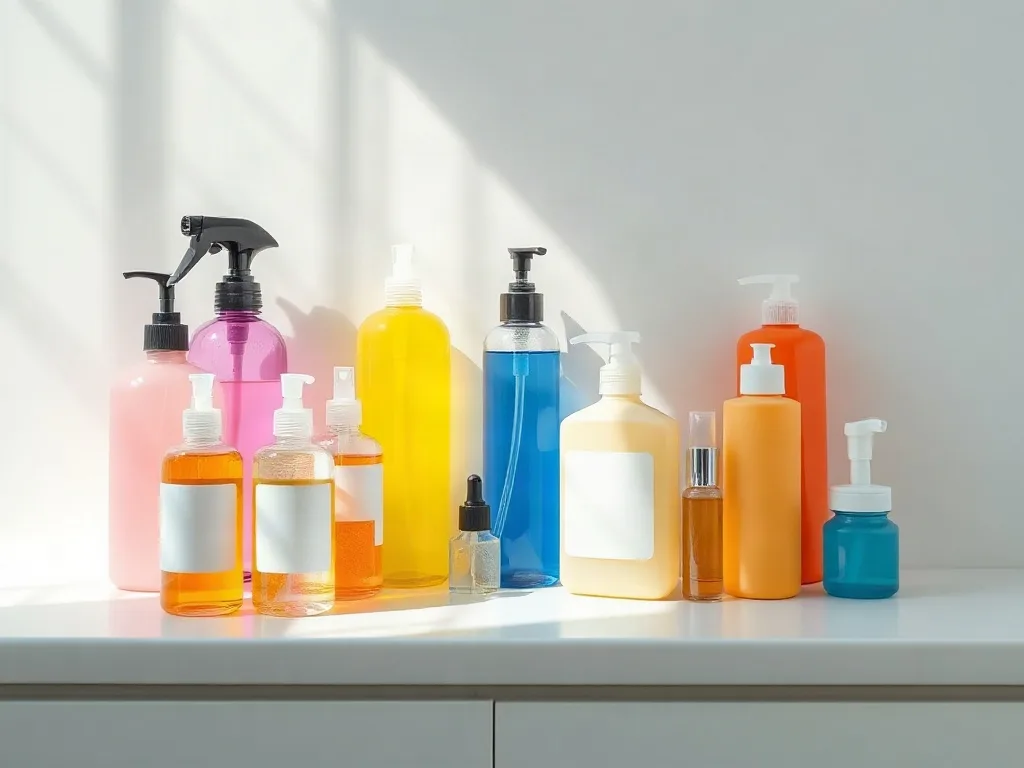
Your vaginal health is a crucial part of your overall well-being, yet many everyday products marketed as “feminine hygiene” essentials can actually disrupt your body’s natural balance. The vagina is a self-cleaning organ with its own delicate ecosystem of beneficial bacteria that maintain proper pH levels and protect against infections. When we use products that interfere with this balance, we can inadvertently cause irritation, infections, and long-term health issues.
Key takeaways
- Avoid douching and scented products because they kill beneficial bacteria and disrupt the natural pH balance of the vagina.
- Wear breathable cotton underwear instead of synthetic fabrics to prevent moisture buildup and reduce the risk of yeast infections.
- Wash the external vulva with warm water or mild, fragrance-free cleansers, avoiding harsh antibacterial soaps and scented body washes.
- Choose water-based lubricants free from glycerin and parabens to protect sensitive tissue and prevent feeding harmful yeast growth.
- Use fragrance-free, hypoallergenic detergents for underwear to prevent contact dermatitis and irritation from chemical residues in the fabric.
Understanding which products to avoid is just as important as knowing which practices support vaginal health. Many women unknowingly use items that contain harsh chemicals, synthetic fragrances, or materials that trap moisture and create environments where harmful bacteria thrive. This guide explores the products that can compromise your vaginal health and offers safer alternatives to help you make informed choices about your body.
Scented Feminine Hygiene Products and Douches
Scented pads, tampons, panty liners, and especially douches rank among the most harmful products for vaginal health. Despite aggressive marketing suggesting that vaginas need to smell like flowers or fresh linen, these products contain synthetic fragrances and chemicals that disrupt the vaginal pH balance, which normally sits between 3.8 and 4.5.
Douching is particularly problematic because it literally flushes away the good bacteria (lactobacilli) that protect your vagina from infections. Studies have linked regular douching to increased rates of bacterial vaginosis, yeast infections, pelvic inflammatory disease, and even higher risks of sexually transmitted infections. The vagina naturally cleanses itself through discharge, and interfering with this process does far more harm than good.
Scented menstrual products can cause contact dermatitis, burning sensations, and allergic reactions. The fragrance chemicals can penetrate the highly absorbent vaginal tissue, leading to systemic absorption of potentially harmful compounds. Many of these fragrances contain phthalates, which are endocrine disruptors that may affect hormonal balance.
Instead, choose unscented, organic cotton menstrual products or consider reusable options like menstrual cups made from medical-grade silicone. If you’re concerned about odor, know that a healthy vagina has a mild, natural scent that varies throughout your cycle. Strong or unpleasant odors warrant a doctor’s visit, not a scented product.
Synthetic Underwear and Tight Clothing
The fabric choices you make for underwear and clothing directly impact your vaginal environment. Synthetic materials like polyester, nylon, and spandex don’t allow proper air circulation and trap heat and moisture against your skin. This creates an ideal breeding ground for yeast and harmful bacteria, significantly increasing your risk of infections.
Similarly, consistently wearing tight clothing like skinny jeans, leggings without cotton gussets, or compression garments can compress the vulvar area, restrict airflow, and create friction that leads to irritation and microtears in the delicate skin. This friction can also push bacteria from the anal area toward the vaginal opening, raising the risk of urinary tract infections.
Thongs deserve special mention because the narrow strip of fabric can act as a highway for bacteria to travel from the anus to the vagina and urethra. While occasional thong-wearing won’t necessarily cause problems for everyone, daily wear significantly increases infection risk, especially if made from synthetic materials.
Opt for breathable cotton underwear with a cotton gusset that wicks away moisture and allows air circulation. Choose underwear that fits comfortably without digging into your skin. When possible, balance your wardrobe with looser-fitting pants and skirts, and consider going without underwear at night to allow maximum airflow while you sleep.
Harsh Soaps and Body Washes
Many conventional soaps, body washes, and shower gels are far too harsh for the vulvar area. Products containing sodium lauryl sulfate, strong detergents, antibacterial agents, or synthetic fragrances can strip away natural oils, irritate sensitive skin, and alter the pH balance of your external genital area.
Bar soaps, particularly those marketed as antibacterial or deodorizing, tend to be highly alkaline with pH levels between 9 and 10. When used on the vulva, they can raise the external pH and potentially affect the vaginal environment, making it more susceptible to harmful bacteria overgrowth. Antibacterial soaps are especially problematic because they kill both harmful and beneficial bacteria indiscriminately.
The vulvar skin is more permeable than skin elsewhere on your body, meaning it absorbs chemicals more readily. Harsh cleansers can cause dryness, itching, burning, and even contact dermatitis. They can also compromise the skin’s natural barrier function, making you more vulnerable to irritation from other sources.
For daily cleansing, warm water alone is sufficient for the vaginal opening and internal area. For the external vulvar area, use a gentle, fragrance-free cleanser specifically formulated for sensitive skin with a pH between 4.5 and 5.5. Many gynecologists recommend plain, unscented glycerin soap or cleansers labeled for sensitive or intimate areas. Always wash from front to back, and pat dry gently rather than rubbing.
Conventional Lubricants with Problematic Ingredients
Not all lubricants are created equal, and some contain ingredients that can damage vaginal tissue, disrupt bacterial balance, or cause irritation. Lubricants containing glycerin, propylene glycol, or parabens are particularly problematic for many women.
Glycerin is a sugar alcohol that can feed yeast, potentially triggering yeast infections in susceptible individuals. While not everyone reacts to glycerin, women prone to yeast infections should avoid it entirely. Petroleum-based lubricants like Vaseline can trap bacteria, degrade latex condoms, and be difficult to wash away, creating a breeding ground for infections.
Many conventional lubricants also contain parabens as preservatives, which are known endocrine disruptors that mimic estrogen in the body. Given the high absorption rate of vaginal tissue, these chemicals enter the bloodstream more directly than when applied to other skin areas. Some lubricants also contain warming or tingling agents that can cause irritation or allergic reactions in sensitive individuals.
Osmolality is another critical factor in lubricant selection. High-osmolality lubricants can draw moisture out of vaginal cells, causing cellular damage and increasing susceptibility to infections and STIs. The World Health Organization recommends intimate lubricants have an osmolality below 1200 mOsm/kg, yet many popular brands far exceed this threshold.
Choose water-based or silicone-based lubricants that are glycerin-free, paraben-free, and pH-balanced. Look for products specifically labeled as gynecologist-approved or designed for sensitive skin. Organic coconut oil can be a safe, natural alternative for those not using latex condoms, as oils degrade latex and polyisoprene barriers.
Talcum Powder and Certain Body Powders
Talcum powder has been used for decades in the genital area to absorb moisture and reduce friction, but research has raised serious concerns about its safety. Studies have found associations between talc use in the genital area and increased ovarian cancer risk, though the exact mechanism and strength of this connection continue to be researched and debated.
Beyond cancer concerns, talc can cause irritation when it enters the vagina, and the fine particles can create a barrier that traps moisture rather than truly absorbing it. This can lead to bacterial overgrowth and infections. Talc can also contain trace amounts of asbestos, a known carcinogen, though cosmetic-grade talc in the United States should be asbestos-free.
Some body powders contain cornstarch as an alternative to talc, but cornstarch has its own problems for vaginal health. Like glycerin, cornstarch can feed yeast and promote yeast infections. Additionally, any powder application near the vagina risks particles entering the vaginal canal, where they don’t belong.
If you need to address moisture in the genital area, focus on wearing breathable cotton underwear and changing out of sweaty clothes promptly. Allow the area to air-dry completely after bathing before dressing. If you must use a powder, apply it sparingly to the outer thighs and lower abdomen only, keeping it well away from the vaginal opening. Some gynecologists recommend moisture-wicking underwear liners or silicone-based anti-chafing products as safer alternatives.
Colored or Dyed Toilet Paper and Wet Wipes
While toilet paper seems innocuous, certain types can irritate the sensitive vulvar area. Colored, dyed, or heavily perfumed toilet paper contains chemicals and fragrances that can cause contact dermatitis, itching, and irritation. Even some white toilet papers are bleached with chlorine, which can leave residue that irritates sensitive skin.
Wet wipes, including those marketed as “flushable” or “feminine,” often contain preservatives, fragrances, and other chemicals that can disrupt the vulvar environment. Common preservatives like methylisothiazolinone and methylchloroisothiazolinone are known skin irritants. Many wipes also contain propylene glycol, which can cause burning sensations in sensitive individuals.
The practice of using wet wipes after every bathroom visit can also strip away natural oils, leading to dryness and micro-abrasions that make the area more susceptible to irritation and infection. Additionally, most “flushable” wipes don’t actually break down in plumbing systems and contribute to environmental problems.
Plain, unscented, undyed toilet paper is the best choice for vulvar hygiene. Choose brands that are chlorine-free and fragrance-free. If you prefer additional cleansing, use plain water from a handheld bidet or peri-bottle (the squeeze bottles often given after childbirth), then pat dry with toilet paper or a clean, soft towel. If you must use wipes occasionally, choose ones specifically formulated for sensitive skin with minimal ingredients, and use them sparingly rather than routinely.
Spermicides and Certain Contraceptive Products
Nonoxynol-9, the active ingredient in most spermicides, can cause significant vaginal and cervical irritation, especially with frequent use. Research has shown that it can damage the vaginal lining, creating microscopic tears that actually increase the risk of HIV and other sexually transmitted infections rather than providing protection.
Spermicide use has been linked to increased rates of urinary tract infections and yeast infections because it disrupts the vaginal microbiome. Some women experience burning, itching, or allergic reactions to nonoxynol-9. Despite being FDA-approved as a contraceptive, many sexual health experts now recommend against using spermicide-containing products.
Certain lubricants on condoms also contain nonoxynol-9, so it’s important to check product labels. Diaphragms and cervical caps often require spermicide for effectiveness, but if you experience repeated infections or irritation with these methods, discuss alternative contraceptive options with your healthcare provider.
Latex allergies can also cause vaginal irritation, itching, and discomfort. If you experience symptoms after using latex condoms, consider switching to polyurethane, polyisoprene, or internal (female) condoms made from nitrile. Hormonal contraceptive methods like pills, patches, IUDs, or implants don’t directly contact vaginal tissue in problematic ways, though they can affect vaginal moisture levels through hormonal mechanisms.
Certain Laundry Detergents and Fabric Softeners
The products you use to wash your underwear can cause vaginal irritation even though they never directly contact that area. Residues from laundry detergents, fabric softeners, and dryer sheets remain in fabric fibers and can transfer to your sensitive genital skin throughout the day, causing contact dermatitis, itching, and burning.
Conventional laundry products contain fragrances, optical brighteners, preservatives, and surfactants that are common skin irritants. Fabric softeners and dryer sheets are particularly problematic because they’re designed to coat fabric fibers, meaning their chemicals have prolonged contact with your skin. These products often contain quaternary ammonium compounds that can trigger allergic reactions.
The vaginal area is especially vulnerable to these irritants because the skin is thinner and more permeable than elsewhere on the body, and because underwear maintains close, constant contact throughout the day. Moisture and warmth in the genital area can also activate residues that might remain dormant on other garments.
Switch to fragrance-free, dye-free laundry detergents labeled as hypoallergenic or designed for sensitive skin. Skip fabric softeners and dryer sheets entirely for underwear, or use wool dryer balls without added scents as an alternative. Consider using an extra rinse cycle to ensure all detergent residue is removed from your underwear. If you’re experiencing unexplained vulvar irritation, rewashing your underwear in plain water with white vinegar may help determine if laundry products are the culprit.
Hair Removal Products and Practices That Compromise Vaginal Health
Hair removal in the pubic region has become increasingly common, but many methods and products used for this purpose can significantly harm vaginal health. Depilatory creams designed to dissolve hair contain harsh chemicals like calcium thioglycolate or potassium thioglycolate that can cause severe chemical burns on the thin, sensitive skin of the vulva. Even products marketed specifically for bikini areas are often too harsh for the delicate tissue near the vaginal opening.
Shaving with multi-blade razors creates micro-abrasions in the skin that serve as entry points for bacteria, increasing the risk of folliculitis, ingrown hairs, and infections. The practice of shaving against the grain or applying pressure to get a closer shave compounds this damage. Using razors with moisturizing strips that contain fragrances or other additives introduces additional irritants to already compromised skin. Shared razors present even greater risks by potentially transferring bacteria or viruses between users.
Waxing, while avoiding some of shaving’s issues, tears hair from follicles and removes the top layer of skin cells, creating inflammation and temporary openings in the skin barrier. Hot wax can burn sensitive genital skin, and the pulling motion can cause tearing or bruising. Salon waxing introduces risks of cross-contamination if proper sanitation protocols aren’t followed, including potential exposure to herpes simplex virus or other pathogens from improperly cleaned equipment or double-dipping applicators.
Pubic hair serves protective functions that are eliminated with complete removal. It acts as a physical barrier against friction during intercourse, reduces skin-to-skin contact that can transmit STIs, and helps maintain the area’s moisture balance. Research has linked complete pubic hair removal with increased rates of bacterial infections, molluscum contagiosum, and vulvar abscesses.
If you choose to remove pubic hair, use a single-blade razor with gentle shaving cream formulated for sensitive skin, shave in the direction of hair growth, and never share razors. Consider trimming with clean scissors instead of complete removal. If waxing, ensure your provider uses new applicators for each dip and properly sanitizes all equipment. Allow at least 24 hours after hair removal before sexual activity to let skin heal. Apply fragrance-free moisturizer afterward, but keep it away from the vaginal opening itself.
Petroleum-Based Products and Occlusive Barriers
Many people apply petroleum jelly, heavy ointments, or thick creams to the vulvar area to address dryness or chafing, but these occlusive products can trap moisture, bacteria, and heat against the skin, creating ideal conditions for infection. Petroleum-based products form an impermeable barrier that prevents the skin from breathing and blocks the natural evaporation of moisture, leading to maceration of the delicate tissue.
These thick barriers can also trap menstrual blood, vaginal discharge, urine residue, and sweat against the skin for extended periods, allowing bacterial overgrowth. When used during sexual activity, petroleum jelly can push bacteria deeper into the vaginal canal and is extremely difficult to wash away completely, remaining in vaginal folds and crevices where it continues to trap pathogens.
Mineral oil and baby oil present similar problems. Despite being marketed as gentle products suitable for babies, they create occlusive barriers that aren’t appropriate for the vulvar area’s self-regulating ecosystem. These products can also stain clothing and bedding, requiring harsh detergents for removal that then introduce their own set of irritants through fabric residue.
Heavy diaper rash creams containing zinc oxide, while appropriate for babies with different skin needs and constant diaper contact, are typically too occlusive for adult vulvar skin. They can clog pores around hair follicles, leading to folliculitis or ingrown hairs, and their thick consistency makes them difficult to remove without harsh cleansing that causes its own irritation.
For vulvar dryness, choose lighter, water-based moisturizers specifically formulated for intimate use that absorb into the skin rather than sitting on top of it. Products containing hyaluronic acid can provide hydration without creating a barrier. For chafing prevention, silicone-based anti-chafe balms allow moisture evaporation while reducing friction. If you need barrier protection for medical reasons, such as during recovery from vulvar surgery or with certain dermatological conditions, use only products specifically recommended by your healthcare provider for that purpose.
Bath Products and Prolonged Water Exposure
Bubble baths, bath bombs, and scented bath oils may seem relaxing, but they expose your vulva to concentrated chemicals and fragrances for extended periods. Bath bombs often contain dyes, glitter, fragrances, and ingredients like sodium bicarbonate in concentrations that can alter vulvar pH and cause irritation. The effervescent reaction that makes them appealing also helps drive these chemicals against and potentially into vaginal tissue.
Bubble bath products contain surfactants that create foam but also strip natural oils from vulvar skin, leading to dryness, itching, and increased susceptibility to irritation from other sources. The bubbles themselves prolong contact between your genitals and soapy water, extending exposure time beyond what occurs in a quick shower. Children are particularly vulnerable to bubble bath-related irritation, which can cause vulvovaginitis in young girls.
Scented bath oils create a film on the water’s surface and your skin that can trap bacteria and prevent normal skin respiration. Essential oils added to bathwater, even in small amounts, can cause severe reactions when exposed to the vulva’s sensitive tissue. Common culprits include cinnamon, peppermint, eucalyptus, and citrus oils, which can cause burning, swelling, and allergic reactions.
Prolonged soaking, even in plain water, can disrupt the vulvar skin barrier by causing overhydration and making it more permeable to irritants. This increased permeability persists for some time after leaving the bath, meaning your vulva remains more vulnerable to irritation from underwear, clothing, and other contacts for hours afterward.
Hot tub and pool chemicals present additional concerns. Chlorine and bromine used to sanitize recreational water can irritate vaginal tissue and alter the vulvar microbiome. Poorly maintained hot tubs with inadequate chemical balance can harbor bacteria that cause folliculitis or urinary tract infections. The combination of heat, chemicals, and water pressure can push contaminated water toward or into the vaginal opening.
If you enjoy baths, keep them short, use warm rather than hot water, and skip the additives entirely. Rinse your vulva with plain water after bathing and pat dry thoroughly. After swimming or using hot tubs, shower promptly and change out of wet swimsuits immediately. If you have recurring yeast infections or vulvar irritation, consider switching to showers exclusively for several weeks to see if symptoms improve.
Vaginal Moisturizers and Medications with Problematic Formulations
While vaginal moisturizers and lubricants serve legitimate purposes, not all formulations are safe for regular use. Some over-the-counter vaginal moisturizers contain chlorhexidine gluconate, an antiseptic that disrupts the vaginal microbiome by killing beneficial bacteria along with harmful ones. Regular use of these products can predispose you to bacterial vaginosis and yeast infections by eliminating the protective lactobacilli population.
Certain vaginal moisturizers marketed for menopausal dryness contain high levels of humectants that can draw moisture out of vaginal tissue rather than adding moisture when used in low-humidity environments or without adequate water intake. These hyperosmolar products cause cellular damage similar to that caused by problematic lubricants, leading to dryness, burning, and increased infection susceptibility.
Some vaginal anti-itch creams and ointments sold over the counter contain benzocaine or other topical anesthetics that can cause allergic contact dermatitis with repeated use. These products may provide temporary relief but can worsen the underlying problem over time. Hydrocortisone creams, while sometimes appropriate for short-term use under medical guidance, can thin vaginal tissue with prolonged application, making it more fragile and prone to tearing.
Antifungal creams for yeast infections occasionally contain ingredients that irritate sensitive individuals. Some generic or store-brand formulations use different inactive ingredients than name-brand versions, and these may include parabens, propylene glycol, or synthetic fragrances that cause reactions. Applicators for vaginal creams, particularly reusable ones, can harbor bacteria or yeast if not properly cleaned and dried between uses.
Homeopathic vaginal suppositories and “detox” products have proliferated in recent years, many containing ingredients with no proven benefit and some containing potential irritants. Boric acid suppositories, while legitimately used for certain recurrent infections under medical supervision, can cause severe chemical burns if used incorrectly or too frequently. Products containing tea tree oil, oregano oil, or other essential oils can cause significant tissue damage.
Before using any vaginal moisturizer or medication, even those sold over the counter, check the ingredient list against known irritants and allergens. When treating a suspected yeast infection, confirm the diagnosis with your healthcare provider before self-treating, as many other conditions mimic yeast infection symptoms. If you need regular vaginal moisturization, choose products with short ingredient lists, no fragrances, and osmolality within WHO-recommended ranges. Never use products beyond their expiration dates, as preservative systems can break down and allow bacterial contamination.
Menstrual Cups and Period Underwear with Safety Concerns
While reusable menstrual products are often promoted as healthier alternatives to disposable options, certain brands and practices can compromise vaginal health. Some menstrual cups are made from thermoplastic elastomers or other materials that may contain plasticizers, colorants, or additives that can leach into vaginal tissue, especially when exposed to body heat. Cups that aren’t made from medical-grade silicone or FDA-approved materials may cause reactions or expose you to unknown chemicals.
Poorly designed menstrual cup stems or bases with sharp edges, thick rims, or inflexible materials can cause abrasions, pressure points, or cervical trauma. Cups that are too large or too firm can press against the bladder or urethra, leading to urinary retention, incomplete emptying, or urinary tract infections. Leaving a menstrual cup in place longer than recommended increases the risk of toxic shock syndrome, though this is rare.
Improper cleaning and storage of reusable menstrual products presents significant infection risks. Menstrual cups that aren’t boiled between cycles or are stored in non-breathable pouches can harbor bacteria, yeast, or mold. Using harsh soaps, antibacterial products, or essential oils to clean cups can leave residues that irritate vaginal tissue. Sharing menstrual cups or using secondhand cups can transmit infections.
Period underwear has gained popularity, but not all brands are created equal. Some contain PFAS (per- and polyfluoroalkyl substances) or other waterproofing chemicals in the absorbent layers that may be endocrine disruptors. These “forever chemicals” don’t break down in the environment or the body and can accumulate with repeated exposure. Some period underwear also contains antimicrobial treatments like silver nanoparticles, which can disrupt the vulvar microbiome and cause irritation.
The absorbent layers in some period underwear brands don’t wick moisture away effectively, leaving blood and fluids pressed against vulvar skin for hours. This prolonged moisture exposure can cause maceration, irritation, and bacterial overgrowth. Poor-quality period underwear may lose its absorbency after multiple washes, leading users to wear saturated garments without realizing protection has failed.
When selecting reusable menstrual products, research the manufacturer’s materials and safety testing. Choose menstrual cups made explicitly from medical-grade silicone with smooth edges and appropriate sizing for your anatomy. Boil cups for at least five minutes between cycles and store them in breathable fabric pouches. For period underwear, look for brands that have been tested for PFAS and other harmful chemicals, with certifications from independent testing organizations. Avoid antimicrobial treatments and change period underwear as frequently as you would change a disposable pad to prevent prolonged moisture exposure.
Sexual Wellness Products and Toys with Hidden Risks
The sex toy industry is largely unregulated, meaning products marketed as body-safe may contain phthalates, toxic dyes, or other harmful chemicals that leach into vaginal tissue. Jelly rubber, PVC, and other porous materials commonly used in inexpensive toys harbor bacteria in microscopic pores that cannot be fully cleaned, creating ongoing infection risks with each use. These materials also degrade over time, releasing potentially toxic compounds.
Some sex toys contain latex, which causes allergic reactions in sensitive individuals, or are finished with paints or coatings that can flake off during use. Toys with seams, crevices, or textured surfaces that aren’t fully sealed can trap bacteria, menstrual blood, or other fluids in areas that cleaning cannot reach. Battery compartments that aren’t fully waterproof can corrode, allowing battery acid or metal particles to contaminate the toy’s surface.
Shared sex toys without proper barrier protection transmit STIs, bacterial infections, and other pathogens between partners. Even with cleaning, porous materials retain traces of body fluids and microorganisms. Using the same toy for anal and vaginal penetration without cleaning or changing barriers in between transfers fecal bacteria directly into the vagina, causing bacterial vaginosis or UTIs.
Numbing or desensitizing products marketed to make anal sex more comfortable can mask pain signals that indicate tissue damage. These products contain ingredients like benzocaine or lidocaine that prevent you from recognizing when you’re being injured, leading to tears, fissures, or other trauma that increases STI transmission risks and causes long-term problems. The same principle applies to these products used vaginally—pain serves a protective function.
Flavored lubricants and edible products designed for oral sex often contain sugars or sweeteners that can trigger yeast infections if they contact vaginal tissue. Warming, tingling, or cooling sensation lubricants contain ingredients like capsaicin, menthol, or L-arginine that irritate many people’s sensitive tissue. Some contain vasodilators that increase blood flow and can intensify these reactions.
Aphrodisiac supplements and enhancement pills marketed to increase arousal or sexual pleasure often contain unlisted pharmaceutical ingredients, heavy metals, or contaminants. These products bypass FDA regulation by being sold as dietary supplements despite making drug-like claims. Some contain dangerous interactions with medications or underlying health conditions.
When purchasing sex toys, invest in body-safe materials like medical-grade silicone, borosilicate glass, stainless steel, or ABS plastic from reputable manufacturers. Avoid anything that smells strongly of chemicals or has unclear material listings. Use condoms on toys for easier cleaning and as barriers when sharing. Clean toys thoroughly after each use according to manufacturer instructions, and replace them when they show signs of degradation. Never use numbing products during penetrative activity. Keep products labeled for external use away from vaginal insertion. If using supplements, discuss them with your healthcare provider first and only purchase from companies that conduct third-party testing.
Dietary and Lifestyle Products That Indirectly Affect Vaginal Health
While not directly applied to the vagina, certain dietary supplements, foods, and lifestyle products can impact vaginal health through systemic effects. Antibiotics, while medically necessary in many situations, kill beneficial vaginal bacteria along with the pathogens they target, frequently leading to yeast infections. Broad-spectrum antibiotics have more pronounced effects than narrow-spectrum ones, and longer courses or repeated antibiotic use compound the disruption to vaginal flora.
Some probiotic supplements marketed for vaginal health contain strains that don’t actually colonize the vagina or survive passage through the digestive tract. Products without adequate CFU counts or with strains that haven’t been studied for vaginal health benefits waste money and provide false reassurance. Probiotics containing Lactobacillus species that produce hydrogen peroxide support vaginal health, but many commercial products don’t specify strains or provide viable organisms.
Excessive sugar intake and high-glycemic diets feed yeast throughout the body, including in the vagina, making yeast infections more likely and harder to resolve. Women with diabetes or prediabetes face elevated yeast infection risks due to higher glucose levels in vaginal secretions. Artificial sweeteners may alter gut and vaginal microbiomes, though research in this area is still emerging.
Highly processed foods containing numerous additives, preservatives, and artificial ingredients can trigger systemic inflammation that manifests in various ways, including increased vaginal irritation or susceptibility to infections. Trans fats and excessive omega-6 fatty acids promote inflammatory pathways, while insufficient omega-3 intake fails to provide anti-inflammatory balance.
Smoking and vaping nicotine reduce blood flow to pelvic tissues, impair immune function, and alter the vaginal microbiome. Smokers have higher rates of bacterial vaginosis and more severe HPV infections. The chemicals in tobacco smoke and vaping aerosols circulate systemically and affect all tissues, including vaginal epithelium.
Excessive alcohol consumption suppresses immune function and can alter the balance of beneficial bacteria throughout the body. Chronic heavy drinking is associated with increased infection rates and slower healing of any irritation or injury. Alcohol also causes dehydration that can worsen vaginal dryness.
Some prescription medications have vaginal health side effects beyond antibiotics. Hormonal contraceptives can alter vaginal moisture levels—some women experience dryness while others have increased discharge. Antihistamines and decongestants dry mucous membranes throughout the body, including the vagina. Certain antidepressants affect sexual arousal and natural lubrication. Immunosuppressants increase infection susceptibility by dampening the body’s defenses.
To support vaginal health through diet and lifestyle, limit sugar and refined carbohydrates, especially if you’re prone to yeast infections. Include probiotic-rich fermented foods like unsweetened yogurt, kefir, sauerkraut, and kimchi. Stay well-hydrated with water rather than sugary or caffeinated beverages. Consume adequate protein and healthy fats to support tissue health and hormone production. If taking antibiotics, discuss probiotic supplementation timing with your healthcare provider—some evidence supports taking probiotics during and after antibiotic courses to reduce yeast infection risk. If prescription medications seem to affect your vaginal health, consult your prescriber about alternatives rather than discontinuing medications independently, as the underlying condition likely poses greater health risks than the side effects.
Frequently Asked Questions
How do I know if a product is causing vaginal irritation?
Common signs of product-related vaginal irritation include itching, burning, unusual discharge, redness, swelling, dryness, or pain during urination or intercourse. Symptoms typically begin or worsen after introducing a new product or within hours to days of regular use. To identify the culprit, stop using all potentially irritating products and introduce items back one at a time, waiting several days between each to see if symptoms return. Keep in mind that some reactions are delayed, and you might use a product for weeks before developing sensitivity. If symptoms persist after eliminating suspected products or if you develop unusual discharge with odor, fever, or severe pain, consult your healthcare provider to rule out infections or other medical conditions.
Can natural or organic products still be harmful to vaginal health?
Yes, natural and organic products can still cause problems for vaginal health. Essential oils, even pure ones, are highly concentrated and can cause severe irritation or allergic reactions when applied to vaginal tissue. Tea tree oil, a popular natural antimicrobial, can disrupt the vaginal microbiome and cause irritation despite being natural. Some women are allergic to ingredients like lavender, chamomile, or aloe vera. Homemade remedies like garlic, yogurt, or apple cider vinegar insertions are often recommended online but can cause burns, irritation, or worsen infections. “Natural” doesn’t automatically mean safe for intimate use. Always research specific ingredients, perform a patch test on your inner forearm before using products near your genitals, and remember that the vagina requires minimal intervention regardless of whether products are natural or synthetic.
Is it safe to use scented menstrual products if I’ve never had a problem with them?
While some women use scented menstrual products without obvious immediate reactions, these products can still cause subtle harm over time. Chronic low-level irritation may not produce dramatic symptoms but can compromise your vaginal barrier function and microbiome, potentially making you more susceptible to infections later. Fragrance chemicals accumulate in body tissue, and the long-term effects of regular exposure through highly absorbent vaginal tissue aren’t fully understood. Some women develop sensitivities after years of use without problems. Given that unscented alternatives are readily available and work just as effectively, there’s no health benefit to using scented products, only potential downsides. If cost is a concern, many unscented options are comparably priced to scented ones. The absence of symptoms doesn’t guarantee safety, especially when safer alternatives exist with no drawbacks.
What should I look for when choosing safe intimate products?
When selecting products for intimate use, prioritize items labeled fragrance-free (not just unscented, which can contain masking fragrances), dye-free, and hypoallergenic. Look for pH-balanced products between 3.8 and 5.5 for anything that might contact vaginal tissue. Check ingredient lists and avoid glycerin if you’re prone to yeast infections, parabens, sodium lauryl sulfate, propylene glycol, nonoxynol-9, and any ingredients you don’t recognize. For menstrual products, choose organic cotton or medical-grade silicone. For lubricants, look for water- or silicone-based formulas with minimal ingredients. Products specifically labeled as gynecologist-approved or recommended often meet stricter safety criteria. When in doubt, simpler is better—the fewer ingredients, the lower your risk of reaction. Remember that expensive doesn’t necessarily mean safer, and many dermatologist-recommended basic products are affordable drugstore brands.
How long does it take for vaginal health to improve after stopping harmful products?
The timeline for vaginal health improvement varies depending on the product, duration of use, and individual factors. Minor irritation from a single-use product might resolve within 24 to 48 hours after discontinuation. Chronic irritation from long-term product use typically improves within one to two weeks as the vaginal tissue heals and the natural microbiome reestablishes itself. However, if product use triggered a yeast infection or bacterial vaginosis, you’ll need to treat the infection before symptoms fully resolve—this usually takes one to two weeks with appropriate treatment. Severe irritation or contact dermatitis might take several weeks to completely heal. During the recovery period, stick to gentle cleansing with warm water only, wear breathable cotton underwear, and avoid anything that could further irritate the area. If you don’t see improvement within two weeks or if symptoms worsen, consult your healthcare provider to ensure there isn’t an underlying infection or other condition requiring medical treatment.
Related posts:
 Meet the Woman Making Periods Safer for Everyone
 Understanding Vaginal Flora Health
 Everything You Need to Know About Your Vagina’s pH Balance
 The Complete Guide to Treating Vulvovaginitis Naturally
 Foundation’s Impact on Skin
 Wedgie-Free Sports Underwear
 Gentle Cleansing Tips for Sensitive Skin Types
 PHA Bodyweight Workout: Efficient Fitness Anywhere, Anytime