
Bringing a new life into this world is one of the most meaningful experiences, but it also takes a huge physical toll on the body. As my due date approaches, I’ve been researching and gathering supplies to promote healing and self-care during the postpartum period.
Comfortable Nursing Bras and Tanks
Making sure I have plenty of practical, soft nursing bras, tanks, and nightgowns lined up will help make breastfeeding and recovery more comfortable. I’m prioritizing my own comfort over appearance – this is a time for nurturing myself along with my baby.
Herbal Teas and Healthy Snacks
Stocking my pantry with nutrient-dense snacks like nuts, yogurt, and soups will fuel my body for healing. Herbal teas can provide comfort and have traditionally been used to promote breastmilk production.
Natural Skin Care Products
My skin may need some extra gentle care after pregnancy and delivery. Natural lotions, herbal sitz baths, and soothing witch hazel can pamper and restore the skin.
Adult Diapers and Pads
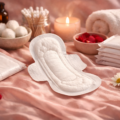
Let’s get real – postpartum bleeding and potential bladder leaks are very common early on. Stocking up on ultra-absorbent pads and adult diapers can give me peace of mind while keeping me comfortable and active with my newborn.
Rest and Relaxation Essentials
Books, magazines, cozy slippers, eye masks, and calming essential oils…I’m gathering little luxuries to help me relax and restore during quiet moments when possible. Even a new soft robe or comfy pajamas can go a long way for self-care.
Frequently Asked Questions
What supplies should I prepare for postpartum recovery?
Useful supplies include comfortable nursing bras and tanks, herbal teas and nutrient-dense snacks, natural skin care products, ultra-absorbent pads and adult diapers, and rest and relaxation items like eye masks, essential oils, cozy slippers, soft pajamas or robes, books, and magazines.
How long will I need postpartum supplies?
It’s a good idea to stock up on at least 2-3 weeks’ worth of key postpartum supplies for the initial recovery period. Postpartum bleeding can last 4-6 weeks, nursing and leakage could continue for months, and self-care is important well beyond that too.
What foods promote postpartum healing?
Nutrient-rich whole foods high in protein and key vitamins and minerals can aid healing after childbirth. Good options include eggs, yogurt, leafy greens, salmon, nuts and seeds, beans and lentils, avocado, berries, broth-based soups, oatmeal, and fresh vegetable juices.
Should I buy disposable or reusable pads?
It’s a personal choice – some women may prefer ultra-absorbent disposable pads and diapers initially for peace of mind, while reusable cloth pads can be more eco-friendly and cost effective long-term once the heaviest bleeding subsides.
What is the most important self-care after giving birth?
Get as much rest as possible, accept help from loved ones, stay hydrated and eat nourishing foods, move gently when you feel up to it, and give yourself grace – growing and delivering a baby is hard work! Prioritize bonding with your baby and your own emotional health.
Hydration Stations and Electrolyte Management
While food is essential, hydration is the silent engine of postpartum recovery. The body loses significant fluids during labor and continues to shed excess water weight while simultaneously working to produce breast milk. I have found that keeping a large, vacuum-insulated water bottle with a straw lid within arm’s reach of every nursing spot is a game-changer. It eliminates the need to get up constantly, which is vital when you are finally settled with a sleeping infant. Furthermore, I am stocking electrolyte powders or tablets. These are not just for athletes; they are incredible for maintaining energy levels during sleepless nights and preventing the headaches that often accompany dehydration in the first two weeks.
Pelvic Floor Support and Targeted Compression
Beyond the basics of pads and diapers, there is a whole category of support gear that can aid physical recovery. Postpartum recovery shorts or high-waisted compression leggings designed specifically for the weeks following birth provide a gentle “hug” to the abdominal muscles. This compression can help stabilize the core, which often feels disconnected or weak after pregnancy. For those who experienced tearing or are dealing with general pelvic floor soreness, a supportive donut cushion or a specialized orthopedic seat pad for the car and home can make sitting significantly less painful. Investing in quality support garments isn’t about “bouncing back” to a pre-pregnancy shape; it is about providing the structural support your muscles need to heal properly while you navigate the demands of childcare.
The “Bedside Caddy” Organization System
The logistics of recovery often mean that your range of motion is temporarily limited. I have begun setting up “recovery stations” in the main rooms where I plan to spend time. These are essentially portable caddies filled with the essentials: a peri bottle, a small stack of clean wipes, a bottle of water, lip balm, my phone charger, and a few snacks. By creating these stations, you avoid the frustration of realizing you forgot something essential while you are already mid-nursing session or holding a fussy baby. This level of preparation minimizes the need to traverse the house repeatedly, allowing you to prioritize rest and minimize physical strain on your recovering body.
Nipple Care and Breastfeeding Logistics
Breastfeeding is a skill that both mother and baby are learning simultaneously, and the initial learning curve can be physically taxing. Beyond nursing bras, I am stocking up on high-quality silver nipple cups or lanolin-free nipple butter to provide a barrier against friction and promote healing. I have also learned that breast pads are not one-size-fits-all; I am keeping both disposable pads for the heavy leakage phase and washable bamboo pads for when things stabilize. Additionally, a hands-free pumping bra is an essential item for my list. Even if you plan to nurse exclusively, having the ability to be hands-free during a pumping session allows you to eat, drink, or tend to other small tasks, which preserves your mental health during the long hours of feeding.
Stool Softeners and Digestive Aids
It is a topic often skipped in polite conversation, but digestive health is a critical component of a smooth postpartum recovery. The combination of hormonal shifts, potential medication, and physical trauma to the pelvic floor can make the first few bowel movements intimidating and uncomfortable. I have consulted with my healthcare provider and ensured I have a gentle stool softener on hand, as well as plenty of fiber-rich snacks like prunes, dates, and chia seeds. Keeping the digestive system moving smoothly prevents unnecessary straining, which is essential for healing stitches and protecting the pelvic floor. It is a simple, practical addition to my supply kit that provides significant relief during those first few days.
Environmental Controls for Sleep and Mood
Sleep is fragmented, so the time you do get must be high quality. I am preparing my sleep environment to be a sanctuary. This includes blackout curtains or a high-quality, comfortable eye mask that doesn’t put pressure on the lashes. I am also using a white noise machine to drown out the sudden, sharp household sounds that can jolt a tired parent awake. For mood regulation, I am keeping a notebook by my bed for “brain dumps.” When the middle-of-the-night anxiety kicks in or I remember a task I need to do, writing it down immediately clears my head and helps me fall back asleep faster. These environmental tools act as a buffer, protecting the small pockets of rest I can manage to secure.
Related posts:
 PHA Bodyweight Workout: Efficient Fitness Anywhere, Anytime
 Surface Anti-Odorant Pads Test
 The Return of Menstrual Pads
 Managing Postpartum Depression
 Minimalist Baby Registry
 Postpartum Party: Molly Sims
 Chrissy Teigen’s Honest Take on Stretch Marks Is Everything We Needed
 The Postpartum Mental Health Crisis No One Talks About