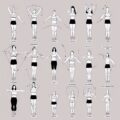

The Importance of Proper Standing Posture
Good posture isn’t just about looking confident and poised – it’s an essential component of our overall health and wellbeing. How we stand impacts our entire body, from our muscles and joints to our internal organs and even our mood. By cultivating proper standing techniques, we can reduce pain, prevent injuries, and boost our energy levels throughout the day.
In this compassionate guide, we’ll explore how to stand with grace and ease, supporting our body’s natural alignment. Rather than forcing ourselves into rigid positions, we’ll focus on gentle adjustments that honor our unique physicality while promoting long-term health.
Finding Your Natural Alignment
The foundation of proper standing posture is finding your body’s natural, neutral alignment. This isn’t about forcing yourself into an uncomfortable position, but rather allowing your body to settle into its innate balance. Here are some gentle cues to help you find this alignment:
- Stand with your feet about hip-width apart, weight evenly distributed
- Soften your knees slightly – avoid locking them
- Let your tailbone relax downward, neither tucked nor arched
- Imagine a string gently lifting the crown of your head toward the ceiling
- Allow your shoulders to relax away from your ears
- Bring your chin parallel to the floor
Take a few deep breaths in this position, noticing how it feels. You may experience a sense of ease and openness. Remember, good posture shouldn’t feel forced or uncomfortable.
Engaging Your Core with Kindness
A strong core is essential for maintaining proper standing posture, but this doesn’t mean holding your abs in a constant state of tension. Instead, think of gently hugging your lower belly in and up, as if you’re zipping up a snug pair of jeans. This subtle engagement provides stability without creating unnecessary strain.
Practice this gentle core activation throughout the day, especially when you catch yourself slouching. Over time, it will become more natural and effortless.
Mindful Movement and Microbreaks
Even with perfect posture, standing in one position for long periods can lead to fatigue and discomfort. Incorporating mindful movement and microbreaks into your standing routine can make a world of difference:
- Shift your weight gently from one foot to the other every few minutes
- Roll your shoulders back and forth
- Take a few steps in place or do some gentle twists
- Practice balancing on one foot for a few seconds, then switch
These small movements help prevent stiffness, improve circulation, and keep your muscles engaged. Remember to move with kindness and listen to your body’s needs.
Creating a Supportive Environment
Our environment plays a crucial role in our ability to maintain proper standing posture. Here are some compassionate ways to set yourself up for success:
- Wear comfortable, supportive shoes when standing for long periods
- Use an anti-fatigue mat if you stand on hard surfaces
- Adjust the height of your workstation to avoid hunching or reaching
- Place frequently used items within easy reach to prevent awkward stretching
- Consider using a standing desk converter to alternate between sitting and standing
By creating an environment that supports good posture, you’re showing care and respect for your body’s needs.
Cultivating Body Awareness
Developing a deeper awareness of your body is key to maintaining proper standing posture. This isn’t about constant self-criticism, but rather a gentle noticing and adjusting. Try these mindfulness practices:
- Set reminders to check in with your posture throughout the day
- Practice body scans, noticing areas of tension or ease
- Use visualization techniques, imagining yourself standing tall and relaxed
- Pay attention to how different postures affect your mood and energy levels
As you become more attuned to your body, you’ll naturally start to adopt healthier standing habits.
Frequently Asked Questions
1. How long does it take to improve standing posture?
Improving your standing posture is a gradual process that varies for each individual. With consistent practice and awareness, you may start to notice improvements within a few weeks. However, significant changes can take several months as your body adjusts and strengthens. Be patient and kind to yourself throughout the journey.
2. Can proper standing techniques help with back pain?
Yes, adopting proper standing techniques can often help alleviate back pain. Good posture reduces strain on your spine and surrounding muscles. However, if you’re experiencing persistent pain, it’s important to consult with a healthcare professional for personalized advice.
3. Should I stand perfectly still when practicing good posture?
No, standing perfectly still for long periods isn’t recommended. It’s natural and healthy for your body to make small movements and adjustments. Incorporate gentle shifts in weight and periodic stretches to maintain comfort and promote circulation.
4. How can I remember to maintain good posture throughout the day?
Building new habits takes time and practice. Try setting reminders on your phone, placing posture-related sticky notes in visible locations, or associating posture checks with regular activities like checking emails. Be gentle with yourself and celebrate small improvements.
5. Is it okay to use posture correctors or braces?
While posture correctors can provide temporary support, they shouldn’t be relied upon long-term. It’s more beneficial to strengthen the muscles that support good posture naturally. If you’re considering using a posture device, consult with a physical therapist or healthcare provider for guidance tailored to your needs.
Remember, cultivating proper standing techniques is an act of self-care. By treating our bodies with kindness and respect, we can create lasting habits that support our overall health and wellbeing. Embrace this journey with patience and compassion, celebrating each small step toward better posture and improved quality of life.