
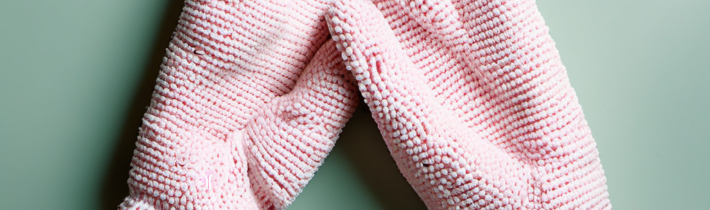
Exfoliating mitts have become a staple in many skincare routines, offering an accessible way to remove dead skin cells and reveal smoother, brighter skin underneath. Unlike chemical exfoliants or mechanical scrubs, mitts provide a gentle yet effective manual exfoliation method that can be used in the shower or bath. However, using them correctly is essential to avoid irritation, over-exfoliation, and damage to the skin barrier. Understanding the proper technique, frequency, and care for your exfoliating mitt can transform it from a potentially harmful tool into a valuable addition to your wellness routine.
Understanding Exfoliating Mitts and Their Function
Exfoliating mitts are textured gloves typically made from materials like sisal, jute, or synthetic fibers designed to slough away dead skin cells through friction. Unlike loofahs, which are often suspended on a cord, mitts fit over your hand, giving you better control and the ability to reach different areas of your body more easily. The textured surface creates gentle abrasion that helps remove buildup without the harshness of some other exfoliation methods.
The primary function of an exfoliating mitt is to improve skin texture and appearance by eliminating the layer of dead cells that accumulate on the skin’s surface. This process can enhance skin brightness, improve product absorption, and promote a more even skin tone. However, the skin barrier plays a crucial role in protecting your body, so aggressive or improper exfoliation can compromise this protective layer, leading to sensitivity, dryness, and irritation.
Preparing Your Skin Before Exfoliation
Before reaching for your exfoliating mitt, proper preparation sets the stage for effective and safe exfoliation. Start by taking a warm shower or bath for five to ten minutes. Warm water softens the outer layer of skin and opens your pores, making dead skin cells easier to remove. This preparation is essential because attempting to exfoliate cold or dry skin can lead to unnecessary irritation and ineffective results.
Apply a gentle cleanser to your skin and rinse thoroughly. You want to remove any makeup, sunscreen, or surface dirt before exfoliating. Exfoliating over a layer of product or debris reduces the mitt’s effectiveness and may trap irritants against your skin. Pat your skin with a towel until it’s damp but not dripping wet. Slightly damp skin provides the ideal surface for exfoliation, allowing the mitt to glide smoothly while creating enough friction to be effective. If your skin is too wet, the mitt will slip around; if it’s too dry, you’ll experience unnecessary tugging and irritation.
Proper Exfoliation Technique and Pressure
Using your exfoliating mitt correctly involves gentle, controlled movements rather than aggressive scrubbing. Wet the mitt with warm water and wring out excess moisture. Begin with light to moderate pressure, using circular or linear motions across your skin. The key is consistency and patience rather than force. Work in sections, starting with your legs, moving to your arms, and finishing with your torso. Many people focus on areas like elbows, knees, and heels where skin tends to be thicker and more prone to dryness.
Use gentle pressure that removes dead skin without causing redness or discomfort. You should feel slight friction but never pain or burning. If your skin turns red or feels sore during exfoliation, you’re applying too much pressure. Each area typically needs only thirty seconds to one minute of exfoliation. Avoid exfoliating sensitive areas like your neck, décolletage, and inner arms unless your skin is particularly resilient. These zones have thinner, more delicate skin and are more prone to irritation.
Pay special attention to traditionally dry areas such as elbows, knees, heels, and ankles, as these benefit most from regular exfoliation. However, always assess your individual skin’s tolerance. If you have conditions like eczema, psoriasis, or active acne, consult a dermatologist before using an exfoliating mitt, as mechanical exfoliation may exacerbate these conditions.
Frequency and Timing Considerations
How often you use an exfoliating mitt depends on your skin type, sensitivity level, and the specific mitt’s texture. For most people with normal to slightly dry skin, two to three times per week is appropriate. Those with oily or resilient skin may tolerate exfoliation four to five times weekly, while people with sensitive or compromised skin should limit use to once or twice weekly. Starting with less frequent exfoliation and gradually increasing frequency allows you to assess how your skin responds.
Consider your overall skincare routine when determining exfoliation frequency. If you’re already using chemical exfoliants like acids or vitamin C serums, reduce mechanical exfoliation frequency to avoid over-exfoliating. Combining too many exfoliation methods overwhelms the skin barrier and increases irritation risk. Timing also matters: avoid exfoliating immediately before or after waxing, shaving, or using other hair removal methods, as your skin barrier will already be compromised.
Listen to your skin’s signals. If you notice increased sensitivity, redness, or dryness, reduce exfoliation frequency. Your skin needs time between exfoliation sessions to repair and regenerate. Rest days allow the skin barrier to strengthen and maintain its natural protective functions.
Post-Exfoliation Care and Hydration
What you do immediately after exfoliation significantly impacts results and skin health. After finishing with your exfoliating mitt, rinse your entire body with lukewarm water to remove any remaining dead skin cells. Avoid very hot water, which can further dry and irritate freshly exfoliated skin. Pat your skin gently with a clean towel, leaving it slightly damp.
Apply a hydrating body lotion, oil, or cream within three minutes of exfoliating while your skin is still slightly damp. This locks in moisture and supports skin barrier recovery. Choose products with hydrating ingredients like glycerin, hyaluronic acid, or ceramides. If you exfoliate in the evening, this is an excellent time to apply a richer night cream or body butter that can work while you sleep.
Avoid applying products with actives like retinoids, acids, or vitamin C immediately after mechanical exfoliation. Your freshly exfoliated skin is more permeable and sensitive, potentially increasing irritation from these ingredients. Wait at least twelve hours before using these products if you exfoliated that morning, or exfoliate in the evening after applying any active treatments.
Choosing and Caring for Your Exfoliating Mitt
Selecting the right exfoliating mitt involves considering material, texture, and your specific skin needs. Sisal mitts offer moderate exfoliation and are durable, making them suitable for most skin types. Jute mitts provide gentler exfoliation and work well for sensitive skin. Synthetic mitts vary in texture but often provide consistent results and are easier to clean than natural fibers. Some people prefer double-sided mitts with varying textures, allowing them to choose lighter or more intensive exfoliation depending on the day.
Proper mitt care extends its lifespan and maintains hygiene. After each use, rinse the mitt thoroughly with warm water and squeeze out excess moisture. Allow it to air dry in a well-ventilated area away from direct sunlight. Never leave a damp mitt crumpled in a bathroom corner, as moisture trapped inside promotes bacterial and mold growth. Hang it on a hook or dry it flat to ensure proper air circulation.
Replace your exfoliating mitt every two to three months, or sooner if it shows signs of wear, deterioration, or persistent odor despite cleaning. Over time, mitts lose their texture effectiveness and accumulate bacteria even with proper care. Washing your mitt weekly in hot water or running it through the washing machine helps maintain cleanliness. Some people prefer having multiple mitts on rotation, ensuring one is always clean and dry.
Addressing Common Exfoliation Mistakes
Many people inadvertently damage their skin through common exfoliation errors. One frequent mistake is exfoliating too aggressively, thinking more pressure yields better results. Over-exfoliation compromises the skin barrier, leading to increased sensitivity, irritation, redness, and dehydration. Another common error is exfoliating too frequently without allowing recovery time. Your skin needs rest days to rebuild and maintain its protective barrier.
Using an exfoliating mitt on already irritated, broken, or sunburned skin worsens inflammation and damage. Wait until your skin has fully recovered before resuming exfoliation. Some people also neglect to hydrate adequately after exfoliation, leading to excessive dryness and a compromised barrier. Skipping moisturizer after mechanical exfoliation is a critical mistake that can undermine the benefits.
Sharing exfoliating mitts spreads bacteria and increases infection risk. Each household member should have their own mitt. Additionally, failing to clean or replace your mitt regularly allows bacteria and fungi to accumulate, potentially causing skin infections or irritation. Finally, assuming one exfoliation method suits all body areas is incorrect. Facial skin requires different (usually gentler) exfoliation than body skin, and you should never use a body exfoliating mitt on your face.
Tailoring Exfoliation to Your Skin Type
Different skin types benefit from adjusted exfoliation approaches. Those with oily skin can typically tolerate more frequent and slightly more intensive exfoliation, usually three to four times weekly. Oily skin tends to be more resilient and often experiences congestion from dead skin cell buildup, making regular exfoliation beneficial.
Normal skin types generally do well with two to three exfoliation sessions weekly using moderate pressure and gentler mitt textures. This frequency maintains smooth skin texture without overwhelming the skin barrier. Dry skin requires gentler, less frequent exfoliation, typically once or twice weekly, using the softest mitt available. Those with dry skin should prioritize intensive hydration after exfoliation and consider exfoliating only two to three times monthly if their skin is particularly sensitive.
Sensitive skin needs special consideration. Use the gentlest mitt texture available, limit exfoliation to once weekly or even less frequently, and apply minimal pressure. Sensitive skin often indicates a compromised barrier, making gentle, supportive care more beneficial than intensive exfoliation. Consider patch testing a new mitt on a small area first to assess tolerance.
Maximizing Results and Long-term Benefits
Consistency provides the foundation for maximizing exfoliation benefits. Using an exfoliating mitt regularly, at an appropriate frequency, yields cumulative improvements in skin texture, brightness, and smoothness over weeks. However, expecting dramatic overnight results sets unrealistic expectations. Most people notice subtle improvements in skin appearance and texture within two to three weeks of consistent, proper use.
Combining exfoliation with other supportive practices enhances results. Sun protection is crucial because newly exfoliated skin is more susceptible to UV damage. Use broad-spectrum sunscreen daily, even after exfoliating the evening before. Staying hydrated by drinking adequate water supports skin health from within. Eating a balanced diet rich in omega-3 fatty acids, vitamins, and antioxidants contributes to skin barrier strength and overall skin health.
Consistency with basic skincare—cleansing, moisturizing, and protecting—matters more than fancy exfoliation techniques. A simple routine performed consistently with a quality exfoliating mitt outperforms sporadic use of expensive treatments. Track how your skin responds over several weeks to determine your ideal exfoliation frequency and technique.
When to Avoid Exfoliating Mitts
Certain situations warrant avoiding exfoliating mitts entirely. If you have active acne, severe inflammation, open wounds, or signs of infection, skip mechanical exfoliation until your skin has healed. People with conditions like rosacea or severe eczema should consult their dermatologist before using exfoliating mitts, as mechanical exfoliation may trigger flare-ups.
Avoid exfoliating if you’ve recently had professional treatments like microdermabrasion, chemical peels, or laser therapy. Your skin needs adequate recovery time before adding additional exfoliation. If you’re taking medications like isotretinoin (Accutane) or using prescription-strength retinoids, check with your dermatologist before exfoliating, as these can increase skin sensitivity.
During flare-ups of skin conditions or periods of extreme stress when your skin barrier is compromised, give exfoliation a break. Your skin communicates when it needs support rather than additional treatment. Respecting these signals prevents damage and maintains long-term skin health.
Exfoliating Mitts for Specific Body Concerns and Problem Areas
While the existing article covers general technique, certain body areas present unique exfoliation challenges that benefit from targeted approaches. Feet and heels represent one of the most common problem zones, where thick, callused skin accumulates rapidly. The skin on heels contains fewer oil glands and lacks the same barrier protection as other body areas, making it prone to severe dryness and cracking. When exfoliating feet, spend extra time on heel areas using slightly more pressure than you’d apply elsewhere, but stop immediately if you feel pain rather than mild friction. Some practitioners recommend pre-soaking feet in warm water with Epsom salts for 10-15 minutes before exfoliation to further soften callused tissue. After exfoliating feet, apply a heavy-duty foot cream or balm containing urea or lactic acid, which continues breaking down dead skin cells chemically while providing intensive hydration. For severely callused heels, consider alternating mechanical exfoliation with chemical foot treatments on different weeks to avoid over-treating delicate foot skin.
Elbows and knees present similarly stubborn areas due to their frequent movement and thicker skin composition. These joints naturally accumulate more dead skin and often appear darker than surrounding skin due to repeated friction and sun exposure. Exfoliating elbows and knees two to three times weekly with moderate pressure yields visible improvements within 4-6 weeks. Focus circular motions directly on these joints, spending 60-90 seconds per area. The skin here can tolerate more intensive treatment than sensitive areas, but avoid aggressive scrubbing that causes visible inflammation. After exfoliating these zones, apply targeted treatments like vitamin C serums or niacinamide products that can help even out discoloration while the skin barrier is receptive.
The back presents logistical challenges since most people cannot easily reach their entire back with an exfoliating mitt. Long-handled mitts or dual-handed techniques help address this area. Many people find that having a partner assist with back exfoliation ensures even coverage and proper technique. Alternatively, body brushes with extended handles solve the reach problem, though they require careful pressure control to avoid over-exfoliation on this sensitive area. The upper back near the shoulders and along the spine tends to accumulate product residue and dead skin, making regular exfoliation beneficial for absorption of back treatments or preventing folliculitis in those prone to body acne.
Upper arms and thighs often develop keratosis pilaris, a common condition characterized by small red bumps from keratin buildup in hair follicles. While exfoliating mitts alone don’t cure keratosis pilaris, they provide temporary smoothing when combined with chemical exfoliants and moisturizers. Exfoliate these areas gently 2-3 times weekly, then immediately apply moisturizer with gentle chemical exfoliants like lactic acid. Some dermatologists recommend this combination approach over mechanical exfoliation alone for keratosis pilaris management, as it addresses both the physical buildup and the underlying keratin plugging.
Environmental and Seasonal Adjustments to Exfoliation Routines
Exfoliation needs shift throughout the year based on environmental conditions and seasonal skin changes. Winter presents unique challenges as cold air, heating systems, and indoor environments strip moisture from skin. During winter months, reduce exfoliation frequency by 25-50% compared to summer routines, and extend post-exfoliation moisturizing application to 5-10 minutes to allow deeper absorption. Winter skin often becomes more sensitive, requiring gentler mitt textures and lighter pressure than your standard routine. However, winter’s dry conditions can also increase dead skin cell accumulation, creating a paradox: your skin needs exfoliation but cannot tolerate it as aggressively. The solution involves lighter, shorter exfoliation sessions combined with intensive hydration and barrier support.
Summer exfoliation can be more frequent due to increased skin oiliness and sweat production that accelerates dead skin cell buildup. However, summer sun exposure increases skin sensitivity, making post-exfoliation sun protection absolutely critical. If exfoliating in the morning during summer, apply broad-spectrum SPF 30+ sunscreen within 15 minutes and reapply every 2 hours if spending extended time outdoors. Summer also brings chlorine exposure from swimming and salt exposure from ocean activities, both of which dry skin and increase exfoliation needs. Exfoliate after swimming to remove chlorine and salt residue, but wait until skin has been rinsed thoroughly and dried to avoid irritation from combining exfoliation with chemical exposure.
Spring and fall represent transitional seasons where skin adapts to changing humidity and temperature. During these transitions, many people experience increased sensitivity or temporary barrier compromise as skin adjusts. Listen to your skin’s signals during seasonal shifts; if you notice unusual dryness, redness, or sensitivity, reduce exfoliation frequency temporarily until your skin stabilizes. Humidity levels significantly impact exfoliation needs—high humidity reduces dead skin accumulation, while dry conditions accelerate it. Those in arid climates may need to reduce exfoliation frequency year-round compared to people in humid environments.
Indoor heating systems during winter and air conditioning during summer both dehydrate skin significantly. These artificial climate controls often cause more skin barrier stress than the actual outdoor temperature. If your home maintains very dry indoor air, reduce exfoliation frequency regardless of season and prioritize hydration. Use a humidifier to maintain 40-60% indoor humidity, which supports skin barrier health and reduces excessive exfoliation needs.
Combining Exfoliating Mitts with Other Body Care Practices
Exfoliating mitts work synergistically with other body care practices, but timing and sequencing matter significantly. Body brushing and exfoliating mitts both provide mechanical exfoliation and should not be used on the same day, as combining them risks over-exfoliation. If you prefer body brushing, use mitts on alternate days or reduce mitt frequency to once weekly if also body brushing. Many practitioners recommend using body brushes for dry skin exfoliation and reserving exfoliating mitts for shower or bath exfoliation when skin is warm and damp.
Shaving and exfoliating require careful timing coordination. Never exfoliate immediately before or after shaving, as both methods remove skin layers and exfoliation on freshly shaved skin causes excessive irritation. Wait at least 24 hours after shaving before exfoliating, allowing the skin barrier to recover. Alternatively, exfoliate 1-2 days before shaving to reduce ingrown hairs by removing dead skin that can trap growing hair. This sequencing approach often reduces irritation and ingrown hair incidence compared to shaving without prior exfoliation.
Hair removal methods like waxing compromise the skin barrier for 24-48 hours, making exfoliation impossible during this window. Plan your exfoliation schedule around hair removal appointments. Some estheticians recommend exfoliating 2-3 days before waxing to prevent ingrown hairs while allowing adequate recovery before waxing. Depilatory creams also sensitize skin temporarily, requiring exfoliation to be postponed until irritation resolves.
Swimming and water exposure interact with exfoliation in complex ways. Chlorine strips natural oils and sensitizes skin, so avoid exfoliating on days you’re heavily chlorinated unless you rinse thoroughly immediately after swimming. Salt water similarly requires post-swim rinsing before exfoliation. Conversely, gentle exfoliation after thorough rinsing helps remove chlorine and salt residue that accumulates on skin. Many swimmers find that exfoliating the day after heavy chlorine exposure, rather than immediately after, provides better results and less irritation.
Understanding Skin Barrier Health and Exfoliation Recovery
The skin barrier functions as a protective layer containing lipids, ceramides, and natural moisturizing factors that prevent water loss and protect against irritants. Exfoliation temporarily disrupts this barrier by removing outer skin cells, which is why recovery time between sessions is crucial. Understanding barrier recovery timelines helps optimize exfoliation frequency without causing cumulative damage. Most dermatologists estimate that the skin barrier requires 24-48 hours to fully recover from mechanical exfoliation, which is why spacing sessions at least 48 hours apart is safer than daily exfoliation.
Barrier damage accumulates gradually with over-exfoliation, often unnoticed until significant sensitivity develops. Early warning signs include tightness immediately after exfoliation that doesn’t resolve within an hour, increased sensitivity to normally tolerated products, or slight itching during or after exfoliation. These signals indicate barrier stress requiring immediate exfoliation frequency reduction and intensive moisturizing. Ignoring these warnings leads to progressive barrier compromise characterized by persistent redness, increased susceptibility to irritation from any product, visible flaking or rough texture, and sometimes transepidermal water loss that creates a perpetually tight, uncomfortable sensation.
Barrier repair requires several targeted interventions beyond simply skipping exfoliation. Apply rich moisturizers with ceramides, cholesterol, and fatty acids that mirror the skin barrier’s natural lipid composition. Products containing these ingredients are specifically designed for barrier repair and work more effectively than general moisturizers during recovery periods. Consider temporarily using products with hyaluronic acid and glycerin, which draw moisture into skin without irritation. Avoid all actives including acids, retinoids, and vitamin C during barrier recovery, as these further compromise the compromised barrier. Recovery typically requires 1-2 weeks of gentle care and intensive moisturizing, though severely damaged barriers may need 4-6 weeks to fully restore.
Individual barrier strength varies significantly based on genetics, age, overall health, and previous skin history. Some people naturally have resilient barriers tolerating frequent exfoliation while others develop sensitivity with regular use. Age also impacts barrier function; skin becomes thinner and more fragile with aging, requiring gentler exfoliation approaches in later life. Those with underlying skin conditions like eczema, rosacea, or psoriasis have inherently compromised barriers requiring more conservative exfoliation approaches even during periods when their condition is inactive.
Exfoliating Mitt Materials: Deep Dive into Texture and Performance
Exfoliating mitt material choices significantly impact exfoliation intensity, durability, and skin compatibility. Sisal fiber, derived from agave plants, represents the most traditional mitt material. Natural sisal offers moderate exfoliation intensity and typically maintains effectiveness for 2-3 months with proper care. Sisal’s somewhat coarse texture works well for resilient skin but may be too intense for sensitive types. Sisal mitts naturally develop softer texture over time as fibers break down, potentially making them better suited to repeated use as they age. However, they also accumulate bacteria more readily than synthetic alternatives and require frequent washing to prevent odor and contamination.
Jute fiber provides gentler exfoliation than sisal while maintaining reasonable durability. Jute mitts work particularly well for sensitive skin, dry skin, and those preferring lighter exfoliation. The fiber naturally feels softer against skin than sisal, reducing irritation risk during technique learning or when using slightly firmer pressure than intended. Jute also dries more quickly than sisal, reducing mold and mildew risk in humid bathrooms. The trade-off involves somewhat shorter lifespan; jute mitts typically last 6-8 weeks before requiring replacement due to fiber degradation.
Synthetic fiber mitts, typically made from polyester or nylon blends, offer consistent texture that doesn’t soften over time like natural fibers. This consistency provides predictable exfoliation intensity but prevents the gentler-with-age benefit of natural fibers. Synthetic mitts dry very quickly, promoting hygiene and preventing bacterial overgrowth. Many include antimicrobial treatments that further reduce contamination risk. The durability of synthetic mitts often exceeds natural alternatives, potentially lasting 3-4 months with proper care. Synthetic options also tend to be less expensive than premium natural fiber mitts, making them accessible for those trying exfoliation for the first time.
Dual-textured mitts featuring different fiber types on each side provide flexibility for adjusting exfoliation intensity without purchasing multiple mitts. Typical configurations include a gentle side for sensitive areas or sensitive-skin days paired with a more intensive side for resilient-skin areas or maintenance exfoliation. This versatility appeals to those with variable skin sensitivity or who exfoliate multiple body areas with different tolerance levels. However, dual-textured mitts still require the same care and replacement frequency as single-sided alternatives.
Less common materials include volcanic pumice-textured synthetic mitts marketed for intense exfoliation, and microfiber mitts designed for gentler application. Volcanic options suit extremely thick, callused skin but risk over-exfoliation for average skin and should be used cautiously. Microfiber alternatives provide very gentle exfoliation suitable for highly sensitive skin or facial use, though they may not provide sufficient exfoliation intensity for those with resilient body skin.
Troubleshooting Common Exfoliation Issues and Unexpected Reactions
Despite following proper technique, some people experience unexpected skin reactions to exfoliating mitt use. Immediate stinging or burning sensations during exfoliation typically indicate excessive pressure or mitt texture too intense for current skin condition. Stop exfoliation immediately, rinse with cool water, and apply soothing moisturizer. This reaction often resolves within 30 minutes but signals the need for technique adjustment—lighter pressure, shorter duration, or gentler mitt texture for future sessions. Persistent stinging despite technique modifications suggests your skin currently cannot tolerate mechanical exfoliation and needs a recovery period before resuming.
Redness persisting beyond 30 minutes after exfoliation indicates barrier stress or excessive exfoliation. This requires reducing frequency and intensity while increasing post-exfoliation moisturizing. If redness doesn’t resolve within 2-3 hours or worsens over the following day, skip the next scheduled exfoliation and focus on barrier repair. Redness accompanied by warmth or swelling suggests possible allergic reaction or infection requiring medical evaluation.
Breakouts or bumps appearing 24-48 hours after exfoliation sometimes occur when exfoliation dislodges bacteria from pores, causing temporary inflammation as skin clears. This typically resolves within 3-5 days and doesn’t require stopping exfoliation. However, if breakouts persist or worsen with continued exfoliation, your skin may be reacting to the specific mitt material or experiencing barrier disruption. Switch to a different mitt texture or reduce frequency to assess whether the reaction was temporary or ongoing.
Excessive dryness despite moisturizing after exfoliation suggests either inadequate moisturizer quantity, incorrect post-exfoliation timing, or exfoliation too frequent for your skin. Ensure you’re applying moisturizer within 3 minutes while skin remains damp—delayed application reduces absorption effectiveness. If dryness persists despite proper technique and adequate moisturizer, reduce exfoliation frequency or switch to a gentler mitt. Severe, persistent dryness unresponsive to these adjustments warrants dermatological evaluation to rule out underlying skin conditions.
Itching during or immediately after exfoliation may indicate sensitivity to the specific mitt material, bacterial overgrowth on the mitt, or excessive exfoliation. First, ensure your mitt is thoroughly cleaned and completely dry between uses. If itching continues with a clean mitt, try a different material type to determine if it’s texture-specific. If the issue persists, reduce exfoliation frequency and assess whether your skin barrier needs recovery time before resuming.
Integrating Exfoliating Mitts into Comprehensive Body Skin Health
While exfoliating mitts address dead skin cell accumulation, comprehensive body skin health requires integrating exfoliation into a broader skincare and wellness framework. Sun protection represents perhaps the most critical complementary practice, as newly exfoliated skin has reduced melanin protection and increased UV sensitivity. Daily broad-spectrum SPF 30+ application, especially on body areas receiving regular sun exposure, prevents photoaging and protects freshly exfoliated skin. Those exfoliating in the morning must wait at least 15 minutes before sun exposure and reapply sunscreen regularly if spending extended time outdoors.
Hydration from within supports skin barrier function and exfoliation results as effectively as topical moisturizing. Adequate water intake—typically 8-10 glasses daily—ensures skin maintains proper hydration levels and can recover effectively from exfoliation. Those in dry climates or engaging in intense exercise may need additional hydration. Interestingly, internal hydration status directly correlates with skin barrier function; chronically dehydrated individuals typically have compromised barriers that tolerate exfoliation poorly regardless of topical care quality.
Nutritional support for skin health enhances exfoliation benefits. Omega-3 fatty acids found in fatty fish, flax seeds, and walnuts support skin barrier lipid production and reduce inflammation. Antioxidant-rich foods including berries, leafy greens, and colorful vegetables protect skin from oxidative stress that impairs barrier function. Biotin, collagen peptides, and vitamin C support skin structure and collagen production, indirectly supporting barrier strength. While nutrition alone doesn’t replace proper exfoliation technique, combining exfoliation with nutritional support yields superior results compared to exfoliation with poor dietary patterns.
Sleep quality affects skin recovery after exfoliation more significantly than many realize. During sleep, skin increases blood flow to the area and prioritizes repair and regeneration. Those exfoliating in the evening benefit from 7-9 hours of quality sleep that allows optimal recovery. Sleep deprivation impairs skin barrier function and increases inflammation, making exfoliated skin more reactive and slowing recovery. Those with inconsistent sleep schedules should consider exfoliating during their most reliable sleep period to maximize recovery time.
Stress management indirectly supports exfoliation success by maintaining skin barrier integrity. Chronic stress triggers inflammatory responses that compromise barrier function and reduce skin resilience to exfoliation. Meditation, regular exercise, adequate sleep, and stress-reduction practices all support skin health and exfoliation tolerance. People with high chronic stress sometimes find their skin suddenly cannot tolerate exfoliation frequency that previously worked well—a sign that stress management deserves priority alongside physical skincare practices.
FAQ
Can I use an exfoliating mitt on my face?
Facial skin is thinner and more delicate than body skin, requiring gentler treatment. While some people use very soft, gentle exfoliating mitts on their face, most dermatologists recommend using dedicated facial exfoliants instead. If you choose to use a mitt on your face, use the absolute gentlest texture, minimal pressure, and reduced frequency—no more than once or twice weekly. Many prefer chemical exfoliants like gentle acids for facial skin and reserve mechanical mitts for body exfoliation.
How do I know if I’m over-exfoliating?
Signs of over-exfoliation include persistent redness that doesn’t resolve quickly, increased sensitivity to touch or products, excessive dryness or flaking, tightness, itching, or a feeling of roughness. If you experience any of these symptoms, reduce exfoliation frequency or intensity immediately. Over-exfoliated skin needs a recovery period with gentle cleansing, hydration, and minimal product use. It can take one to two weeks for the skin barrier to repair with proper care.
Is it better to exfoliate in the morning or evening?
Evening exfoliation is generally preferred because your skin doesn’t immediately encounter environmental stressors like sun exposure and pollution. Exfoliating at night allows your skin to recover while you sleep and reduces irritation risk. If you must exfoliate in the morning, do so at least two hours before sun exposure and apply sunscreen immediately. Morning exfoliation can also enhance product absorption if you’re applying serums or treatments afterward, though evening exfoliation is still typically the safer choice.
Can people with sensitive skin use exfoliating mitts?
Yes, but with modifications. Those with sensitive skin should choose the gentlest mitt texture available, typically soft synthetic or very fine sisal. Limit exfoliation to once weekly or even less frequently, use minimal pressure, and keep sessions brief. Prioritize hydration and barrier support before and after exfoliation. Consider starting with once-monthly exfoliation and gradually increasing frequency only if your skin tolerates it well. If sensitive skin is due to a skin condition, consult a dermatologist first.
What’s the difference between exfoliating mitts and other exfoliation methods?
Exfoliating mitts provide mechanical exfoliation through physical friction, ideal for body skin. Chemical exfoliants like acids work by dissolving dead skin cells and typically suit facial skin better. Loofahs offer similar mechanical exfoliation but are harder to control and dry less easily. Brushes provide targeted exfoliation but can be too harsh for frequent use. Each method has benefits and drawbacks; many people use multiple methods for different areas or combine them with proper spacing to avoid over-exfoliation.
Related posts:
 Signs Your Skin Barrier Is Damaged and How to Fix It
 Exfoliating Body Scrubs That’ll Leave Your Skin Smooth As Butter
 Nail Exfoliation Tips
 Best Exfoliating Treatments
 Protecting Your Skin Barrier
 Skin Fix Exfoliating Pads: A Game-Changer for Your Skincare Routine
 Body Exfoliation Techniques
 Face Exfoliant Selection Guide