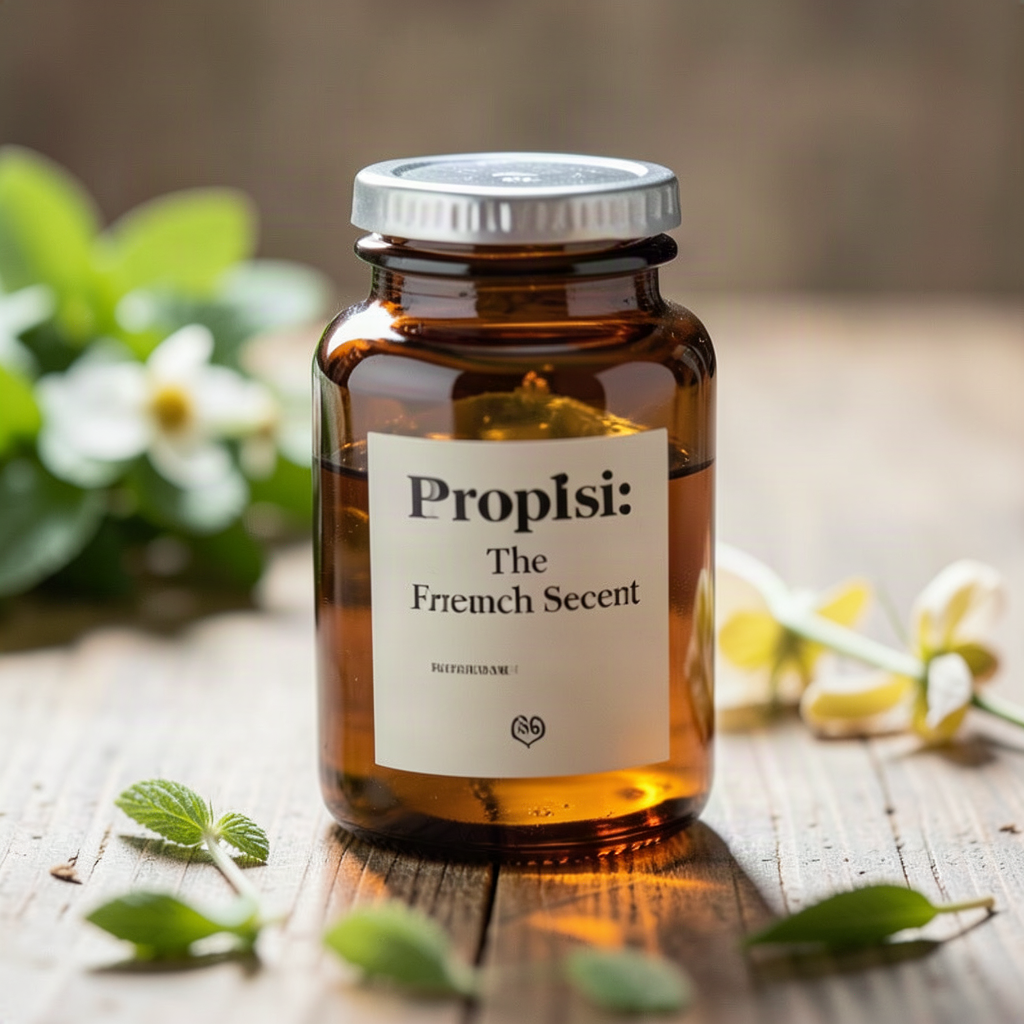
In the quiet, wood-paneled aisles of a Parisian pharmacy, you won’t find the aggressive marketing or neon packaging common in global beauty retailers. Instead, you find a curated selection of time-tested ingredients that prioritize skin health over fleeting trends. Among the thermal waters and botanical oils, there is one humble substance that French women have turned to for generations to maintain a clear, resilient, and glowing complexion: propolis. Often referred to as “bee glue,” propolis is the resinous mixture that honeybees collect from tree buds, sap flows, and other botanical sources. While the world has long celebrated honey and royal jelly, propolis remains the sophisticated “insider secret” of French apitherapy, offering a potent blend of antimicrobial, antioxidant, and healing properties that are uniquely suited to modern skincare needs.
The Science of “Bee Glue”: What Exactly is Propolis?
To understand why propolis is so effective for the skin, we must first look at its role in the beehive. Bees use propolis as a structural sealant, filling small gaps and cracks to protect the hive from external threats such as wind, rain, and pathogens. It is essentially the hive’s immune system. Chemically, propolis is incredibly complex, containing over 300 active compounds. The exact composition varies depending on the geography and the specific plants the bees visit, but it generally consists of 50% resin, 30% wax, 10% essential oils, 5% pollen, and 5% various organic compounds.
The true magic of propolis lies in its high concentration of flavonoids and polyphenols. These are secondary metabolites produced by plants to protect themselves from environmental stress, and when bees process these resins, they create a concentrated serum of protection. Key components like caffeic acid phenethyl ester (CAPE), galangin, and pinocembrin provide the substance with its powerful biological activities. In the context of skincare, these compounds work synergistically to neutralize free radicals, inhibit the growth of harmful bacteria, and accelerate the regeneration of damaged tissue. Unlike synthetic laboratory ingredients, propolis offers a balanced, biocompatible approach to skin health that aligns with the French philosophy of working with nature rather than against it.
The French Pharmacy Heritage: Why Propolis is a Cult Classic
In France, the pharmacy is more than just a place to pick up a prescription; it is a center for dermatological expertise. French skincare culture places a heavy emphasis on the “microbiome” and the skin barrier long before these terms became buzzwords in the global market. Propolis fits perfectly into this heritage because it is a natural antiseptic that does not disrupt the skin’s delicate balance. While harsh chemicals might strip the skin of its natural oils to fight acne, French pharmacists have traditionally recommended propolis-based balms and tinctures to purify the skin while keeping it hydrated and calm.
The popularity of propolis in France is also tied to the country’s long history of apitherapy—the use of bee products for medicinal purposes. From the lavender fields of Provence to the forests of the Jura, French beekeepers have collaborated with laboratories to refine propolis extracts for cosmetic use. Brands like Caudalie, Institut Esthederm, and various artisanal pharmacy labels have integrated propolis into their formulations to address everything from occasional breakouts to the signs of premature aging. It is seen as a versatile “emergency” ingredient that belongs in every French woman’s vanity, ready to soothe a sudden irritation or revive a dull complexion after a long week in the city.
The Ultimate Antioxidant: Shielding Your Skin from the Environment
One of the primary reasons propolis is considered a beauty secret is its exceptional ability to fight oxidative stress. Our skin is constantly bombarded by environmental aggressors, including UV radiation, pollution, and blue light from digital screens. These factors generate free radicals—unstable molecules that break down collagen and elastin, leading to wrinkles, sagging, and hyperpigmentation. Propolis acts as a biological shield, donating electrons to these free radicals to neutralize them before they can cause cellular damage.
The antioxidant capacity of propolis is often compared to high-strength Vitamin C, but with a notable difference: stability and gentleness. While Vitamin C can be prone to oxidation and may cause tingling or irritation for sensitive skin types, propolis is inherently stable and soothing. It doesn’t just prevent damage; it also helps to repair the skin’s DNA and supports the natural production of collagen. For those living in urban environments where smog and dust are a daily reality, a propolis-infused serum provides an invisible layer of defense that keeps the skin looking vibrant and youthful. This “preventative aging” approach is a hallmark of French beauty, focusing on maintaining the skin’s integrity today to ensure its beauty tomorrow.
A Natural Solution for Acne and Blemishes
For many, the struggle with adult acne or occasional blemishes is a source of great frustration. Traditional acne treatments often rely on drying agents like benzoyl peroxide or salicylic acid, which can leave the skin flaky and sensitized. Propolis offers a compelling alternative. Its natural antibacterial properties specifically target *Cutibacterium acnes*, the bacteria responsible for breakouts, without the collateral damage of drying out the surrounding tissue. Because propolis is also a potent anti-inflammatory, it quickly reduces the redness and swelling associated with a pimple, making the blemish less noticeable almost immediately.
Furthermore, propolis is a master of wound healing. It stimulates the growth of new skin cells and increases the rate of epithelialization. This means that if you do have a breakout, propolis helps it heal faster and significantly reduces the likelihood of post-inflammatory hyperpigmentation (the dark spots left behind after a pimple is gone). Practical application often involves using a concentrated propolis ampoule as a spot treatment or incorporating a propolis-based cleanser into a daily routine. By keeping the pores clear and the bacterial population in check, propolis creates an environment where acne is less likely to form in the first place, leading to that coveted “clear skin” look that appears effortless.
Soothing Inflammation and Redness
Sensitive and reactive skin is a common concern, often exacerbated by harsh weather, stress, or over-exfoliation. Propolis is a powerhouse for soothing these conditions. It works by inhibiting the production of pro-inflammatory cytokines, the signaling molecules that trigger redness and heat in the skin. This makes it an excellent choice for individuals dealing with rosacea, eczema, or general sensitivity. When applied topically, propolis creates a protective, breathable film over the skin, locking in moisture and blocking out irritants while the active compounds work to calm the underlying inflammation.
The French approach to soothing skin often involves layering. A thin layer of a propolis-rich essence can be applied under a heavier cream to provide a continuous calming effect throughout the day. This is particularly useful during the transition between seasons—the “entre-deux-saisons”—when the skin is most vulnerable to temperature fluctuations. By reinforcing the skin’s natural barrier and reducing its reactivity, propolis helps to achieve an even skin tone and a smooth texture, providing a calm canvas that requires less makeup to look polished.
How to Choose and Use the Right Propolis Product
Navigating the world of propolis products requires a discerning eye, much like a French consumer reading labels at the *pharmacie*. First, look for the concentration and purity of the extract. High-quality products will often list “Propolis Extract” or “Propolis Cera” near the top of the ingredient list. There are different types of propolis—green propolis from Brazil is famous for its high artepillin C content, while brown propolis from Europe is prized for its high flavonoid count. Both are excellent, but European brown propolis is the traditional choice in French skincare for its balanced, soothing profile.
To incorporate propolis into your routine, start with a targeted serum or ampoule. These formulations usually contain the highest concentration of active ingredients and can be easily layered. Apply the product to damp skin after cleansing and toning to maximize absorption. If you have oily or combination skin, a lightweight propolis gel can provide hydration without heaviness. For dry or mature skin, look for propolis-infused oils or rich creams that combine the resin with other nourishing ingredients like shea butter or squalane. Remember that a little goes a long way; propolis is a potent substance, and even a few drops can provide significant benefits. Always perform a patch test on your inner forearm before full application, especially if you have known allergies to bee stings or pollen.
DIY French Beauty Rituals with Propolis
While professional formulations are convenient, there is a certain charm and efficacy in simple, home-based rituals that mirror the French “art de vivre.” One of the most effective ways to use propolis is in a weekly nourishing mask. You can create a potent treatment by mixing a few drops of a propolis tincture (ensure it is alcohol-free for skincare use) with a tablespoon of raw honey and a teaspoon of plain Greek yogurt. The honey provides humectant properties, the yogurt offers gentle lactic acid exfoliation, and the propolis delivers its concentrated healing power. Apply this to clean skin for 15 minutes before rinsing with lukewarm water.
Another practical tip is to enhance your existing moisturizer. If your skin is feeling particularly stressed or dull, add a single drop of propolis extract to your evening cream in the palm of your hand before applying. This “boosts” the cream’s antioxidant and regenerative capabilities overnight, allowing you to wake up with a more rested and radiant complexion. These small, intentional acts of self-care are what define the French beauty experience—it is not about a 12-step routine, but about knowing your skin and providing it with exactly what it needs at that moment.
The Importance of Ethical Sourcing and Sustainability
As we embrace the benefits of propolis, it is vital to consider the source. The health of our skin is inextricably linked to the health of the planet and, specifically, the health of the bee populations. Ethical beekeeping practices ensure that propolis is harvested in a way that does not harm the colony or deprive the bees of the protection they need for their own survival. French beekeepers who follow organic and sustainable standards often harvest propolis using specialized grids that allow them to collect the resin without disturbing the hive’s internal structure.
When purchasing propolis products, look for brands that are transparent about their sourcing and committed to biodiversity. Supporting companies that invest in bee conservation not only ensures the quality and purity of the propolis you are putting on your skin but also helps protect the vital role that bees play in our ecosystem. Sustainable living is a core value in modern French culture, and choosing ethically produced skincare is a meaningful way to align your beauty routine with environmental stewardship. A true “beauty secret” should be one that benefits both the individual and the world at large.
Advanced Synergy: Layering Propolis with Contemporary Actives
While the existing article touches on the compatibility of propolis with Vitamin C and Retinol, the true sophistication of French skincare lies in the nuanced layering of propolis with a broader spectrum of modern dermatological actives. In the French pharmacy tradition, propolis is often used as a “buffer” or a “potentiator.” For instance, when paired with Niacinamide (Vitamin B3), propolis creates a formidable barrier against urban pollutants. While Niacinamide works to strengthen the lipid barrier and refine pore structure, the resins in propolis provide a physical and biological shield that prevents oxidative particles from settling into those pores. This combination is particularly effective for city dwellers who struggle with “congested” skin that feels both oily and dehydrated.
Another powerful synergy involves Alpha Hydroxy Acids (AHAs) and Beta Hydroxy Acids (BHAs). Chemical exfoliation is a cornerstone of achieving the French *u00e9clat*, but it carries the risk of micro-inflammation. By applying a propolis-rich essence immediately after a glycolic or salicylic acid treatment, you effectively “quench” the inflammatory response before it begins. The caffeic acid phenethyl ester (CAPE) in the propolis acts as a biological switch, turning off the inflammatory signaling pathways that acids can sometimes trigger. This allows for the benefits of deep exfoliationu2014smoother texture and clearer poresu2014without the typical downtime of redness or flaking. For those with particularly stubborn congestion, a technique used by French facialists involves applying a thin layer of BHA, waiting three minutes, and then massaging a propolis oil into the skin. The oil helps to dissolve the sebum loosened by the acid, while the propolis ensures the pore lining remains calm and bacteria-free.
Edge cases also include the use of propolis alongside Copper Peptides. While Copper Peptides are exceptional for skin remodeling, they can be finicky when mixed with strong antioxidants like Vitamin C. Propolis, however, provides a stable, non-reactive antioxidant environment that supports the peptide’s work. This makes it an ideal companion for those focusing on firming and “matrix repair” without the risk of destabilizing their expensive peptide serums. By understanding these interactions, you move beyond simple application and into the realm of custom skin-prescribing, a hallmark of the *pharmacien* expertise.
The Post-Treatment Protocol: Propolis in Professional Recovery
In the realm of French aesthetic medicine, the period following a professional treatmentu2014be it a medium-depth chemical peel, microneedling, or laser resurfacingu2014is known as the “vulnerable window.” During this time, the skin’s natural defense mechanisms are temporarily compromised. Traditionally, French practitioners have leaned toward “Cica” creams (centella asiatica-based), but propolis is increasingly recognized as a superior natural alternative for post-procedure care due to its unique ability to form a “breathable bandage.”
Unlike heavy petroleum-based occlusives which can sometimes trap heat and bacteria against the skin, propolis allows for necessary gas exchange while keeping pathogens out. Its antifungal and antiviral properties are critical during the first 48 hours after microneedling, when thousands of micro-channels are open to the environment. Applying a sterile propolis balm helps to accelerate the “re-epithelialization” processu2014the closing of these channels and the formation of new, healthy skin. This is not merely anecdotal; clinical observations in French dermatology clinics have shown that propolis can reduce the duration of post-laser erythema (redness) by up to 30% compared to standard emollients.
For those performing at-home treatments, such as high-frequency wands or derma-rolling, propolis should be the immediate follow-up. It addresses the “heat” sensation often felt after such treatments by inhibiting the enzymatic pathways that lead to prostaglandin production (the molecules responsible for pain and swelling). In this context, propolis serves as a bridge between medical-grade intervention and botanical healing, ensuring that the skin’s recovery is as rapid and seamless as the treatment itself.
Exploring the Terroir: How French Flora Shapes Propolis Profiles
In France, the concept of *terroir*u2014the environmental factors that affect a crop’s phenotypeu2014is usually applied to wine, but it is equally relevant to propolis. The chemical “fingerprint” of propolis is determined by the specific trees and plants surrounding the apiary. In the northern regions of France and the Loire Valley, bees primarily frequent the European Poplar (*Populus nigra*). This results in “Brown Propolis,” which is exceptionally high in flavonoids like galangin and pinocembrin. This variety is the gold standard for antimicrobial action and is what you will typically find in French pharmacy staples intended for acne and purification.
Conversely, in the southern regions like Provence, bees have access to a more diverse Mediterranean flora, including rockrose (*Cistus*) and various conifers. This can produce a more aromatic, resinous propolis with a higher concentration of diterpenes, which are particularly effective for skin regeneration and anti-aging. Some artisanal French brands now specify the botanical origin of their propolis, allowing consumers to choose a product tailored to their specific needs. For example, a poplar-based propolis is the better choice for a teenager dealing with hormonal breakouts, while a resin-heavy southern propolis is better suited for a woman in her 50s looking to support skin density and elasticity.
Understanding these regional variations also highlights the importance of the “harvest window.” Spring propolis, collected when tree buds are bursting with new growth, tends to be richer in growth-stimulating compounds than propolis collected in late autumn. French apitherapy experts often emphasize that the most potent propolis is that which is harvested during the “prime” of the botanical cycle, ensuring that the resins contain the maximum concentration of the plant’s own “immune system” components. This level of detail is what separates a generic bee product from a high-efficacy French cosmetic.
Scalp Microbiome and Hair Longevity: The Propolis Connection
The French philosophy of beauty does not stop at the hairline. *Le cuir chevelu*u2014the scalpu2014is treated with the same rigor as the face, and propolis is a star ingredient in high-end French hair care. Just as it balances the facial microbiome, propolis is an effective treatment for *Malassezia*, the yeast-like fungus that contributes to dandruff and seborrheic dermatitis. Unlike harsh anti-dandruff shampoos that use coal tar or zinc pyrithione, propolis-infused scalp serums soothe the underlying inflammation while naturally regulating the fungal population.
Beyond dandruff, propolis plays a significant role in hair longevity. Chronic micro-inflammation at the follicle level is one of the leading causes of premature hair thinning and shedding. By applying a propolis tincture or serum to the scalp, you can neutralize the oxidative stress caused by UV exposure and pollution that damages the hair bulb. Furthermore, the high mineral content of propolisu2014including magnesium, calcium, and potassiumu2014provides essential nutrients directly to the site of hair production.
A practical French tip for hair health involves the “pre-shampoo” ritual. Before washing, massage a mixture of a lightweight carrier oil (like jojoba) and ten drops of propolis extract into the scalp. Leave it for twenty minutes. This not only treats the scalp but also creates a protective seal around the base of the hair shaft, preventing the “hygral fatigue” (damage caused by the repeated swelling and contracting of hair when wet) that can lead to breakage. This holistic approach ensures that the hair grows from a healthy, balanced foundation, resulting in the effortless volume and shine that French women are known for.
The Aesthetic of “u00c9clat”: Propolis as a Biological Primer
While much is made of the healing properties of propolis, its immediate cosmetic benefits are often overlooked. In the world of French makeup artistry, propolis is frequently used as a “biological primer” to achieve the coveted *u00e9clat*u2014a natural, lit-from-within glow that avoids the artificial look of heavy highlighters. Propolis has a unique refractive index; because it is a natural resin, it sits on the skin’s surface in a way that diffuses light, blurring minor imperfections and fine lines without the use of silicones.
Moreover, propolis addresses the root cause of dullness: poor surface circulation and accumulated toxins. When applied, it has a mild thermogenic effect that encourages micro-circulation, bringing a fresh supply of oxygenated blood to the skin’s surface. This results in a natural “flush” and a more vibrant skin tone. For those with sallow or tired-looking skin, a propolis-infused mist can be used throughout the day to re-energize the complexion. Unlike water-only mists, which can actually dehydrate the skin as they evaporate, a propolis mist leaves behind a microscopic film of resins and waxes that lock in moisture and maintain that dewy finish.
To use propolis as a primer, mix a drop of propolis oil with your daily moisturizer or a very sheer skin tint. This creates a “grip” for your makeup, helping it stay in place while ensuring the skin beneath remains hydrated and protected. This technique is particularly useful for those with combination skin, as the propolis helps to control oil in the T-zone (thanks to its astringent properties) while providing deep nourishment to the drier areas of the cheeks.
Adaptive Skincare: Navigating the “Entre-Deux-Saisons” with Propolis
The French are masters of seasonal adaptation, particularly during the *entre-deux-saisons*u2014 those volatile weeks between winter and spring, or autumn and winter. During these transitions, the skin often becomes confused; it may produce excess oil in response to indoor heating while simultaneously suffering from windburn and dehydration. Propolis is the ultimate “bio-regulator” for these periods because it is adaptogenic in nature, helping the skin maintain homeostasis despite external fluctuations.
In the transition from winter to spring, the skin often looks congested and “gray.” Propolis helps to detoxify the skin by stimulating lymphatic drainage and clearing out the cellular debris accumulated during the cold months. In the shift from autumn to winter, the focus shifts to barrier reinforcement. During this time, the French approach involves “sealing” the skin. A thicker propolis balm applied over a hyaluronic acid serum creates an impermeable barrier against the first bites of frost, preventing the Trans-Epidermal Water Loss (TEWL) that leads to winter sensitivity.
Edge cases for seasonal use include “skieru2019s face” or “sailoru2019s skin.” For those exposed to extreme wind and reflected UV (from snow or water), propolis provides a level of protection that standard creams cannot match. Its resinous nature makes it somewhat water-resistant and wind-proof. Applying a propolis-heavy concentrate before outdoor activities acts as a sacrificial layer; the wind and cold attack the propolis resin rather than your skin’s delicate lipid barrier. This proactive defense is a classic example of the French “preventative” mindset.
Technical Purity: Understanding Extraction Methods and Bioavailability
To truly understand propolis as a French beauty secret, one must look at the technical side of how it is processed. Raw propolis is a hard, brittle substance that cannot be used directly on the skin. The method of extraction significantly impacts the bioavailability of its active compounds. In high-end French laboratories, there is a move away from traditional high-heat alcohol extractions, which can degrade sensitive flavonoids, toward more advanced methods like “Ultrasound-Assisted Extraction” (UAE) and “Maceration at Low Temperature.u201d
UAE uses sound waves to create microscopic bubbles in the solvent, which then implode and gently break apart the propolis structure, releasing the active resins without the need for damaging heat. This results in an extract that is much closer to the “living” chemistry of the hive. When reading labels, look for terms like “Hydro-Glycerinated Extract” if you have sensitive skin; these use glycerin and water rather than alcohol as a carrier, making the product much more hydrating and less likely to cause the stinging sensation sometimes associated with propolis tinctures.
Furthermore, the bioavailability of propolis is enhanced when it is delivered in a liposomal or nano-emulsion format. Some French brands now encapsulate propolis particles in phospholipids, which allow the large resin molecules to penetrate deeper into the epidermis rather than just sitting on the surface. This is particularly important for anti-aging benefits, as the flavonoids need to reach the deeper layers of the skin to effectively support collagen synthesis. By choosing a product that utilizes these advanced extraction and delivery technologies, you ensure that you are getting the full therapeutic potential of this ancient ingredient, backed by modern French science.
Frequently Asked Questions
Is propolis safe for everyone to use?
While propolis is generally safe for most people, those with known allergies to bees, bee stings, or bee products (like honey or royal jelly) should exercise caution. Additionally, individuals with allergies to poplar tree buds or certain types of conifers—which are common sources of the resins bees collect—may also experience a reaction. It is always recommended to perform a patch test on a small area of skin for 24 to 48 hours before incorporating a new propolis product into your full routine. If you experience redness, itching, or swelling, discontinue use immediately.
Can I use propolis with active ingredients like retinol or Vitamin C?
Yes, propolis is remarkably compatible with other skincare actives. In fact, it can often enhance the effectiveness of your routine while mitigating potential side effects. For example, using propolis alongside retinol can help soothe the irritation and dryness that often accompany retinoid use. When used with Vitamin C, the two antioxidants work together to provide a broader spectrum of protection against free radicals. The key is to layer them correctly: apply your thinner, water-based serums (like Vitamin C) first, followed by your propolis serum, and then your moisturizer.
How long does it take to see results from using propolis?
The timeline for results can vary depending on what skin concern you are addressing. For soothing inflammation and reducing the redness of a blemish, you may see improvements within a few hours to a couple of days. For more systemic benefits, such as improved skin texture, increased radiance, and a stronger skin barrier, consistent use over 4 to 6 weeks is typically required. This timeframe allows for a full cycle of skin cell turnover, letting the regenerative properties of the propolis take full effect.
Is propolis only for people with oily or acne-prone skin?
Not at all. While propolis is famous for its antibacterial properties, its benefits extend to all skin types. For dry skin, it acts as a healing agent that repairs the lipid barrier and prevents moisture loss. For mature skin, its high antioxidant content is invaluable for fighting the signs of aging. Even those with “normal” skin can benefit from the protective and brightening effects of propolis. The trick is to choose the right delivery system—oils and creams for dry skin, and essences or light serums for oily and combination skin.
What is the difference between propolis, honey, and royal jelly?
While all three are produced by bees, they serve different functions and have different chemical profiles. Honey is primarily a food source made from nectar; it is a humectant that draws moisture into the skin. Royal jelly is a nutrient-rich secretion used to feed the queen bee; it is high in amino acids and is often used for its anti-aging and hormonal-balancing properties. Propolis, as the “bee glue,” is the hive’s protective sealant; it has the highest concentration of resins and flavonoids, making it the most potent for antibacterial, antifungal, and antioxidant purposes. In skincare, they are often used together to provide a comprehensive range of benefits.
Related posts:
 Hair Slugging Beauty Trend Guide
 Healthy French Cookout Ideas
 Embracing Arm Hair: Body Positivity Movement
 Blow Drying Hair Without Damage: Expert Tips
 How to French Braid Your Own Hair
 The Bowl Method for Curly Hair
 Ellis Brooklyn’s Bee Fragrance: A Sweet and Sustainable Scent
 Should You Wash Your Hair After Every Gym Session?