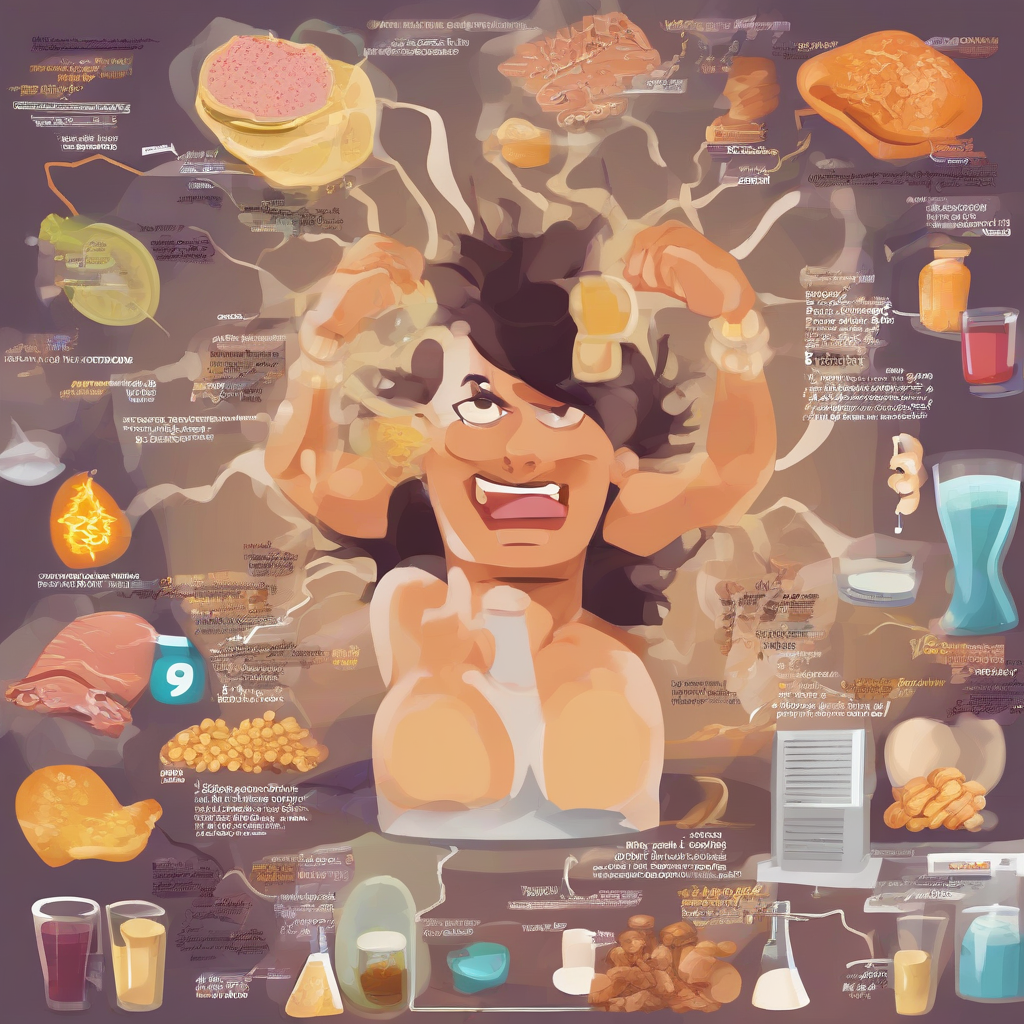
The Hidden Energy Boost in Your Diet
When we think about boosting our energy levels, protein isn’t usually the first nutrient that comes to mind. Most of us reach for quick carbs or caffeine for a pick-me-up. But protein plays a crucial and often overlooked role in sustaining our energy throughout the day. Let’s explore the surprising connection between protein and vitality, and how embracing protein-rich foods can elevate both your physical and mental wellbeing.
Understanding Protein’s Role in Energy Production
Protein is best known as a building block for muscles and tissues. But it’s also a key player in energy metabolism. Here’s how protein contributes to keeping us energized:
- Protein helps stabilize blood sugar levels, preventing energy crashes
- It supports the production of enzymes needed for energy metabolism
- Amino acids from protein can be converted to glucose for energy when needed
- Protein-rich meals promote feelings of satiety, sustaining energy between meals
By incorporating adequate protein into our diets, we’re not just fueling our bodies – we’re setting the stage for steady, sustainable energy to carry us through our days with vitality and focus.
The Compassionate Approach to Protein Power
As we explore the benefits of protein for energy, it’s important to approach our nutrition with kindness and balance. This isn’t about rigidly counting grams or obsessing over macros. Instead, it’s about nourishing our bodies mindfully and joyfully. Here are some compassionate ways to boost your protein intake:
- Experiment with new plant-based protein sources like lentils, chickpeas, or quinoa
- Add a handful of nuts or seeds to your breakfast for a protein boost
- Try incorporating Greek yogurt or cottage cheese as a satisfying snack
- Explore ethically-sourced animal proteins if that aligns with your values
Remember, there’s no one-size-fits-all approach. Listen to your body and choose protein sources that make you feel vibrant and energized.
Protein for Mental Clarity and Emotional Wellbeing
The benefits of protein extend beyond physical energy. Adequate protein intake is also linked to improved mood, focus, and cognitive function. Here’s why:
- Protein provides amino acids needed to produce neurotransmitters like serotonin and dopamine
- Stable blood sugar from protein-rich meals supports consistent mental energy
- Protein helps repair and maintain brain tissues
By nourishing our bodies with protein, we’re also supporting our mental and emotional wellbeing. This holistic approach to nutrition recognizes the profound connection between what we eat and how we feel.
Balancing Protein with Other Nutrients for Optimal Energy
While protein is important for energy, it’s just one piece of the puzzle. True vitality comes from a balanced diet that includes a variety of nutrients. Here’s how to create energy-boosting meals that nourish your whole self:
- Pair protein with complex carbohydrates for sustained energy
- Include healthy fats to support nutrient absorption and brain health
- Don’t forget colorful fruits and vegetables for vital micronutrients
- Stay hydrated – water is essential for all aspects of energy metabolism
By embracing a diverse, balanced diet, we’re not just fueling our bodies – we’re nurturing our overall wellbeing and zest for life.
Mindful Eating for Lasting Energy
As we explore the power of protein for energy, it’s important to remember that how we eat is just as important as what we eat. Mindful eating practices can help us derive more energy and satisfaction from our meals:
- Take time to truly enjoy and savor your food
- Eat without distractions to tune into your body’s hunger and fullness cues
- Practice gratitude for the nourishment your food provides
- Listen to your body’s unique needs and preferences
By approaching our meals with mindfulness and appreciation, we can enhance the energizing effects of our nutrition and cultivate a deeper connection with our bodies.
FAQ: Protein Power and Energy
Q: How much protein do I need for optimal energy?
A: Individual protein needs vary based on factors like age, activity level, and overall health. Generally, most adults need about 0.8 grams of protein per kilogram of body weight daily. However, active individuals may need more. It’s best to consult with a healthcare professional for personalized recommendations.
Q: Can I get enough protein on a plant-based diet?
A: Absolutely! There are many excellent plant-based protein sources, including legumes, nuts, seeds, whole grains, and soy products. With proper planning, plant-based eaters can easily meet their protein needs while enjoying a diverse and nutritious diet.
Q: Is it better to eat protein at certain times of day for energy?
A: While timing isn’t crucial for most people, including protein with each meal and snack can help maintain steady energy levels throughout the day. Some find that a protein-rich breakfast sets them up for sustained energy, while others benefit from protein before or after workouts.
Q: Can eating too much protein be harmful?
A: For most healthy individuals, moderate increases in protein intake are safe. However, extremely high protein diets may stress the kidneys and liver, especially in people with pre-existing conditions. It’s always best to make dietary changes in consultation with a healthcare provider.
Q: How quickly will I notice increased energy from adding more protein to my diet?
A: The effects can vary from person to person. Some people notice improvements in energy and satiety within a few days of increasing their protein intake. For others, it may take a few weeks to fully experience the benefits. Consistency and overall dietary balance are key.
Remember, the journey to better energy through nutrition is a personal one. Be patient with yourself, listen to your body, and celebrate the small positive changes you make along the way. Your body is unique, and finding the right balance of nutrients to support your energy and wellbeing is a beautiful act of self-care.
Related posts:
 High-Protein Diet Risks: Bodybuilder’s Story
 High-Protein Foods Guide
 Protein Water Drinks: The Latest Fitness Trend Explained
 The Protein Question: How Much Do You Really Need?
 The Vitamin Shoppe launched a new plant-based protein powder line
 The Best-Tasting Vegan Protein Powders: Fueling Your Plant-Based Lifestyle
 Healthy Energy Balls vs Protein Bars
 Best Protein Powders for Women