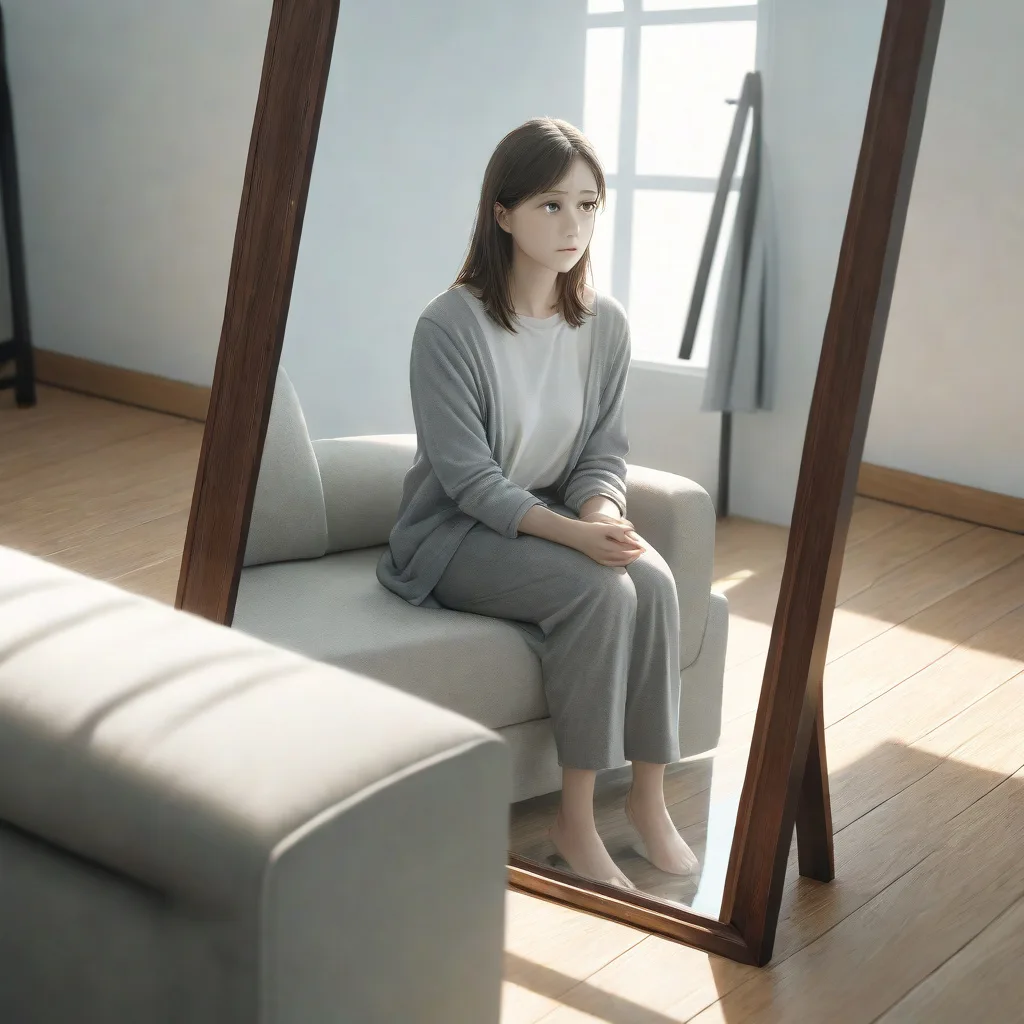
Understanding Body Image: Insights from Psychology
Body image is a complex and deeply personal aspect of our lives that affects people of all ages, genders, and backgrounds. As psychologists delve deeper into this topic, they’re uncovering valuable insights that can help us develop a healthier relationship with our bodies and ourselves. This article explores what psychologists have to say about body image, offering compassionate perspectives and practical advice for fostering a positive self-image.
The Psychology Behind Body Image
Body image refers to how we perceive, think, and feel about our bodies. It’s not just about physical appearance, but also encompasses our beliefs, attitudes, and behaviors related to our bodies. Psychologists emphasize that body image is subjective and can be influenced by various factors, including:
- Cultural and societal norms
- Media representations
- Personal experiences
- Family attitudes
- Peer influences
Understanding these influences can help us recognize where our body image comes from and how we can work towards a more positive self-perception.
The Impact of Negative Body Image
Psychologists have long recognized the detrimental effects of negative body image on mental health and overall well-being. Some consequences of poor body image include:
- Low self-esteem
- Depression and anxiety
- Eating disorders
- Social isolation
- Unhealthy behaviors (e.g., excessive dieting or overexercising)
By addressing these issues, mental health professionals aim to help individuals develop a more compassionate and accepting relationship with their bodies.
Cultivating a Positive Body Image
Psychologists emphasize that developing a positive body image is a journey, not a destination. Here are some strategies they recommend:
- Practice self-compassion: Treat yourself with the same kindness you would offer a friend.
- Challenge negative thoughts: Question and reframe negative self-talk about your body.
- Focus on function over form: Appreciate what your body can do, rather than just how it looks.
- Limit media consumption: Be mindful of the images and messages you expose yourself to.
- Engage in joyful movement: Find physical activities you enjoy, rather than exercising solely for appearance.
Remember, the goal is not to achieve a “perfect” body, but to cultivate a loving and respectful relationship with the body you have.
Body Positivity vs. Body Neutrality
In recent years, psychologists have introduced the concept of body neutrality as an alternative to body positivity. While body positivity encourages loving your body, body neutrality focuses on accepting your body as it is, without the pressure to feel positively about it all the time. This approach can be particularly helpful for those who struggle with the idea of loving their bodies unconditionally.
Body neutrality emphasizes:
- Acknowledging your body without judgment
- Focusing on what your body can do rather than how it looks
- Recognizing that your worth is not tied to your appearance
This perspective can offer a more accessible path to body acceptance for many individuals.
The Role of Therapy in Improving Body Image
For those struggling with severe body image issues, psychologists often recommend therapy as a valuable tool. Various therapeutic approaches can help individuals work through body image concerns:
- Cognitive Behavioral Therapy (CBT)
- Acceptance and Commitment Therapy (ACT)
- Dialectical Behavior Therapy (DBT)
- Body-focused therapies
These approaches can help individuals challenge negative thought patterns, develop coping strategies, and cultivate a more compassionate relationship with their bodies.
Frequently Asked Questions
Q1: How can parents help their children develop a positive body image?
A1: Parents can model positive body talk, emphasize health over appearance, encourage diverse representations of beauty, and foster open conversations about body image and media influences.
Q2: Can social media have a positive impact on body image?
A2: While social media can contribute to negative body image, it can also be a platform for body positivity and diversity. Curating a feed with diverse, body-positive content can help counteract negative influences.
Q3: How does body image affect relationships?
A3: Poor body image can lead to insecurity in relationships, affecting intimacy and self-expression. Conversely, a positive body image can contribute to healthier, more confident relationships.
Q4: Is it possible to completely overcome negative body image?
A4: While completely overcoming negative body image may not be realistic for everyone, it’s possible to significantly improve your relationship with your body through consistent work and self-compassion.
Q5: How can mindfulness practices help improve body image?
A5: Mindfulness can help individuals become more aware of negative thought patterns, reduce judgment, and foster a more accepting relationship with their bodies in the present moment.
Embracing Body Acceptance: A Lifelong Journey
As psychologists continue to explore the complexities of body image, one thing remains clear: developing a positive relationship with our bodies is a lifelong journey. It requires patience, self-compassion, and a willingness to challenge societal norms and personal beliefs.
By understanding the psychological aspects of body image and implementing strategies for body acceptance, we can work towards a more compassionate and fulfilling relationship with ourselves. Remember, your worth is not determined by your appearance, and every body deserves respect, care, and love.
As you navigate your own body image journey, be kind to yourself, seek support when needed, and celebrate the unique and wonderful person you are, inside and out.
Related posts:
 Self-Image: Ideas, Examples and Activities for Improvement
 The Flaws of Body Positivity: Rethinking the Movement
 In Bed with Body Image: How Low Self-Esteem Can Ruin Your Sex Life
 Social Work vs Psychology
 What Does a School Psychologist Do? Responsibilities & Skills
 What is Self-Image and How Do We Perceive Ourselves?
 Your Complete Guide to Body Positivity, Inside and Out
 Reason Number 342 That I’m Glad I’ve Done My Body Image Work