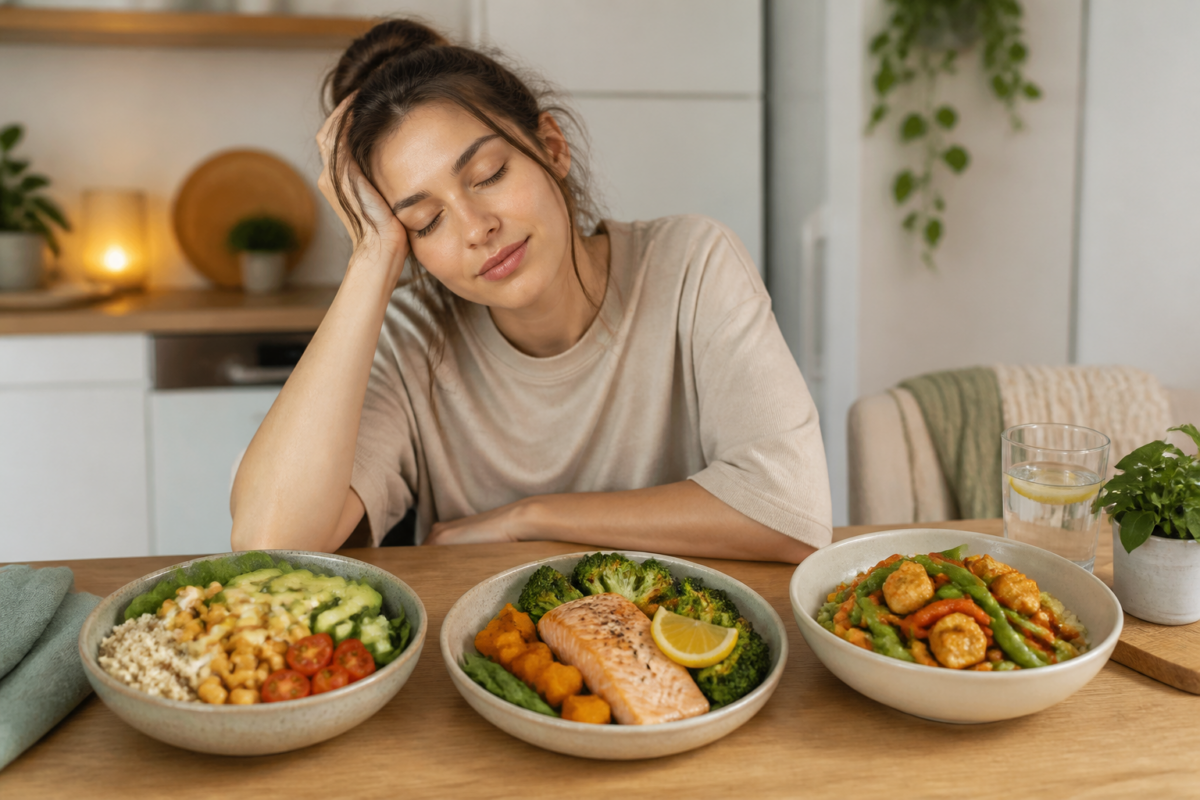
We have all been there: the clock strikes 6:30 PM, your feet are aching, your brain feels like a browser with fifty tabs open, and the very idea of chopping an onion feels like a Herculean task. When your physical and mental batteries are at zero percent, the siren call of delivery apps becomes almost impossible to ignore. However, relying on takeout often leads to a cycle of high-sodium, low-nutrient meals that can actually leave you feeling more sluggish the next morning. The secret to maintaining a healthy lifestyle isn’t about having infinite willpower; it is about having a strategic plan for your lowest-energy moments.
Key takeaways
- Stock your pantry with pre-cooked grains, canned beans, and jarred sauces to create instant meals without complex preparation.
- Use the assembly method to create no-cook dinners, such as rotisserie chicken salads or Mediterranean-style grazing plates.
- Utilize sheet pan and dump-and-bake techniques to cook complete meals with minimal active labor and easy cleanup.
- Upgrade instant convenience foods like ramen or frozen pizza by adding frozen vegetables and protein for better nutrition.
- Prioritize your mental well-being by choosing simple, healthy meals that require minimal dishes or active stove time.
Creating quick healthy dinners when you have zero energy to cook requires a shift in perspective. You are no longer “cooking” in the traditional sense; you are “assembling.” By utilizing high-quality convenience items, frozen essentials, and minimal-prep techniques, you can put a nourishing meal on the table in less time than it takes for a delivery driver to find your house. This guide explores compassionate, practical strategies to feed yourself well, even when you feel you have nothing left to give.
The “Zero-Energy” Pantry: Your Nutritional Safety Net
The foundation of a quick, healthy dinner is laid long before the fatigue sets in. A well-stocked pantry acts as a buffer against poor nutritional choices. When you have zero energy, you shouldn’t have to think about what to buy; you should be able to reach into your cupboard and find the building blocks of a meal. The goal is to keep items that have a long shelf life and require little to no preparation.
Essential Pantry Staples:
- Pre-cooked Grain Pouches: Look for 90-second brown rice, quinoa, or farro. These are often steamed in the bag and provide complex carbohydrates without the 40-minute wait time.
- Canned Beans and Legumes: Chickpeas, black beans, and lentils are instant protein and fiber sources. Opt for low-sodium versions and simply rinse before use.
- Canned Seafood: Wild-caught tuna, salmon, or sardines are rich in omega-3 fatty acids and require zero heat to prepare.
- High-Quality Jarred Sauces: A marinara with no added sugar or a mild Thai curry paste can transform bland ingredients into a cohesive meal in minutes.
- Nut Butters and Seeds: These add healthy fats and satiety to simple dishes like oatmeal or whole-grain toast.
By keeping these items on hand, you eliminate the “decision fatigue” that often leads to ordering pizza. When you are tired, your brain’s executive function is diminished. Having a literal list of these items taped to the inside of your pantry can help you make a choice without having to process complex information.
The Power of the “No-Cook” Dinner
Sometimes, the best way to cook is to not cook at all. The “no-cook” dinner is the ultimate solution for extreme exhaustion. This approach focuses on fresh, raw ingredients or items that have been pre-prepared by the grocery store. It is essentially an “adult lunchable” or a Mediterranean-style grazing plate that hits all the major food groups.
A classic example is the Rotisserie Chicken Feast. Most grocery stores offer hot, pre-cooked chickens. Instead of just eating the meat plain, you can shred it over a bag of pre-washed arugula, add some canned chickpeas, and drizzle with a store-bought balsamic glaze. You have protein, greens, and fiber with zero minutes of actual stove time. Another variation is the Tuna Salad Lettuce Wraps. Mix a pouch of tuna with a dollop of Greek yogurt (for extra protein), some dried dill, and scoop it into large romaine leaves or pre-cut bell pepper halves.
The “Charcuterie Dinner” is another excellent low-energy option. Arrange some deli turkey or smoked salmon, a handful of almonds, some pre-sliced cheese, whole-grain crackers, and raw baby carrots on a plate. It feels indulgent and varied, yet it provides a balance of fats, proteins, and carbohydrates. The key is to ensure you include a significant portion of vegetables—even if they are just raw cucumbers or cherry tomatoes—to keep the meal nutritionally dense.
Sheet Pan Wonders: Minimal Prep, Maximum Nutrition
If you have just enough energy to turn on the oven and toss a few things in oil, the sheet pan dinner is your best friend. The beauty of this method is the “set it and forget it” nature of the cooking process. Once the tray is in the oven, you can sit down, hydrate, or even take a 20-minute rest while your dinner cooks itself.
The Sheet Pan Formula: Choose one quick-cooking protein, one or two non-starchy vegetables, and a healthy fat. Line your pan with parchment paper or aluminum foil for a five-second cleanup—this is crucial for low-energy nights because the dread of doing dishes often prevents us from cooking.
Practical Examples:
- Salmon and Asparagus: Place two salmon fillets and a bunch of trimmed asparagus on the pan. Drizzle with olive oil, lemon juice, and a sprinkle of salt. Bake at 400°F (200°C) for 12-15 minutes.
- Chicken Sausage and Peppers: Slice pre-cooked chicken sausages (which are usually sold in the refrigerated section) and toss them with a bag of frozen tri-color peppers and onions. Roast until the edges are slightly charred.
- Tofu and Broccoli: Press the water out of a block of firm tofu, cube it, and toss with broccoli florets and a splash of soy sauce or tamari. Roast until the tofu is golden.
These meals are effective because they use dry heat to caramelize the sugars in vegetables, making them taste much more flavorful than if they were steamed or boiled, all with almost zero active labor.
10-Minute Grain Bowls for Busy Evenings
The “Bowl” concept has become a staple in healthy fast-casual restaurants for a reason: it is customizable, balanced, and easy to assemble. When you are at home and exhausted, you can mimic this by using a “base, protein, veggie, sauce” framework. Using the pre-cooked grain pouches mentioned earlier, you can have the base of your meal ready in 90 seconds.
For a Southwest Black Bean Bowl, heat a pouch of brown rice and top it with half a can of rinsed black beans, some frozen corn (thawed quickly under warm water), jarred salsa, and a scoop of store-bought guacamole. This meal provides a complete protein profile and plenty of fiber to keep your blood sugar stable, which is important for preventing that late-night energy crash.
Alternatively, try a Mediterranean Quinoa Bowl. Use pre-cooked quinoa as the base. Add canned chickpeas, sliced kalamata olives from a jar, some crumbled feta cheese, and a handful of pre-washed baby spinach. The residual heat from the quinoa will slightly wilt the spinach, making it easier to digest. Top with a squeeze of lemon and a drizzle of olive oil. These bowls are not only quick but are also highly portable if you need to eat while catching up on rest.
Using Kitchen Gadgets to Do the Heavy Lifting
If you own an air fryer, an Instant Pot, or a slow cooker, these are the nights to let them shine. These tools are designed to reduce active cooking time and minimize the need for constant monitoring. For example, the air fryer can cook frozen shrimp or chicken tenders (look for lightly breaded or unbreaded versions) in under 10 minutes, resulting in a crispy texture without the mess of frying.
The Air Fryer “Fajitas” are a lifesaver. Toss frozen sliced peppers and onions with some taco seasoning and strips of chicken breast. Air fry at 375°F for about 10-12 minutes. Serve with whole-wheat tortillas or over greens. The air fryer circulates heat so efficiently that you don’t even need to stir them halfway through if you are truly exhausted.
If you have a slow cooker, the “Zero-Energy” move is actually done in the morning. Throwing a jar of salsa and three chicken breasts into the slow cooker on low for 8 hours means that when you walk through the door at 6:00 PM, your dinner is already finished. You simply shred the chicken with two forks and eat. This requires a small amount of morning energy, but the payoff for your “evening self” is immense. It is an act of kindness toward your future self.
Breakfast for Dinner: A High-Protein Shortcut
Eggs are perhaps the most versatile and inexpensive high-quality protein available. They cook in minutes and are rich in choline and B vitamins, which are essential for brain health. When you are too tired to think about a “proper” dinner, breakfast for dinner is a comforting and nutritious alternative.
A Veggie Scramble is the quickest way to empty your fridge and nourish your body. Sauté a handful of frozen spinach or kale in a pan, crack two or three eggs over them, and scramble until set. Serve with a slice of whole-grain toast or half an avocado. If you want to get slightly more elaborate without the effort, try a “Cheat’s Shakshuka.” Heat some jarred marinara sauce in a small skillet, crack two eggs directly into the sauce, cover with a lid, and simmer until the whites are set. It feels like a gourmet meal but takes less than seven minutes.
Oatmeal isn’t just for breakfast, either. Savory Oats are a rising trend for a reason. Cook plain oats with water or broth, and stir in a spoonful of nutritional yeast or a bit of parmesan cheese. Top with a fried egg and some red pepper flakes. It is warm, comforting, and provides the kind of complex carbohydrates that promote a good night’s sleep.
Healthier Versions of “Lazy” Comfort Foods
Sometimes, we don’t want a grain bowl; we want ramen or pizza. You can honor those cravings while still supporting your health by using the “Add-In” method. This involves taking a standard convenience food and “upgrading” it with nutrients to lower the overall glycemic load and increase the vitamin content.
If you are making a box of Instant Ramen, discard half the seasoning packet to reduce sodium. While the noodles are boiling, drop in a handful of frozen peas, some shredded carrots, and a cracked egg. The egg poaches in the broth, adding protein, while the veggies add fiber and volume. You’ve turned a nutritionally void snack into a balanced meal.
For Frozen Pizza, choose a thin-crust version or one with a cauliflower base. Before putting it in the oven, pile on extra toppings like pre-sliced mushrooms, spinach, or leftover rotisserie chicken. By increasing the ratio of toppings to crust, you make the meal more satiating and nutrient-dense. The goal isn’t perfection; it’s about making the “lazy” choice a little bit better for your body.
The Minimalist Cleanup Strategy
One of the biggest barriers to cooking when exhausted is the thought of the dishes waiting in the sink. To mitigate this, adopt a “minimalist cleanup” mindset. As mentioned, parchment paper is a game-changer for sheet pan meals. For stovetop cooking, try to use a single pot. One-pot pasta dishes—where the noodles, sauce, and veggies all cook together in the same water—are excellent for this.
Another tip is to eat out of the container you prepped in, if appropriate. If you are making a salad, mix it in a large glass bowl that has a lid, so any leftovers can go straight into the fridge. Use compostable paper plates on your absolute lowest-energy days if it means the difference between eating a healthy home-assembled meal and ordering greasy takeout. While we strive for sustainability, sometimes personal sustainability (your mental health) takes priority for one night.
Finally, try the “clean as you wait” technique. If you have 90 seconds while the rice is in the microwave, put the cutting board in the dishwasher. If you have 10 minutes while the salmon roasts, wipe down the counter. Breaking the cleanup into tiny, manageable chunks makes it feel less like a daunting task and more like a natural part of the process.
The “Dump and Bake” Casserole: High-Volume Nutrition with Zero Searing
While sheet pan meals are excellent for roasting, the “dump and bake” method is the ultimate solution for those who want a heartier, more comforting meal without the need to stand over a stove. The primary difference here is the use of a high-sided baking dish and a liquid component, which allows you to cook starches like pasta or grains directly in the oven without boiling them first. This eliminates the need for a colander, a pot, and the energy required to monitor boiling water.
A standout example is the No-Boil Spinach and Ricotta Bake. Simply pour a jar of low-sodium marinara into a 9×13 dish, add half a jar of water, and stir in a box of dry whole-wheat penne or frozen cheese ravioli. Submerge a large bag of frozen spinach into the liquid and dollop whole-milk ricotta across the top. Cover tightly with foil—this is the secret to trapping steam—and bake at 375°F for 40 minutes. The pasta absorbs the tomato water, and the spinach wilts into the sauce, creating a balanced, fiber-rich meal with exactly two minutes of active labor.
For a protein-forward option, try a Salsa Verde Chicken Bake. Place frozen chicken tenderloins (which cook faster than full breasts) in a dish, cover them with a jar of salsa verde and a can of rinsed white beans. Top with a sprinkle of Monterey Jack cheese and bake until the chicken is opaque. The salsa keeps the chicken moist even if you accidentally overcook it, and the beans provide a creamy, high-fiber base that mimics the satisfaction of mashed potatoes without the peeling and boiling.
Mastering the Microwave for Gourmet-Level Nutrition
The microwave is often unfairly relegated to reheating leftovers, but it is actually one of the most efficient tools for “steaming” fresh ingredients while preserving their water-soluble vitamins. When your energy is truly at rock bottom, the microwave can produce a complete, high-protein meal in under eight minutes with zero pans to scrub afterward. The key is using parchment paper or microwave-safe glass containers with vented lids.
One of the most sophisticated zero-energy meals is Microwave Fish En Papillote. Place a white fish fillet (like cod or tilapia) on a large square of parchment paper. Top it with a handful of frozen green beans, a few thin slices of lemon, and a teaspoon of capers or pesto. Fold the paper into a sealed pouch and microwave for 3.5 to 5 minutes depending on the thickness of the fish. The steam trapped inside the pouch cooks the fish and vegetables perfectly in their own juices. When you’re finished, you simply toss the parchment paper away, leaving you with a clean plate and a nourished body.
You can also utilize the microwave for Nutrient-Dense “Mug” Dinners beyond the trend of mug cakes. A savory Mediterranean mug can be made by mixing a half-cup of quick-cooking couscous with a half-cup of vegetable broth, a handful of frozen peas, and some chopped sun-dried tomatoes. Cover and microwave for two minutes, then let it sit for two more. Stir in some canned chickpeas and a crumble of feta. This provides a complex carbohydrate base, plant-based protein, and a serving of vegetables in the time it takes to check your email.
Elevated Canned Seafood: The Omega-3 Power Move
While the original article touched on tuna, the world of canned and tinned seafood (often called ‘conservas’) offers a vast landscape of zero-prep, high-density nutrition. Sardines, mackerel, and smoked trout are nutritional powerhouses, often containing more Vitamin D and Omega-3s than fresh salmon, with the added benefit of being shelf-stable and ready to eat the moment the lid is popped.
For those who find the flavor of sardines intimidating, the “Mashed Umami” Toast is a game-changer. Take a tin of sardines in olive oil, drain half the oil, and mash the fish in a small bowl with a squeeze of lemon and a pinch of red pepper flakes. Spread this over toasted whole-grain sourdough. The lemon cuts through the richness of the fish, and the crunch of the toast provides the necessary texture. Top with pre-washed microgreens or sprouts for a hit of antioxidants. This meal takes three minutes to assemble and provides a level of brain-boosting fats that can help combat the mental fog associated with extreme fatigue.
Another high-protein option is the Smoked Trout Salad. Canned smoked trout has a flaky, mild flavor similar to grilled salmon. Toss it gently with a bag of pre-shredded coleslaw mix (cabbage and carrots) and a dressing made of Greek yogurt and grainy mustard. The cabbage provides a satisfying crunch and is one of the most budget-friendly ways to get cruciferous vegetables into your diet. Because cabbage is sturdier than lettuce, this salad won’t wilt immediately, making it a great option if you need to eat half now and half in an hour.
The “Two-Ingredient” Base Strategy
When decision fatigue is at its peak, even a five-ingredient recipe can feel overwhelming. The “Two-Ingredient Base” strategy simplifies the mental labor by pairing one high-protein convenience item with one high-fiber vegetable base. This creates a nutritional foundation that you can then “accessorize” with whatever condiments you have in the fridge.
Consider the Frozen Gyoza and Stir-Fry Medley. Keep a bag of high-quality frozen vegetable dumplings and a bag of frozen “stir-fry” vegetables (peppers, snap peas, and water chestnuts) in your freezer. Throw them both into a skillet with a splash of water and cover for five minutes. The steam cooks the dumplings and thaws the veggies simultaneously. Finish with a drizzle of store-bought soy-ginger sauce. You have protein, carbohydrates, and at least three types of vegetables in one pan with zero chopping.
Another effective duo is Lentil Soup and Frozen Kale. Take a high-quality boxed or canned lentil soup and, while heating it, stir in two cups of frozen chopped kale. The kale shrinks significantly and loses its tough texture in the hot broth, effectively doubling the fiber and vitamin K content of the soup without changing the flavor profile. This strategy works because it leverages the existing seasoning of the convenience item to flavor the added vegetables, removing the need for you to balance spices or salt levels yourself.
One-Pot Pasta: The Science of Starch and Minimal Cleanup
One-pot pastas are a revelation for the exhausted cook because the pasta water doesn’t get drained; instead, it reduces down into a silky, starch-enriched sauce that coats the noodles. This method requires a specific ratio to ensure the pasta cooks through without becoming a soup: generally, 4.5 cups of liquid for every 1 pound of pasta.
To make a One-Pot Lemon Garlic Linguine, place the dry noodles, four cloves of smashed garlic (buy the pre-peeled kind), a pinch of salt, a splash of olive oil, and the water into a large skillet. Bring to a boil and stir frequently. After about eight minutes, when the water is almost gone, throw in two cups of frozen peas and a handful of parmesan cheese. The residual heat will cook the peas in sixty seconds. The result is a creamy, restaurant-quality pasta that feels like a “real” meal, yet only used one pan and required zero active prep.
For a more robust version, the One-Pot Taco Pasta uses the same principle. Combine dry rotini, a jar of salsa, a can of black beans, and ground turkey (which can be browned in the same pot first or omitted for a vegetarian version). Add just enough water to cover the noodles. As the pasta cooks, the tomato base of the salsa thickens into a zesty sauce. This meal is particularly effective for families because it hides a significant amount of fiber from the beans and lycopene from the cooked tomatoes within a familiar, comforting format.
Plant-Based Shortcuts: Tempeh and Edamame
Vegetarian zero-energy meals often fall into the trap of being too heavy on refined carbs (like plain pasta or grilled cheese). To keep these meals healthy and satiating, you need quick-access plant proteins that don’t require the soaking or long simmering times of dried beans. Tempeh and frozen edamame are the secret weapons of the plant-based pantry.
Tempeh is fermented soy that comes in a firm block. Unlike tofu, it doesn’t need to be pressed. You can simply crumble it with your hands into a pan—it looks and feels like ground meat—and sauté it with a bit of taco seasoning or soy sauce. Use these “tempeh crumbles” to top a pre-washed bag of salad or to fill store-bought hard taco shells. It is incredibly high in protein and probiotics, which support the gut-brain axis, potentially helping to improve your mood and energy levels over time.
Frozen Shelled Edamame is perhaps the most underrated “zero-energy” ingredient. It requires no cooking—only a quick thaw in a bowl of warm water. You can add a cup of edamame to almost any meal to instantly boost the protein content by 18 grams. A favorite low-effort dinner is the Edamame and Soba Noodle Bowl. Soba (buckwheat) noodles cook in just four minutes. Drain them and toss with thawed edamame, a splash of toasted sesame oil, and a bag of shredded carrots. It’s a cool, refreshing, and deeply nourishing meal that requires no real “cooking” beyond boiling a small pot of water.
The “Second-Life” Transformation: Repurposing with Purpose
Sometimes the best way to handle a zero-energy night is to lean on “past you.” However, eating the exact same leftovers three nights in a row can lead to palate fatigue, which is often what drives people to order takeout. The “Second-Life” strategy involves taking a base component from a previous meal and changing its form and flavor profile entirely with less than five minutes of work.
If you have leftover roasted vegetables from a sheet pan dinner, don’t just microwave them. Instead, throw them into a pan with a couple of beaten eggs to create a Frittata. The eggs bind the vegetables together into a new texture, and a sprinkle of feta or goat cheese changes the flavor profile from savory-roasted to bright and tangy. Serve it right out of the pan to keep cleanup minimal.
Similarly, if you have leftover grains like rice or quinoa, turn them into a Quick Fried Rice. Sauté a bag of frozen “peas and carrots” in a skillet, add the cold rice (cold rice actually fries better than fresh), and a couple of scrambled eggs. The high heat of the frying process changes the rice from a soft side dish into a crispy, savory main event. This transformation takes less time than it would take to read a menu, and it ensures that no food—or the energy you spent making it previously—goes to waste.
Strategic Shopping: The “Semi-Homemade” Aisle
Modern grocery stores have recognized the “zero-energy” dilemma and now offer products that sit in the sweet spot between raw ingredients and processed TV dinners. Learning to navigate these “semi-homemade” options can significantly reduce your kitchen labor while keeping your nutrient intake high. Look for items that have been pre-chopped or pre-marinated but are still fresh.
Pre-Spiralized Vegetables (like zucchini noodles or sweet potato ribbons) are a fantastic way to add volume to a meal without the labor of using a mandoline or spiralizer. You can sauté zucchini noodles in two minutes and top them with a high-quality jarred pesto and some pre-cooked frozen shrimp. The shrimp thaw and warm through in the same pan as the noodles, providing a low-calorie, high-protein dinner that feels fancy but was essentially just “heated up.”
Another retail hack is the Pre-Marinated Meat Section. Most butcher counters now offer chicken breasts or pork tenderloins already vacuum-sealed in Mediterranean, Teriyaki, or Garlic-Herb marinades. These are often made with decent ingredients and save you the step of measuring oils, acids, and spices. You can pop a pre-marinated chicken breast into the air fryer or oven alongside a bag of frozen broccoli. The marinade from the meat often leaks out slightly, seasoning the broccoli as it roasts, creating a cohesive flavor profile with zero effort from your spice cabinet. This is the ultimate “autopilot” dinner for those who still want the taste of a home-cooked, marinated meal.
Frequently Asked Questions
Q: Is frozen produce as healthy as fresh produce for these quick meals?
A: Absolutely. In many cases, frozen vegetables and fruits are flash-frozen at the peak of their ripeness, which locks in their vitamins and minerals. Fresh produce often spends days or weeks in transport and on grocery store shelves, losing some nutritional value along the way. Keeping bags of frozen spinach, broccoli, peas, and mixed peppers is one of the smartest ways to ensure you always have access to nutrients without worrying about spoilage.
Q: How can I make these meals taste better without spending time on complex seasonings?
A: The secret lies in “flavor bombs.” Keep a few high-impact condiments in your fridge: balsamic glaze, sriracha, pesto, tahini, or a high-quality mustard. A squeeze of fresh lime or lemon juice at the end of cooking can also brighten a dish instantly. These items provide a lot of flavor for very little effort. Also, don’t underestimate the power of high-quality sea salt and freshly cracked black pepper; they are the foundation of all good flavor.
Q: I’m worried about the cost of pre-cooked grain pouches and rotisserie chickens. Are there cheaper alternatives?
A: While convenience items do have a slight markup, they are almost always cheaper than a single takeout meal. To save money, you can do a “mini-prep” on a day when you do have energy. Cook a large batch of rice or quinoa and freeze it in individual portions. Buy a whole chicken and roast it yourself on Sunday to use throughout the week. However, if the choice is between a $3 grain pouch and a $25 delivery order, the pouch is the clear winner for your budget.
Q: What should I do if I am too tired even to assemble a meal?
A: On those rarest of days, have a “Level Zero” meal. This might be a high-quality protein shake, a bowl of whole-grain cereal with fruit and nuts, or even just peanut butter on whole-wheat toast. The goal is to avoid going to bed hungry or eating something that will make you feel ill. Acknowledge your exhaustion without guilt, eat something simple that provides some protein and fiber, and prioritize getting to sleep so you can feel better tomorrow.
Q: How can I manage my energy levels so I’m not this exhausted every night?
A: While this article focuses on the meals themselves, it’s important to look at the root cause. Are you eating enough during the day? Often, evening “zero energy” is a result of undereating at lunch or skipping snacks, leading to a blood sugar crash. Try to include protein and healthy fats in your mid-afternoon snack to bridge the gap to dinner. Additionally, staying hydrated throughout the day can significantly impact your perceived energy levels by the time you get home.
Related posts:
 High-Protein Foods That Pack a Serious Nutritional Punch
 Vegetable-Rich Dinner Ideas
 Easy Trader Joe’s Dinner Ideas
 15-Minute Dairy-Free Dinner Ideas
 Master the Art of Cooking for One Without Losing Your Mind
 Delicious Ground Chicken Recipes
 NYC’s Healthiest Meal Delivery Services That Actually Taste Amazing
 The Meal Prep Master Class That Will Save You Hundreds Every Month