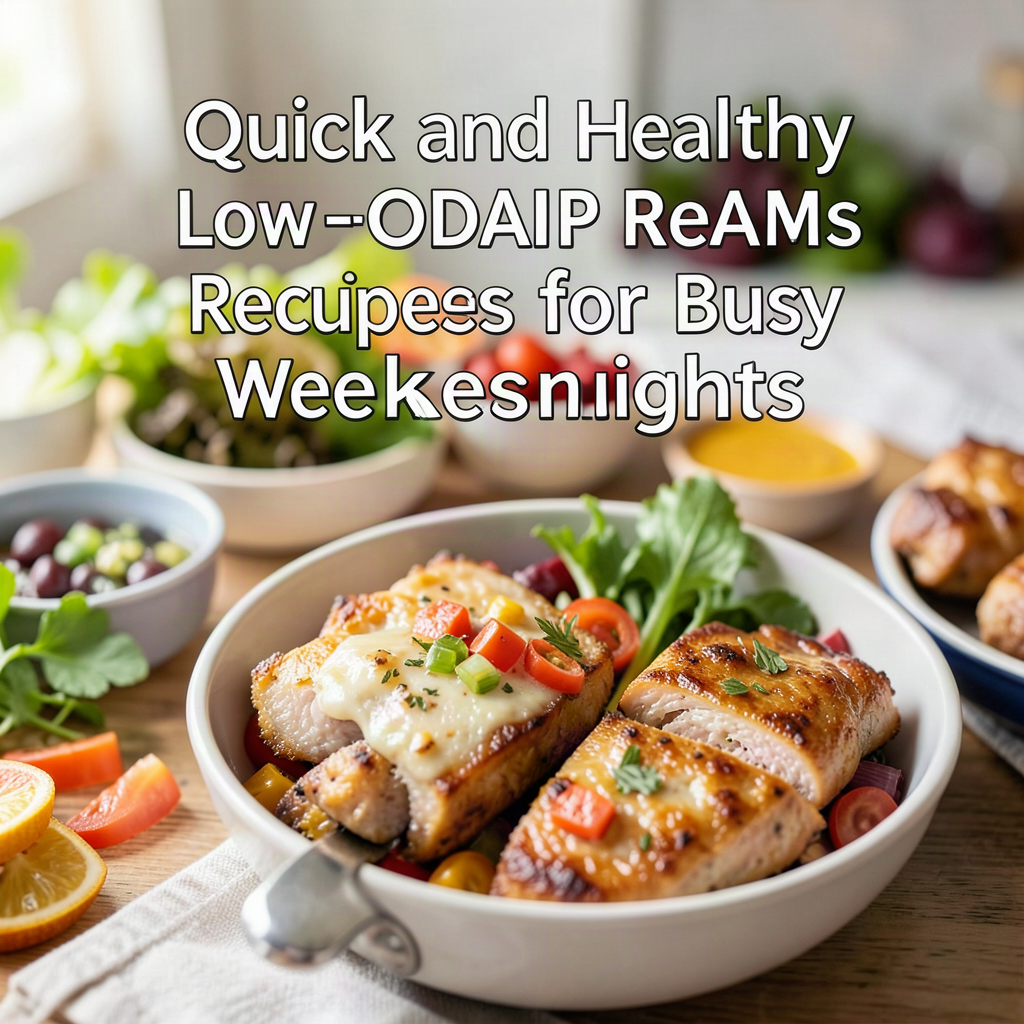
Navigating the complexities of a low-FODMAP diet can often feel like a full-time job. When you are managing Irritable Bowel Syndrome (IBS) or other functional gastrointestinal disorders, the simple act of preparing dinner can become a source of anxiety. You find yourself scrutinizing every label, questioning every seasoning, and often defaulting to the same three bland meals just to stay safe. However, a restricted diet does not have to mean a restricted life, nor does it require hours of labor in the kitchen. For the busy professional, the overwhelmed parent, or anyone balancing a hectic schedule, the key to success lies in mastering quick, healthy, and flavor-forward low-FODMAP recipes that can be whipped up in 30 minutes or less.
The low-FODMAP protocol, developed by researchers at Monash University, is designed to identify personal triggers by temporarily reducing the intake of fermentable carbohydrates. These include Fermentable Oligosaccharides, Disaccharides, Monosaccharides, and Polyols. While the science is robust, the practical application often feels daunting. This guide aims to bridge that gap, providing you with a roadmap for weeknight success. We will explore essential pantry staples that save time, techniques for infusing flavor without the use of garlic and onions, and a collection of nutrient-dense recipes that will leave both your gut and your taste buds satisfied.
Understanding the Low-FODMAP Approach to Quick Cooking
To succeed with quick weeknight meals, it is vital to understand why certain ingredients are swapped out. The primary challenge in low-FODMAP cooking is the absence of the “aromatic duo”: garlic and onions. These are high in fructans, which are common triggers for bloating and gas. In a traditional kitchen, these provide the base for almost every savory dish. To cook quickly without them, we must look for alternative ways to build depth of flavor rapidly.
One of the most important concepts to grasp is the use of infused oils. Fructans (the FODMAPs in garlic and onion) are water-soluble but not oil-soluble. This means you can use garlic-infused olive oil to get that characteristic pungency without the digestive distress, provided the oil is well-strained and contains no actual pieces of garlic. Additionally, focusing on the green tops of spring onions or leeks allows you to maintain that savory profile safely. By shifting your focus from slow-cooked aromatics to bright acids (like lemon juice), fresh herbs, and safe spices, you can create complex flavors in a fraction of the time.
Essential Low-FODMAP Pantry Staples for Speed
A well-stocked pantry is the foundation of any 20-minute meal. When you don’t have to run to the store for a specific safe sauce, your stress levels drop significantly. For the low-FODMAP cook, certain items are non-negotiable. First, ensure you have a variety of gluten-free grains that cook quickly. Quinoa, white rice, and gluten-free pasta (specifically those made from brown rice or corn) are excellent choices. While the diet is not strictly gluten-free, wheat is high in fructans, so these alternatives are usually the safest bet.
Next, focus on your flavor agents. Keep a bottle of high-quality garlic-infused olive oil, soy sauce (or tamari for gluten-free), and maple syrup on hand. Maple syrup is a fantastic low-FODMAP sweetener that balances salty or acidic sauces. Canned goods can also be lifesavers; canned lentils and chickpeas are safe in small quantities (usually 1/4 cup) if they are rinsed thoroughly, as the FODMAPs leach into the canning liquid. Finally, stock up on dried herbs like oregano, basil, and thyme, as well as spices like cumin, smoked paprika, and turmeric. These allow you to pivot between Mediterranean, Mexican, and Indian-inspired flavors in an instant.
Fast Low-FODMAP Protein Prep Techniques
Protein is the anchor of a healthy dinner, but it often takes the longest to cook. To keep weeknights manageable, opt for “fast-fire” proteins. Thinly sliced chicken breast, shrimp, firm tofu, and white fish like cod or tilapia cook in under ten minutes. If you prefer beef, choose ground beef or thinly sliced sirloin for stir-fries.
Another technique is the “prep-ahead” method. While this article focuses on quick recipes, taking 15 minutes on a Sunday to portion out your proteins can save 15 minutes every night of the week. Marinating your proteins in a simple mixture of olive oil, lemon zest, and safe herbs (like rosemary or dill) while they sit in the fridge ensures they are ready to hit the pan the moment you walk through the door. Remember that plain meats and eggs are naturally low-FODMAP, so the risk only enters when you add seasonings or breading.
Recipe 1: 15-Minute Lemon Herb Salmon and Asparagus Tips
This recipe is a powerhouse of Omega-3 fatty acids and requires minimal cleanup. The secret to keeping it low-FODMAP is the portioning of the asparagus. While large amounts of asparagus are high in fructose, Monash University guidelines suggest that 12 grams (about 5 spears, specifically the tips) are generally well-tolerated by most individuals.
Ingredients:
– 2 salmon fillets (6 oz each)
– 10 asparagus spears, woody ends removed (use mostly the tips)
– 1 tablespoon garlic-infused olive oil
– 1 tablespoon fresh lemon juice
– 1 teaspoon dried oregano
– Salt and pepper to taste
Instructions:
Preheat your oven to 400°F (200°C). Line a baking sheet with parchment paper. Place the salmon fillets and asparagus tips on the sheet. Drizzle both with the garlic-infused oil and lemon juice. Sprinkle with oregano, salt, and pepper. Bake for 12-15 minutes until the salmon flakes easily with a fork. This dish is vibrant, light, and perfectly suited for a late-night dinner when you want something nutritious but not heavy.
Recipe 2: One-Pan Chicken and Zucchini Skillet
One-pan meals are the holy grail of busy weeknights. This skillet dish uses common vegetables that are low-FODMAP in moderate portions. Zucchini is safe up to 65 grams (about 1/3 cup), making it a great addition for texture and volume without the bloat.
Ingredients:
– 1 lb chicken breast, cut into 1-inch cubes
– 1 medium zucchini, sliced into half-moons
– 1 red bell pepper, chopped
– 2 tablespoons green parts of spring onions, chopped
– 1 teaspoon smoked paprika
– 1/2 teaspoon dried thyme
– 2 tablespoons olive oil
Instructions:
Heat the olive oil in a large skillet over medium-high heat. Add the chicken cubes and cook until browned on all sides, about 5-7 minutes. Add the zucchini and red bell pepper to the pan. Season with smoked paprika, thyme, salt, and pepper. Séauté for another 5 minutes until the vegetables are tender-crisp. Stir in the green parts of the spring onions right at the end to maintain their bright color and flavor. Serve as is for a low-carb option, or over a bed of white rice for a more filling meal.
Recipe 3: Quinoa and Roasted Veggie Grain Bowl
Grain bowls are incredibly versatile and excellent for using up whatever is in your crisper drawer. Quinoa is a complete protein and naturally low-FODMAP, making it an ideal base for a healthy vegetarian or vegan dinner.
Ingredients:
– 1 cup cooked quinoa
– 1/2 cup carrots, diced
– 1/2 cup Japanese pumpkin (Kabocha) or butternut squash (keep butternut to 1/4 cup)
– 1 tablespoon pumpkin seeds (pepitas)
– 1 tablespoon tahini (safe at 2 tablespoons per serving)
– Lemon wedge
Instructions:
If you have pre-cooked quinoa, this meal comes together in minutes. If not, quinoa only takes 12 minutes to boil. While the quinoa cooks, quickly séauté the carrots and pumpkin in a pan with a little oil until soft. If you prefer roasting, you can toss them in the oven at 400°F for 20 minutes. Assemble the bowl by placing the quinoa at the bottom, topping with the cooked vegetables and pumpkin seeds. For the dressing, whisk the tahini with a little water and lemon juice until it reaches a drizzling consistency. This bowl is rich in fiber and healthy fats, providing sustained energy throughout the evening.
Recipe 4: Ginger-Soy Beef and Bok Choy Stir-Fry
Stir-frying is perhaps the fastest cooking method available. By using high heat and thin cuts of meat, you can have a restaurant-quality meal on the table faster than a delivery driver could arrive. This recipe focuses on ginger and soy for a punchy, savory profile.
Ingredients:
– 1/2 lb flank steak or sirloin, thinly sliced against the grain
– 2 cups baby bok choy, chopped (green parts and stalks separated)
– 1 tablespoon fresh ginger, grated
– 2 tablespoons soy sauce (or tamari)
– 1 teaspoon toasted sesame oil
– 1 tablespoon peanut oil or vegetable oil
Instructions:
Heat the peanut oil in a wok or large skillet until very hot. Add the beef slices in a single layer and sear for 1-2 minutes per side until browned. Remove the beef from the pan. Add the white stalks of the bok choy and the grated ginger. Stir-fry for 2 minutes. Add the green leaves of the bok choy and return the beef to the pan. Drizzle with soy sauce and sesame oil. Toss everything together for 1 minute until the leaves have wilted. Serve immediately over rice noodles or steamed rice. The ginger provides a digestive boost and a warming heat that replaces the need for garlic.
Time-Saving Tips for Low-FODMAP Meal Prep
Efficiency in the kitchen isn’t just about how fast you can chop; it’s about the systems you put in place. To make low-FODMAP cooking sustainable, consider the “cook once, eat twice” philosophy. Whenever you boil rice or quinoa, make a double batch. Grains stay fresh in the fridge for 3-4 days and can be transformed into fried rice or a cold salad the following night.
Another tip is to utilize your freezer. Many low-FODMAP vegetables, like green beans, carrots, and spinach, can be bought frozen. These are often pre-washed and pre-cut, saving you valuable prep time. Furthermore, consider making a large batch of a “master sauce” on the weekend. A blend of olive oil, lemon juice, maple syrup, and Dijon mustard (check for no onion/garlic powder) can be used as a salad dressing, a marinade for chicken, or a glaze for roasted vegetables. Having these components ready to go reduces the cognitive load of decision-making after a long day at work.
Navigating Hidden FODMAPs in Store-Bought Sauces
One of the biggest pitfalls for busy cooks is the “hidden” FODMAP. Many pre-made stir-fry sauces, pasta sauces, and spice blends contain onion and garlic powder. Even “natural flavors” can sometimes hide these triggers. When shopping for convenience, look for certified low-FODMAP brands which carry a seal of approval from Monash University or FODMAP Friendly.
If you cannot find certified products, read the label carefully. Avoid anything containing honey, agave, high-fructose corn syrup, inulin, chicory root, or “spices” (unless specified). It is often safer and faster to make a simple 3-ingredient sauce at home than to spend 10 minutes in the grocery aisle deciphering a complex label. A simple mix of oyster sauce (check ingredients), soy sauce, and a splash of rice vinegar is almost always safer than a bottled “Teriyaki” sauce that likely contains garlic puree.
Mastering the “Breakfast-for-Dinner” Pivot
When the workday stretches long and your energy for complex chopping is depleted, the “breakfast-for-dinner” strategy is a low-FODMAP lifesaver. Eggs are a naturally FODMAP-free protein source that cook in minutes, providing high bioavailability and essential nutrients like choline. However, the key to making this feel like a substantial dinner rather than a hurried snack lies in the vegetable and carbohydrate pairings. A classic omelet can be elevated by incorporating sautéed spinach, firm common tomatoes (which are low-FODMAP in 65g servings), and a sprinkle of feta cheese. Feta is a lower-lactose cheese, and according to Monash University, a 40g serving is well-tolerated by most individuals with IBS.
For those who crave a savory-sweet balance, consider low-FODMAP French toast. Use two slices of true sourdough bread; the fermentation process used by traditional bakeries significantly reduces the fructan content of the wheat, often making it safe for those on the elimination phase. Dip the bread in a mixture of egg, a splash of lactose-free milk, and cinnamon. Fry in a pan with a small amount of butter or coconut oil. Top with a handful of blueberries and a drizzle of maple syrup—both of which are safe in standard servings. This meal provides the comfort of a home-cooked dinner with virtually zero prep time, ensuring you stay within your digestive boundaries while satisfying your hunger.
Another breakfast-inspired dinner is the savory oat bowl. While many associate oatmeal with sugar and fruit, steel-cut or rolled oats (safe at 1/2 cup cooked) serve as an excellent base for savory toppings. Stir in a teaspoon of nutritional yeast for a cheesy flavor without the dairy, and top with a fried egg and sliced common tomatoes. The soluble fiber in oats can be particularly soothing for certain IBS subtypes, provided you stick to the recommended portions. This pivot allows you to utilize items already in your fridge without the stress of following a multi-step evening recipe.
The Air Fryer Advantage for Low-FODMAP Crisping
The air fryer has revolutionized quick cooking, and for the low-FODMAP chef, it is an indispensable tool for achieving texture without long roasting times. One of the most common complaints about low-FODMAP meals is that they can feel “mushy” due to the reliance on steamed or boiled components. The air fryer solves this by providing a crispy exterior on proteins and vegetables in under 15 minutes. For a rapid weeknight meal, consider air-fried chicken thighs. Unlike breasts, thighs remain juicy even at high heat. Season them with a rub of smoked paprika, dried oregano, and salt. Place them in the air fryer at 400°F (200°C) for 12-15 minutes. The skin becomes remarkably crisp, providing a sensory satisfaction that mimics deep-fried foods without the heavy fats that can sometimes trigger GI distress.
Vegetable side dishes also thrive in this environment. Common potatoes are a low-FODMAP staple because they contain no detectable FODMAPs. You can toss cubed potatoes in garlic-infused olive oil and rosemary, then air fry them for 15 minutes until golden. This eliminates the 45-minute wait for a traditional oven roast. For a more adventurous side, try air-fried oyster mushrooms. While many mushrooms (like button or portobello) are high in mannitol or sorbitol, oyster mushrooms are low-FODMAP in servings up to 75g. They develop a meaty, savory texture when air-fried, making them a perfect accompaniment to any lean protein.
Edge cases in air frying involve breading. Traditional breadcrumbs are usually high-fructan wheat products. To achieve a “breaded” effect safely, use crushed gluten-free cornflakes or a mixture of almond meal (staying under the 24g threshold) and parmesan cheese. This creates a crunchy coating for chicken tenders or firm tofu blocks that satisfies the craving for texture while keeping the meal light and gut-friendly. The speed of the air fryer also means you can cook in batches, ensuring that a family of four can have a hot, safe meal on the table in the same time it takes to preheat a conventional oven.
Expanding the Seafood Palette: Shrimp and White Fish
While salmon is a popular choice, expanding your repertoire to include shrimp and white fish like cod or tilapia can prevent “palate fatigue.” Seafood is inherently low-FODMAP, but the danger lies in the marinades and sauces. Shrimp is a particularly powerful ally for the busy cook because it thaws in minutes under cold water and cooks in less than 180 seconds. A simple “Shrimp Scampi” can be made low-FODMAP by using a generous amount of garlic-infused olive oil, red pepper flakes, and a splash of white wine (which is low-FODMAP in 150ml servings). Toss the cooked shrimp with gluten-free spaghetti or over a bed of baby spinach that wilts under the heat of the pan.
White fish fillets, such as cod, are excellent for “en papillote” (parchment paper) cooking. This method steams the fish in its own juices, ensuring it remains moist. Place a cod fillet on a square of parchment, add a few slices of lemon, a sprig of fresh dill, and a handful of green beans (safe at 75g). Fold the paper into a sealed pouch and bake for 10-12 minutes. The result is a complete, aromatic meal with zero cleanup. This technique is especially useful for those who find the smell of cooking fish overpowering, as the pouch contains the aroma until it is opened on the plate.
When selecting seafood, be mindful of processed options like imitation crab (surimi), which often contains wheat starch or sorbitol as a sweetener. Always opt for fresh or plain frozen fillets. If you are using canned seafood, such as tuna or sardines, check the label for added vegetable broths that might contain onion or garlic. Plain tuna canned in spring water or olive oil is a perfect high-protein base for a quick salad when mixed with a low-FODMAP mayonnaise, chopped cucumber, and the green tops of chives.
Building Deep Umami Without Onions or Garlic
The most significant hurdle in low-FODMAP cooking is replacing the “savory” depth usually provided by aromatics. To overcome this, we must look toward other sources of umami—the fifth taste. One of the most effective tools is miso paste. While made from soy, a 12g (about 2 teaspoons) serving of red or white miso is low-FODMAP. It can be whisked into soups, used as a glaze for carrots, or mixed into a salad dressing to provide a fermented, salty complexity that mimics the depth of slow-cooked onions. Similarly, nutritional yeast offers a nutty, cheesy flavor profile that is completely dairy-free and FODMAP-safe, making it a staple for vegan and vegetarian low-FODMAP diets.
Another secret weapon is the use of seaweed, specifically nori or dulse flakes. These provide a briny, savory note that enhances rice dishes and stir-fries. For a quick flavor boost, try a “low-FODMAP furikake” by mixing toasted sesame seeds, shredded nori, and a pinch of sea salt. Sprinkle this over plain white rice or grilled fish to instantly elevate the dish. Additionally, don’t overlook the power of hard cheeses like Parmesan or Pecorino Romano. Because they are aged, the lactose is naturally broken down, and a small amount provides a massive hit of savory flavor to pastas and roasted vegetables.
Acid also plays a crucial role in flavor perception. When a dish feels flat, it often needs acid rather than more salt. Rice vinegar, red wine vinegar, and lime juice are all low-FODMAP and can “brighten” a dish, making the other flavors pop. For example, a splash of rice vinegar in a beef stir-fry can cut through the richness of the meat, while lime juice is essential for balancing the heat in Mexican-inspired dishes. By layering these umami and acidic components, you create a sophisticated flavor profile that ensures you never feel like you are eating “restricted” food.
Plant-Based Speed: Tempeh and Canned Legume Mastery
For those following a vegetarian or vegan low-FODMAP diet, protein can be a challenge, but tempeh and specific canned legumes offer a fast solution. Tempeh is made from fermented soybeans; the fermentation process reduces the GOS (galacto-oligosaccharides) content, making a 100g serving safe for most. Tempeh has a firm, nutty texture that holds up well to slicing and searing. For a 15-minute meal, crumble tempeh into a pan with some cumin, coriander, and a splash of soy sauce to create a “taco meat” alternative. Serve this in corn tortillas (usually safe in 2-tortilla servings) with fresh cilantro and a small amount of avocado (safe at 30g).
Canned legumes are another time-saver, but they must be handled correctly. The FODMAPs in beans and lentils are water-soluble, meaning they leach into the canning liquid over time. By discarding the liquid and rinsing the beans thoroughly under cold water, you significantly reduce the FODMAP load. Canned lentils are safe at 46g (about 1/4 cup), and canned chickpeas are safe at 42g. While these portions seem small, they are excellent for adding bulk and fiber to a salad or a quick soup. For a fast dinner, mix 1/4 cup of rinsed chickpeas into a Mediterranean salad of cucumbers, olives, and feta.
Tofu is another versatile protein, but it must be the “firm” or “extra-firm” variety. Silken tofu is high in GOS because the water (and the FODMAPs) has not been pressed out. To cook firm tofu quickly, press it between paper towels for 5 minutes to remove excess moisture, then cube it and sear it in a hot pan with sesame oil. It absorbs flavors beautifully, making it the perfect vehicle for a low-FODMAP ginger-soy glaze. These plant-based proteins are not only healthy but are often more shelf-stable than meat, making them ideal for those “emergency” nights when the fridge is looking bare.
Frequently Asked Questions
Can I eat any fruit on a low-FODMAP diet for dessert?
Not all fruits are created equal in the FODMAP world. While apples, pears, and mangoes are high in fructose, you can enjoy strawberries, blueberries, raspberries, and firm bananas. A small serving of fruit after dinner is a great way to satisfy a sweet craving without causing digestive upset. Always check the specific serving sizes, as even low-FODMAP fruits can become high-FODMAP if eaten in very large quantities (fructose loading).
Is gluten-free always low-FODMAP?
This is a common misconception. Gluten is a protein, while FODMAPs are carbohydrates. A product can be gluten-free but still contain high-FODMAP ingredients like honey, onion powder, or certain fibers like inulin. Always check the ingredient list. Conversely, sourdough bread made from wheat can sometimes be low-FODMAP because the fermentation process breaks down the fructans, even though it still contains gluten.
How can I add flavor without using garlic or onion?
The best way to add flavor is to use the green parts of spring onions and leeks, as well as garlic-infused oils. Beyond that, lean heavily on fresh and dried herbs, citrus juices and zests, vinegars (balsamic is safe in small amounts), and spices like ginger, cumin, and coriander. These ingredients provide “brightness” and “depth” that mimic the complexity of garlic and onion without the fructans.
What should I do if I accidentally eat a high-FODMAP food?
First, don’t panic. Stress can actually worsen GI symptoms. Drink plenty of water or peppermint tea, which can help soothe the digestive tract. Take note of the reaction and move back to your safe, low-FODMAP meals for the next few days. The diet is about progress, not perfection, and occasional slip-ups are a natural part of the learning process as you identify your personal thresholds.
Are there any low-FODMAP fast food or takeout options?
While difficult, it is possible. Sushi is often a safe bet if you stick to simple rolls like salmon or cucumber (avoid tempura and spicy mayo which may have garlic). Grilled meats with steamed vegetables are another option, provided you ask for the meat to be prepared without garlic or onion seasoning. Always be your own advocate and don’t be afraid to ask the kitchen about their ingredients.
Related posts:
 Quick Healthy Dinners for When You Have Zero Energy to Cook
 Candice Kumai’s Healthy Turmeric Fried Rice Recipe
 Surprising FODMAP Foods
 Delicious Ground Chicken Recipes
 Keto Mexican Night: Cauliflower Enchiladas That Actually Taste Amazing
 Vegetable-Rich Dinner Ideas
 Beyond Breakfast: The Plant-Based Sausage That’s Changing the Morning Game
 Make-Ahead Vegan Savory Breakfast Jars