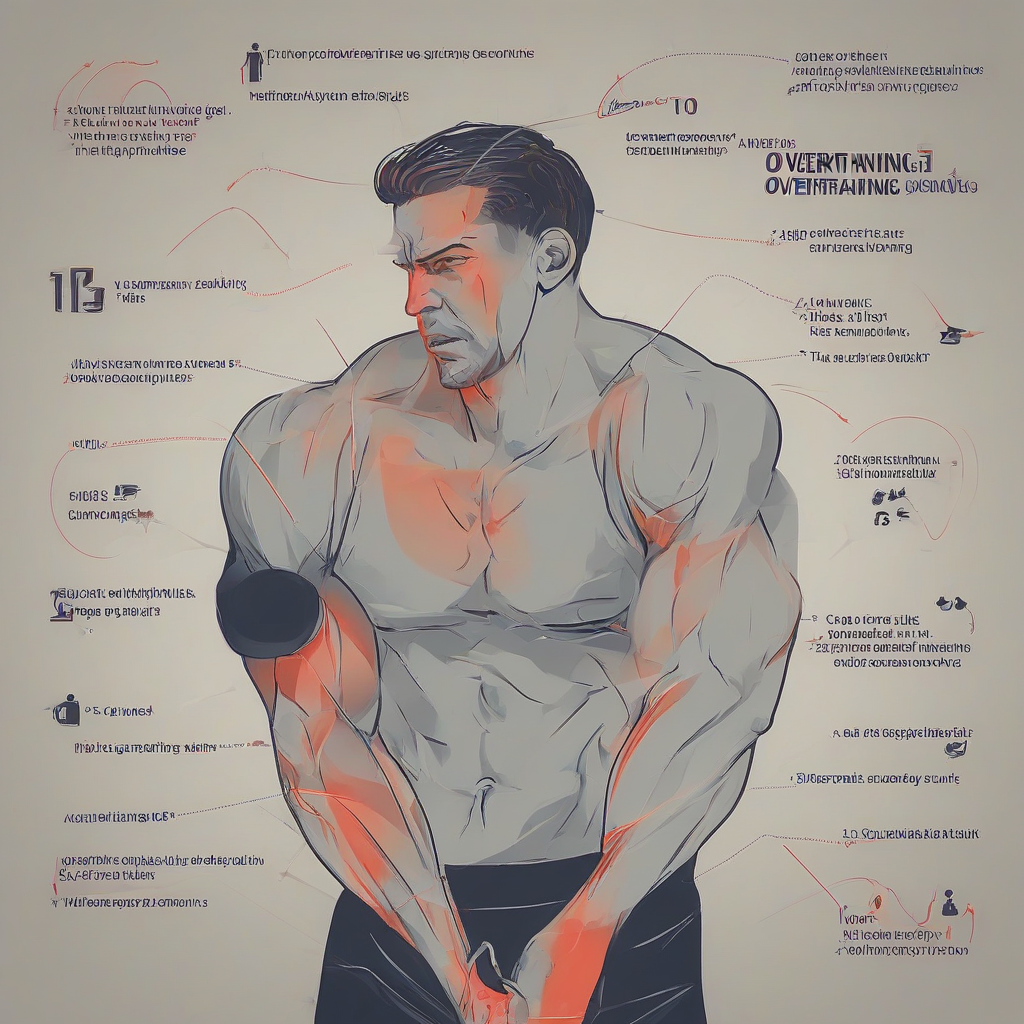
Understanding Overtraining: Listening to Your Body’s Signals
Exercise is a wonderful way to boost our physical and mental wellbeing. However, like many good things in life, it’s possible to have too much of a good thing. Overtraining occurs when we push our bodies beyond their capacity to recover, leading to a decline in performance and potential health issues. By learning to recognize the signs of overtraining, we can cultivate a more balanced, sustainable approach to fitness that nurtures our overall wellbeing.
The Importance of Rest and Recovery
In our quest for fitness goals, it’s easy to fall into the trap of thinking that more is always better. However, rest and recovery are just as crucial to our progress as the workouts themselves. When we exercise, we create tiny tears in our muscle fibers. It’s during rest periods that our body repairs these tears, making our muscles stronger and more resilient. Without adequate recovery time, this process is interrupted, potentially leading to overtraining.
Remember, growth and improvement happen during rest, not during the workout itself. By honoring our need for recovery, we’re not being lazy or weak – we’re giving our bodies the opportunity to become stronger and more capable.
Physical Signs of Overtraining
Our bodies have incredible wisdom, and they often send us signals when we’re pushing too hard. Some physical signs of overtraining include:
- Persistent muscle soreness or joint pain
- Frequent injuries or slower healing times
- Decreased performance or strength
- Increased resting heart rate
- Disrupted sleep patterns
- Chronic fatigue
If you notice these symptoms persisting, it may be your body’s way of asking for more rest. Remember, taking a break isn’t a setback – it’s an investment in your long-term health and fitness journey.
Emotional and Mental Signs of Overtraining
Overtraining doesn’t just affect us physically; it can also impact our emotional and mental wellbeing. Some signs to watch for include:
- Decreased motivation or enjoyment of exercise
- Irritability or mood swings
- Difficulty concentrating
- Feelings of depression or anxiety
- Loss of appetite
These symptoms remind us that our physical and mental health are deeply interconnected. By listening to our emotional cues, we can better understand when it’s time to dial back our training intensity and focus on self-care.
Balancing Intensity and Recovery
Finding the right balance between challenging workouts and adequate recovery is key to avoiding overtraining. Here are some strategies to help you maintain this balance:
- Incorporate rest days into your routine
- Practice active recovery (light exercise like walking or yoga)
- Prioritize sleep and good nutrition
- Listen to your body and adjust your workouts accordingly
- Consider working with a fitness professional to create a balanced training plan
Remember, the goal is not to push ourselves to the brink of exhaustion every day, but to cultivate a sustainable, enjoyable fitness practice that enhances our overall quality of life.
The Power of Self-Compassion in Fitness
In a world that often glorifies “no pain, no gain” mentalities, it’s important to remember the power of self-compassion in our fitness journeys. Recognizing and responding to signs of overtraining isn’t a sign of weakness – it’s a demonstration of wisdom and self-awareness.
Treat yourself with the same kindness and understanding you would offer a friend. If you’re feeling burnt out or noticing signs of overtraining, give yourself permission to rest. Your body and mind will thank you, and you’ll likely find that you return to your workouts feeling refreshed, motivated, and stronger than before.
FAQ: Understanding and Preventing Overtraining
Q1: How long does it take to recover from overtraining?
A1: Recovery time can vary depending on the severity of overtraining and individual factors. It may take anywhere from a few days to several weeks. The key is to listen to your body and gradually return to exercise when you feel ready.
Q2: Can beginners experience overtraining?
A2: Yes, beginners can experience overtraining, especially if they increase their exercise intensity or frequency too quickly. It’s important for everyone, regardless of fitness level, to progress gradually and allow for adequate recovery.
Q3: How can I prevent overtraining?
A3: Prevention strategies include incorporating rest days, varying workout intensity, getting enough sleep, maintaining good nutrition, and listening to your body’s signals. It’s also helpful to keep a training log to monitor your progress and recovery.
Q4: Is it okay to exercise if I’m feeling signs of overtraining?
A4: If you’re experiencing signs of overtraining, it’s best to take a break or reduce your exercise intensity. Light activities like walking or gentle stretching may be beneficial, but listen to your body and prioritize rest if needed.
Q5: Can stress in other areas of life contribute to overtraining?
A5: Absolutely. Stress from work, relationships, or other life circumstances can impact your body’s ability to recover from exercise. It’s important to consider your overall stress levels when planning your workout routine and to be extra mindful of recovery during particularly stressful periods.
Remember, the journey to fitness and wellbeing is a marathon, not a sprint. By learning to recognize and respond to signs of overtraining, we can create a more balanced, sustainable approach to exercise that supports our overall health and happiness. Be kind to yourself, listen to your body, and enjoy the process of becoming stronger and healthier at a pace that feels right for you.
Related posts:
 Ultimate Guide to Athlete Recovery
 Latest Trends in Fitness Recovery Tech
 10 Recovery Workouts Top Trainers Swear By
 ClassPass Just Launched Free Audio Workouts and They’re Incredible
 HIIT vs Bootcamp: Which is Better?
 Should SoulCycle Be Affecting Your Fertility? What an Expert Says
 Weaving Recovery Patchwork 2023
 Advanced At-Home Workout