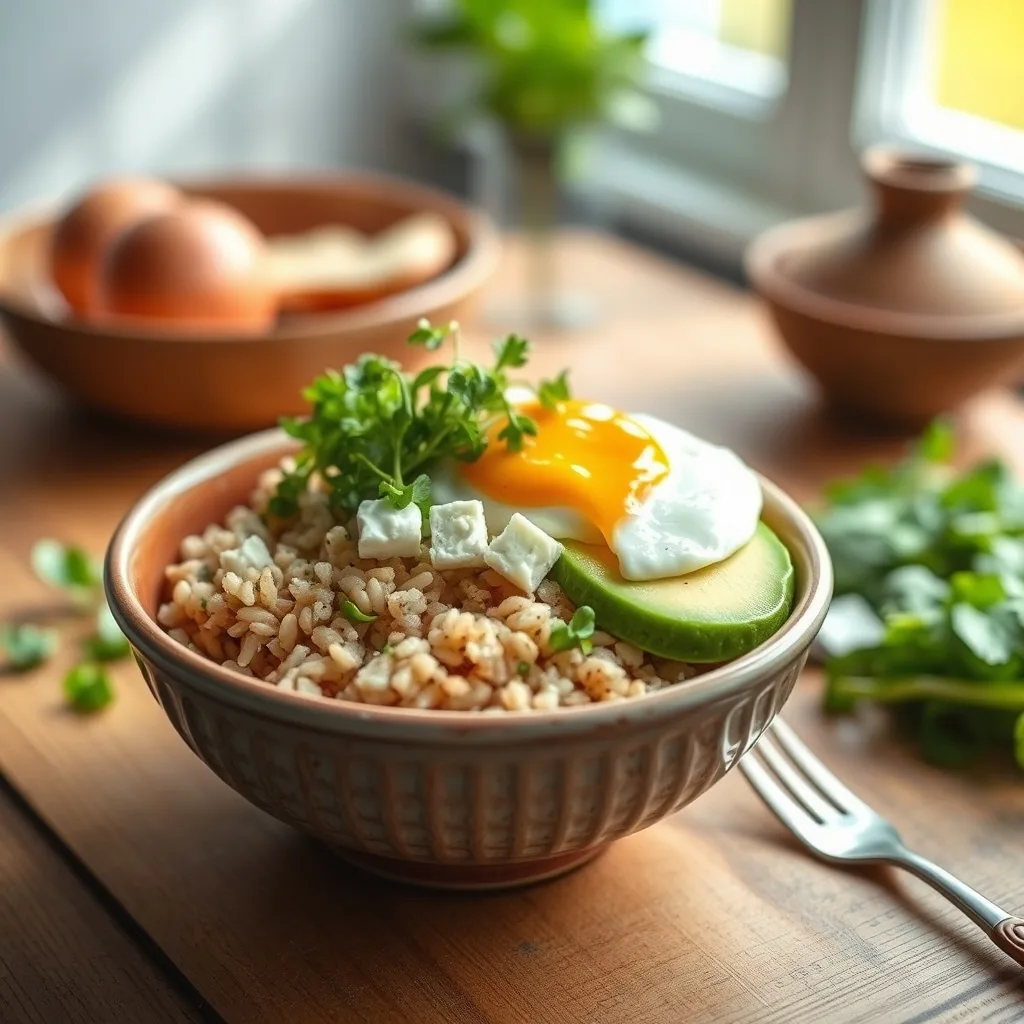
When you walk into Sqirl in Los Angeles, the first thing that catches your eye is a steaming bowl of nutty brown rice crowned with a rainbow of vegetables, a dollop of house‑made jam, and a drizzle of bright sauce. The dish feels both comforting and adventurous, a perfect balance of texture, flavor, and nutrition. Recreating that experience at home is entirely possible with a few core techniques and a willingness to experiment. This guide walks you through every element, from cooking the rice to building a sauce that sings, so you can enjoy a restaurant‑quality bowl any night of the week.
Key takeaways
- Build bowls using a five-part architecture: brown rice, cooked vegetables, protein, signature sauce, and a crunchy garnish.
- Use short-grain brown rice for a sticky texture, rinsing thoroughly and resting after cooking for the best consistency.
- Create professional-grade sauces by balancing salty, sweet, sour, and umami flavors using pantry staples like miso and tahini.
- Batch-cook components separately and store them in airtight containers to assemble fresh, restaurant-quality meals in under ten minutes.
- Elevate vegetable medleys by mixing textures, such as combining raw, roasted, or pickled varieties for contrast in every bite.
Understanding Sqirl’s Philosophy
Sqirl’s menu is built on the idea that simple, high‑quality ingredients can shine when treated with respect. The kitchen sources organic grains, seasonal produce, and house‑fermented condiments. The brown rice bowl exemplifies this ethos: a base of whole‑grain rice provides fiber and a chewy bite, while each topping adds a distinct note—sweet, salty, acidic, or umami. By focusing on seasonal vegetables and house‑made preserves, the bowl changes throughout the year, keeping the experience fresh. When you cook at home, adopt the same mindset: choose the best produce you can find, make your own jam or pickles if time allows, and treat each component as a building block rather than an afterthought.
Core Components of the Bowl
A classic Sqirl bowl consists of five main layers: brown rice, a cooked vegetable medley, a protein, a signature sauce, and a finishing garnish such as toasted seeds or fresh herbs. The rice acts as a neutral canvas, the vegetables bring color and crunch, the protein adds satiety, the sauce ties everything together, and the garnish provides a final textural pop. Understanding this architecture lets you swap ingredients freely while preserving the bowl’s balance. For example, you can replace roasted sweet potato with grilled zucchini in summer, or swap a poached egg for smoked tofu in a plant‑based version. The key is to keep at least one element from each category so the bowl remains complete.
Selecting and Cooking Perfect Brown Rice
Start with a short‑grain or medium‑grain brown rice; these varieties hold moisture better and develop a pleasant stickiness that helps the toppings cling. Rinse the rice under cold water until the water runs clear to remove excess surface starch. Use a ratio of one part rice to two parts water, add a pinch of salt, and bring to a boil. Reduce to a low simmer, cover tightly, and cook for 40‑45 minutes until the grains are tender but still have a slight bite. Remove from heat and let it rest, covered, for ten minutes before fluffing with a fork. For extra flavor, toast the rinsed rice in a dry skillet for two minutes before adding water, or stir in a teaspoon of sesame oil after cooking. A rice cooker with a brown‑rice setting works equally well and frees up stove space.
Building Flavorful Vegetable Medleys
Seasonality drives the vegetable selection. In spring, think asparagus, peas, and radishes; summer brings corn, tomatoes, and zucchini; fall offers roasted squash, Brussels sprouts, and kale; winter favors root vegetables like carrots, beets, and parsnips. Aim for a mix of textures: something crisp (raw shredded carrot or snap peas), something tender (steamed broccoli or sautéed greens), and something caramelized (roasted sweet potato or charred corn). Toss the vegetables in a light coating of olive oil, salt, and pepper, then roast at 425°F for 20‑25 minutes, turning halfway. For a quicker method, stir‑fry in a hot wok with a splash of tamari and a pinch of smoked paprika. Finish with a squeeze of lemon or a dash of rice vinegar to brighten the flavors.
Protein Options for Every Diet
The protein layer can be animal‑based, plant‑based, or a combination. A soft‑boiled egg with a runny yolk adds richness and a natural sauce. For meat eaters, grilled chicken thigh marinated in miso‑ginger or a few slices of seared salmon work beautifully. Vegetarians can opt for marinated tempeh, pan‑fried tofu cubes, or a scoop of seasoned black beans. Vegans might prefer a dollop of hummus, a sprinkle of hemp seeds, or a portion of lentil‑walnut crumble. Whatever you choose, season the protein simply—salt, pepper, and a touch of garlic powder—so it complements rather than overwhelms the bowl. Cook proteins just before assembly to keep them warm and moist.
Signature Sauces and Dressings
Sqirl’s bowls are famous for their house‑made sauces: a tangy miso‑ginger drizzle, a sweet‑spicy jam‑based glaze, and a creamy tahini‑lemon dressing. You can replicate these with pantry staples. For a miso‑ginger sauce, whisk together two tablespoons white miso, one tablespoon rice vinegar, one teaspoon grated fresh ginger, one teaspoon honey or maple syrup, and enough warm water to reach a pourable consistency. For a jam glaze, blend a quarter cup of your favorite fruit jam (apricot, strawberry, or fig) with a splash of apple cider vinegar and a pinch of chili flakes. For tahini dressing, combine three tablespoons tahini, two tablespoons lemon juice, one minced garlic clove, a pinch of salt, and water to thin. Store each sauce in a jar in the refrigerator for up to a week; they improve as the flavors meld.
Assembling Your Bowl Like a Pro
Presentation matters because we eat with our eyes first. Start with a generous mound of warm brown rice in the center of a wide, shallow bowl. Arrange the vegetable medley in distinct sections around the rice, creating a color wheel effect. Place the protein on top or to the side, then drizzle two sauces in intersecting lines—one savory, one sweet‑spicy. Finish with a scattering of toasted sesame seeds, sliced scallions, microgreens, or a few shavings of nori. A final squeeze of lime or a dash of flaky sea salt adds the last pop. Serve immediately while the rice is warm and the vegetables retain their texture.
Meal‑Prep Tips for Busy Weeks
Batch‑cook the rice on Sunday; it stores well in an airtight container for five days. Roast a large tray of mixed vegetables and keep them separate from the rice to avoid sogginess. Prepare proteins in portions—hard‑boil eggs, grill chicken, or bake tofu—and store each in its own container. Make the three sauces in bulk; they keep for a week and can be used on salads, sandwiches, or grain bowls. When assembling a weekday lunch, simply reheat rice and vegetables, add cold protein if preferred, and drizzle sauces. This system reduces daily cooking to under ten minutes while delivering a fresh, restaurant‑quality meal every time.
Advanced Rice Techniques
Beyond the basic boil‑and‑rest method, a few extra steps can transform ordinary brown rice into a bowl‑worthy foundation. Start by soaking the grains for thirty minutes in cold water; this short soak reduces cooking time by up to ten minutes and yields a more even texture. If you own a pressure cooker or an Instant Pot, use the brown‑rice setting with a 1:1.25 rice‑to‑water ratio and a natural release for ten minutes. The result is tender, slightly sticky grains that cling to sauces without becoming mushy. For deeper flavor, toast the rinsed rice in a dry skillet with a teaspoon of sesame oil or a pinch of smoked salt before adding liquid. You can also infuse the cooking water with a strip of kombu, a few dried shiitake caps, or a splash of mirin for subtle umami. When batch‑cooking, spread the cooked rice on a sheet pan to cool quickly, then portion into airtight containers; this prevents clumping and makes reheating a matter of a quick steam in the microwave or a splash of water in a covered skillet. Finally, consider blending short‑grain brown rice with a handful of black rice or wild rice for visual contrast and a nutty complexity that mirrors the restaurant’s signature blend.
Seasonal Vegetable Deep Dives
Roasting and stir‑frying are reliable, but the bowl truly shines when you layer multiple preparations of the same vegetable. In spring, thinly shave raw asparagus into ribbons and toss them with a lemon‑olive‑oil vinaigrette; the crisp ribbons sit beside roasted asparagus spears for a textural dialogue. Summer corn benefits from a quick char on a grill pan, then a toss in chili‑lime butter, while a cold corn‑tomato salad with basil adds brightness. Fall squash can be cubed and roasted with maple‑misoginger glaze, yet also pureed into a silky drizzle that doubles as a sauce. Winter root vegetables such as carrots and beets respond well to a quick pickle: thin slices submerged in rice vinegar, a pinch of sugar, and a dash of salt for thirty minutes yield a tangy crunch that cuts through richer toppings. For leafy greens, massage kale with a touch of sesame oil and salt until it softens, then finish with a flash‑sauté of garlic and chili flakes. Edge cases like high‑water vegetables (zucchini, cucumber) should be salted and drained before any heat application to avoid a soggy bowl. By preparing each vegetable in two ways—one cooked, one raw or pickled—you guarantee contrast in every bite.
Protein Mastery
Choosing a protein is only the first step; how you treat it determines whether it melds with the bowl or dominates it. For animal proteins, a short dry‑brine (one percent salt by weight, rested fifteen minutes) seasons the interior and improves moisture retention. Marinate chicken thighs in a mixture of white miso, mirin, grated ginger, and a splash of sake for at least two hours; the enzymes in miso tenderize while adding depth. Sear the thighs skin‑side down in a hot cast‑iron pan, then finish in a 375°F oven for ten minutes. For fish, a quick cure in equal parts salt and sugar for twenty minutes, rinsed and patted dry, yields a firmer texture that holds up to a brief pan‑sear. Plant‑based proteins benefit from a press‑then‑marinate routine: press tofu for thirty minutes, cut into cubes, then soak in a blend of tamari, smoked paprika, maple syrup, and a drop of liquid smoke. Air‑fry at 380°F for twelve minutes, shaking halfway, to achieve a crisp exterior without excess oil. Tempeh can be steamed first to remove bitterness, then crumbled and sautéed with onions, garlic, and a spoonful of gochujang for a meaty crumble. For legumes, cook black beans with a strip of kombu and a bay leaf; the kombu softens skins and adds mineral richness. Finish any protein with a squeeze of fresh citrus just before plating to lift the flavors.
Sauce Laboratory
The three classic sauces are a great starting point, but a rotating sauce repertoire keeps the bowl exciting week after week. Fermented sauces such as a quick kimchi‑style gochujang‑vinegar blend (two tablespoons gochujang, one tablespoon rice vinegar, one teaspoon honey, one minced garlic clove, water to thin) develop complexity overnight. Herb emulsions—blend a cup of packed cilantro or parsley with a quarter cup olive oil, a tablespoon lemon juice, a pinch of salt, and a handful of toasted pine nuts—create a vibrant green drizzle that doubles as a pesto. Nut‑based dressings: soak raw cashews for four hours, then blend with water, miso, apple cider vinegar, and a dash of smoked paprika for a creamy, dairy‑free ranch alternative. Balancing the four taste pillars—salty, sweet, sour, umami—is essential; taste each sauce and adjust with a pinch of salt, a drop of maple syrup, a splash of vinegar, or a dash of soy sauce until no single note dominates. Scale recipes by weight rather than volume for consistency; a kitchen scale eliminates guesswork when you multiply a batch for meal prep. Store sauces in squeeze bottles for precise drizzling and label with production date; most keep seven days, while fermented versions improve up to two weeks.
Bowl Architecture & Texture Engineering
Assembly order influences both eating experience and structural integrity. Begin with a warm rice mound; the heat gently wilts any raw greens placed directly on top, creating a subtle cooked‑raw interface. Next, arrange cooked vegetables in quadrants, leaving a small well in the center for the protein. This geometry prevents sauces from pooling at the bottom and ensures each spoonful contains a bit of every component. Add the protein while still warm; its residual heat will slightly melt any adjacent cheese or soft‑boiled egg yolk, forming a natural sauce. Drizzle the savory sauce first in a zigzag pattern, then the sweet‑spicy glaze in perpendicular lines—this cross‑hatch guarantees even distribution. Finish with a textural garnish: toasted sesame seeds, crushed nori, fried shallots, or a handful of puffed quinoa. For an extra temperature contrast, place a small dollop of chilled yogurt or labne beside the warm elements; the cool creaminess resets the palate between bites. If you plan to transport the bowl, pack sauces and garnishes separately and assemble on site to preserve crunch.
Scaling & Event Prep
When feeding a crowd, treat each component as an independent station. Cook rice in a hotel‑size steam table insert or a large stockpot; a 1:2 rice‑to‑water ratio scales linearly, but increase the resting time to fifteen minutes for even moisture distribution. Roast vegetables on multiple sheet pans, rotating halfway, and hold them in a low oven (200°F) covered with foil to keep warm without overcooking. Proteins can be prepared in bulk: grill chicken thighs on a sheet pan, bake tofu on a rack, or simmer a pot of seasoned beans. Keep each protein in a separate chafing dish with a lid to retain moisture. Sauces scale effortlessly—multiply the base recipe by weight, then portion into squeeze bottles for self‑serve. For transport, pack rice and vegetables in insulated cambros; proteins travel in hot‑holding containers. At the event, set up a build‑your‑own station with labeled bowls for each layer; this reduces line time and lets guests customize dietary needs. A final tip: prepare a small “emergency” batch of quick‑pickled radish and a jar of toasted seeds the night before; they add freshness and crunch even if the main vegetables lose a bit of heat.
Dietary Customization & Nutrition
The bowl’s modular nature makes it a template for virtually any eating plan. For a low‑FODMAP version, swap onion and garlic in sauces for garlic‑infused oil and the green tops of scallions; use firm tofu instead of tempeh, and choose carrots, bell peppers, and spinach as safe vegetables. Keto followers can replace brown rice with cauliflower rice (pulse florets in a food processor, sauté briefly in coconut oil) and increase the protein and fat portions—add avocado slices, a drizzle of MCT‑oil‑enhanced tahini, and a sprinkle of hemp hearts. Paleo eaters omit grains and legumes entirely; use a base of roasted sweet potato mash, top with grilled chicken, roasted Brussels sprouts, and a sauce thickened with arrowroot instead of miso. For macro tracking, weigh each component before assembly; a typical restaurant bowl delivers roughly 55 g carbohydrate, 25 g protein, and 18 g fat. Adjust portions to hit personal targets—reduce rice by half and double the vegetable volume for a lower‑carb, higher‑fiber profile. Cost analysis shows that batch‑cooking rice, beans, and seasonal vegetables brings the per‑bowl expense under three dollars, well below the restaurant price. Keep a spreadsheet of ingredient prices and nutritional data; it turns the bowl into a repeatable, budget‑friendly staple that adapts as your dietary goals evolve.
Frequently Asked Questions
Can I use white rice instead of brown rice?
Yes, white rice works but you will lose the nutty flavor and extra fiber that define the original bowl. Adjust cooking time to about 18‑20 minutes and use a 1:1.5 rice‑to‑water ratio.
What if I don’t have miso paste for the sauce?
Substitute with a teaspoon of soy sauce or tamari mixed with a pinch of nutritional yeast for umami. The flavor will be slightly different but still savory.
How do I keep the vegetables from getting mushy when reheating?
Store roasted vegetables separately from the rice and reheat them in a hot skillet for a minute or two, or eat them cold for a crisp contrast.
Are there gluten‑free options for the sauces?
All three sauces can be made gluten‑free by using tamari instead of soy sauce and ensuring the miso is labeled gluten‑free.
Can I freeze the assembled bowls?
It’s best to freeze components separately. Cooked rice and roasted vegetables freeze well for up to three months. Thaw overnight in the fridge, reheat, then assemble with fresh sauces and garnish.
Related posts:
 15-Minute Dairy-Free Dinner Ideas
 Vegetable-Rich Dinner Ideas
 4 Soy Sauce Substitutes for Cooking
 One Pan Wonder: The Fried Rice Recipe That Will Change Your Meal Prep Game
 Magic Avocado Sauce Recipe
 Rice Revealed: Is This Pantry Staple Actually Good for You
 Make-Ahead Vegan Savory Breakfast Jars
 Candice Kumai’s Healthy Turmeric Fried Rice Recipe