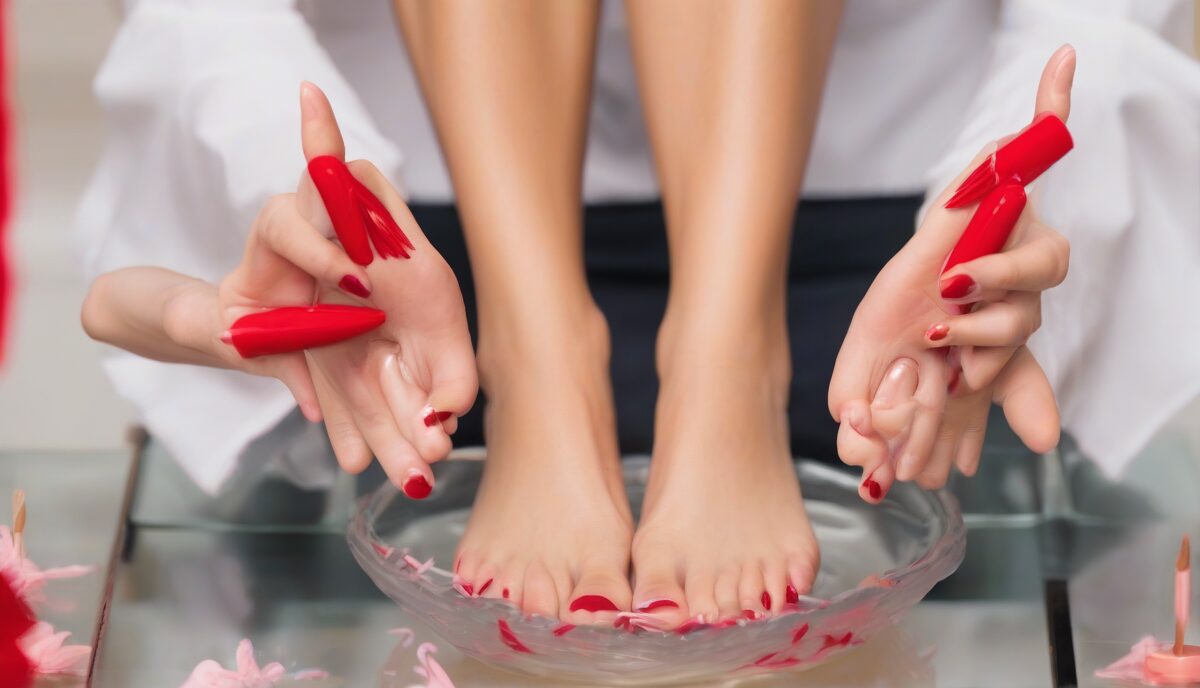
Introduction
Getting a pedicure can be a relaxing and enjoyable experience. However, there are several red flags to watch for during your visit to ensure your health and safety. In this article, we will discuss the most important red flags at your pedicure appointment and how to protect yourself from potential health risks.
Unclean Tools and Equipment
One of the most significant red flags at your pedicure is the cleanliness of the tools and equipment used by the technician. Dirty or improperly sanitized tools can spread infections and diseases. Make sure the salon uses sterilized tools for each client, or bring your own tools to avoid any risks.
Lack of Proper Licensing and Certification
Always check if the salon and the technicians are properly licensed and certified. This ensures that they have undergone the necessary training and adhere to health and safety standards. A lack of proper licensing can be a major red flag, indicating potential negligence in hygiene and safety practices.
Improper Footbath Hygiene
The footbath is a breeding ground for bacteria and fungi if not cleaned correctly. Ensure that the salon uses disposable liners for each client or thoroughly disinfects the footbath between uses. Avoid salons that reuse liners or do not follow proper cleaning protocols, as this can lead to infections.
Rushed or Inattentive Service
A pedicure should be a careful and attentive process. If the technician is rushing through the service or not paying attention to detail, it can result in injuries or unsatisfactory results. Look for salons where the staff take their time and provide personalized care to each client.
Poor Salon Cleanliness
Overall cleanliness of the salon is a good indicator of their hygiene standards. Look for signs of cleanliness such as clean floors, dust-free surfaces, and a tidy work area. A dirty salon environment can be a red flag for poor hygiene practices and potential health risks.
The Dangers of Improper Cuticle Manipulation
One of the most frequent sources of infection in a salon setting is the aggressive or improper handling of the cuticle. Many technicians, in an effort to create a “cleaner” look, will use metal nippers to cut away excess skin. However, the cuticle is a protective seal designed by nature to prevent bacteria from entering the nail matrix. When a technician cuts too deep, they create a “portal of entry” for staph infections or fungal pathogens. If you see a technician reaching for metal nippers before even assessing your nail health, that is a major red flag. A professional should focus on gently pushing back the cuticle with a wooden orange stick or a sterilized pusher, rather than hacking away at living tissue. Furthermore, if you notice the technician using a “cheese grater” style callus remover, be aware that these tools are banned in many states because they remove too much healthy skin, leading to painful raw patches that are highly susceptible to salon-borne bacteria.
Chemical Ventilation and Air Quality Concerns
When you walk into a salon, take a deep breath. If the smell of acrylic, acetone, or formaldehyde is overwhelming and causes your eyes to sting or your throat to feel tight, you are in a poorly ventilated space. Professional nail salons should be equipped with source-capture ventilation systems—essentially small vacuums attached to the nail stations—or high-quality air filtration units that scrub the air of volatile organic compounds (VOCs). If the salon has no windows, no exhaust fans, and an overpowering chemical odor, you are subjecting your respiratory system to long-term health risks. Chronic exposure to these vapors can lead to headaches, dizziness, and respiratory irritation. A salon that prioritizes client safety will invest in air quality management, not just masking the smell with heavy, artificial perfumes.
The Myth of the “New” File and Buffer
A common misconception is that a file or buffer can be disinfected. In reality, emery boards and foam buffers are porous; they have tiny crevices that trap dead skin cells, nail dust, and blood particles. Because of this, they are classified as single-use items. If you see a technician pull a file out of a drawer that looks worn, stained, or has already been used on a previous client, you must stop the service. Even if they spray the file with alcohol, it is impossible to truly sanitize a porous surface. Always look for the technician to open a fresh, sealed package in front of you. If they reach for a file sitting on the counter or in an open bin, you are risking cross-contamination of fungi like tinea pedis or even bloodborne pathogens if the previous client experienced a nick or cut.
Understanding Technician Ergonomics and Pressure
While we often focus on sanitation, the physical technique of the pedicure is equally important. If a technician is using excessive force while scrubbing your feet or pushing back your cuticles, it indicates a lack of proper training. A pedicure should be a gentle, therapeutic process. If you feel pain, burning, or discomfort, speak up immediately. A technician who ignores your request to use less pressure or to stop using a specific tool is a liability. Furthermore, watch for signs of “tech fatigue.” If the staff seems physically exhausted, moving in a jerky or uncoordinated manner, or leaning heavily on your limbs, they may be overworked. Physical strain often leads to accidental nicks and clumsy application of products, which can ruin the aesthetic outcome of your service.
The Importance of Product Transparency
Are the bottles on the shelf labeled clearly, or are they unbranded, unlabeled generic plastic containers? Using “mystery” liquids is a significant red flag. Salons that dilute their professional-grade products with cheaper, harsh alternatives are cutting corners at your expense. High-quality salons use recognized, professional brands that provide Safety Data Sheets (SDS) for their products. If a technician is applying a substance that smells unusually strong or causes a burning sensation on your skin, ask to see the bottle. If they cannot identify the product or if it appears to be a homemade concoction, do not allow it to touch your skin. You have the right to know exactly what chemicals are being applied to your body, especially given the prevalence of allergic contact dermatitis caused by poor-quality gel or acrylic formulations.
Red Flags in the Aftercare Advice
The service doesn’t end when you leave the chair; the advice you receive afterward is a reflection of the salon’s professionalism. If a technician tells you it is “normal” for your toes to be sore, throbbing, or red for a few days after a pedicure, they are providing dangerous misinformation. A proper pedicure should never leave you in pain. Additionally, if the salon pushes you to purchase expensive, unnecessary products to “cure” an issue they created during the service, this is a red flag for predatory sales tactics. A reputable technician will provide clear, simple advice: keep your feet clean and dry, wear breathable socks, and monitor for any changes in skin or nail color. If they are aggressively pushing “miracle” creams that claim to cure medical conditions like nail fungus, they are acting outside their scope of practice, which is a major ethical red flag.
FAQ
What should I do if I suspect a pedicure salon is not clean?
If you suspect that a pedicure salon is not clean, it is best to leave and find another salon. Your health and safety are more important than the service.
How can I ensure the tools used in my pedicure are clean?
Ask the technician to show you the sterilized tools before they begin your pedicure. You can also bring your own tools to ensure they are clean.
Is it safe to get a pedicure if I have a cut or wound on my foot?
It is not recommended to get a pedicure if you have a cut or wound on your foot as it can increase the risk of infection. Wait until the wound has healed before getting a pedicure.
What are the signs of an infection after a pedicure?
Signs of an infection after a pedicure include redness, swelling, pain, and pus around the nail or foot area. If you notice any of these signs, seek medical attention immediately.
Can I get a pedicure if I am pregnant?
Yes, you can get a pedicure if you are pregnant, but make sure the salon follows proper hygiene practices and avoid using any harsh chemicals that could be harmful to you or your baby.
Related posts:
 Ten Out of Ten: The Clean Nail Polish Brand That’s Worth the Splurge
 Eyebrow Extensions Are the New Lash Extensions
 The Avocado Oil Nail File That’s Changing Everything
 Hope Therapy: Cultivating Optimism in Clients
 How to Fix an Ingrown Toenail Like a Pro
 Meditation Meets Manicures at Sundays NYC
 Clean Manicure Essentials
 Mindful Manicures: How to Finally Stop Biting Your Nails for Good