

Red velvet cake is a beloved dessert that combines rich chocolate flavor with a vibrant red hue, often associated with celebrations and special occasions. Its creamy texture and unique taste have made it a favorite for decades, but many modern recipes have evolved to enhance its appeal. This article explores the secrets to creating a red velvet cake so exceptional that it surpasses traditional versions, offering a modern twist without compromising quality. Whether you’re a seasoned baker or a beginner, the following guide provides actionable steps, practical tips, and creative ideas to master this iconic treat.
The history of red velvet cake dates back to the early 20th century, with its origins tied to Southern U.S. bakeries. The original recipe featured food coloring and cocoa powder to achieve its signature color, but over time, variations emerged to improve flavor and texture. Modern recipes often emphasize moisture retention and balanced ingredients, moving away from excessive food coloring. Understanding this evolution helps bakers appreciate the cake’s adaptability and focus on quality ingredients rather than artificial additives.
To create a standout red velvet cake, selecting the right ingredients is crucial. Key components include buttermilk, cocoa powder, vinegar, and oil, which work together to produce a moist, fudgy texture. High-quality cocoa powder enhances the chocolate flavor, while buttermilk adds acidity that balances the sweetness. Avoid substituting these ingredients without understanding their roles; for example, using regular milk instead of buttermilk can result in a drier cake. Fresh eggs and precise measurements are equally important, as even small deviations can affect the outcome.
The baking process requires careful attention to detail. Begin by mixing dry ingredients separately from wet ingredients to ensure even incorporation. A common mistake is overmixing the batter, which can lead to a dense texture. Instead, combine ingredients gently until just blended. Baking at the correct temperature is vital—preheating the oven ensures even rising. Most recipes call for 325°F (160°C) for 30-35 minutes, but using an oven thermometer prevents undercooking or overbaking. Letting the cake cool completely before frosting is another critical step, as warm cake can cause frosting to melt or separate.
Achieving the perfect moisture balance is a key differentiator between a good and a great red velvet cake. Adding oil instead of butter contributes to a tender crumb, while vinegar reacts with baking soda to create a light texture. Some bakers experiment with adding sour cream or additional buttermilk to enhance moisture. However, moderation is key—too much liquid can make the cake gummy. Testing the cake with a toothpick inserted into the center ensures it’s fully cooked but not overdone.
Creative variations allow bakers to personalize their red velvet cake. Adding citrus zest, such as lemon or orange, introduces a refreshing contrast to the chocolate flavor. Chocolate shavings or ganache can elevate the decadence, while red food coloring (preferably natural) maintains the iconic hue without relying on artificial dyes. Decorations like cream cheese frosting, fresh berries, or edible flowers add visual appeal. For dietary adaptations, gluten-free flour blends or plant-based buttermilk substitutes can be used without sacrificing quality.
Pairing red velvet cake with complementary foods enhances the overall experience. A classic combination is a cup of coffee or espresso, which balances the cake’s sweetness. Alternatively, a glass of chilled milk or a dessert wine like port can highlight its rich flavor. Serving the cake with a scoop of vanilla ice cream creates a delightful contrast in temperature and texture. For a modern twist, consider pairing it with a scoop of salted caramel or a dollop of whipped cream infused with chili powder for a sweet-spicy kick.
Proper storage is essential to maintain the cake’s freshness and flavor. At room temperature, red velvet cake should be kept in an airtight container for up to two days. For longer storage, refrigerate it wrapped in plastic or place it in the freezer for up to three months. When reheating a frozen cake, thaw it slowly at room temperature or use a microwave on low power to avoid drying it out. Frosting should be applied after the cake has cooled completely to prevent melting or crumbling.
Common mistakes to avoid include using expired ingredients, which can affect flavor and texture, and neglecting to adjust oven racks for even heat distribution. Overfilling the batter can cause the cake to overflow, while underbaking results in a raw center. Another pitfall is using low-quality food coloring, which may not provide the desired vibrant red. Investing in natural red coloring, such as beet juice or cochineal extract, ensures a more authentic appearance without health concerns.
**FAQ**
1. **Can I substitute buttermilk in the recipe?** Yes, mix 1 cup of milk with 1 tablespoon of vinegar or lemon juice and let it sit for 5-10 minutes before use. This mimics the acidity of buttermilk.
2. **How do I prevent the cake from becoming dry?** Ensure accurate measurements of dry ingredients and avoid overbaking. Adding a tablespoon of oil or sour cream to the batter can also improve moisture.
3. **Is it possible to make a gluten-free red velvet cake?** Yes, substitute regular flour with a gluten-free blend that includes xanthan gum for structure. Adjust other ingredients as needed.
4. **Can I make the cake ahead of time?** Absolutely. Bake the cake in advance and store it properly. Adding fresh frosting just before serving enhances its appearance.
5. **What if my cake turns out too dense?** Overmixing the batter or using too much flour can cause density. Ensure ingredients are at room temperature and mix until just combined.
This red velvet cake recipe prioritizes simplicity and quality, ensuring a delicious result every time. By focusing on ingredient selection, precise technique, and creative presentation, bakers can craft a dessert that stands out. Whether for a special occasion or a simple indulgence, this guide provides the tools to create a cake that’s truly unforgettable.
tags and paragraphs
. No other tags? Could include
- ,
- etc but must be HTML. No H1. No intro/conclusion. So just a series of
…
followed by content.
We must avoid repeating or paraphrasing existing article. So we must not mention the same points: history, ingredient selection basics, baking process, moisture balance, variations, pairing, storage, mistakes, FAQ. Must cover new angles: maybe science of cocoa alkalinity, effect of pH, using natural colorants like hibiscus, using alternative sweeteners, texture modifications, gluten-free flour specifics, vegan adaptations, high-altitude baking, freezing/thawing techniques, cake layering, cake decorating techniques, using different fats, using alternative leaveners, using sourdough discard, using cultured butter, using brown butter, using alternative milks, using sugar substitutes, using emulsifiers, using starches, using gelatine for stability, using sous vide baking, using steam injection, using cake leveling, using crumb coat, using ganache under fondant, using mirror glaze, using edible metallic leaf, using flavor infusions like tea, coffee, spices, using alcohol, using fruit purees, using nut flours, using alternative sweeteners like maple syrup, honey, coconut sugar, using sugar alcohols, using erythritol, using monk fruit, using allulose, using stevia, using diabetic-friendly versions. Also talk about scaling recipes, batch baking, sheet cake vs layer cake, using cake pans of different shapes, using silicone molds, using bundt pans, using cupcakes, using cake pops. Also talk about troubleshooting: sunken center, cracked top, uneven color, bleeding color, frosting weeping, ganache splitting, etc. Also talk about equipment: stand mixer vs hand whisk, temperature of ingredients, using a scale, using sifter, using parchment, using cake strips, using baking belts, using oven thermometer, using convection vs conventional, using steam injection, using a water bath.
Also talk about flavor pairing beyond coffee/wine: cheese pairings, charcuterie, tea, etc. Also talk about presentation: naked cake, semi-naked, drip cake, etc. Also talk about dietary: keto, paleo, low-FODMAP, etc.
Also talk about ingredient science: cocoa powder types (natural vs Dutch-processed), effect on color and leavening, using cocoa butter, using chocolate vs cocoa powder, using melted chocolate, using cocoa nibs for texture, using instant espresso powder to enhance chocolate flavor, using malted milk powder, using cinnamon, using cardamom, using black pepper.
Also talk about alternative leaveners: baking powder vs baking soda, using cream of tartar, using yeast (unlikely), using whipped egg whites for angel food style.
Also talk about using buttermilk substitutes: kefir, yogurt thinned, sour cream thinned, milk + vinegar, milk + lemon juice, cultured vegan buttermilk (soy milk + lemon juice + vegan yogurt), using apple cider vinegar.
Also talk about oil types: neutral oil (canola, vegetable, grapeseed), coconut oil (refined vs unrefined), avocado oil, melted butter, ghee.
Also talk about sweeteners: granulated sugar, brown sugar, coconut sugar, maple syrup, honey, agave, date syrup, erythritol, allulose, monk fruit blend.
Also talk about gluten-free flour blends: rice flour, sorghum, tapioca, potato starch, xanthan gum, guar gum, psyllium husk, almond flour, coconut flour.
Also talk about vegan: flax eggs, chia eggs, aquafaba, commercial egg replacer, using silken tofu, using applesauce, using pumpkin puree.
Also talk about high-altitude adjustments: decrease leavening, increase liquid, increase oven temp, decrease sugar.
Also talk about baking in a convection oven: reduce temp, adjust time.
Also talk about using a water bath for even baking (like cheesecake) but for red velvet maybe not.
Also talk about using a cake leveler, using a turntable, using offset spatula, using bench scraper.
Also talk about frosting types: classic cream cheese frosting, ermine (flour buttercream), Swiss meringue buttercream, Italian meringue buttercream, German buttercream, whipped cream frosting, ganache, cream cheese whipped frosting, mascarpone frosting.
Also talk about flavoring frostings: add citrus zest, espresso, coffee, liqueur, spices, fruit puree, etc.
Also talk about decorating: piping techniques, using stencils, using edible glitter, using fresh flowers, using fruit, using chocolate shards, using gold leaf, using mirror glaze, using ganache drip, using candy decorations.
Also talk about storage and serving: slicing with hot knife, using cake server, using cake dome, using refrigeration vs room temp, using freezer thawing.
Also talk about making cake ahead: freezing layers, thawing, applying crumb coat, final frosting.
Also talk about making cake in advance for events: timeline.
Also talk about making mini red velvet cupcakes, cake pops, trifle, parfait.
Also talk about using red velvet cake as base for other desserts: cake balls, cake truffles, cake ice cream sandwiches, cake bread pudding, cake French toast, cake tiramisu.
Also talk about using red velvet cake in savory applications? maybe not.
Also talk about using red velvet cake for special occasions: weddings, birthdays, holidays, Valentine’s Day, etc.
Also talk about making red velvet cake gluten-free, dairy-free, nut-free, soy-free, etc.
Also talk about making red velvet cake low-sugar, keto, etc.
Also talk about making red velvet cake with alternative flours like almond flour, coconut flour, and adjustments.
Also talk about making red velvet cake with added protein powders for fitness.
Also talk about making red velvet cake with added superfoods like matcha, spirulina (though color may conflict), beet powder.
Also talk about using natural red colorants: beet juice, pomegranate juice, hibiscus tea, raspberry puree, cranberry juice, etc., and how they affect flavor and pH.
Also talk about using anthocyanin-rich ingredients and pH shifts causing color changes (blue/purple in alkaline). So need to adjust acid.
Also talk about using cocoa powder’s effect on pH and color.
Also talk about using baking soda vs baking powder and reaction with acidic ingredients.
Also talk about using buttermilk’s acidity to activate baking soda.
Also talk about using vinegar’s role.
Also talk about using alternative acids: cream of tartar, citric acid, lemon juice.
Also talk about using salt to enhance flavor.
Also talk about using espresso powder to deepen chocolate flavor without adding liquid.
Also talk about using instant coffee.
Also talk about using malted milk powder for flavor.
Also talk about using cinnamon, nutmeg, cloves.
Also talk about using black pepper for a subtle heat.
Also talk about using cardamom.
Also talk about using orange blossom water.
Also talk about using rose water.
Also talk about using almond extract.
Also talk about using vanilla bean paste vs extract.
Also talk about using bourbon or rum.
Also talk about using coffee liqueur.
Also talk about using flavored syrups.
Also talk about using fruit purees as swirl.
Also talk about using jam layers.
Also talk about using cream cheese swirl.
Also talk about using Nutella swirl.
Also talk about using caramel swirl.
Also talk about using peanut butter swirl.
Also talk about using bacon bits for sweet-savory.
Also talk about using toasted nuts.
Also talk about using coconut flakes.
Also talk about using toasted pecans.
Also talk about using crushed pretzels for salty crunch.
Also talk about using candy pieces.
Also talk about using edible flowers.
Also talk about using gold leaf.
Also talk about using silver leaf.
Also talk about using edible glitter.
Also talk about using chocolate shards.
Also talk about using chocolate curls.
Also talk about using ganache.
Also talk about using mirror glaze.
Also talk about using fondant.
Also talk about using buttercream roses.
Also talk about using piping borders.
Also talk about using stencils for dusting cocoa powder or powdered sugar.
Also talk about using airbrush for color gradients.
Also talk about using spray paint (food-safe) for metallic effect.
Also talk about using cake leveling tools.
Also talk about using cake lifter.
Also talk about using turntable.
Also talk about using bench scraper for smooth sides.
Also talk about using offset spatula for smooth top.
Also talk about using cake comb for texture.
Also talk about using piping bags for roses, shells, etc.
Also talk about using fondant tools.
Also talk about using silicone molds for decorations.
Also talk about using isomalt for sugar work.
Also talk about using pulled sugar.
Also talk about using chocolate modeling.
Also talk about using marzipan.
Also talk about using fondant figurines.
Also talk about using edible paper.
Also talk about using rice paper.
Also talk about using wafer paper.
Also talk about using edible images.
Also talk about using printed edible sheets.
Also talk about using cake toppers.
Also talk about using custom monograms.
Also talk about using fresh fruit as garnish.
Also talk about using edible flowers like violets, pansies, nasturtiums, roses.
Also talk about using herb garnish like mint.
Also talk about using candied citrus peel.
Also talk about using toasted coconut.
Also talk about using crushed freeze-dried fruit.
Also talk about using chocolate shavings.
Also talk about using cocoa nibs.
Also talk about using toasted almonds.
Also talk about using pistachios.
Also talk about using hazelnuts.
Also talk about using macadamia nuts.
Also talk about using candied ginger.
Also talk about using spiced nuts.
Also talk about using caramelized pecans.
Also talk about using toffee bits.
Also talk about using butterscotch chips.
Also talk about using white chocolate chips.
Also talk about using dark chocolate chunks.
Also talk about using milk chocolate chips.
Also talk about using peanut butter chips.
Also talk about using butterscotch.
Also talk about using toffee.
Also talk about using caramel.
Also talk about using dulce de leche.
Also talk about using Nutella.
Also talk about using cookie crumbs (Oreo, graham cracker, shortbread).
Also talk about using biscotti.
Also talk about using pretzel pieces.
Also talk about using potato chips for salty crunch.
Also talk about using popcorn.
Also talk about using pretzel sticks.
Also talk about using cheese crisps.
Also talk about using bacon bits.
Also talk about using fried onions.
Also talk about using crispy shallots.
Also talk about using toasted sesame seeds.
Also talk about using poppy seeds.
Also talk about using chia seeds.
Also talk about using flax seeds.
Also talk about using hemp seeds.
Also talk about using pumpkin seeds.
Also talk about using sunflower seeds.
Also talk about using toasted quinoa.
Also talk about using toasted amaranth.
Also talk about using toasted millet.
Also talk about using toasted buckwheat.
Also talk about using toasted sorghum.
Also talk about using toasted teff.
Also talk about using toasted farro.
Also talk about using toasted barley.
Also talk about using toasted rye.
Also talk about using toasted cornmeal.
Also talk about using toasted polenta.
Also talk about using toasted corn flour.
Also talk about using toasted rice flour.
Also talk about using toasted oat flour.
Also talk about using toasted almond flour.
Also talk about using toasted coconut flour.
Also talk about using toasted soy flour.
Also talk about using toasted chickpea flour.
Also talk about using toasted lentil flour.
Also talk about using toasted pea flour.
Also talk about using toasted quinoa flour.
Also talk about using toasted amaranth flour.
Also talk about using toasted millet flour.
Also talk about using toasted sorghum flour.
Also talk about using toasted teff flour.
Also talk about using toasted farro flour.
Also talk about using toasted barley flour.
Also talk about using toasted rye flour.
Also talk about using toasted cornmeal.
Ok that’s a lot.
We need about 3200 words. Let’s aim for 6 sections of about 530 words each = 3180 words approx. Or 7 sections of about 460 = 3220.
We’ll produce maybe 6 sections.
Each section:
Section Title
then multiple paragraphs.
We must escape double quotes inside the JSON string. So any double quotes in HTML need to be escaped as “. We’ll likely have minimal double quotes; we can avoid using double quotes altogether by using single quotes for attributes? HTML attributes typically use double quotes, but we can use single quotes which are allowed in HTML. So we can use e.g.
but we may not need attributes. Simpler: justTitle
and
…
Related posts:
 Seed Flour by Simple Mills: A Nutritious Alternative for Baking Enthusiasts
 Thanksgiving Cake
 Simple Vegan Ice Cream Recipe
 Healthiest Chocolate Guide
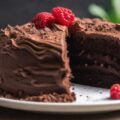 This Vegan Chocolate Cake Is So Good, It’ll Win Over Any Skeptic
 Guilt-Free Cinnamon Roll Recipe
 Essential Baking Tools for Your Kitchen
 Does Flour Go Bad? Shelf Life and Storage Tips