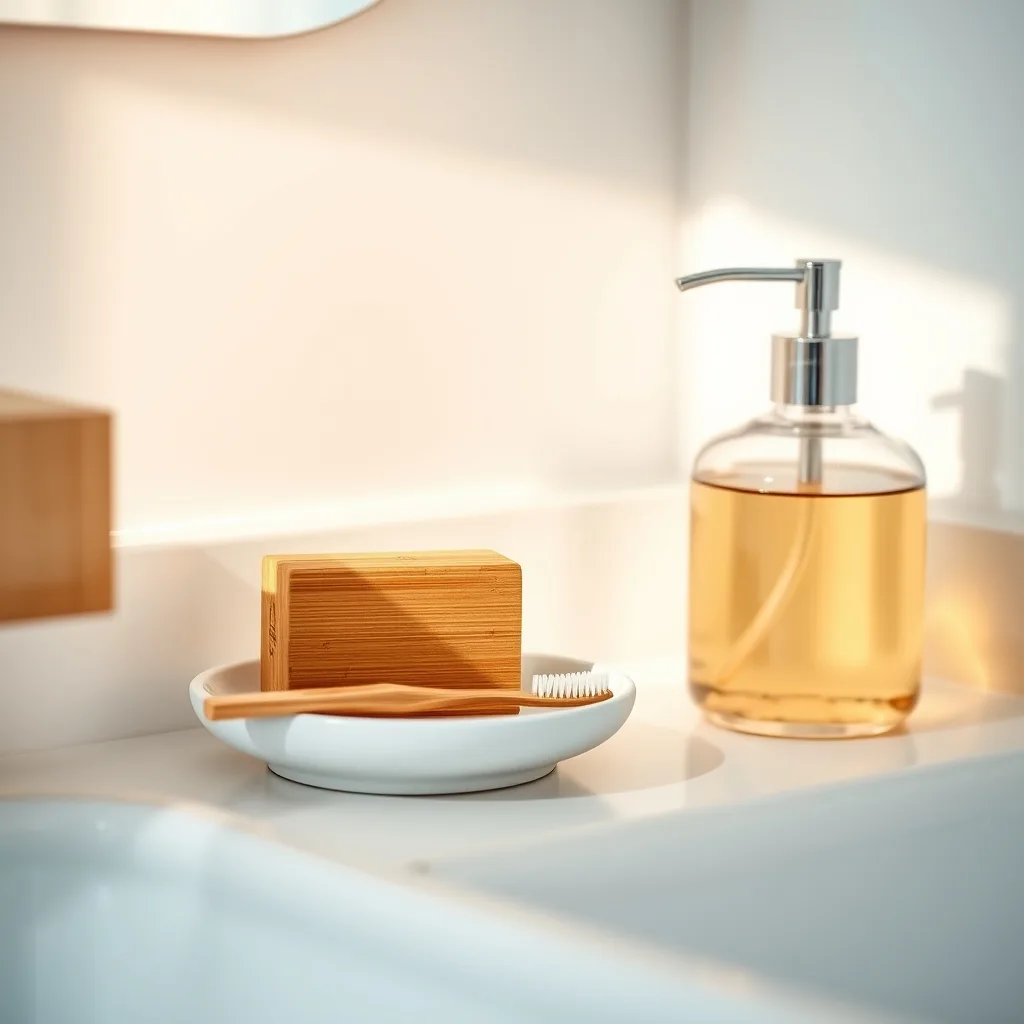
The bathroom is often one of the most plastic-intensive rooms in the home. From the shampoo bottle in the shower to the toothbrush on the sink and the plastic packaging of our skincare products, synthetic polymers are woven into almost every aspect of our morning and evening routines. While the convenience of plastic is undeniable, the environmental cost is staggering. Much of the plastic used in personal care is single-use or short-lived, meaning it spends a few weeks in our homes before spending centuries in landfills or oceans.
Key takeaways
- Conduct a one-week waste audit to identify high-plastic areas before purchasing eco-friendly replacements.
- Prioritize the use-it-up philosophy by finishing existing products before switching to plastic-free alternatives.
- Replace liquid soaps and shampoos with concentrated bars to eliminate bulky plastic bottle waste.
- Invest in durable, long-term items like stainless steel safety razors and glass storage containers.
- Use simple ingredients like vinegar and baking soda to replace single-use plastic cleaning bottles.
Transitioning to a plastic-free bathroom does not require an overnight overhaul. In fact, the most sustainable approach is often the most gradual one. By making intentional swaps as products run out, you can significantly reduce your ecological footprint without feeling overwhelmed or wasting money on products you already own. This guide provides a comprehensive, compassionate roadmap to auditing your bathroom habits and implementing effective, sustainable alternatives that benefit both your health and the planet.
Conducting a Bathroom Plastic Audit
Before purchasing a single bamboo toothbrush or shampoo bar, the most effective first step is a plastic audit. Many of us are unaware of the sheer volume of plastic we discard until we consciously track it. An audit allows you to identify your “high-waste” areas—the items you replace most frequently—so you can prioritize your swaps where they will have the greatest impact.
To perform an audit, spend one week observing everything you throw away from your bathroom. Do you notice a high volume of cotton rounds? Are you tossing out plastic razor cartridges every few days? Perhaps you find that your skincare routine involves multiple plastic pumps and tubes. Once you have this list, categorize the items by their function: oral care, body care, hair care, and cleaning. This organized approach prevents the common mistake of “eco-shopping”—buying new sustainable products while still having plenty of old ones—which ironically creates more waste.
During this process, consider the lifecycle of the product. Is the plastic recyclable in your local municipality? Often, small items like toothpaste caps or makeup brushes are too small for sorting machines and end up in landfills regardless of the recycling symbol. This realization often provides the necessary motivation to seek out truly plastic-free alternatives.
Switching to Plastic-Free Personal Care
The most visible plastic in the bathroom comes from liquid soaps, shampoos, and conditioners. These products are typically 70% to 90% water, meaning companies must use bulky plastic bottles to transport and sell them. The most effective solution is to return to the concentrated form: the bar.
Bar Soaps: Traditional bar soaps are often wrapped in paper or sold naked. They eliminate the need for plastic pump bottles and often contain fewer synthetic preservatives because they don’t require the same stabilization as liquid formulas. To make bar soap last longer, invest in a draining soap dish; allowing the bar to dry between uses prevents it from becoming mushy and wasting product.
Shampoo and Conditioner Bars: For years, the primary deterrent for shampoo bars was the fear of “waxy” residue or a lack of lather. However, modern formulations have evolved. Look for “syndet” bars (synthetic detergent bars), which are pH-balanced for the scalp and behave more like traditional liquid shampoos. When choosing a bar, check the ingredients for sustainable oils like coconut or shea butter and avoid palm oil unless it is certified RSPO (Roundtable on Sustainable Palm Oil).
Toothpaste Tablets: Toothpaste tubes are notoriously difficult to recycle because they are often made of a multi-layer laminate of plastic and aluminum. Toothpaste tablets are a brilliant alternative. You simply chew a tablet into a paste and then brush as usual. These typically come in glass jars that can be refilled or repurposed, drastically reducing the number of tubes entering the waste stream.
Sustainable Oral Care Solutions
Oral hygiene is a daily necessity, but the standard plastic toothbrush is a design flaw in terms of sustainability. Most plastic toothbrushes are made from a mix of plastic (the handle) and nylon (the bristles), making them impossible to recycle. Over a lifetime, a single person can contribute hundreds of these brushes to the environment.
Bamboo Toothbrushes: Bamboo is a rapidly renewable resource that is naturally biodegradable. By switching to a bamboo handle, you eliminate the bulk of the plastic waste. It is important to note that most bamboo brushes still use nylon bristles for hygiene and durability. To dispose of them correctly, use a pair of pliers to pull out the bristles before composting the handle.
Plastic-Free Flossing: Conventional dental floss is usually made of nylon or Teflon and comes wound around a plastic spool. A more sustainable alternative is silk floss or cornstarch-based floss, which is biodegradable. Many of these are now sold in refillable glass vials, allowing you to buy the floss in bulk and reuse the container indefinitely.
Metal Tongue Scrapers: While plastic tongue scrapers are common, a stainless steel or copper scraper is a lifetime investment. Not only is it more hygienic and easier to clean, but it also completely removes the need for disposable plastic alternatives.
Eco-Friendly Shower and Bath Alternatives
The shower is a hub of hidden plastics, from the loofahs we use to scrub our skin to the disposable razors we use for grooming. Moving toward a zero-waste shower involves looking for durable materials that can be reused for years.
Safety Razors: Disposable plastic razors are a significant source of pollution. A stainless steel safety razor is a one-time purchase that lasts a lifetime. You only replace the metal blade, which is 100% recyclable. While there is a small learning curve to using a safety razor, the cost savings are immense over time, as individual blades cost a fraction of plastic cartridges.
Natural Sponges and Cloths: Plastic loofahs and synthetic sponges are essentially bundles of plastic fibers that shed microplastics into the water system with every use. Instead, opt for natural loofahs (which are actually dried gourds), konjac sponges, or reusable cotton washcloths. Cotton cloths are particularly sustainable as they can be laundered and reused for years.
The Role of the Soap Dish: As mentioned previously, the way you store your plastic-free alternatives determines their longevity. A ceramic or wooden soap dish with slats allows air to circulate, ensuring your bars don’t dissolve prematurely. This small detail ensures that your transition to plastic-free is economically viable and satisfying.
Rethinking Your Skincare Routine
Skincare is perhaps the most challenging area of the bathroom to detox from plastic because of the need for airtight seals to preserve active ingredients. However, there are still many ways to reduce the impact.
Glass and Aluminum Packaging: When shopping for serums, moisturizers, and cleansers, prioritize brands that use glass jars or aluminum tubes. Aluminum is infinitely recyclable, unlike plastic, which degrades in quality each time it is processed. Many “clean beauty” brands have shifted toward glass packaging to align with their sustainable ethos.
Refill Systems: Some innovative brands now offer refillable systems. You purchase a high-quality glass pump bottle once and then buy refills in lightweight pouches or concentrated forms that you mix with water at home. This significantly reduces the total volume of plastic produced.
Reusable Cotton Rounds: Single-use cotton pads are often wrapped in plastic and discarded after one use. Switching to washable bamboo or organic cotton rounds is a simple change. After use, simply toss them in a small mesh laundry bag and wash them with your towels. This not only reduces waste but is often gentler on the skin.
DIY Options: For simple products like body scrubs, you can avoid packaging entirely by making them at home. A mixture of organic sugar, coconut oil, and a few drops of essential oil creates an effective exfoliant without a single piece of plastic involved.
Managing Menstrual and Personal Hygiene
Menstrual products represent a massive amount of hidden plastic waste. Traditional pads and tampons contain plastic applicators, synthetic absorbent cores, and plastic wrappers. Because these items are used in private, their environmental impact is often overlooked.
Menstrual Cups and Discs: Made from medical-grade silicone, these devices are designed to be used for several years. They collect rather than absorb fluid, making them a highly efficient and waste-free alternative. While the initial investment is higher and there is a learning curve to insertion and removal, the long-term environmental and financial benefits are substantial.
Period Underwear: For those who prefer the feel of a pad, period underwear is an excellent option. These are washable, reusable garments that use absorbent layers to manage flow. They eliminate the need for disposable products entirely and can be worn for several years.
Plastic-Free Pads: If cups or underwear aren’t a fit, look for 100% organic cotton pads and tampons that are certified plastic-free and come in compostable wrappers. While still disposable, they break down much faster than their synthetic counterparts.
Sustainable Cleaning Supplies for the Bathroom
Bathroom cleaning often involves a variety of specialized plastic bottles: glass cleaner, toilet bowl cleaner, shower spray, and disinfectant. Most of these contain harsh chemicals and are packaged in single-use HDPE or PET plastics.
The Power of Vinegar and Baking Soda: You can clean almost every surface in your bathroom using a few basic, plastic-free ingredients. A mixture of white vinegar and water in a glass spray bottle is an excellent glass and mirror cleaner. Baking soda acts as a gentle abrasive for scrubbing tubs and sinks without scratching the surface.
Refillable Glass Bottles: Instead of buying a new bottle of cleaner every month, invest in a set of high-quality glass spray bottles. You can buy concentrated cleaning solutions in bulk or make your own, reducing the number of plastic bottles you bring into your home.
Reusable Cleaning Cloths: Replace paper towels and synthetic sponges with microfiber cloths (if you have a filter to catch microplastics) or, better yet, old t-shirts cut into rags. Using scrap fabric for cleaning is the ultimate form of recycling.
Navigating the Transition: Budgeting and Patience
A common pitfall in the journey toward a plastic-free bathroom is the “sustainability trap”: the urge to throw away perfectly functional plastic items to replace them with “eco-friendly” ones. This is counterproductive and creates an immediate spike in waste.
The “Use It Up” Philosophy: The most sustainable product is the one you already own. Continue using your plastic toothbrush until the bristles are worn. Finish your current bottle of shampoo before switching to a bar. This approach is not only more environmentally sound but also more budget-friendly.
Budgeting for Quality: Some plastic-free alternatives, like safety razors or menstrual cups, have a higher upfront cost. However, it is helpful to view these as investments. A safety razor may cost $30 initially, but the replacement blades cost pennies. A menstrual cup may cost $25 but replaces years of monthly tampon purchases. Calculating the “cost per use” makes the transition more appealing.
Practicing Compassion: Not every swap works for everyone. Some people find shampoo bars difficult to use with their specific hair type, or some find menstrual cups uncomfortable. It is okay to pivot. Sustainability is not about perfection; it is about making better choices where possible. If a plastic-free alternative doesn’t work for your health or lifestyle, find a middle ground, such as choosing a brand with recycled packaging.
Addressing the “Hidden” Plastics in Bathroom Accessories
While we often focus on the products we consume and discard, the permanent fixtures and accessories in the bathroom are frequently overlooked sources of synthetic polymers. The most prominent offender is the shower curtain. Most conventional curtains are made from PVC (polyvinyl chloride), a plastic that not only persists in the environment for centuries but also off-gasses volatile organic compounds (VOCs) into the small, enclosed space of a bathroom. To eliminate this, look for curtains made from organic hemp, linen, or heavy-duty cotton. If a waterproof liner is necessary, avoid the thin plastic versions that tear easily; instead, opt for a certified Fair Trade organic cotton liner treated with a non-toxic water repellent or a high-quality PEVA liner, which is PVC-free, though still a plastic. The most sustainable long-term move is to transition to a glass shower door or a simple fabric curtain that is laundered regularly.
Similarly, the bath mat is often a hidden plastic trap. Many “plush” mats are actually made from polyester or nylon blends with a synthetic rubber or plastic backing to prevent slipping. These materials shed microplastics during every wash cycle. A better alternative is a 100% cotton, bamboo, or jute mat. For those who prefer a modern aesthetic and maximum hygiene, diatomaceous earth bath mats are an emerging plastic-free innovation. These are made from fossilized algae and naturally absorb water rapidly, drying almost instantly without the need for synthetic absorbent fibers or plastic coatings.
Even the organization of the bathroom can be a source of plastic waste. Acrylic organizers, plastic toothbrush holders, and synthetic storage bins are ubiquitous. Replacing these with glass jars, ceramic trays, or reclaimed wood shelving transforms the room’s aesthetic while removing permanent plastic from the home. For example, instead of a plastic vanity organizer, use small glass ramekins or a wooden divided tray to hold jewelry and skincare. This shift not only reduces plastic but also encourages a more minimalist approach to product accumulation, as natural materials often evoke a sense of calm and intentionality.
Mastering Plastic-Free Hair Styling and Treatment
Transitioning to shampoo and conditioner bars is a great start, but hair care routines often involve a wider array of products—such as leave-in conditioners, hair masks, and styling gels—that almost exclusively come in plastic tubes or pump bottles. Because these products are often cream-based or viscous, they are difficult to package in glass without risking breakage or waste. However, there are effective plastic-free strategies for these specialized treatments.
For deep conditioning and hair masks, the most sustainable approach is to move toward DIY formulations using raw, organic ingredients. A mask made from mashed avocado, organic coconut oil, and a teaspoon of honey provides intense hydration without a single piece of packaging. For those who prefer store-bought options, seek out brands that offer “naked” conditioner bars specifically formulated as leave-in treatments, or those that use aluminum tubes, which can be recycled infinitely. If you must use a product in a plastic bottle, prioritize those with a high percentage of Post-Consumer Recycled (PCR) plastic and utilize a “pump-to-the-last-drop” method, which involves cutting the bottle open once the pump stops working to retrieve the remaining 10-15% of the product.
Styling products present another challenge, particularly hairsprays and mousses, which rely on aerosol cans (a complex mix of metal and plastic) or plastic squeeze bottles. A powerful, plastic-free alternative for curl definition and hold is homemade flaxseed gel. By boiling whole brown flaxseeds in water and straining the resulting mucilage, you create a clear, odorless gel that provides excellent hold and nourishment. This can be stored in a glass jar in the refrigerator for up to two weeks. For those seeking volume, a simple salt spray made from sea salt, water, and a drop of jojoba oil in a glass spray bottle can replace synthetic volumizing mousses. These alternatives not only eliminate plastic but also remove the synthetic silicones and alcohols that often lead to long-term hair breakage.
The Guide to Sustainable First Aid and Pharmacy Storage
The medicine cabinet is often a graveyard of small, non-recyclable plastics. From the individual wrappers of adhesive bandages to the translucent orange pill bottles, pharmacy waste is a significant but ignored part of the bathroom’s plastic footprint. Because these items are medical in nature, we often prioritize convenience over sustainability, but several viable alternatives exist.
Standard adhesive bandages are made from plastic films and synthetic adhesives. For minor cuts and scrapes, switch to bamboo-fiber bandages. These are typically biodegradable and use a natural rubber latex or a plant-based adhesive. While they may not be as waterproof as their plastic counterparts, they are sufficient for most indoor injuries and significantly reduce the amount of micro-plastic film entering landfills. Similarly, cotton swabs with plastic stems are a major pollutant. Replacing these with bamboo or FSC-certified paper stems is a simple swap that removes a pointless piece of plastic from your daily routine.
Managing prescription medications requires a more nuanced approach, as pill bottles must remain airtight and child-resistant. While you cannot easily replace the bottles provided by the pharmacy, you can manage their end-of-life. Many pharmacies now participate in take-back programs for unused medications and their packaging. For vitamins and supplements, avoid buying them in plastic bottles; instead, look for brands that use glass jars or purchase in bulk from health food stores where you can bring your own glass container. If you use a daily pill organizer, replace the plastic flip-top version with a stainless steel or wooden medication station. This eliminates the need to replace a plastic organizer every few months and provides a more durable, hygienic solution.
Decoding Ingredient Labels to Avoid Microplastics
Reducing visible plastic is only half the battle; the other half is eliminating “invisible” plastics. Many bathroom products contain liquid plastics, known as polymers or microplastics, which are used as thickeners, stabilizers, or exfoliants. These substances are too small to be caught by wastewater treatment plants and flow directly into the ocean, where they are ingested by marine life and enter the human food chain.
When auditing your skincare and cosmetics, look for ingredients ending in “-ene” or “-ate.” Common culprits include Polyethylene (PE), Polypropylene (PP), and various Acrylates (like Acrylates Copolymer). These are often listed as “fragrance” or “perfume” components or as texture enhancers in lotions. Another hidden plastic is Carbomer, a thickening agent used in many gels and serums to give them a professional, smooth consistency. While these ingredients make products feel luxurious, they are synthetic polymers that do not biodegrade. Instead, look for natural thickeners like Xanthan Gum, Guar Gum, or Aloe Vera gel.
It is also crucial to distinguish between “biodegradable” and “compostable.” A product labeled “biodegradable” may only break down under specific industrial conditions (high heat and pressure) and may still leave behind microplastic residues. Truly plastic-free products will often specify that they are “home compostable” or “certified organic.” Be particularly wary of “bio-plastics” (like PLA), which are marketed as plant-based but often require industrial composting facilities to decompose. If you don’t have access to a municipal composting program that accepts bio-plastics, these materials behave exactly like traditional plastic in a landfill, producing methane as they anaerobically decompose.
Creating a Zero-Waste Travel Toiletry Kit
Maintaining a plastic-free bathroom becomes significantly more difficult when traveling. The temptation to buy “travel-sized” plastic bottles is high, and the fear of a shampoo bar melting in a suitcase can be a deterrent. However, traveling is the perfect opportunity to fully commit to a solid-state toiletry kit, which is not only better for the planet but also simplifies security checkpoints at airports.
The foundation of a zero-waste travel kit is the stainless steel tin. Small, leak-proof tins can hold shampoo bars, conditioner bars, and solid deodorants. To prevent the “mushy bar” syndrome during transit, allow your bars to cure (dry out) for 24-48 hours before packing them, or wrap them in a piece of reusable beeswax wrap. This creates a breathable but protective barrier. For skincare, instead of transferring serums into plastic travel bottles, use small glass vials with airtight seals or switch to a multi-purpose organic balm (like a shea butter-based salve) that can serve as a moisturizer, lip balm, and cuticle cream.
Oral care for travel can be streamlined using toothpaste tablets stored in a small glass jar. This eliminates the need for a plastic tube and prevents the mess of leaking toothpaste. For those who use a bamboo toothbrush, a breathable linen travel pouch is preferable to a plastic cap, as it allows the bamboo to breathe and prevents mold growth in humid climates. Finally, consider a solid sunscreen stick or a tin of zinc-based sunscreen. These eliminate the need for plastic tubes and are often more water-resistant and skin-friendly than liquid chemical sunscreens. By assembling a dedicated travel kit, you remove the need for single-use disposables and ensure your sustainable habits persist regardless of your location.
DIY Formulations for Advanced Bathroom Care
For those who have mastered the basic swaps, the next level of plastic reduction involves creating your own formulations. This allows you to control every ingredient and eliminate packaging entirely. While the existing article mentions basic scrubs, there are more complex products that can be easily made at home with a few staple ingredients.
A plastic-free deodorant is one of the most rewarding DIY projects. Most commercial deodorants come in plastic twist-up tubes. A sustainable version can be made by melting coconut oil and shea butter, then stirring in arrowroot powder (to absorb moisture) and a small amount of baking soda (to neutralize odor). A few drops of essential oil, such as tea tree or lavender, provide a fresh scent. This mixture can be poured into a glass jar and applied with a finger, or poured into a cardboard push-up tube purchased from a sustainable packaging supplier.
Mouthwash is another area where plastic bottles are the norm. A simple, effective, and plastic-free mouthwash can be made by mixing distilled water, a pinch of sea salt, and a few drops of peppermint essential oil in a glass bottle. For a more alkaline version that helps neutralize mouth acids, add a teaspoon of baking soda. This provides the refreshing feeling of a commercial mouthwash without the synthetic dyes, artificial sweeteners, and plastic packaging. Additionally, you can create your own bath salts by mixing Epsom salts with dried botanicals (like calendula or cornflower) and essential oils. Stored in a large glass apothecary jar, these salts eliminate the need for the plastic bags and pouches common in luxury bath products.
Rethinking Bathroom Infrastructure and Waste Management
The final frontier of the plastic-free bathroom is the infrastructure itself—the way we manage waste and the materials we use for long-term fixtures. One of the most persistent habits in the bathroom is the use of plastic trash can liners. Even if the bin is made of metal or wood, the plastic bag inside is a recurring waste stream. To eliminate this, switch to a “liner-less” system. Use a small stainless steel bin and empty it frequently into a larger compost or recycling bin. Alternatively, use washable cloth liners made from organic cotton or recycled fabric that can be tossed in the wash with your towels.
When upgrading bathroom furniture, avoid MDF (medium-density fiberboard) or particle board, which are often held together by synthetic resins and glues containing formaldehyde and plastic polymers. Instead, opt for solid bamboo, reclaimed teak, or FSC-certified hardwoods. These materials are not only more durable and water-resistant but are also fully biodegradable at the end of their lifecycle. If you are replacing your flooring, avoid vinyl (PVC) or synthetic carpets. Natural stone, ceramic tile, or cork flooring provide a sophisticated look while eliminating the off-gassing and plastic waste associated with synthetic flooring options.
Frequently Asked Questions
Q: Are shampoo bars actually as effective as liquid shampoo?
A: Yes, provided you choose the right type. There are two main kinds of bars: soap-based bars and syndet (synthetic detergent) bars. Soap-based bars have a higher pH, which can leave some hair types feeling waxy. Syndet bars, however, are formulated to match the pH of your scalp and perform almost identically to liquid shampoos, providing the same cleansing and lathering properties without the plastic bottle.
Q: How do I dispose of a bamboo toothbrush if the bristles are nylon?
A: You should never put a bamboo toothbrush with nylon bristles directly into a compost bin. Use a pair of needle-nose pliers to pull the bristles out of the handle. The bristles can then be placed in the trash (or a specialized hard-plastic recycling stream if available), and the bamboo handle can be composted in your backyard or a municipal organic waste bin.
Q: Is it safe to use a safety razor if I have sensitive skin?
A: Many people with sensitive skin actually find safety razors *better* because they use a single sharp blade rather than multiple blades that can tug and irritate the skin. The key is to use a high-quality shaving soap or cream and to avoid applying too much pressure; let the weight of the razor do the work. This reduces the risk of razor burn and irritation.
Q: How do I know if a “biodegradable” product is actually sustainable?
A: Be wary of “greenwashing.” Some products claim to be biodegradable but only break down under specific industrial composting conditions, not in a backyard bin or the ocean. Look for third-party certifications such as TUV Austria (for compostability) or FSC (for sustainably sourced wood/bamboo). Always check the full ingredient list for hidden plastics like polyethylenes or microbeads.
Q: What is the best way to store plastic-free bars so they don’t melt?
A: The biggest enemy of a bar soap or shampoo bar is standing water. To maximize the life of your bars, use a soap dish with drainage holes or a magnetic soap holder that suspends the bar in the air. Keep the dish in a well-ventilated area away from the direct spray of the shower. When stored correctly, a single bar can often last as long as two or three plastic bottles of the same product.
Related posts:
 The Game-Changing Air-Dry Shampoo That’s Taking Over Social Media
 Choosing the Healthiest Granola Bar
 Solid Skincare Revolution: Why Your Beauty Routine Needs to Go Zero-Waste
 Effective Ways to Reduce Household Plastic Use
 The Right Way to Store Water Bottles for Maximum Hygiene and Freshness
 Creating a Plastic-Free Home
 Garnier Shampoo Bar: A Sustainable Solution for Healthy Hair
 This Natural Self-Tanning Bar Might Replace Your Fake Tan Forever