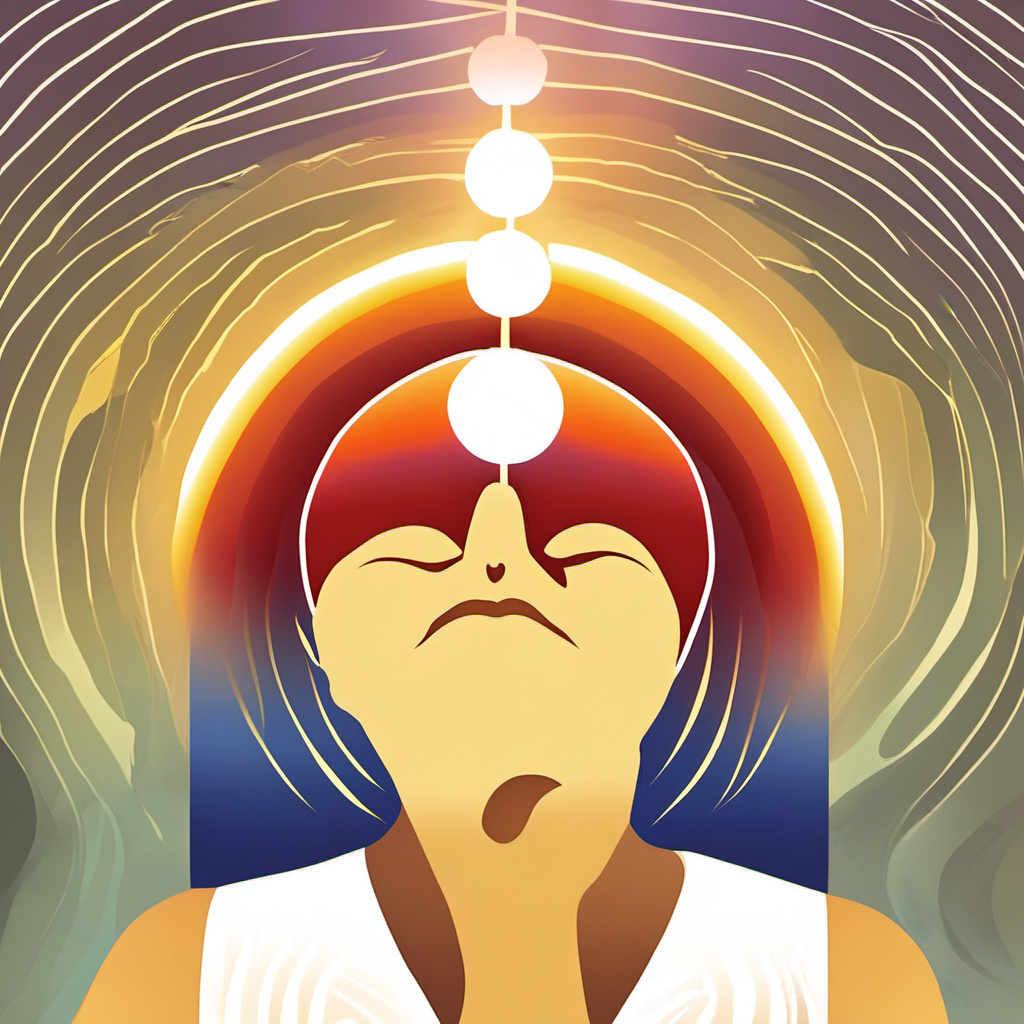
In an increasingly fast-paced world, many of us find ourselves searching for a sense of balance that transcends the physical. We look for ways to soothe our minds, heal our emotional wounds, and reconnect with a deeper part of ourselves. This is where Reiki, a Japanese form of energy healing, enters the conversation. Reiki for beginners is not just about learning a new skill; it is about embarking on a journey of self-discovery and holistic wellness. By understanding how to channel the universal life force energy that surrounds us, we can unlock a powerful tool for stress reduction, relaxation, and inner peace.
Reiki is a practice that is accessible to everyone. It does not require years of meditative training or a specific religious background. Instead, it relies on the innate ability of the human spirit to act as a conduit for healing energy. Whether you are looking to manage chronic pain, alleviate anxiety, or simply find a more profound connection to your own body, Reiki offers a gentle yet effective path forward. In this comprehensive guide, we will explore the foundations of Reiki, its historical roots, and practical ways you can begin incorporating this ancient wisdom into your modern life.
The Origins and Philosophy of Reiki
To truly appreciate Reiki, we must look back to early 20th-century Japan. The system we know today was developed by Mikao Usui, a man driven by a quest to understand the nature of healing. After a period of deep meditation and fasting on Mount Kurama, Usui experienced a profound spiritual awakening, during which he received the symbols and knowledge that form the bedrock of Reiki. He spent the remainder of his life teaching others how to access this energy, emphasizing that Reiki is a gift intended for all humanity.
The word “Reiki” is derived from two Japanese words: “Rei,” meaning universal or spiritual, and “Ki,” meaning life force energy. Together, they represent the concept of spiritually guided life force energy. The philosophy of Reiki is centered on the idea that an unseen energy flows through us and is what causes us to be alive. When this energy is high and flowing freely, we are more capable of being happy and healthy. When it is low or blocked, we are more likely to feel sick or stressed.
At the heart of the Reiki philosophy are the Five Precepts, or the Gokai. Mikao Usui intended these to be a daily spiritual practice for his students. They are: 1. Just for today, I will not worry. 2. Just for today, I will not be angry. 3. Just for today, I will be grateful. 4. Just for today, I will do my work honestly. 5. Just for today, I will be kind to every living thing. By focusing on the “just for today” aspect, Reiki encourages mindfulness and presence, helping practitioners stay grounded in the current moment rather than dwelling on the past or fearing the future.
Understanding the Subtle Energy Body
While Western medicine often focuses on the physical systems of the body—the nervous system, the circulatory system, and the like—Reiki focuses on the subtle energy body. This energetic layer, often referred to as the biofield, surrounds and interpenetrates the physical body. Practitioners believe that imbalances or blockages in this field can eventually manifest as physical or emotional ailments. By channeling Reiki energy, a practitioner helps to clear these blockages and restore the natural flow of energy.
This “Ki” or life force energy is known by many names in different cultures: Prana in India, Chi in China, and Mana in Hawaii. Despite the different names, the concept remains the same: it is the vital essence that animates all living things. When you begin your journey with Reiki for beginners, you start to develop a sensitivity to this energy. You may feel it as warmth, tingling, or a subtle vibration in your hands or throughout your body. This sensitivity is not a “superpower” but rather a refinement of a natural human sense that most of us have simply forgotten how to use.
Reiki works by raising the vibratory level of the energy field in and around the physical body where negative thoughts and feelings are attached. This causes the negative energy to break apart and fall away. In doing so, Reiki clears, straightens, and heals the energy pathways, allowing the life force to flow in a healthy and natural way. It is important to note that a Reiki practitioner does not “give” their own energy to the recipient; instead, they act as a hollow bone or a straw, allowing the universal energy to flow through them to where it is most needed.
The Role of the Seven Main Chakras
In the practice of Reiki, the energy system is often mapped using the seven main chakras. These are spinning wheels of energy located along the spine, from the base to the crown of the head. Each chakra corresponds to specific physical organs as well as emotional and spiritual states. Understanding these centers is crucial for beginners as they provide a roadmap for where to focus healing energy.
1. **Root Chakra (Muladhara):** Located at the base of the spine, it represents our foundation and feeling of being grounded. It relates to our basic survival needs and security.
2. **Sacral Chakra (Svadhisthana):** Located in the lower abdomen, it is the center of our creativity, sexuality, and emotional balance.
3. **Solar Plexus Chakra (Manipura):** Located in the upper abdomen, it governs our self-worth, confidence, and personal power.
4. **Heart Chakra (Anahata):** Located in the center of the chest, it is the bridge between the lower and upper chakras, representing love, compassion, and inner peace.
5. **Throat Chakra (Vishuddha):** Located in the throat, it governs our ability to communicate our truth and express ourselves clearly.
6. **Third Eye Chakra (Ajna):** Located between the eyebrows, it is the seat of intuition and imagination.
7. **Crown Chakra (Sahasrara):** Located at the very top of the head, it represents our connection to the divine and spiritual enlightenment.
During a Reiki session, the practitioner may place their hands on or near these chakra points to ensure they are balanced and open. For a beginner, learning to visualize these colors and locations can greatly enhance the effectiveness of self-healing sessions. If you feel particularly stressed about a conversation, you might focus energy on the throat chakra. If you feel insecure, you might focus on the solar plexus. This targeted approach allows for a more personalized healing experience.
The Three Levels of Reiki Training
Reiki is traditionally taught in three levels, each building upon the last. While you can certainly benefit from reading about Reiki and practicing basic mindfulness, formal training involves a process called an “attunement,” where a Reiki Master passes the ability to channel the energy to the student.
**Level 1 (Shoden):** This is the entry point for beginners. The focus of Level 1 is on self-healing and learning how to treat friends and family. During the attunement, the student’s energy channels are opened, allowing them to connect to the Reiki source. The training usually covers the history of Reiki, hand positions, and the Five Precepts. Most people find that Level 1 is a transformative experience that shifts their perspective on health and wellness.
**Level 2 (Okuden):** At this level, students learn the first three sacred Reiki symbols. These symbols act as keys to enhance the flow of energy and allow for distance healing—sending Reiki to someone who is not physically present. Level 2 deepens the practitioner’s connection to the energy and often involves a significant period of emotional and mental clearing. It is recommended for those who wish to offer Reiki professionally or those who want to deepen their personal practice.
**Level 3 (Shinpiden) / Master Level:** This is the highest level of training. The student receives the Master symbol and learns how to perform attunements on others. Becoming a Reiki Master is not about reaching a destination of perfection; rather, it is a commitment to a lifetime of learning, teaching, and serving as a vessel for the energy. Many people take Level 3 simply for their own personal growth without ever intending to teach.
Practical Hand Positions for Self-Healing
One of the most beautiful aspects of Reiki for beginners is that you can practice it on yourself at any time. Self-healing is the foundation of any Reiki practice. It allows you to maintain your own energetic health and provides a firsthand understanding of how the energy feels. To begin, find a quiet space where you won’t be disturbed. Sit or lie down comfortably, close your eyes, and take a few deep breaths.
Start by placing your hands over your eyes, with your palms resting gently on your cheekbones. This position helps to calm the mind and soothe the nervous system. Move your hands to the sides of your head, covering your temples and ears, which can help with headaches and mental clarity. Next, place your hands on the back of your head, cradling the base of the skull to release tension. Move to your throat, placing your hands lightly over the neck area (or hovering just above if it feels constricting) to support communication.
Continue down to your heart center, placing one hand on top of the other in the middle of your chest. This is a powerful position for emotional healing and self-love. Move to the upper abdomen (solar plexus), then to the area around the navel (sacral), and finally to the lower abdomen (root). Spend 3-5 minutes in each position, or longer if you feel a particular area needs more attention. As you hold each position, imagine a warm, glowing light flowing from your hands into your body. There is no right or wrong way to feel; simply observe whatever sensations arise without judgment.
Creating a Sacred Space for Practice
While Reiki can be practiced anywhere—on a bus, in a waiting room, or at your desk—creating a dedicated sacred space can help you enter a deeper state of relaxation. This space doesn’t need to be a whole room; a small corner or even a specific chair will do. The goal is to signal to your brain that it is time to slow down and turn inward.
Consider the sensory details of your space. Soft lighting, perhaps from candles or a salt lamp, can create a soothing atmosphere. Many practitioners like to use aromatherapy, such as lavender for relaxation or frankincense for spiritual connection. You might also include crystals that resonate with you, such as amethyst for intuition or rose quartz for heart-centered healing. Playing soft, instrumental music or nature sounds can also help drown out external distractions.
Before you begin your practice, it is helpful to perform a simple clearing ritual. You can use sage or palo santo to smoke-cleanse the area, or simply use your intention to “sweep” away any stagnant energy. Setting a clear intention is the most important part of creating a sacred space. You might say to yourself, “I create this space for my highest healing and the highest good of all.” This focus helps to align your personal energy with the universal energy you are about to channel.
Integrating Reiki into Daily Life
Reiki for beginners is most effective when it becomes a lifestyle rather than just a weekly session. The principles of Reiki can be integrated into almost every aspect of your day. Start your morning by reciting the Five Precepts. When you find yourself stuck in traffic or feeling frustrated by a coworker, return to the precept “Just for today, I will not be angry.” This shift in perspective can prevent energy blockages before they even start.
You can also use Reiki to charge your food and water. Simply hold your hands over your meal for a few moments before eating, intending that the food provides optimal nourishment and vitality to your body. If you have pets, you’ll find they are often very receptive to Reiki. Most animals instinctively know where they need healing and will lean into your hands when you offer energy. Even your houseplants can benefit from a few minutes of Reiki energy during watering.
Another powerful way to integrate Reiki is through “grounding” at the end of the day. After interacting with many people and environments, your energy field can become cluttered. Spend a few minutes visualizing roots growing from your feet deep into the earth, and use Reiki to flush out any energy that isn’t yours. This practice ensures that you don’t carry the stress of the day into your sleep, leading to a more restful and restorative night.
Common Experiences and What to Expect
As a beginner, you might wonder if you are “doing it right” or why you aren’t feeling what others describe. It is important to remember that everyone’s experience with Reiki is unique. Some people feel intense heat emanating from their hands, while others feel a cold breeze or a tingling sensation like “pins and needles.” Some may see colors or images in their mind’s eye, and some may feel nothing at all during the session but notice they are significantly calmer and more patient in the days following.
Emotional releases are also common. Because Reiki works on an energetic level, it can sometimes dislodge suppressed emotions. Do not be surprised if you feel a sudden urge to cry or if memories surface during a session. This is a positive sign that healing is occurring. The energy is simply helping you process and release what no longer serves you. Always drink plenty of water after a Reiki session to help your physical body process the energetic changes.
Consistency is key. Like any other discipline, your sensitivity to energy will grow the more you practice. Don’t be discouraged if your first few attempts at self-healing feel subtle. Over time, you will begin to recognize the subtle nuances of the energy flow. Trust the process and trust the energy. Reiki is often described as “intelligent energy”—it knows exactly where to go and what to do, regardless of whether you consciously understand the process.
Bridging the Gap: The Science and Biofield Research
While Reiki is often discussed in spiritual or metaphysical terms, there is a growing body of research attempting to understand its effects through the lens of biophysics. The concept of the “biofield”—a field of energy and information that surrounds and interpenetrates the human body—is increasingly recognized in integrative medicine. Research suggests that the human heart produces the largest electromagnetic field in the body, which can be measured several feet away with sensitive instruments. Reiki practitioners believe that during a session, they are modulating this biofield, creating a resonant frequency that encourages the recipient’s nervous system to shift from a sympathetic (fight-or-flight) state to a parasympathetic (rest-and-digest) state.
Clinical studies conducted in hospital settings have shown that Reiki can significantly reduce heart rate, lower blood pressure, and decrease levels of cortisol, the body’s primary stress hormone. For a beginner, understanding this “bridge” is helpful because it validates the physical sensations you may experience. When you feel heat in your palms, it is not merely an imagined sensation; it is often a measurable increase in blood flow and skin temperature. This physiological response creates an optimal environment for the body’s natural healing mechanisms to take over. Hospitals like the Mayo Clinic and Johns Hopkins now offer Reiki as a complementary therapy precisely because of its ability to improve patient outcomes by managing the physiological markers of stress and pain.
Furthermore, the phenomenon of “biofield resonance” explains why a practitioner doesn’t feel drained after a session. Instead of using their own metabolic energy, they are tapping into a larger environmental field. This is similar to how a tuning fork, when struck, will cause another nearby tuning fork of the same frequency to begin vibrating. By holding a high-frequency, calm energetic state, the Reiki practitioner invites the recipient’s disorganized or stressed energy to harmonize with that calmer state. This scientific perspective helps demystify the process, making it more approachable for those who may be skeptical of purely spiritual explanations.
The Art of Byosen Reikan: Scanning for Energy Blockages
In traditional Japanese Reiki, a vital technique taught to practitioners is called *Byosen Reikan*. “Byo” means sick or stuck, and “Sen” means line or localized area. This practice involves scanning the recipient’s body (or your own) with your hands to detect areas where the energy is stagnant or imbalanced. For a beginner, developing this sensitivity is one of the most rewarding aspects of the practice. Instead of simply following a set of rote hand positions, *Byosen* allows you to listen to what the body actually needs in the moment.
When performing a scan, you move your hands slowly a few inches above the body, from the head down to the toes. You are looking for “Hibiki,” or sensations in your hands that indicate an energetic disturbance. These sensations generally fall into five categories:
1. **Warmth:** A gentle heat, indicating the area is receptive and beginning to process energy.
2. **Strong Heat:** Often indicates a high level of inflammation or a chronic blockage that is drawing heavily on the Reiki energy.
3. **Tingling (Pulsing):** A sensation like “pins and needles,” which often suggests a recent injury or an area where the energy is moving rapidly but is somewhat disorganized.
4. **Numbness:** A feeling that the energy is “blank” or cold, which can indicate a deep-seated, long-term blockage or an emotional numbing in that area.
5. **Pain or Aching:** Sometimes the practitioner feels a sharp sensation in their own hands or wrists. This is a reflection of the intensity of the blockage in the recipient, not an injury to the practitioner.
Learning to interpret these signals takes time and patience. As a beginner, do not worry if you don’t feel all five types of Hibiki immediately. Start by noticing the difference between the “quiet” areas of the body and the “loud” areas. When you find a loud area—one with intense heat or tingling—simply keep your hands there until the sensation begins to subside or change. This is the essence of intuitive healing: the body tells you where it hurts, and you provide the space for it to mend.
Targeted Hand Placements for Specific Modern Ailments
While the standard hand positions cover the major chakras, Reiki can be adapted to address specific physical and emotional challenges common in modern life. For beginners, having a “toolkit” of targeted placements can make the practice feel more practical and immediate. For instance, if you suffer from **digital eye strain or tension headaches** due to excessive screen time, focus on the “T-position.” Place one hand horizontally across the forehead and the other vertically over the crown. This helps to disperse the concentrated mental energy that often gets stuck in the frontal lobes.
For **digestive issues and anxiety-related stomach knots**, focus on the area just below the ribcage (the solar plexus) and the lower abdomen. However, an often-overlooked position is the “Adrenal Reset.” Place your hands on your lower back, just above the kidneys. In our high-stress culture, the adrenal glands are often overworked, leading to chronic fatigue. Channeling Reiki here for 10–15 minutes can provide a profound sense of rejuvenation that feels more stable than a caffeine boost. If you cannot reach your lower back comfortably, you can achieve a similar effect by placing your hands on the tops of your thighs, intending the energy to flow upward into the root and sacral areas.
In cases of **grief or emotional heartache**, the heart chakra is the obvious choice, but adding a hand to the “high heart” (the thymus gland, located between the throat and the heart) can be particularly soothing. This area is linked to the immune system and our sense of “self.” By supporting the thymus, you help the body maintain its resilience during periods of emotional upheaval. For **insomnia**, try placing one hand on the base of the skull (the occiput) and the other on the third eye. This helps to quiet the “monkey mind” and signals the nervous system that it is safe to descend into deep sleep.
The 21-Day Clearing Process and the “Healing Crisis”
A unique aspect of Reiki for beginners, especially after receiving a formal attunement, is the 21-day clearing cycle. This period is a time of energetic detoxification where the body adjusts to its new, higher vibratory frequency. It is based on the idea that it takes roughly three weeks for the physical and energetic bodies to fully integrate significant changes. During this time, you may experience what is known in holistic circles as a “healing crisis” or a Herxheimer reaction.
A healing crisis occurs when the body releases toxins—both physical and emotional—faster than they can be eliminated. You might experience mild flu-like symptoms, unusual fatigue, vivid dreams, or a temporary surge in emotions like irritability or sadness. While this can be disconcerting, it is actually a sign of progress. It means the Reiki is successfully dislodging “sludge” that has been stored in your tissues or energy field for years. To navigate this period, it is essential to practice self-Reiki every single day, drink double your usual intake of water, and allow yourself extra rest.
Edge cases during this 21-day period include “energetic sensitivity,” where you might find that loud noises, bright lights, or certain foods suddenly feel overwhelming. This is because your sensory system is becoming more refined. If this happens, use the grounding techniques mentioned earlier—visualizing roots into the earth—and spend time in nature. Remember that the goal of Reiki is not to make you a “perfect” person, but to make you a more “whole” person. The clearing process is simply the removal of the layers that have obscured your natural radiance.
Japanese Purification Techniques: Kenyoku-ho and Joshin Kokyu-ho
Beyond hand placements, the Japanese tradition of Reiki includes specific exercises designed to strengthen the practitioner’s own energy and maintain “energetic hygiene.” Two of the most important for beginners are *Kenyoku-ho* (Dry Bathing) and *Joshin Kokyu-ho* (Cleansing Breath). These techniques are invaluable for ensuring that you don’t take on the “weight” or “vibes” of the people and environments around you.
**Kenyoku-ho** is a method to disconnect from others’ energies and clear your own aura. To practice this, start with your right hand on your left shoulder. Sweep your hand diagonally across your chest to your right hip with a firm, exhaling breath. Repeat this from the left shoulder to the right hip. Finally, extend your left arm and sweep your right hand from the shoulder down to the fingertips. Repeat on the other arm. This physical “brushing” motion helps to sever energetic cords and reset your personal boundaries. It is especially useful after a difficult meeting at work or a crowded commute.
**Joshin Kokyu-ho** is a meditative breathing technique that translates to “breathing to purify the spirit.” Sit comfortably and imagine Reiki energy entering through your crown chakra as you inhale. Visualize this light traveling down to your “Hara” or “Tanden” (the energy center located about two inches below the navel). Hold the breath for a moment, imagining the light expanding to every cell in your body. As you exhale, imagine the light expanding out through your skin and into your aura, filling the room. This practice not only calms the mind but also “stretches” your energetic capacity, making you a clearer and more powerful conduit for the Reiki energy during sessions.
Ethical Boundaries and the Importance of Consent
As you become more comfortable with Reiki, you may feel a strong desire to help everyone around you. However, one of the most critical lessons for any energy healer is the importance of ethical boundaries and energetic consent. In the Reiki tradition, it is generally taught that you should never send or perform Reiki on someone without their explicit permission. This is not just a matter of manners; it is a fundamental respect for the individual’s free will and their own soul’s journey.
There is an edge case often discussed regarding people who are unconscious or unable to give consent (such as those in a coma or very young children). In these instances, many practitioners use a “soul-level” request. You might silently ask the person’s higher self if they are willing to receive the energy. If you feel a sense of resistance, heaviness, or a “no,” you must honor that and stop. Another ethical approach is to simply offer the energy to the “situation” or to the person’s “highest good,” allowing the energy to remain available for them to take if they choose, rather than “pushing” it into their field.
Furthermore, maintaining your own boundaries is essential to prevent burnout. New practitioners often make the mistake of trying to “fix” people. Reiki is not about fixing; it is about supporting. When you try to fix someone, you often inadvertently start using your own personal energy, which leads to exhaustion. By remaining a “hollow bone” or a conduit, you ensure that the healing process belongs to the recipient and the universal energy, not to your ego. This detachment is what allows a practitioner to remain energized and clear even after working with someone who is in deep distress.
Advancing to Level 2: The Mechanics of Symbols and Distance
While this guide focuses on the beginner’s journey, it is helpful to understand what lies ahead in Level 2 (*Okuden*), as it shifts the focus from the physical to the mental and emotional realms. In Level 2, students are introduced to three sacred symbols. These symbols are not “magic charms” in themselves; rather, they act as mnemonic devices or “focusing tools” that help the practitioner’s mind access specific frequencies of energy. For example, the Power Symbol (*Cho Ku Rei*) is used to amplify the energy or provide protection, while the Mental/Emotional Symbol (*Sei He Ki*) is used for clearing deep-seated habits and traumas.
The third symbol, the Distance Symbol (*Hon Sha Ze Sho Nen*), is perhaps the most fascinating for beginners. It operates on the principle that in the quantum field, time and space are not barriers. This allows a practitioner to send Reiki to someone across the world, or even to a past version of themselves to heal a childhood trauma. For a beginner, you can start practicing the *concept* of distance healing by sending “good vibes” or light to a friend, but the formal Level 2 training provides a structured framework for this work.
Frequently Asked Questions
Is Reiki a religion?
No, Reiki is not a religion. It has no dogma, and you do not have to believe in anything specific to learn or use it. While it is spiritual in nature, it is practiced by people of all faiths, as well as those with no religious affiliation. It is a tool for wellness and personal growth that complements any belief system.
Can Reiki replace traditional medical treatment?
Reiki should never be used as a replacement for traditional medical care. It is a complementary therapy intended to work alongside conventional medicine. Reiki can help reduce the side effects of medications, speed up recovery after surgery, and improve a patient’s overall sense of well-being, but you should always consult with a healthcare professional for any medical concerns.
Can I teach myself Reiki from a book?
While you can learn about the history, hand positions, and philosophy from books, the traditional practice of Reiki requires an attunement from a Reiki Master. This attunement is believed to open your energy channels in a way that self-study alone cannot. However, practicing the hand positions and the Five Precepts on your own is a wonderful way to prepare for formal training.
How long does a Reiki session last?
A full professional Reiki session typically lasts between 60 and 90 minutes. However, for self-healing, even 5 to 10 minutes can be incredibly beneficial. The beauty of Reiki for beginners is that it is flexible; you can do a quick session on your lunch break or a longer, more thorough session before bed.
What does a Reiki attunement feel like?
An attunement is a very personal experience. Some students report feeling a sense of deep peace or spiritual connection, while others experience physical sensations like heat or light. Some may have vivid dreams or a period of emotional detoxification following the attunement. It is generally described as a very positive and life-affirming event that marks the beginning of a new chapter in one’s healing journey.
Related posts:
 Hand Stretches for Relief
 Spring Equinox Supermoon Guide
 Discovering Earth’s Sacred Energy Points: A Journey Through Our Planet’s Chakras
 Hand Cream for Cracked Skin
 60 Meditation Exercises and Activities to Relieve Stress & Anxiety
 Moonstone Magic: Unlocking the Mystical Powers of This Celestial Gem
 Energy Work Is the New Self-Care
 Hydrating Hand Creams from Sephora to Combat Dry Skin