
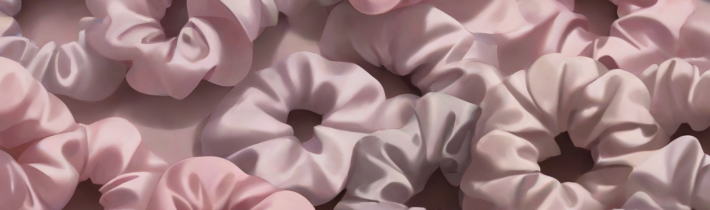
In the cyclical world of fashion, few accessories have staged a comeback as triumphant or as beneficial as the scrunchie. Once the hallmark of 1980s aerobics videos and 1990s teen sitcoms, the scrunchie was relegated to the back of bathroom drawers for nearly two decades, dismissed as a relic of a bygone era. However, the modern resurgence of this fabric-covered elastic is not merely a play on nostalgia. It represents a significant shift in how we approach hair health, self-care, and sustainable luxury. The return of silk scrunchies, in particular, marks a convergence of aesthetic beauty and functional wellness, proving that some trends return because they were fundamentally better for us all along.
The Evolution of the Scrunchie: From Utility to Luxury
To understand the current obsession with silk scrunchies, we must look at their origin. Invented in 1986 by Rommy Revson, the scrunchie was designed as a gentler alternative to the harsh metal-clasped elastics and rubber bands that dominated the market. Revson, seeking a way to secure her hair without causing damage, took inspiration from the waistband of her pajama pants. The result was a soft, fabric-encased band that provided tension without the friction of exposed rubber.
While the original 1980s versions were often made of neon spandex or crushed velvet, the 2020s iteration has undergone a sophisticated makeover. Today’s scrunchies are crafted from high-grade Mulberry silk, featuring muted earth tones, elegant jewel shades, and minimalist patterns. This evolution from a kitschy accessory to a high-end hair care tool is driven by a growing consumer awareness of hair integrity. We are no longer just looking for something to hold our hair back; we are looking for an accessory that treats our hair with the same respect as our skincare routine.
Why Silk? The Science of Hair Protection
The primary reason silk scrunchies have become a staple in the kits of professional stylists and trichologists alike is the material’s unique biological properties. Unlike cotton or synthetic polyester (often marketed as satin), genuine silk is a natural protein fiber composed primarily of fibroin and sericin. These proteins are remarkably similar to the keratin found in human hair.
Reduced Friction and Mechanical Damage: When you use a traditional elastic band, the rough surface of the elastic creates friction against the hair cuticle. Over time, this friction lifts the cuticle scales, leading to frizz, split ends, and eventually, mid-shaft breakage. Silk has an incredibly smooth surface area. A silk scrunchie glides over the hair rather than tugging at it, which significantly reduces the risk of mechanical damage during both application and removal.
Moisture Retention: Cotton is a highly absorbent material. While this is great for towels, it is detrimental for hair. A cotton tie can strip your hair of its natural oils and the expensive leave-in conditioners you apply. Silk, conversely, is much less absorbent. It helps maintain the hair’s natural hydration levels, which is particularly crucial for those with dry, brittle, or curly hair types that are prone to dehydration.
Eliminating the “Pony Dent”: We have all experienced the dreaded ridge left behind after wearing a ponytail for several hours. This is caused by the concentrated pressure of a thin elastic. The wide surface area of a silk scrunchie distributes the pressure more evenly across the hair, preventing the sharp indentation and reducing the tension headaches often associated with tight hairstyles.
Comparing Silk vs. Satin vs. Cotton
It is common for consumers to confuse silk and satin, especially since they can look similar at a distance. However, the difference is vital for hair health. Silk is a fiber, whereas satin is a weave. Most “satin” scrunchies found in big-box retailers are actually made from polyester or nylon. While these are smoother than cotton, they are still synthetic plastics that do not offer the breathability or protein-based benefits of real silk.
- Cotton: High friction, high absorption, prone to causing tangles and breakage. Best for utility but worst for hair health.
- Synthetic Satin (Polyester): Low friction but non-breathable. It can trap heat and sweat against the scalp and lacks the amino acids found in natural silk.
- Mulberry Silk: The gold standard. It is breathable, hypoallergenic, and contains natural proteins. It offers the lowest friction and best moisture retention.
When shopping for silk scrunchies, look for the “Momme” weight. Momme (mm) is a unit of measurement for the weight and quality of silk. For hair accessories, a weight between 19mm and 25mm is ideal. It provides enough durability to withstand daily use while remaining soft enough to protect the hair.
How to Style Silk Scrunchies for Every Occasion
The versatility of the silk scrunchie is one of its greatest strengths. It can transition from a morning yoga session to a high-powered boardroom meeting with ease. Here are several ways to incorporate them into your look:
The Polished Low Bun: For a professional setting, gather your hair at the nape of the neck and twist it into a neat chignon. Secure it with a slim silk scrunchie in a neutral tone like champagne, navy, or charcoal. This keeps the look sophisticated while ensuring your hair stays healthy throughout the workday.
The “Half-Up” Accent: To add a touch of femininity to a casual outfit, pull the top third of your hair back and secure it with a midi-sized silk scrunchie. This works exceptionally well with wavy or textured hair, as the silk won’t disrupt your natural curl pattern.
The High-Fashion Pony: Channel 90s supermodel energy by securing a high ponytail at the crown of your head. Use an oversized silk scrunchie in a bold color like emerald or burgundy to make the accessory the focal point of your outfit. This style is not only trendy but also protects the fragile hairs at the crown from snapping under tension.
The Wrist Accessory: One of the most practical aspects of the return of the scrunchie is that they look charming worn on the wrist. Unlike traditional elastics that can cut off circulation and look unsightly, a silk scrunchie looks like a soft, decorative bracelet, ensuring you always have a hair tie ready when you need it.
Silk Scrunchies for Different Hair Types
While everyone can benefit from switching to silk, certain hair types will see more dramatic results than others. Understanding your hair’s specific needs can help you choose the right size and weight of scrunchie.
Curly and Coily Hair (Types 3 and 4): Curly hair is naturally more fragile and prone to dryness because the scalp’s oils have a harder time traveling down the coiled hair shaft. Silk scrunchies are a game-changer for the “pineapple” method (securing hair loosely at the top of the head before sleep). The silk prevents the curls from being crushed or frizzing overnight.
Fine or Thinning Hair: For those with fine hair, traditional elastics can be devastating, often pulling out several strands every time they are removed. Silk scrunchies provide a gentle grip that doesn’t require multiple tight loops to stay in place, reducing the risk of traction alopecia or thinning at the temples.
Thick and Heavy Hair: If you have high-density hair, you may have avoided scrunchies in the past because they didn’t feel secure. Look for “Large” or “Maxi” silk scrunchies with a reinforced interior elastic. These offer the structural integrity needed to hold heavy hair while still providing the protective silk exterior.
Chemically Treated or Bleached Hair: Hair that has been colored or chemically straightened is more porous and susceptible to snapping. Silk is non-negotiable for this hair type. It prevents the further degradation of the hair shaft that occurs with rougher materials.
Caring for Your Silk Accessories
Because silk is a natural protein fiber, it requires more care than synthetic alternatives. To ensure your silk scrunchies last for years, follow these maintenance tips:
Hand Washing: The best way to clean silk is by hand. Fill a sink with cool water and add a small amount of pH-neutral liquid detergent (specifically formulated for silk or wool). Submerge the scrunchie and gently agitate the water. Avoid rubbing the fabric against itself, as this can damage the fibers.
Rinsing and Drying: Rinse thoroughly in cool water. To dry, do not wring the scrunchie. Instead, lay it flat on a clean white towel and gently press to absorb excess moisture. Allow it to air dry away from direct sunlight, which can fade the natural dyes and make the silk brittle.
Frequency: You don’t need to wash your scrunchies after every use. However, if you use them during workouts or if they become coated in hairspray, a wash every two to three weeks is recommended to maintain the luster and hygiene of the fabric.
Sustainable Luxury: Choosing Ethical Silk
As we become more conscious of our environmental footprint, the ethics of our fashion choices come into play. Silk is a biodegradable, natural fiber, making it a more sustainable choice than plastic-based synthetics. However, not all silk production is equal.
When purchasing, look for brands that prioritize OEKO-TEX® Standard 100 certification. This ensures that the silk has been tested for harmful substances and is safe for both the wearer and the environment. Additionally, for those concerned with animal welfare, “Peace Silk” or “Ahimsa Silk” is an alternative where the silk is harvested after the silkworm has emerged from the cocoon naturally, rather than during the traditional boiling process.
Investing in a few high-quality silk scrunchies rather than a pack of twenty cheap plastic ties is a form of “slow fashion.” These accessories are built to last, reducing the waste that ends up in landfills and supporting a more intentional way of consuming beauty products.
Incorporating Silk into Your Nighttime Routine
The benefits of silk shouldn’t stop when the sun goes down. In fact, nighttime is when your hair is most vulnerable to damage as you toss and turn against your pillowcase. Integrating silk scrunchies into your sleep hygiene can transform your hair’s health.
Many people find that sleeping with their hair in a loose bun or braid secured by a silk scrunchie prevents morning tangles and minimizes the need for heat styling the next day. By keeping the hair contained in a smooth silk barrier, you reduce the surface area exposed to friction. This is often referred to as “protective styling.” When paired with a silk pillowcase, the silk scrunchie creates a friction-free environment that allows you to wake up with hair that looks almost as good as it did when you went to bed.
Conclusion: A Small Change with Big Results
The return of silk scrunchies is a rare example of a fashion trend that is rooted in genuine utility. In an era where we are inundated with complex hair treatments and expensive salon procedures, the humble silk scrunchie offers a simple, effective, and accessible way to protect our hair from daily wear and tear. It is a reminder that sometimes, the best way to move forward is to look back and refine the tools we already had.
Whether you are choosing one for its aesthetic charm, its hair-protecting properties, or its sustainable credentials, the silk scrunchie is more than just a 90s throwback. It is a modern essential for anyone looking to infuse their daily routine with a touch of luxury and a lot of care. By making this small switch, you are investing in the long-term health of your hair, one gentle loop at a time.
Decoding Silk Grades: Beyond Momme to Fiber Quality
While the existing discussion on Momme weight provides a foundational understanding of silk density, discerning consumers should also look for the “Grade” of the silk used in their scrunchies. Silk is graded on a scale from A, B, to C, with Grade A being the highest quality. Within Grade A, there are further sub-rankings, with 6A representing the pinnacle of silk production. A 6A grade indicates that the silk consists of long-strand fibers that are exceptionally pearlescent, uniform in color, and remarkably durable.
The importance of fiber length cannot be overstated when it comes to hair accessories. Lower-grade silk often utilizes shorter fibers or “silk waste,” which can result in a slightly rougher texture that may develop pills or snags over time. These micro-tears in the fabric can catch on individual hair strands, negating the very friction-reducing benefits for which silk is prized. When a scrunchie is crafted from 6A long-strand Mulberry silk, it maintains a glass-like surface even after multiple uses and washes, ensuring that the hair cuticle remains flat and undisturbed. This is an essential consideration for those with high-porosity hair, where the cuticle is already slightly raised and prone to snagging on inferior textiles.
Furthermore, the weave of the silk—most commonly Charmeuse for scrunchies—plays a role in its functionality. Charmeuse features a high-luster floating warp on the front and a dull, flat finish on the back. In a high-quality silk scrunchie, the lustrous side is always facing outward, but the internal construction is equally vital. The best manufacturers ensure the interior elastic is stitched in a way that it does not twist within the silk casing, a common frustration that can lead to uneven tension and hair pulling. This attention to structural detail separates a luxury hair tool from a mere fashion accessory.
The “Skinification” of Haircare: Silk as a Topical Treatment
The beauty industry is currently undergoing a shift known as the “skinification” of hair, where consumers treat their scalp and strands with the same level of ingredient-conscious care as their facial skin. In this context, the silk scrunchie is no longer just a fastener; it is a passive topical treatment. As mentioned previously, silk contains sericin, a natural protein that acts as a coating agent. In the medical field, sericin is often used in wound healing due to its biocompatibility and ability to promote moisture retention. When worn against the hair, silk does not just “not steal” moisture; it helps to create a sealed environment for the hair’s natural lipids.
Consider the edge case of individuals living in hard water areas. Hard water deposits minerals like calcium and magnesium onto the hair shaft, making it feel brittle and straw-like. Using a silk scrunchie can help mitigate the secondary damage caused by these minerals. Because silk is naturally hypoallergenic and resistant to dust mites and mold, it provides a clean surface for compromised hair. For those using expensive bond-repairing treatments or scalp serums, the non-absorbent nature of silk ensures that these products remain in the hair fibers rather than being wicked away by a cotton or synthetic tie. This makes the silk scrunchie an essential component of a high-performance haircare regimen, acting as a protective barrier that preserves the efficacy of other products.
Strategic Color Selection: Aesthetics and Hair Undertones
Choosing the right color for a silk scrunchie involves more than just matching an outfit; it can be used to enhance the natural dimensions of your hair color. Professional stylists often use silk accessories to create contrast or harmony with a client’s specific undertones. For those with cool-toned blonde or platinum hair, silver, charcoal, or icy blue silk scrunchies can neutralize brassiness and make the hair appear brighter. Conversely, warm-toned blondes and honey brunettes benefit from champagne, gold, or copper tones, which reflect light in a way that emphasizes the warmth of the hair.
For individuals with dark brunette or black hair, deep jewel tones like emerald green, royal purple, or burgundy provide a sophisticated pop of color without looking juvenile. These deep shades in a silk finish create a multi-dimensional glow that mimics the effect of a professional gloss treatment. There is also the strategy of “camouflage” styling. If you want the benefits of a silk scrunchie but prefer a more minimalist, invisible look, matching the scrunchie precisely to your hair color—such as a rich espresso for dark brown hair or a soft sand for light blondes—allows the accessory to blend in, providing support and protection without becoming a visual focal point. This is particularly useful in conservative corporate environments where a neon or oversized accessory might feel out of place.
Managing Seasonal Hair Stressors with Silk Adaptability
Hair reacts differently to the changing seasons, and silk scrunchies offer unique solutions for both winter and summer challenges. During the winter months, static electricity is a major concern. The friction from wool coats, scarves, and hats, combined with dry indoor heating, causes hair strands to repel each other, leading to flyaways and frizz. Silk is naturally anti-static. By securing the hair in a silk scrunchie, you reduce the surface area exposed to the dry air and prevent the build-up of static charge that occurs with synthetic materials like polyester or nylon.
In the summer, the primary enemies are humidity and UV exposure. High humidity causes the hair shaft to swell as it absorbs moisture from the air, leading to the dreaded “poof” effect. A silk scrunchie, particularly when used in a sleek bun, helps keep the hair compressed and the cuticles closed, making it harder for environmental moisture to penetrate the shaft. Furthermore, while we often think of sunscreen for our skin, our hair also suffers from UV degradation, which can fade color and weaken protein bonds. While a scrunchie doesn’t cover the whole head, using an oversized “maxi” silk scrunchie can provide a small degree of physical shade to the hair gathered within it, protecting the inner layers from direct sun exposure during outdoor activities.
Troubleshooting Slippage: Techniques for Fine and Silky Hair
A common critique of silk scrunchies is that they can occasionally slip, especially for those with very fine, straight, or freshly washed hair. This is due to the very property that makes silk so good for hair: its low friction. However, there are professional techniques to ensure a secure hold without sacrificing the health of your strands. The most effective method is the “anchor technique.” Use a very small, clear polyurethane elastic to create a loose ponytail first. Then, place the silk scrunchie over it. The polyurethane provides the grip against the hair, while the silk scrunchie provides the bulk of the tension and prevents the outer layers of hair from touching the elastic.
Another approach for those with “slippery” hair is to choose a “skinny” or “slim” silk scrunchie. These have a higher ratio of elastic-to-silk, providing a tighter grip than the voluminous maxi versions. Additionally, placement matters. A high ponytail is more likely to slip due to gravity; choosing a mid-height or low ponytail allows the scrunchie to rest more securely against the head. For those who find their scrunchie sliding out during a workout, try a “double-loop” method where the hair is pulled halfway through on the final wrap, creating a small loop or bun that provides more surface area for the scrunchie to grip onto. This ensures that even the silkiest hair remains contained during high-movement activities.
The Physics of the “Nape Knot” and How Silk Prevents It
One of the most frustrating hair issues, particularly for those with medium to long hair, is the “nape knot”—that dense tangle that forms at the base of the neck where hair rubs against collars, scarves, or the back of a chair. This area is a high-friction zone, and traditional hair ties often exacerbate the problem by trapping loose hairs and tangling them into the elastic. Because silk scrunchies have a wide, smooth surface area, they act as a buffer between the hair and the abrasive surfaces of clothing.
By securing the hair in a low ponytail with a silk scrunchie, you effectively “bundle” the strands together, preventing them from rubbing individually against your clothes. This is especially important when wearing high-neck sweaters or heavy winter coats, which are notorious for causing matting at the nape. The silk casing allows the hair to glide smoothly within the tie, so even if the ponytail moves as you walk, the individual strands aren’t being ground against each other. For long-term hair growth, preventing these nape tangles is crucial, as the aggressive brushing required to remove them often leads to significant breakage in a localized area, resulting in uneven hair length and a “shaggy” appearance at the bottom of the hair’s silhouette.
The Economics of Silk: Identifying Counterfeits and Quality
As silk scrunchies have grown in popularity, the market has been flooded with “silky” alternatives that are often deceptive. Understanding the economics of silk production can help you identify whether a product is genuine. Pure Mulberry silk is a labor-intensive product; it takes thousands of cocoons to produce a single pound of silk. Therefore, if a set of five large scrunchies is being sold for a price that seems too good to be true, it almost certainly is. Most of these budget options are made from “satinized” polyester or “art silk” (rayon), which lack the amino acids and breathability of the real fiber.
To verify the authenticity of your accessory, you can perform a “burn test” on a tiny, inconspicuous thread from the inside seam. Real silk burns slowly and smells like burning hair (since both are protein-based). It leaves behind a brittle, black ash that turns to powder when touched. In contrast, synthetic fibers like polyester will melt, smell like burning plastic, and form a hard, uncrushable plastic bead. Another indicator is the temperature of the fabric; real silk is a poor conductor of heat and will feel cool to the touch but quickly warm up to your body temperature. Synthetics often feel “clammy” or stay cold. By investing in genuine silk, you are not just paying for a brand name; you are paying for a specific biological material that interacts with your hair in a way that plastic-based fibers simply cannot replicate.
Frequently Asked Questions
1. Are silk scrunchies really worth the higher price point compared to regular hair ties?
Yes, they are generally considered a worthwhile investment for hair health. While a pack of traditional elastics is cheaper upfront, they cause cumulative damage to the hair cuticle that often requires expensive salon treatments or products to fix. A high-quality silk scrunchie can last for years with proper care and prevents breakage, meaning you spend less on hair repair in the long run.
2. Can I wear silk scrunchies during a workout?
You can, but it depends on the intensity of the workout. For yoga, Pilates, or weightlifting, silk scrunchies are excellent because they don’t pull on the scalp. For high-intensity cardio or swimming, you might prefer a more rugged tie. If you do sweat in your silk scrunchie, make sure to hand wash it afterward to prevent salt and oils from breaking down the natural silk fibers.
3. How can I tell if a scrunchie is real silk or just polyester satin?
The most reliable way is to check the fabric label. Real silk will usually specify “100% Mulberry Silk.” You can also tell by the touch; silk has a unique “warm” softness and a subtle, multidimensional sheen, whereas polyester satin feels more slippery, “cold,” and has a very shiny, plastic-like reflection. The price is also a giveaway; genuine silk is rarely sold in bulk for very low prices.
4. What is the best Momme weight for a hair scrunchie?
For hair accessories, 22-Momme is widely considered the “sweet spot.” It is heavy enough to be durable and opaque but light enough to remain soft and flexible. 19-Momme is also good for smaller, thinner scrunchies, while 25-Momme is exceptionally luxurious and thick, often used for oversized statement pieces.
5. Do silk scrunchies lose their elasticity over time?
Like any elastic product, the interior band will eventually lose some tension with daily use. However, because silk scrunchies don’t need to be wrapped as tightly as thin elastics to stay secure, the inner elastic often lasts longer. To prolong the life of the elastic, avoid over-stretching it and store your scrunchies in a cool, dry place rather than leaving them stretched out on a doorknob or bottle.
Related posts:
 Washable Silk Pajamas for Lounging and Sleep
 Ruth Bader Ginsburg’s Scrunchie Love
 Eberjey’s Washable Silk Sleepwear: Luxurious Comfort for Better Rest
 Metal Hair Cuffs: The French Girl’s Alternative to Scrunchies
 Sleeping on a Silk Pillowcase: Benefits for Hair and Skin
 Best Silk Robes Guide
 How to Maintain Your Silk Press
 Why Satin and Silk Pillowcases Are Better for Your Hair and Skin