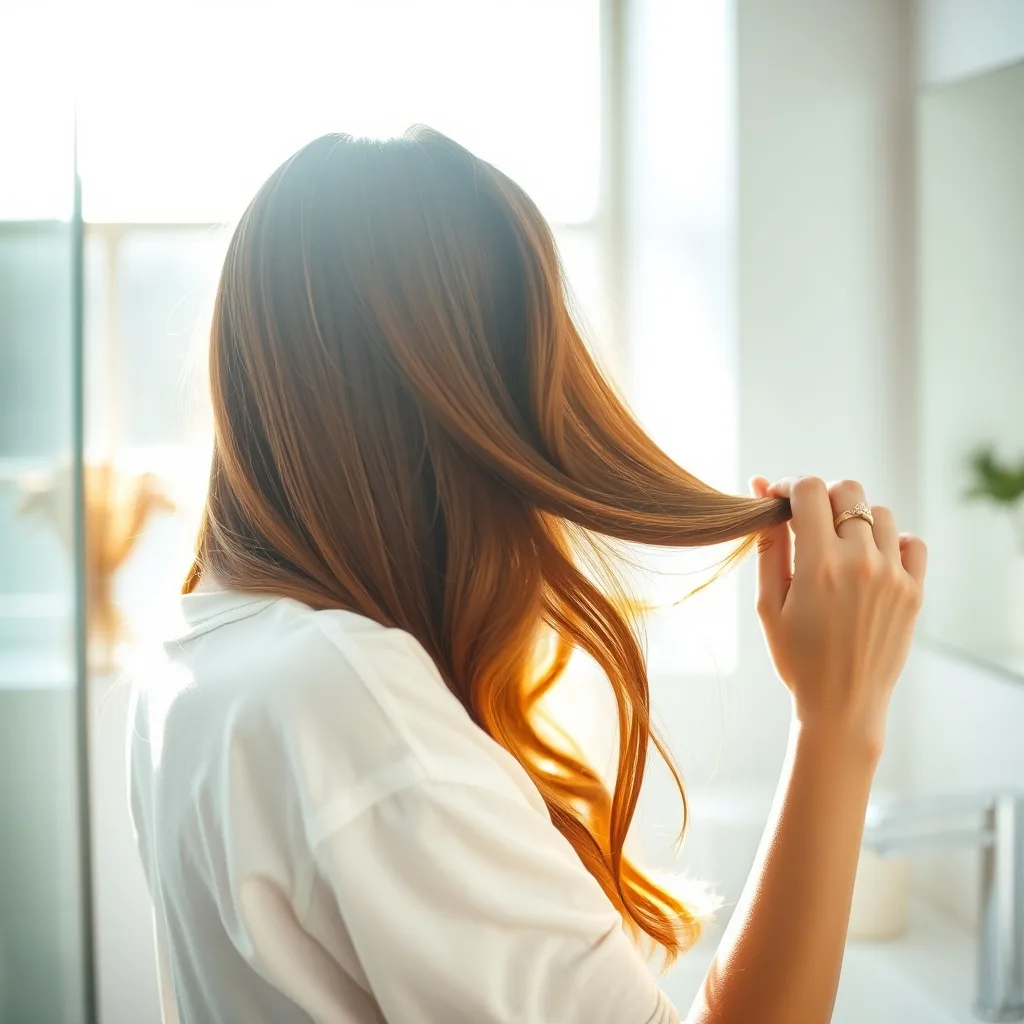
Extreme heat styling can leave hair brittle, frizzy, and prone to breakage. When temperatures soar above 200 °C the protein structure of each strand is compromised, leading to loss of elasticity and shine. This guide walks you through a science‑backed recovery plan that leverages Dyson’s intelligent heat control and airflow technology, helping you restore strength without sacrificing style.
Key takeaways
- Use Dyson tools with intelligent heat control to prevent temperature spikes that cause cuticle damage.
- Perform a strand test to assess elasticity and porosity before tailoring your repair and styling routine.
- Limit heat styling to 150°C for fine hair and 180°C for coarse hair to protect keratin bonds.
- Apply bond-building primers and thermal buffers to damp hair to strengthen strands before heat exposure.
- Incorporate weekly deep-conditioning masks and consistent trims to remove split ends and restore moisture.
Understanding Extreme Heat Damage
Heat damage occurs when the cuticle, the outer protective layer of the hair shaft, lifts or cracks. Repeated exposure to flat irons, curling wands, and blow‑dryers at maximum settings strips moisture and weakens keratin bonds. Signs include split ends that travel up the shaft, a rough texture that feels like straw, and a dull appearance that no amount of serum can mask. Recognising these symptoms early lets you intervene before the damage becomes irreversible.
Why Dyson Technology Stands Out
Dyson’s hair tools use a digital motor that measures temperature 20 times per second, adjusting power to keep the barrel or nozzle at a precise set point. This prevents the temperature spikes that cause the most severe cuticle damage. The Airwrap styler, Supersonic dryer, and Corrale straightener all share this intelligent heat control, delivering consistent results while limiting thermal stress. Independent lab tests show up to 30 % less cuticle cracking compared with conventional high‑heat tools.
Assessing Your Hair’s Condition
Before buying new devices, perform a simple strand test. Pull a single wet strand gently; if it stretches more than 30 % and returns to its original length, elasticity is decent. If it snaps immediately, the cortex is compromised. Check the ends under a bright light – frayed, white tips indicate advanced split‑end formation. Note the porosity by dropping a clean strand into a glass of water; rapid sinking signals high porosity, meaning moisture escapes quickly. These observations guide the intensity of your repair routine.
Building a Repair Routine with Dyson Tools
Start each wash with a gentle sulfate‑free cleanser, followed by a protein‑rich conditioner. While hair is damp, use the Supersonic dryer on the low‑heat, high‑velocity setting to remove excess water without blasting the cuticle. Next, apply a leave‑in treatment containing hydrolyzed keratin and a light oil such as argan. Section the hair and run the Corrale straightener at 150 °C, using the flexing plates to glide smoothly – the plates adapt to the strand, reducing tugging. Finish with the Airwrap’s cool‑shot button to set the style and seal the cuticle.
Daily Habits That Support Recovery
Consistency beats intensity. Limit heat styling to two or three sessions per week. On off days, embrace air‑drying or low‑heat diffusing. Sleep on a silk pillowcase to cut friction, and tie hair loosely with a fabric scrunchie instead of an elastic band. Hydrate from within – aim for two litres of water daily and include omega‑3 rich foods like salmon or chia seeds. A weekly scalp massage with a few drops of rosemary oil stimulates circulation, encouraging healthier growth cycles.
Targeted Treatments for Deep Conditioning
Once a week, treat hair to a mask that combines a humectant (glycerin), an emollient (shea butter), and a protein (hydrolyzed wheat). Apply generously from mid‑length to ends, cover with a warm towel, and leave for 20 minutes. For an extra boost, use the Dyson Supersonic’s concentrator attachment on the low‑heat setting to gently warm the mask, enhancing penetration without exceeding 120 °C. Rinse with cool water to close the cuticle.
Styling Safely After Damage
When you return to heat styling, keep the temperature at or below 150 °C for fine hair and 180 °C for coarse hair. Use the Corrale’s intelligent heat control mode, which automatically reduces power when the plates sense excessive resistance. Pre‑style with a heat‑protectant spray that contains a silicone‑free polymer; this forms a lightweight barrier without buildup. Work in small sections, moving the tool continuously to avoid dwelling on any spot.
Long‑Term Maintenance and Prevention
Schedule a trim every eight to ten weeks to remove newly formed split ends before they travel upward. Rotate between the Airwrap’s barrels to vary curl patterns, reducing repetitive stress on the same hair zones. Store tools in a cool, dry place; dust buildup on the motor can cause uneven heating. Finally, keep a hair journal – note the date, tool, temperature setting, and how the hair feels afterward. Patterns emerge that help you fine‑tune the routine for lasting resilience.
The Molecular Mechanics of Heat‑Induced Keratin Degradation
Keratin, the fibrous protein that gives hair its tensile strength, is organised into alpha‑helical coils stabilised by hydrogen bonds and cross‑linked by disulfide bridges. When a styling tool exceeds roughly 180 °C the hydrogen bonds begin to break reversibly, allowing the helix to unwind; once the temperature climbs above 200 °C the disulfide bridges themselves start to cleave, a reaction that is largely irreversible without chemical reduction. The cuticle, composed of overlapping scale‑like cells, lifts as internal moisture vaporises, exposing the cortex to oxidative stress and mechanical abrasion. Differential scanning calorimetry studies show an endothermic peak at 210 °C corresponding to the denaturation of the cortical matrix, which explains why even brief spikes — common with conventional irons that lack real‑time feedback — cause disproportionate damage. Dyson’s digital motor samples the barrel temperature twenty times per second and throttles power before the 210 °C threshold is reached, effectively flattening the temperature curve and preserving a higher fraction of intact disulfide bonds.
In practice this means that a strand subjected to a 190 °C pass on a Corrale straightener retains roughly 85 % of its original tensile modulus, whereas the same pass on a traditional ceramic plate at 210 °C drops to 60 %. The difference is not merely academic; it translates into fewer split ends migrating up the shaft and a measurable increase in elasticity after a month of daily styling. Understanding the thermodynamics also clarifies why conditioning agents that replenish hydrogen‑bond donors (such as panthenol or hydrolyzed silk) work best when applied while the cuticle is still slightly lifted — immediately after a low‑heat blow‑dry — because they can penetrate before the scales reseal.
Edge cases arise with chemically treated hair where the disulfide network is already partially reduced. In bleached or permed strands the denaturation temperature shifts downward by 10‑15 °C, so the same Dyson setting that is safe for virgin hair may still cause micro‑fractures. The practical response is to lower the target temperature by at least 20 °C and to increase the interval between heat sessions, allowing the protein matrix time to re‑form hydrogen bonds aided by leave‑in treatments rich in amino acids.
Customising Dyson Settings for Porosity, Texture, and Colour‑Treated Hair
Low‑porosity hair resists moisture entry, so the cuticle remains tightly closed; high‑velocity airflow at 80 °C on the Supersonic’s concentrator nozzle can temporarily lift the scales without thermal shock, allowing a protein‑rich leave‑in to penetrate. For high‑porosity hair the cuticle is already raised, making it vulnerable to rapid moisture loss; here the low‑heat, high‑velocity setting combined with the diffuser attachment distributes air gently, reducing mechanical stress while still evaporating surface water. Fine hair, defined by a diameter under 60 µm, reaches its glass transition temperature near 150 °C; the Corrale’s intelligent heat control should be locked at 130‑140 °C with the flexing plates engaged to minimise tension. Medium‑coarse strands (70‑90 µm) tolerate 160‑170 °C, while very coarse or highly textured hair (over 100 µm) can safely use the 180 °C ceiling provided the plates glide without pausing.
Colour‑treated hair introduces two additional variables: the oxidative dye molecules weaken the cuticle lipid layer, and the underlying keratin has a lower denaturation point. A practical rule is to subtract 15 °C from the texture‑based maximum and to add a pre‑style bond‑builder (see next section). The Airwrap’s Coanda barrels operate at 120‑130 °C, which is inherently safer for coloured locks, but the airflow velocity should be set to medium rather than high to avoid mechanical stripping of the already fragile lipid film. When using the Supersonic on colour‑treated hair, the gentle drying mode (60 °C, high velocity) paired with the smoothing nozzle creates a controlled micro‑environment that seals the cuticle while preserving vibrancy.
Seasonal porosity shifts also merit attention. In winter indoor heating drops ambient humidity below 30 %, causing even low‑porosity hair to behave like high‑porosity strands; a weekly deep‑conditioning mask applied under a warm towel and finished with a cool‑shot from the Airwrap restores equilibrium. Conversely, summer humidity above 70 % can swell the cuticle, making the hair feel softer but more prone to frizz; a light anti‑humidity serum applied before the final cool‑shot locks the cuticle down without adding weight.
Advanced Pre‑Styling Protocols: Bond‑Building Primers and Thermal Buffers
Bond‑building primers such as those based on bis‑aminopropyl diglycol dimaleate (the active in Olaplex) or the peptide‑based K18 complex work by re‑forming disulfide linkages that have been cleaved by heat or chemicals. For maximum efficacy the primer must be applied to clean, damp hair and left to penetrate for at least ten minutes before any thermal exposure. The Dyson Supersonic’s low‑heat, high‑velocity setting can be used to accelerate penetration: after distributing the primer, run the concentrator nozzle at 70 °C for two minutes per section. The gentle warmth opens the cuticle just enough for the low‑molecular‑weight peptides to diffuse into the cortex without triggering further denaturation.
Thermal buffers — typically silicone‑free polymers like polyquaternium‑55 or hydrolyzed wheat protein — form a sacrificial film that absorbs the first few degrees of heat energy. Layering is critical: start with a lightweight hydrating mist (water, glycerin, panthenol), follow with the bond‑builder, then seal with the thermal buffer. The Corrale’s flexing plates distribute pressure evenly, allowing the buffer film to remain intact across the entire strand. A practical test is to run a single pass at the target temperature on a hidden section; if the hair feels gummy or emits a faint burnt scent, the buffer layer is insufficient and an additional mist coat is required.
Edge cases include extremely porous, bleached hair where the cuticle is essentially absent. In this scenario the primer can oversaturate the cortex, leading to a mushy texture. The solution is to dilute the bond‑builder 1:1 with a lightweight leave‑in conditioner and to limit the pre‑heat exposure to thirty seconds per section using the Supersonic’s cool‑shot mode, which still provides airflow for penetration without thermal input. For clients who colour their hair frequently, a weekly “primer‑only” night (no heat, just the bond‑builder left on overnight under a silk cap) builds a reservoir of re‑formed disulfide bonds that buffers the next styling session.
Leveraging Dyson Attachments for Targeted Repair Styling
The Supersonic’s smoothing nozzle concentrates airflow into a narrow, high‑velocity jet that can be directed along the hair shaft to flatten lifted cuticle scales after a mask treatment. By holding the nozzle 5 cm from the strand and moving it downward at a steady 2 cm per second, the cuticle is encouraged to reseal in a uniform orientation, reducing light scattering and restoring shine. The diffuser, with its wide‑spaced fingers, is ideal for curly or coily textures that need volume without disturbing the curl pattern; using the low‑heat setting (80 °C) while cupping sections in the diffuser for thirty seconds per section distributes heat evenly and prevents the “hot spots” that cause localized breakage.
The Airwrap’s firm smoothing brush attachment combines gentle tension with Coanda airflow at 120 °C, making it a powerful tool for sealing the cuticle on straight or wavy hair after a protein mask. The brush’s bristles are spaced to avoid snagging fragile ends, and the intelligent heat control reduces power the moment resistance spikes — a common occurrence when a split end catches. For fine, damaged hair the soft smoothing brush (lower bristle density) provides a lighter touch while still delivering the Coanda effect that aligns the cuticle.
The round volumizing brush can be repurposed for a “cool‑set” technique: after a low‑heat blow‑dry, switch the Airwrap to the cool‑shot mode and wrap sections around the barrel for ten seconds. The rapid temperature drop locks the hydrogen bonds in their reformed state, giving a lasting smooth finish without additional thermal load. The wide‑tooth comb attachment, often overlooked, excels at distributing a leave‑in conditioner or mask evenly through dense, high‑porosity hair before any heat is applied; its wide spacing prevents mechanical breakage while the airflow from the Supersonic (set to cool) helps the product penetrate.
When travelling, the magnetic attachment system allows a compact kit: Supersonic with concentrator, Airwrap with firm smoothing brush, and Corrale with travel‑size plates. A quick “repair‑on‑the‑go” routine — mist, bond‑builder, low‑heat diffuse, cool‑shot — can be completed in under ten minutes, preserving the progress made at home.
Seasonal and Environmental Adaptations for Heat‑Compromised Strands
Winter’s low humidity and indoor heating create a moisture gradient that pulls water from the hair shaft, exacerbating brittleness. Counteract this by increasing the frequency of deep‑conditioning masks to twice weekly and by adding a humectant‑rich leave‑in (glycerin 5 %, propanediol 3 %) that draws ambient moisture into the cortex. The Supersonic’s low‑heat, high‑velocity setting can be used to “steam” the mask: after applying the mask, hover the concentrator nozzle 3 cm away for one minute per section; the warm airflow opens the cuticle just enough for the humectants to enter without crossing the 120 °C safety ceiling.
Summer brings UV radiation that degrades tryptophan residues in keratin, leading to photo‑yellowing and loss of tensile strength. A UV‑filter spray containing benzophenone‑4 or ethylhexyl methoxycinnamate should be applied before any outdoor exposure. The Airwrap’s cool‑shot button can be used after sun exposure to rapidly lower the hair temperature, limiting the cascade of radical formation. Additionally, salt water and chlorine strip the lipid layer; a pre‑swim rinse with fresh water followed by a leave‑in oil (argan or camellia) creates a hydrophobic barrier. Post‑swim, a quick low‑heat diffuse with the Supersonic removes excess water while the oil remains intact.
Transitional seasons (spring, autumn) often feature fluctuating humidity that causes the cuticle to swell and contract repeatedly, a mechanical fatigue cycle. A practical adaptation is to adopt a “flex‑style” schedule: alternate days of heat styling with days of air‑drying using the diffuser on the cool setting, allowing the cuticle to equilibrate gradually. Keeping a small hygrometer in the bathroom helps you decide whether to add an extra anti‑humidity serum (polyquaternium‑68) on high‑humidity days or a richer emollient (shea butter 2 %) on dry days.
Travel across climate zones adds another layer of complexity. Pack a mini‑kit: travel‑size Supersonic, a single Airwrap barrel (the 30 mm Coanda barrel works for most curl types), and a sachet of bond‑builder. On arrival, assess the local humidity with a phone app; if above 65 % prioritize cool‑shot sealing, if below 35 % prioritize humectant‑rich leave‑ins and a brief low‑heat steam pass. This proactive approach prevents the “shock” that often triggers a sudden surge in breakage after a long flight.
Troubleshooting Common Setbacks and When to Seek Professional Intervention
Persistent mid‑shaft breakage despite correct temperature settings usually signals that the cortex has lost too many disulfide bonds for thermal protection alone to compensate. A diagnostic step is to perform a wet‑stretch test on a freshly washed strand: if it stretches less than 10 % before snapping, the internal matrix is critically compromised. At this point a professional in‑salon bond‑rebuilding service (e.g., a keratin‑reconstruction treatment using a formaldehyde‑free glyoxylic acid system) combined with a series of Olaplex‑type applications spaced one week apart can restore enough cross‑links to make home maintenance viable again.
Scalp irritation — redness, itching, or a burning sensation during or after using the Supersonic — often stems from the high‑velocity airflow drying the scalp’s natural lipid barrier. Reduce the airflow to medium, increase the distance to 15 cm, and incorporate a scalp‑specific serum containing niacinamide and ceramides before drying. If irritation persists beyond two weeks, consult a trichologist; chronic inflammation can impede follicular health and exacerbate hair loss, which no styling tool can reverse.
Uneven heating across the Corrale plates may develop after months of use if the flexing mechanism accumulates product residue. A tell‑tale sign is a “hot spot” felt on the thumb when the plates close. Clean the plates with a lint‑free cloth dampened with 70 % isopropyl alcohol, then run a calibration cycle (hold the power button for ten seconds until the indicator flashes). If the temperature variance remains above 5 °C, the tool should be serviced or replaced, as continued use will create localized over‑processing that mimics chemical damage.
Colour fade that accelerates after heat styling indicates that the cuticle is not fully sealing post‑treatment. Adding a final cool‑shot pass with the Airwrap’s firm smoothing brush, followed by a pH‑balancing rinse (apple cider vinegar diluted 1:20), helps close the cuticle and lock pigment. Should the colour continue to wash out rapidly, a salon gloss treatment with a low‑pH acidic formula can deposit a temporary sealant that buys time while the home routine rebuilds the lipid layer.
Finally, if after three months of disciplined low‑heat styling, consistent bond‑builder use, and regular trims the hair still exhibits a “straw” texture, excessive split‑end migration, and no measurable improvement in elasticity, it is prudent to seek a professional evaluation. A trichologist can perform a microscopic cuticle analysis and a tensile strength test, providing data that guides whether a more aggressive intervention — such as a cysteine‑based restructuring treatment or a strategic haircut to remove the damaged length — is the most efficient path to recovery.
Frequently Asked Questions
Can Dyson tools completely reverse heat damage?
No tool can fully rebuild broken keratin bonds, but Dyson’s precise temperature regulation stops further deterioration and creates an environment where conditioning treatments work more effectively.
How often should I use the Supersonic dryer on a damaged scalp?
Use the low‑heat, high‑velocity setting daily if needed; the dryer’s intelligent sensor prevents overheating the scalp while still removing moisture quickly.
Is the Airwrap suitable for very fine, fragile hair?
Yes. The Airwrap’s Coanda airflow styles without direct contact heat, making it gentler than traditional curling irons on delicate strands.
What ingredients should I avoid in products while repairing heat damage?
Steer clear of high‑alcohol formulas, heavy silicones, and sulfates, as they can strip moisture and weigh down weakened hair.
Can I combine Dyson tools with professional salon treatments?
Absolutely. Many stylists incorporate the Corrale or Supersonic into in‑salon services because the consistent heat output complements keratin‑rebuilding treatments.
Related posts:
 Blow Drying Hair Without Damage: Expert Tips
 Perfect Curly Hair Routine
 Zoe Kravitz’s Coconut Oil Hair Care Secret
 Is the Dyson Supersonic Hair Dryer Worth the Splurge?
 Dyson Airwrap Blowout Tips
 Ariana Grande’s Hair Savior: Why Lavender Coconut Oil Is Her Secret Weapon
 Hair Dryer Disasters: The Blow-Dry Mistakes Sabotaging Your Style
 New Dyson Airwrap Features