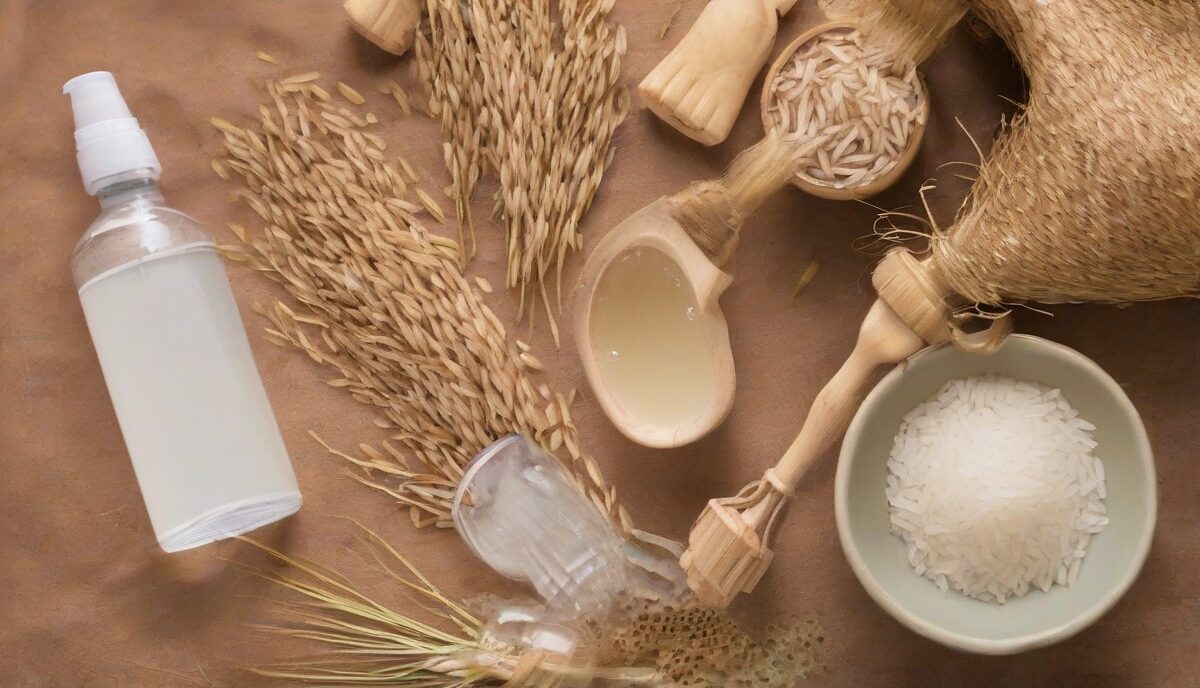
Rice water has been a well-kept secret in many Asian cultures for centuries. This simple, natural solution is packed with nutrients that can improve hair health, shine, and strength. In this article, we’ll dive into the benefits of rice water for hair, how to prepare it, and how to use it effectively.
What is Rice Water?
Rice water is the starchy water left over after rice has been cooked or left to soak. It has been used for generations to enhance hair health and improve its appearance. This milky liquid is rich in vitamins and minerals, including amino acids, B vitamins, vitamin E, minerals, and antioxidants.
Benefits of Rice Water for Hair
Using rice water for your hair can offer numerous benefits:
- Strengthens Hair: The amino acids present in rice water help strengthen hair roots and shafts, reducing breakage.
- Improves Hair Growth: Vitamins and minerals in rice water, such as inositol, promote new hair growth and help repair damaged hair.
- Enhances Shine: Regular use of rice water can enhance the natural shine of your hair, making it look healthier.
- Detangles Hair: The smooth texture of rice water helps in detangling hair, making it easier to manage and style.
- Reduces Dandruff: Rice water can help maintain a healthy scalp by reducing dandruff and soothing irritation.
How to Prepare Rice Water
There are several methods to prepare rice water. Here are the two most common ways:
Soaking Method
- Rinse half a cup of rice thoroughly to remove any dirt or impurities.
- Place the rinsed rice in a bowl and cover it with 2-3 cups of water.
- Let it soak for 30 minutes.
- Stir the rice occasionally, and then strain the water into a clean container.
Boiling Method
- Rinse half a cup of rice thoroughly.
- Place the rice in a pot with 2-3 cups of water.
- Boil the rice for about 15 minutes.
- Strain the water into a clean container after it has cooled down.
How to Use Rice Water on Hair
Follow these steps to use rice water effectively:
- Shampoo your hair as usual and rinse thoroughly.
- Pour the rice water onto your hair and scalp. Make sure all your hair is covered.
- Gently massage your scalp for 5-10 minutes.
- Leave the rice water on your hair for 20-30 minutes.
- Rinse your hair thoroughly with warm water.
For best results, use rice water 1-2 times a week.
The Science of Fermentation: Unlocking Potency
While standard rice water provides immediate surface-level benefits, the fermentation process transforms the liquid into a more potent hair tonic. Fermentation lowers the pH of the rice water, bringing it closer to the natural pH of human hair, which helps to close the cuticle and seal in moisture. To ferment your rice water, let your strained mixture sit at room temperature for 24 to 48 hours until it develops a slightly sour smell. This process increases the concentration of antioxidants and vitamins, specifically creating pitera—a substance rich in vitamins, minerals, and amino acids that supports cell regeneration. Note that fermented rice water is significantly more concentrated; if you have fine or porous hair, it is advisable to dilute the fermented mixture with a 1:3 ratio of water to prevent an overpowering protein effect.
Identifying Protein Overload and Balancing Moisture
One of the most critical aspects of using rice water is recognizing when your hair has reached its limit. Because rice water is a protein-heavy treatment, frequent use can cause the hair to become stiff, brittle, and prone to snapping—a condition known as protein overload. If your hair feels straw-like or lacks its usual elasticity, you have likely exceeded your hair’s protein threshold. To balance this, alternate your rice water treatments with deep conditioning sessions focused on humectants like honey, glycerin, or aloe vera. A simple “stretch test” can help you monitor your hair: pull a damp strand gently; if it snaps immediately without any stretch, your hair needs moisture, not protein. If it stretches excessively and doesn’t return to its original shape, it is lacking protein, and a rice water treatment may be beneficial.
Optimizing for Hair Porosity
The success of a rice water treatment is often dictated by your hair’s porosity—the ability of your strands to absorb and retain moisture. High-porosity hair, which has gaps in the cuticle, benefits significantly from rice water as the proteins help fill these “holes,” providing structure and preventing further damage. Conversely, low-porosity hair has tightly bound cuticles that struggle to absorb products. For those with low porosity, applying rice water without preparation can lead to a film-like buildup on the surface. To mitigate this, use a clarifying shampoo before the treatment to ensure the cuticle is receptive, or apply the rice water with a warm towel wrap to encourage the cuticle to lift and absorb the nutrients. If you have low-porosity hair, limit usage to once every two weeks rather than the standard weekly recommendation.
Strategic Additives for Scalp and Strand Health
Customizing your rice water base can address specific concerns beyond just strength and shine. Adding a few drops of rosemary essential oil to your batch can stimulate blood circulation in the scalp, potentially aiding in hair growth cycles. For those struggling with a dry, itchy scalp, incorporating a tablespoon of aloe vera gel into the rice water provides a soothing, anti-inflammatory effect that balances the astringent nature of the rice water. If you are dealing with dullness, a teaspoon of apple cider vinegar added to the final rinse can help remove mineral deposits from hard water, further boosting the reflective shine. Always ensure that any essential oils are properly emulsified or mixed well, as undiluted oils can cause irritation when applied directly to the scalp in large quantities.
The Role of Rice Varieties in Treatment Efficacy
Not all rice is created equal when it comes to hair care. While standard long-grain white rice is the most common choice, organic brown rice, basmati, and jasmine rice offer different nutrient profiles. Brown rice contains the bran and germ, which house a higher concentration of vitamins and minerals compared to white rice. However, it also contains more phytic acid, which can sometimes inhibit nutrient absorption. Black or “forbidden” rice is another excellent option, as it is exceptionally high in anthocyanins—the same antioxidants found in blueberries—which can protect the hair from environmental stressors like UV damage and pollution. Experimenting with different varieties can help you determine which nutrient profile best aligns with your hair’s current needs, whether you are looking for deep conditioning or protection against chemical color processing.
Troubleshooting Common Application Issues
Many users report difficulties in incorporating rice water into their routine due to the strong scent or the messiness of the application. To manage the odor, especially when fermenting, add a few drops of lavender or peppermint essential oil to the container; this masks the sour scent and provides a refreshing sensation on the scalp. To avoid the mess, consider transferring your rice water into a clean spray bottle rather than pouring it directly from a bowl. This allows for a more controlled application, ensuring the solution reaches the scalp directly while avoiding oversaturating the ends of the hair, which are often the most fragile. If you find your hair feeling sticky after the treatment, it is usually a sign that the rice water was not rinsed out thoroughly enough. A quick, cool-water rinse after the treatment can help seal the cuticle and remove any residual starch that might cause tackiness once the hair dries.
Integration with Modern Hair Care Regimens
Integrating rice water into a modern, multi-step hair routine requires careful planning to avoid ingredient conflicts. If you use leave-in conditioners or styling creams that contain hydrolyzed wheat or silk proteins, you must account for the cumulative protein exposure. When performing a rice water treatment, skip your protein-heavy styling products for that day and opt for lightweight, moisturizing leave-ins instead. Furthermore, if you chemically treat your hair—such as with relaxers, keratin treatments, or permanent dyes—consult your stylist before starting a regular rice water routine. In some cases, the protein-strengthening effects of rice water can interact with chemical processes, potentially making the hair too rigid. By treating rice water as a “specialty treatment” rather than a daily staple, you ensure that you are providing your hair with the exact level of support it requires without compromising the integrity of your other hair care investments.
Frequently Asked Questions (FAQ)
1. Can I leave rice water on my hair overnight?
It’s not recommended to leave rice water on your hair overnight. It can lead to protein overload, which can make your hair feel dry and brittle. Stick to a 20-30 minute treatment time.
2. How often should I use rice water on my hair?
Using rice water 1-2 times a week is sufficient to see improvements in hair health. Overuse can lead to protein buildup, so moderation is key.
3. Can I store rice water for later use?
Yes, you can store rice water in the refrigerator for up to a week. Make sure to keep it in a clean, airtight container.
4. Is rice water suitable for all hair types?
Rice water is generally safe for all hair types. However, if you have low-porosity hair, you should use it sparingly to avoid protein buildup.
5. Can I add other ingredients to rice water?
Yes, you can enhance the benefits of rice water by adding other natural ingredients like aloe vera, essential oils, or tea tree oil. These additions can provide extra nourishment and improve your hair health.
Conclusion
Rice water is a natural and cost-effective solution for improving hair health. Its rich nutrient content can strengthen your hair, promote growth, and enhance shine. By incorporating rice water into your hair care routine, you can achieve healthier, more manageable hair. Remember to use it in moderation to avoid any potential protein overload.
Related posts:
 Perfect Curly Hair Routine
 Removing Scalp Buildup
 Zoe Kravitz’s Coconut Oil Hair Care Secret
 The Pantry Staple That’s Secretly a Hair Miracle
 Rice Revealed: Is This Pantry Staple Actually Good for You
 Best Scalp Scrubs Review
 Living Proof Scalp Treatment Review
 Should You Wash Your Hair After Every Gym Session?