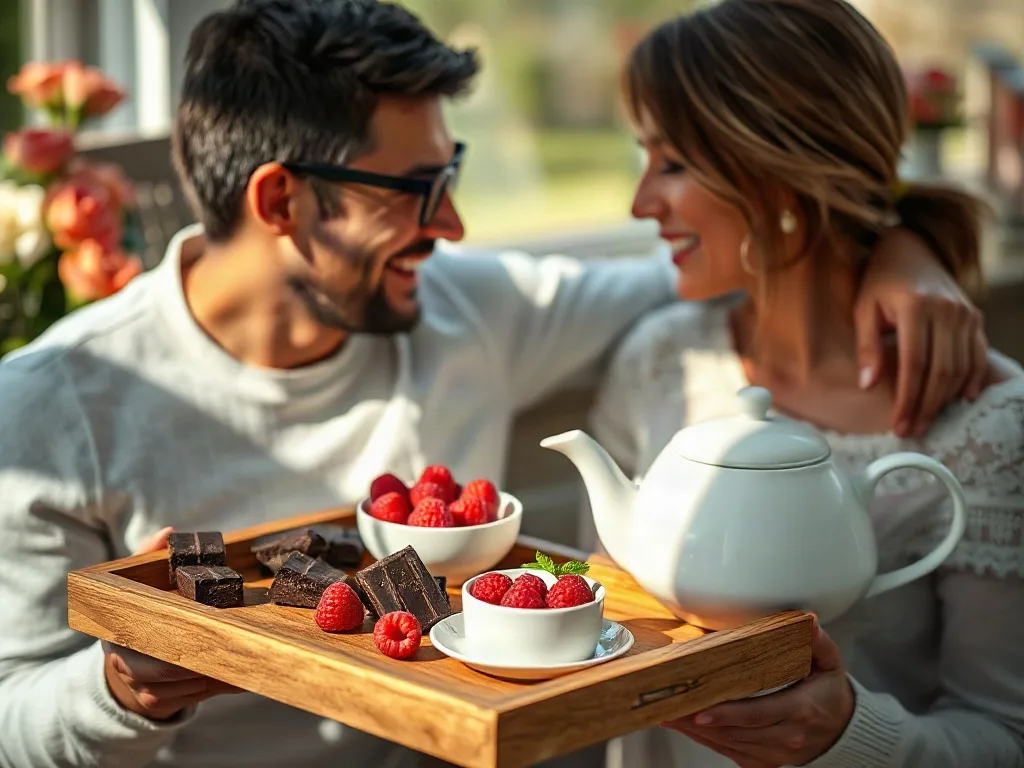
Valentine’s Day often brings a rush of predictable gifts—chocolates, flowers, jewelry. But what if this year, your gift could spark joy, deepen connection, *and* actively support your partner’s wellbeing? The most romantic gifts aren’t just objects; they are thoughtful invitations into shared experiences, moments of comfort, and investments in a healthier, happier life together.
Key takeaways
- Prioritize shared experiences like partner yoga or nature walks to release bonding hormones and lower stress levels.
- Invest in recovery with gifts like weighted blankets, silk sleep masks, or meditation app subscriptions to improve sleep quality.
- Enhance nutritional health by gifting meal kit subscriptions, high-performance blenders, or artisanal spices for collaborative, healthy home cooking.
- Transform daily routines into connection rituals using morning intention-setting kits, digital detox weekends, or shared skincare stations.
- Support mental wellbeing with collaborative tools like journaling sets, relationship coaching sessions, or cognitive challenges like mystery puzzles.
Moving beyond the commercialized checklist requires a shift in perspective. It’s about seeing your partner not just as a recipient of affection, but as a whole person whose physical, mental, and emotional health matters. A romantic and healthy gift says, “I see you, I cherish our time, and I care about your vitality.” It creates memories instead of clutter and fosters habits that benefit you both.
Why Healthy Gifts Are the New Romantic
Traditional gifts, while sweet, can sometimes feel transactional or temporary. A bouquet wilts, chocolate is eaten, and the moment passes. A gift focused on wellness, however, has lasting resonance. It aligns romance with the foundational principle of any strong relationship: mutual care and support. When you give an experience or tool that reduces stress, improves sleep, encourages movement, or nurtures mindfulness, you are investing in the quality of your shared life. This thoughtful approach demonstrates a deeper level of attentiveness—noticing what they need to thrive, not just what they might want in a moment.
This isn’t about deprivation or pushing a “health” agenda on February 14th. It’s about enrichment. It’s the difference between giving a box of sugary treats and creating a cozy evening with a delicious, nourishing meal you cook together. Both are acts of love, but one adds to your collective energy and creates a collaborative memory.
The Experience Gift: Creating Shared Memories
Shared experiences release bonding hormones like oxytocin and create “flashbulb” memories you’ll both recall for years. These gifts prioritize presence over presents.
- A Couples’ Cooking Class: Book a class focused on a cuisine you both love or want to explore, like Mediterranean or plant-based cooking. The act of learning and creating a meal together is intimate, fun, and equips you with skills for healthier home cooking long after the class ends.
- Forest Bathing or a Guided Nature Walk: Also known as Shinrin-yoku, this Japanese practice involves mindfully immersing yourself in a forest atmosphere. Book a guided session for two, or simply plan a day to hike in a beautiful local park, leaving phones behind to truly connect with each other and the natural world. Studies suggest time in nature can significantly lower cortisol (stress hormone) levels.
- A Spa Day at Home: Transform your bathroom into a sanctuary. Gift a set of luxurious, natural bath salts (like magnesium-rich Epsom salts), essential oils (lavender for relaxation, citrus for energy), plush robes, and a promise to give each other foot or hand massages. This turns relaxation into a shared, intentional ritual.
Gifts for Rest and Recovery
In our always-on world, quality rest is a precious commodity. A gift that promotes deep sleep and true relaxation is a profound act of care.
- A Weighted Blanket: The gentle, distributed pressure can help calm the nervous system, reducing anxiety and improving sleep quality for many people. Choose one in a fabric they’ll love.
- A High-Quality Sleep Kit: Curate a box with a silk sleep mask, a set of earplugs or a white noise machine, a bottle of magnesium spray (which can aid muscle relaxation), and a caffeine-free herbal tea blend designed for bedtime.
- A Subscription to a Meditation App: A yearly subscription to an app like Calm or Headspace is a gift of daily mental space. Many offer couples or family plans, and you can even do guided sessions together.
Gifts that Encourage Movement and Play
Exercise releases endorphins, but framing it as “play” makes it a joyful connection point rather than a chore.
- Partner Yoga or AcroYoga Session: These practices are built on trust, communication, and physical support. A beginner workshop can be hilarious, challenging, and incredibly bonding. You learn to literally and figuratively support each other.
- National Park Pass or Botanical Garden Membership: This gift provides a year’s worth of dates centered on walking, exploring, and being outdoors. It’s an ongoing invitation to adventure together.
- Dance Lessons: Whether it’s salsa, swing, or ballroom, learning to dance together is a classic for a reason. It requires teamwork, non-verbal communication, and is pure, joyful movement.
- Quality Home Fitness Gear for Two: A matching set of resistance bands, yoga mats, or even a subscription to a fun, interactive fitness platform you can do in your living room makes working out a shared activity.
Nourishing the Body: Gifts for Culinary Wellness
Move beyond generic food baskets to gifts that inspire healthier, more delicious eating habits.
- A Beautiful Meal Kit Subscription: Choose a service known for fresh, organic, and globally-inspired recipes. It takes the stress out of meal planning, reduces food waste, and guarantees several nights a month where you cook and connect without the mental load.
- A High-Performance Blender or Juicer: If they love smoothies, soups, or fresh juices, a powerful appliance removes barriers to making these nutrient-dense foods at home. Pair it with a recipe book or a “smoothie starter pack” of frozen fruits and superfood powders.
- A Custom Spice Blend or Olive Oil Tasting Set: Elevate everyday cooking with artisanal, high-quality ingredients. A set of unique spices or a selection of small-batch olive oils from different regions encourages culinary creativity and makes simple vegetables and proteins extraordinary.
Gifts for Mental and Emotional Wellbeing
Romance thrives in an atmosphere of emotional safety and mental clarity. These gifts support that inner landscape.
- A Journaling Set for Two: Gift two beautiful journals and a set of nice pens. You can use them independently for personal reflection, or try a shared practice like writing down three things you appreciated about each other that week and swapping journals.
- A “Digital Detox” Weekend Kit: Plan a weekend getaway or even a staycation with a strict no-phone rule (except for emergencies). Include physical books, board games, puzzles, and ingredients for meals. The gift is the undistracted, fully-present time together.
- A Session with a Relationship Coach or a Couples’ Workshop: Framed not as “fixing” something, but as “optimizing” your connection, this can be an incredibly forward-thinking gift. It shows commitment to growing together and building the best possible communication skills.
Personalized and Handmade Wellness Gifts
The effort and thought behind a handmade gift carries its own unique magic.
- A Custom Wellness Playlist: Curate a playlist for different moods—one for focused work, one for a calming evening, one for an energizing workout. Write a little note about why you chose each song.
- A Homemade “Stress Relief” Kit: Assemble a small box with items like a stress ball, a vial of their favorite essential oil blend, a packet of calming tea, a funny or inspiring book, and a handwritten coupon for a 30-minute back rub.
- Plant a Herb Garden Together: Buy a window box or several small pots, soil, and herb seeds (basil, mint, thyme). Spending an afternoon planting it together is the first part of the gift; the ongoing harvest of fresh flavors for your meals is the lasting second part.
Setting the Scene: The Gift of a Healthy Valentine’s Day
The gift itself is important, but so is how you present it. Ditch the plastic and excess packaging. Wrap items in reusable fabric (like a beautiful scarf or tea towel). Write a heartfelt card that explains *why* you chose this particular gift—what you hope it brings them: peace, energy, joy, adventure.
Remember, the healthiest gift of all is often your full, loving attention. Pair any physical gift with the genuine intention to be present and engaged.
Elevating Everyday Rituals: Gifts That Transform Routine Into Connection
While grand experiences create memorable highlights, the foundation of relationship health is built in daily rhythms. Consider gifts that elevate ordinary moments into intentional rituals of connection. A “morning sync” kit could include matching insulated water bottles (encouraging hydration), a beautiful journal for shared intention-setting, and a premium coffee or tea selection for savoring those first quiet minutes together. For evening wind-down, create a “digital sunset” ritual with a charging station outside the bedroom, paired with analog alternatives like a curated podcast playlist on a dedicated device (without social media access) or a selection of short story collections to read aloud to each other.
Transform mundane self-care into partnered care with a “bathroom upgrade” that benefits both: install a dual showerhead system with different pressure settings, invest in high-quality bath towels in both your favorite textures, or create a shared skincare station with products you can apply to each other’s faces—turning routine into gentle touch. The magic lies in identifying friction points in daily life and smoothing them with thoughtful tools. Does your partner always rush out without breakfast? A beautiful breakfast station with overnight oat jars, a high-speed blender for smoothies, and a “first 10 minutes” agreement to sit together could be more transformative than any spa weekend.
Consider the sensory environment you share. An air purifier with a sleek design improves respiratory health while reducing allergens that might disrupt sleep. A smart thermostat that learns both your temperature preferences creates comfort without negotiation. Even something as simple as replacing harsh overhead lighting with warm, dimmable lamps can reduce eye strain and create instant evening ambiance. These gifts work continuously in the background, saying “I care about the quality of our everyday life together” every time they’re used.
Adventure Beyond Movement: Gifts That Challenge and Unite
Beyond standard fitness activities lie experiences that build resilience, trust, and shared narratives through mild adversity. Book a “survival skills” weekend where you learn to build a fire, navigate by the stars, or construct a shelter together—activities that require communication and mutual reliance in a controlled, safe environment. For urban adventurers, an “amazing race” style day where you solve clues to discover hidden local art, historical sites, or unique eateries turns your city into a playground and tests your collaborative problem-solving.
Consider skill-building adventures with tangible outcomes: take a pottery class where you create matching mugs you’ll use daily, learn basic carpentry to build a raised garden bed together, or attend a mixology workshop to craft signature cocktails for your future gatherings. These gifts combine the thrill of learning with the satisfaction of creating something lasting. For couples with competitive streaks, strategic games present another form of healthy challenge. A high-quality chess set with a promise to play weekly, or a subscription to a couples’ trivia league, engages mental agility while fostering playful rivalry.
Adventure doesn’t require travel—it can be an attitude toward the familiar. Create a “mystery date night” box with twelve sealed envelopes, each containing instructions for an unconventional local experience: “Visit three different grocery stores and create a meal using one ingredient from each,” “Find and photograph the most interesting door in our neighborhood,” or “Have a conversation where every sentence must start with a different letter of the alphabet.” These structured yet open-ended adventures break routine patterns and remind you how to find novelty in each other’s company.
The Science of Touch: Gifts That Deepen Physical Connection
Physical touch releases oxytocin, reduces cortisol, and strengthens emotional bonds—yet in long-term relationships, touch can become routine or diminish. Thoughtful gifts can reinvigorate this essential language of love. Consider a series of professional massage sessions with different modalities: Swedish for relaxation, deep tissue for muscle tension, and perhaps Thai massage which incorporates assisted stretching. Many therapists offer couples instruction, teaching you techniques to use on each other between sessions.
Explore touch beyond massage with tools designed for connection. Acupressure mats, while often used individually, can become a shared experience when you lie side by side, breathing through the initial intensity together. Partner stretching straps allow you to safely guide each other into deeper stretches, requiring communication about pressure and comfort. Even simple tools like textured massage balls or gua sha stones, when used with intention, turn evening relaxation into a ritual of care.
Create “touch menus” rather than defaulting to the same patterns. Design a deck of cards with different touch requests: “five minutes of scalp massage,” “hand-holding while we talk about our day,” “back scratches while we watch a show.” This playful system helps overcome the inertia of routine while ensuring both partners’ needs are communicated clearly. For colder climates, invest in heated items you can share: an electric blanket large enough for two, heated slippers with removable liners, or even a small heated footrest for cozy evenings. The shared warmth becomes literal and metaphorical comfort.
Cognitive Wellness: Gifts That Engage and Stretch the Mind Together
Mental stimulation is crucial for individual wellbeing and keeps relationships dynamic. Consider gifts that challenge your thinking patterns in complementary ways. A subscription to a “mystery box” service like those from Hunt A Killer or Escape Room in a Box presents collaborative puzzles that require different types of intelligence—logical, spatial, verbal—to solve over several sessions. These experiences reveal how you each approach problems and celebrate your combined strengths.
Learn something completely new together, deliberately choosing a subject neither of you knows. This creates intellectual humility and puts you on equal footing. Sign up for a beginner’s language course in a tongue associated with future travel dreams, take an astronomy class and invest in a telescope for backyard observation, or learn basic coding to build a simple website documenting your relationship milestones. The shared struggle of acquiring difficult skills builds camaraderie different from shared leisure.
Create a “thought partnership” ritual with tangible tools. A beautiful binder or digital notebook becomes your “idea bank” where you both deposit articles, questions, and inspirations to discuss during weekly “think tank” dates. Invest in conversation-promoting games like The And or TableTopics that move beyond small talk. For a more analog approach, assemble a “curiosity kit” with intriguing objects—a unusual fossil, a piece of vintage technology, a beautiful mineral specimen—and research their stories together. These practices cultivate what psychologists call “relational curiosity,” maintaining interest in each other’s inner worlds.
Seasonal and Cyclical Gifts: Aligning with Natural Rhythms
Rather than one-time presents, consider gifts that acknowledge and work with seasonal changes, creating anticipation throughout the year. A “seasonal subscription” could deliver quarterly experiences: spring planting kits for your balcony garden, summer materials for building an outdoor shower or DIY sprinkler system, autumn supplies for pressing leaves or making preserves, and winter ingredients for creating homemade cordials or candles. This approach recognizes that wellness needs shift with light, temperature, and natural cycles.
Align gifts with your partner’s biological rhythms. For someone affected by seasonal affective disorder, a sunrise simulation alarm lamp that gently mimics dawn could be transformative when paired with a “morning light” ritual of sitting together with specially formulated tea during the darkest months. Create a “summer solstice” kit with materials for building a backyard fire pit, supplies for making sun tea, and plans for a longest-day celebration feast featuring in-season produce.
Consider lunar cycle tracking as a shared practice. Gift a moon phase calendar and telescope for observing monthly changes, along with ingredients for creating simple rituals aligned with lunar energy: new moon intention-setting teas, full moon releasing baths, or simply sitting together in moonlight. Even if not spiritually inclined, this practice creates natural pause points for reflection and connection amidst busy lives. For gardening couples, a “seed to table” annual plan with heirloom seeds, planting schedules, and recipes for harvest transforms your relationship with food across seasons.
Gifts of Financial Harmony: Reducing Stress Through Shared Systems
Financial stress is a major relationship disruptor, yet rarely considered romantic gift territory. However, creating systems for financial harmony can be one of the most caring gifts you exchange. Instead of traditional presents, invest in a session with a fee-only financial planner who specializes in couples. This neutral third party can help you create systems that respect both partners’ values and reduce money-related tensions. Follow this with a “money date” kit: a beautiful ledger or budgeting app subscription, nice pens, and ingredients for making your favorite beverage as you implement what you learned.
Create “financial wellness” gifts that address specific pain points. If bill-paying causes anxiety, gift a year of a bill-management service or automate payments together as a shared project. If saving feels impossible, open a dedicated “dream fund” account for a shared goal (travel, learning, future project) and make the initial contribution along with a ritual for regular additions. For couples with different spending styles, design a “fun money” system with equal discretionary funds in separate accounts—removing guilt from personal purchases while protecting shared finances.
Consider gifts that build financial literacy together. A subscription to an investment learning platform, a beautifully produced book on financial history to read and discuss, or enrollment in a local class on sustainable investing aligns your values with your resources. Even simple tools like a shared password manager for financial accounts or a fireproof document case for important papers reduce background anxiety. The gift here is reduced stress and increased transparency—foundational elements for relationship health.
Micro-Environment Design: Gifts That Optimize Your Shared Spaces
Our physical environments significantly impact mental and physical health, yet we often neglect them until they cause stress. Thoughtful gifts can transform problematic spaces into wellness-supportive ones. Conduct a “friction audit” of your home: where do small annoyances accumulate? The answer might be a charging station that prevents cord clutter, a key hook system by the door that eliminates morning searches, or under-bed storage that makes cleaning easier. Addressing these minor irritants collectively reduces daily stress loads.
Create dedicated zones for specific wellness activities. A “meditation corner” doesn’t require much space—just a comfortable cushion, a small shelf for inspirational items, and perhaps a timer or singing bowl. A “movement nook” with folded yoga mats, resistance bands on hooks, and a small speaker for guided sessions makes exercise more accessible. Even a “conversation chair” positioned intentionally for face-to-face talking (not beside each other on a couch facing a screen) can improve communication patterns.
Consider sensory environment gifts tailored to both your needs. If one partner needs quiet while the other enjoys background noise, noise-cancelling headphones paired with a white noise machine create peaceful coexistence. Adjustable lighting systems that allow different brightness in different room zones accommodate varying visual preferences. Air quality monitors that track pollutants and suggest improvements turn invisible stressors into manageable data. For shared workspaces, ergonomic assessments and adjustable furniture prevent physical strain during long hours. These gifts demonstrate care for the literal space you inhabit together, recognizing that environmental design is relationship design.
FAQs: Romantic and Healthy Valentine’s Day Gifts
1. Isn’t a healthy gift less romantic than something like jewelry?
Romance is deeply personal. For many, a gift that shows you pay attention to their daily stresses and aspirations—like their need for better sleep or desire to feel more energized—can feel far more intimate than a generic luxury item. It says, “I notice the real you and want to support your everyday happiness,” which is a powerful foundation for lasting romance.
2. My partner is not really into “wellness.” How do I choose a gift they’ll like?
Frame it around their existing interests, not the wellness label. Do they love good food? A cooking class or premium kitchen tool is about culinary enjoyment. Do they constantly complain about being tired? A weighted blanket is about ultimate coziness and better sleep. Do they love the outdoors? A park pass is about adventure. Connect the gift to a benefit they already desire.
3. Are experience gifts really better than physical ones?
Research in positive psychology consistently shows that money spent on experiences tends to bring longer-lasting happiness than money spent on material goods. Experiences become part of our identity and our shared story as a couple. They provide “anticipation memory” (the joy of planning), “experience memory” (the event itself), and “reminiscence memory” (the joy of looking back). A physical object typically only offers the moment of receipt.
4. What’s a good last-minute healthy gift idea?
Create a “Promise Book” of homemade coupons for future experiences: “This coupon good for one long walk with me, destination of your choice,” “Redeem for a tech-free dinner I’ll cook,” “Good for one 20-minute shoulder rub.” Pair it with a simple, lovely item you can pick up same-day, like a beautiful potted orchid (which improves indoor air quality) or a bar of exquisite, dark chocolate (rich in antioxidants).
5. How can I make sure my gift doesn’t come across as criticism of their habits?
Intent and framing are everything. The card or your words when giving the gift are crucial. Avoid language like “You need to relax more” or “This will help you get in shape.” Instead, use “I” and “us” statements: “I thought we could learn this together,” “I wanted to create a relaxing oasis for us,” “This looked like a fun way for us to spend more time outdoors.” Focus on shared benefit and joy, not individual correction.
Related posts:
 Nap Revolution: NYC’s Sleep Café Is Making Rest Trendy Again
 Sex Shouldn’t Just Be for Special Occasions
 Gift Giving for Minimalists
 We Tested Bond Touch Bracelets: Do They Really Keep Love Alive?
 The Secret Ingredients That Make Marriages Last Decades
 How Snoring Can Damage Your Relationship
 Do You Really Need Less Sleep as You Age?
 The Mother’s Day Gifts That Will Actually Make Her Happy