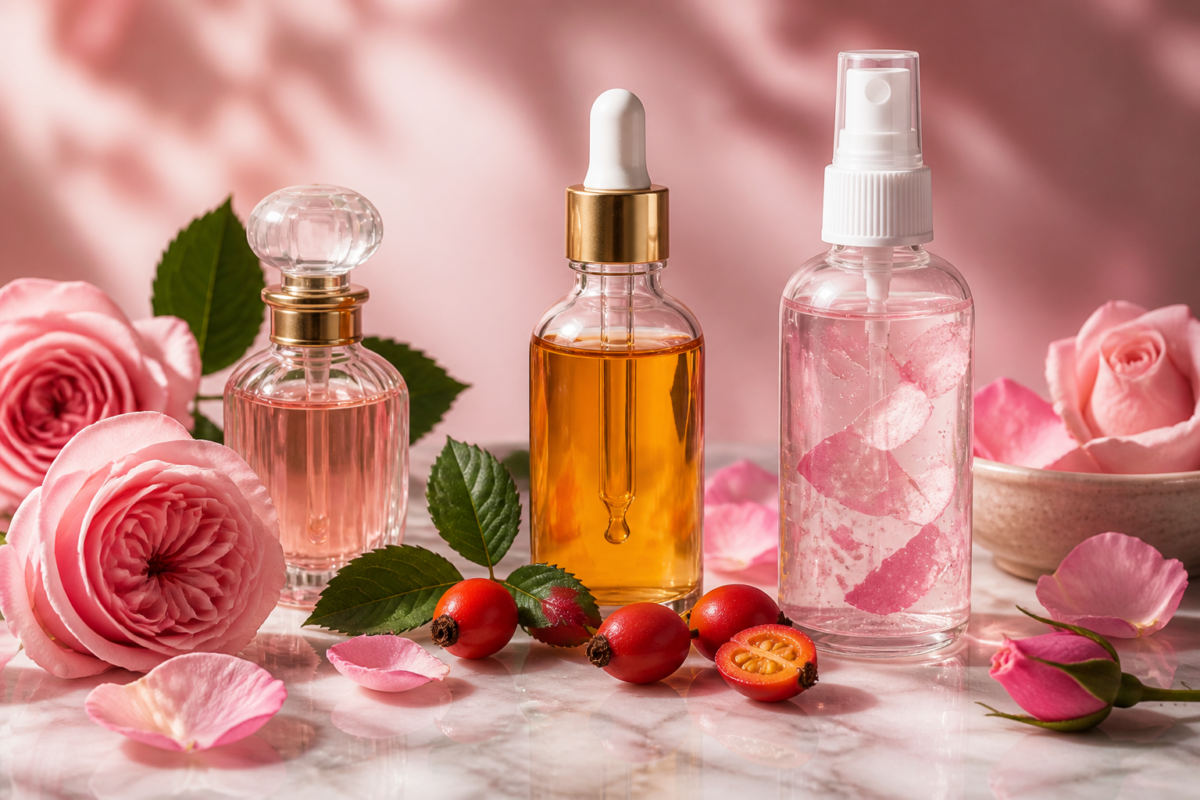
In the expansive world of botanical skincare, few ingredients carry as much history or confusion as the rose. Often used interchangeably in conversation, rose oil, rosehip oil, and rosewater are distinct substances derived from different parts of the plant, processed through unique methods, and intended for vastly different skin concerns. Understanding these differences is the key to curating a routine that actually delivers results rather than causing irritation or disappointment.
The Botanical Distinction: Where Do They Come From?
To understand the difference, we must look at the plant anatomy. Rosewater is a byproduct of the steam distillation of rose petals (typically Rosa damascena). It is essentially the floral water remaining after the essential oil has been extracted. Rose oil, also known as rose otto or rose absolute, is the concentrated essential oil extracted from the petals through steam distillation or solvent extraction. It is incredibly potent and requires thousands of pounds of petals to produce a single ounce. Rosehip oil, conversely, does not come from the flower petals at all. It is a cold-pressed fixed oil extracted from the seeds and the fruit (the hip) of the wild rose bush, usually Rosa canina or Rosa rubiginosa. Because they originate from different parts of the plant and use different extraction methods, their chemical compositions are entirely disparate.
Rosewater: The Hydrating Toner
Rosewater is the most diluted of the three. It is primarily water-based, containing trace amounts of essential oil and water-soluble plant compounds. Its primary function is as a humectant and a soothing agent. Because of its low concentration, it is generally safe for all skin types, including sensitive and reactive skin. It works by temporarily increasing the hydration levels of the top layer of the epidermis, which can help other products absorb better. It is frequently used as a mid-day refresher or a gentle toner to balance the skin’s pH after cleansing. If you are looking for a calming mist to reduce minor redness or a simple way to dampen skin before applying hyaluronic acid, rosewater is your go-to.
Rosehip Oil: The Vitamin-Rich Regenerator
Rosehip oil is a heavy-hitter in the world of facial oils. Unlike the other two, it is a lipid-rich oil packed with fatty acids, specifically linoleic acid (omega-6) and linolenic acid (omega-3). It is also one of the few natural sources of trans-retinoic acid, a derivative of Vitamin A. This makes it an excellent choice for those looking to address signs of aging, uneven skin texture, and mild scarring. Because it is a “dry” oil, it absorbs relatively quickly without leaving a heavy, greasy residue. It is particularly beneficial for those with acne-prone skin, as the high linoleic acid content helps balance sebum production, which is often deficient in those who suffer from breakouts.
Rose Oil: The Potent Aromatic Essential Oil
Rose oil is a luxurious, high-concentration essential oil. It is incredibly complex, containing hundreds of chemical constituents that provide its signature scent and therapeutic properties. Because it is so concentrated, it must be used with extreme caution. It is never applied directly to the skin undiluted; it is typically blended into carrier oils, creams, or serums at a concentration of 1% or less. It is prized for its ability to soothe inflammation, provide antioxidant protection, and offer an aromatherapeutic boost that can help reduce stress and cortisol levels. When incorporated into a skincare routine, it is best viewed as an active treatment rather than a primary moisturizer.
How to Incorporate Them Into Your Routine
The most effective way to use these ingredients is to layer them according to their molecular weight and purpose. Start with a clean face. Use rosewater as your first step, misting it onto the skin to provide a base of hydration. While the skin is still damp, you can apply your serums. If you are using rosehip oil, it should be applied toward the end of your routine. Because it is an occlusive-adjacent oil, it helps lock in the hydration provided by your water-based products. If you are using a product containing rose essential oil, ensure it is part of an established formulation rather than trying to mix it yourself, to avoid the risk of sensitization or allergic reaction.
Safety, Sensitivity, and Storage
All three substances have different shelf lives and sensitivities. Rosewater, if it does not contain preservatives, is highly susceptible to bacterial growth and should be kept in the refrigerator and used within a few months. Rosehip oil is highly unstable and prone to oxidation; it should be stored in a dark, cool place in an amber or violet glass bottle to prevent degradation from light and heat. If your rosehip oil smells “fishy” or like old crayons, it has gone rancid and should be discarded. Rose essential oil is more stable but should still be kept away from direct sunlight. Always perform a patch test on your inner forearm before applying any of these to your face, especially if you have a history of botanical allergies.
Common Myths and Misconceptions
A common myth is that rosehip oil causes breakouts. In reality, it is often the opposite; its high linoleic acid content makes it one of the most non-comedogenic oils available. Another myth is that rosewater can replace a moisturizer. Rosewater is purely for hydration and soothing; it lacks the emollient and occlusive properties required to prevent transepidermal water loss. Finally, many believe that rose oil and rosehip oil are the same thing. This confusion leads to many people applying concentrated essential oils directly to their skin, which can cause severe contact dermatitis. Always check the ingredient label to see if you are purchasing a carrier oil (rosehip) or an essential oil (rose).
Choosing the Right Product for Your Skin Type
For oily or acne-prone skin, prioritize rosehip oil for its balancing properties and use rosewater to refresh without adding weight. For dry or mature skin, look for products that combine rosehip oil with heavier emollients like squalane or ceramides, and use rose oil in a pre-formulated facial balm to improve skin elasticity and provide a calming scent. If you have sensitive skin, avoid rose essential oil entirely, as the fragrance components (geraniol and citronellol) are common allergens. Stick to pure, organic rosewater and cold-pressed, unrefined rosehip oil to minimize the risk of reactions to synthetic additives or chemical solvents used in cheaper extraction processes.
The Chemistry of Extraction: Solvent vs. Cold-Pressed vs. Steam
Understanding the technical pedigree of your rose-based products is essential for assessing quality and potential efficacy. Rosehip oil, when processed correctly, must be “cold-pressed.” This mechanical process uses a screw press to crush seeds at low temperatures, ensuring that the heat-sensitive vitamins—specifically Vitamin A and E—remain intact. If a manufacturer uses chemical solvents like hexane to extract the oil, the resulting product may be cheaper but often lacks the therapeutic profile of cold-pressed varieties. Similarly, rose oil is produced via two primary methods: steam distillation (creating “Rose Otto”) and solvent extraction (creating “Rose Absolute”). Rose Otto is considered the gold standard for therapeutic skincare because the distillation process is gentler, preserving the delicate aromatherapeutic compounds. Rose Absolute, however, uses solvents to pull the oil from the petals; while this produces a higher yield and a more intense fragrance, it may contain trace solvent residues that can trigger reactions in highly sensitive individuals.
The Role of Fatty Acid Profiles in Skin Barrier Repair
Rosehip oil distinguishes itself from other botanical oils through its unique fatty acid composition, which mimics the skin’s natural lipid barrier. Specifically, it boasts a high ratio of linoleic acid to oleic acid. This is a critical distinction for those with compromised skin barriers or inflammatory conditions like eczema or rosacea. While many oils are rich in oleic acid—which can sometimes be too heavy or even occlusive in a way that disrupts the barrier of acne-prone skin—the high linoleic content of rosehip oil supports the skin’s natural production of ceramides. By regularly applying this oil, you are not just moisturizing the surface; you are providing the building blocks necessary for the stratum corneum to repair itself, which significantly decreases transepidermal water loss (TEWL) over time.
Synergistic Layering: When Rosewater Meets Hyaluronic Acid
A common mistake in modern skincare is applying humectants like hyaluronic acid or glycerin to completely dry skin. Because these ingredients are “water-loving,” they will pull moisture from wherever they can find it—including from the deeper layers of your skin if the surrounding environment is dry, leading to a tightening or parching sensation. Rosewater acts as the perfect vehicle for these ingredients. By misting the face generously with rosewater before applying a hyaluronic acid serum, you provide an external source of moisture for the humectants to pull into the skin. This “damp-layering” technique maximizes the absorption of subsequent actives and ensures that the rosewater’s soothing properties are locked into the skin by your later, oil-based steps.
The Aromatherapeutic Impact: Beyond Topical Benefits
While we often discuss rose oil in the context of its chemical benefits—such as reducing inflammation or providing antioxidant protection—its role in stress reduction is equally valid. The scent of genuine Rosa damascena has been clinically shown to influence the autonomic nervous system. When inhaled, the volatile organic compounds in rose oil travel to the limbic system, the area of the brain responsible for emotional regulation. For individuals whose skin conditions are exacerbated by stress-induced cortisol spikes, using a product with true rose essential oil serves a dual purpose: it treats the skin barrier while simultaneously lowering systemic stress levels. This creates a holistic feedback loop where a calmer mind often leads to a calmer, less reactive complexion.
Navigating the “Natural” Label and Botanical Purity
The market is flooded with products labeled as “Rose Facial Oil” that are often just synthetic fragrance mixed into mineral oil or sunflower oil, with only a drop of rose extract. To identify a high-quality product, look for the Latin name on the ingredient list: Rosa canina (rosehip) or Rosa damascena (rose oil). If the ingredient list says “fragrance” or “parfum,” you are not getting the therapeutic benefits of the rose plant. Furthermore, true rosehip oil should have a distinct, slightly earthy, or nutty scent. If it smells like a bouquet of roses, it likely contains added fragrance, which is a major red flag for those looking for pure, potent skincare. Always prioritize labels that specify the region of origin, such as Bulgarian or Turkish rose oil, which are historically recognized for their superior chemical profiles.
Addressing Post-Inflammatory Hyperpigmentation
Rosehip oil is frequently cited as a natural remedy for scarring, but it is important to manage expectations regarding its mechanism of action. It does not “erase” deep acne scars or significant hyperpigmentation overnight. Instead, its efficacy lies in its ability to support healthy cell turnover and reduce chronic inflammation. By preventing the inflammatory response that often follows an acne breakout, rosehip oil helps to minimize the formation of dark spots (post-inflammatory hyperpigmentation) before they fully darken. Its high Vitamin A content provides a mild, natural encouragement for the skin to shed damaged, pigmented cells at a slightly faster rate, making it an excellent maintenance tool for those who have finished more intensive clinical treatments and want to prevent recurring discoloration.
Frequently Asked Questions
Q: Can I use rosehip oil during the day? A: Yes, rosehip oil is generally safe for daytime use. However, because it contains natural Vitamin A, it is always wise to follow up with a broad-spectrum SPF to protect your skin from sun sensitivity. Q: Does rosewater expire? A: Yes. Because it is water-based, it is a breeding ground for bacteria. If your rosewater does not contain a preservative, it should be stored in the fridge and discarded after 3-6 months. Q: Is rosehip oil better than retinol? A: Rosehip oil contains a very small amount of natural trans-retinoic acid, but it is not as potent as pharmaceutical-grade retinoids. It is a great “starter” or natural alternative for those who find synthetic retinol too irritating. Q: Can I mix rose oil into my moisturizer? A: You can, but only if the rose oil is already diluted in a carrier oil. Never add pure, undiluted essential oil directly to a jar of moisturizer, as you cannot guarantee an even distribution, which could lead to “hot spots” of high concentration on your skin. Q: Which one is best for redness? A: Rosewater is excellent for immediate, temporary relief from heat and minor redness, while rosehip oil is better for long-term improvement of redness associated with inflammation or damaged skin barriers due to its high fatty acid content.
Related posts:
 Rosehip Oil: The Natural Wonder for Radiant, Youthful Skin
 DIY Rosewater Toner Recipe
 DIY Rosewater Making Guide
 Gemstones in Skincare
 The Slow Beauty Movement’s Secret Hydration Recipes
 Olivia Wilde’s One Must-Have Post-Gym Beauty Product
 The Best Toners for Acne-Prone Skin That Won’t Strip Your Face
 Heritage Store Rosewater Mist: A Refreshing and Versatile Skincare Staple