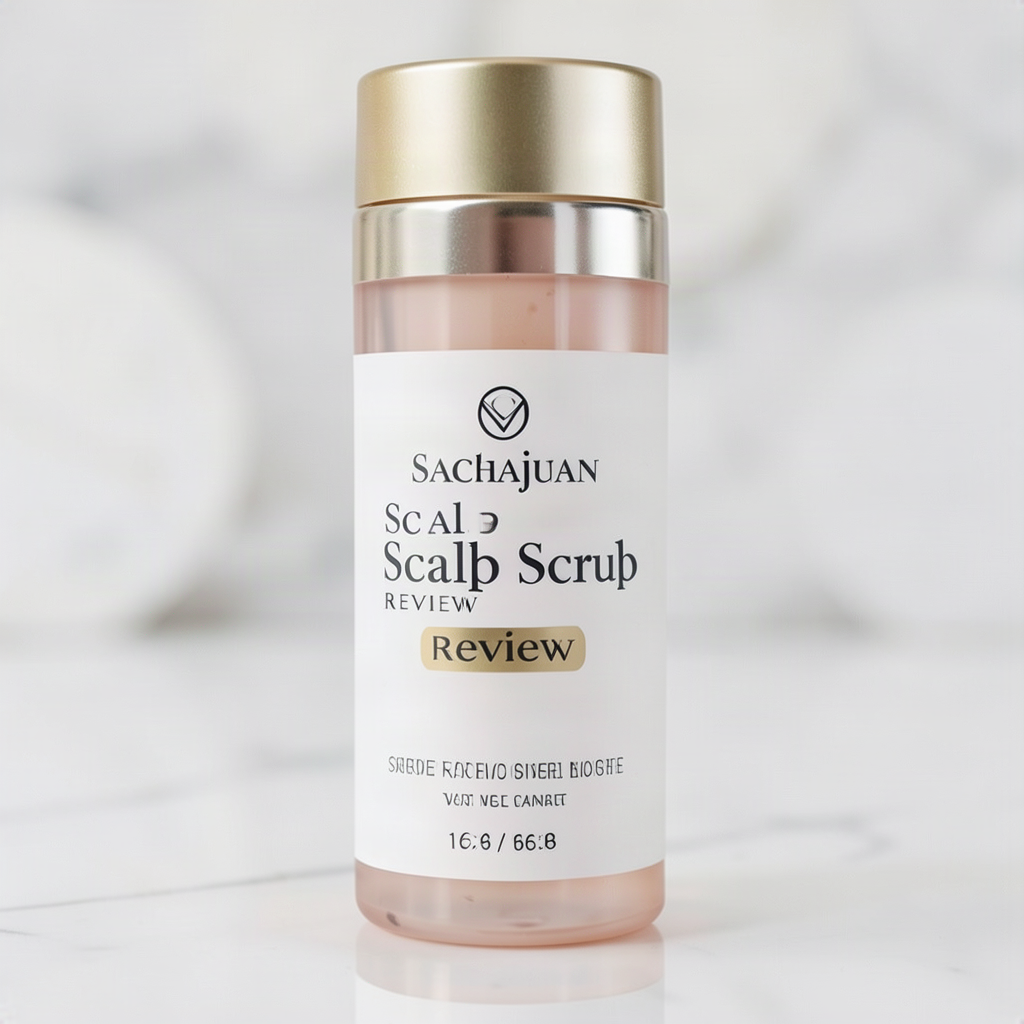
Sachajuan is a Swedish haircare brand known for its minimalist aesthetic and focus on scalp health. Among its lineup, the Scalp Scrub has attracted attention from those looking to refresh their routine with a physical exfoliant. This review examines the product’s formulation, application method, ideal user profile, realistic outcomes, and points to consider before adding it to your regimen. The goal is to provide a clear, evidence‑based perspective without overstating benefits or making medical claims.
What Is Sachajuan Scalp Scrub?
The Sachajuan Scalp Scrub is marketed as a weekly treatment designed to remove product buildup, excess oil, and dead skin cells from the scalp surface. It comes in a 200 ml tube with a creamy base that contains fine granules intended to provide gentle mechanical exfoliation. The brand positions the scrub as a complement to regular shampooing, suggesting that a clean scalp can improve the feel and manageability of hair. Unlike some scrubs that rely on sugar or charcoal, Sachajuan opts for sea salt as its primary exfoliating agent, which dissolves partially during use, reducing the risk of abrasion.
Packaging is simple: a matte white tube with a teal cap, reflecting the brand’s Scandinavian design language. The product is free from sulfates, parabens, and phthalates, aligning with the brand’s broader commitment to avoid certain harsh chemicals. It is also cruelty‑friendly, as the company states it does not test on animals. These formulation choices may appeal to consumers seeking a more “clean” beauty option, though individual sensitivities can still occur.
It is important to note that the scrub is not a treatment for medical scalp conditions such as psoriasis, seborrheic dermatitis, or fungal infections. While exfoliation can help alleviate surface flakiness caused by product residue, it does not address underlying inflammation or microbial overgrowth. Users with diagnosed scalp disorders should consult a dermatologist before incorporating any new physical exfoliant.
Key Ingredients and Formulation
The scrub’s ingredient list centers on three functional groups: exfoliants, moisturizers, and cleansing agents. The primary exfoliant is fine sea salt, which provides a granular texture that can physically lift debris from the scalp. Sea salt also contains trace minerals such as magnesium and calcium, though their topical impact in a rinse‑off product is modest.
To counteract the potential drying effect of salt, the formula includes glycerin, a humectant that draws water into the skin’s outer layer, and vitamin E (tocopherol), an antioxidant that helps protect skin cells from oxidative stress. Additionally, the scrub contains a blend of mild surfactants—sodium lauroyl sarcosinate and cocamidopropyl betaine—that create a light lather to help lift oil and residue without stripping the scalp of its natural oils.
Botanical extracts such as algae extract and hydrolyzed wheat protein appear later in the list, contributing to the product’s emollient feel. Fragrance is present, listed as “parfum,” which gives the scrub its fresh, slightly aquatic scent. Because fragrance can be a sensitizer for some individuals, a patch test is advisable for those with reactive skin.
Overall, the formulation balances exfoliation with hydration, aiming to leave the scalp feeling clean rather than tight or irritated. The absence of harsh sulfates means the scrub relies on milder cleansing agents, which may be preferable for those who wash their hair frequently.
How to Use the Scalp Scrub
Incorporating the scrub into a hair‑care routine is straightforward, but following the recommended steps can help maximize comfort and effectiveness.
- Start with wet hair. Thoroughly wet the scalp and hair with lukewarm water; hot water can increase sensitivity, while cold water may reduce the scrub’s ability to spread.
- Apply a small amount—about a teaspoon—for the entire scalp. The product is concentrated, so using too much can lead to excess granule buildup that is harder to rinse.
- Gently massage the scrub into the scalp using the fingertips, not the nails. Focus on areas where product tends to accumulate, such as the crown, hairline, and nape. Use circular motions for 30‑60 seconds, allowing the granules to work.
- Rinse thoroughly with lukewarm water until no residue remains. Incomplete rinsing can leave a gritty feeling and may cause irritation.
- Follow with your regular shampoo and conditioner. The scrub is intended as a pre‑wash step, not a replacement for cleansing.
- Limit use to once per week or as needed. Over‑exfoliation can compromise the scalp’s barrier function, leading to dryness or increased sensitivity.
It is advisable to observe how the scalp feels after each use. If any redness, itching, or burning occurs, discontinue use and consider consulting a healthcare professional.
Who Might Benefit Most?
The scalp scrub is best suited for individuals who notice a buildup of styling products, dry shampoo, or excess sebum that makes their hair feel weighed down or look dull. Common scenarios include:
- Those who frequently use heavy styling products such as pomades, gels, or sprays.
li>People who rely on dry shampoo between washes and observe a powdery residue on the scalp.
li>Individuals with an oily scalp who feel that regular shampoo alone does not adequately remove surface oil.
li>Anyone who enjoys the sensory experience of a scrub and wants to add a moment of self‑care to their routine.
Conversely, those with very dry or sensitive scalps, active scalp conditions, or a history of allergic reactions to fragrance or salt should exercise caution. The scrub’s exfoliating action may exacerbate irritation if the skin barrier is already compromised.
Age is not a limiting factor; teenagers and adults alike can use the product, provided they follow the usage guidelines and monitor their skin’s response.
Potential Benefits and What to Expect
When used as directed, users may experience several observable effects:
- A sensation of cleanliness and lightness at the scalp immediately after rinsing.
li>Reduced visibility of product residue, particularly for those who use styling aids daily.
li>Improved lather and distribution of subsequent shampoo, as the scalp surface is less coated with buildup.
li>A temporary feeling of refreshment, akin to a mild massage, which some find relaxing.
li>Over time, hair may appear less flat at the roots, as excess oil and debris are cleared away.
These outcomes are largely sensory and cosmetic. There is no clinical evidence that the scrub alters hair growth rate, prevents hair loss, or treats medical scalp disorders. Any perceived improvement in hair thickness or strength is likely secondary to a cleaner scalp environment rather than a direct biological effect.
It is also worth noting that results can vary based on hair type, washing frequency, and the specific products used in one’s routine. Keeping a simple journal of how the scalp feels before and after each scrub session can help users determine whether the product adds value for them.
Possible Drawbacks or Considerations
While many users find the scrub pleasant, there are a few points to keep in mind:
- Potential for irritation: The combination of salt granules and fragrance may cause stinging or redness in sensitive individuals.
li>Residue if not rinsed well: Incomplete removal can leave a gritty feeling that may be mistaken for buildup.
li>Cost: At a premium price point compared to drugstore scrubs, the product may not fit every budget.
li>Frequency limitations: Overuse can disrupt the scalp’s natural lipid barrier, leading to dryness or increased oil production as a compensatory response.
li>Environmental considerations: Though the brand emphasizes sustainability, the tube is plastic; users concerned about packaging may seek refillable or zero‑waste alternatives.
Testing the product on a small patch of skin behind the ear or on the inner forearm for 24 hours before full application can help identify any adverse reactions early.
Comparing to Other Scalp Exfoliators
The market offers several types of scalp scrubs, broadly categorized by their exfoliating agent:
- Salt‑based scrubs (like Sachajuan) provide a dissolvable granule that tends to be less abrasive than sugar.
li>Sugar‑based scrubs offer softer granules that dissolve quickly, often favored for very sensitive skin.
li>Charcoal or clay‑based scrubs rely on adsorption rather than physical granules, aiming to draw out impurities.
li>Enzyme‑based exfoliators use fruit-derived enzymes (e.g., papain, bromelain) to chemically loosen dead cells without abrasion.
Sachajuan’s choice of sea salt places it in the middle ground: it offers noticeable texture without being overly harsh. Compared to sugar scrubs, it may feel slightly more substantive, which some users prefer for a deeper clean. Compared to charcoal scrubs, it provides a tactile massage sensation that charcoal products lack. However, charcoal scrubs may be better suited for those seeking oil‑absorbing properties without any physical granules.
When deciding between formats, consider personal texture preference, any known sensitivities to fragrance or salt, and whether you prioritize a physical massage feel versus an adsorptive action.
Tips for Integrating Into Your Hair Care Routine
To get the most out of the Sachajuan Scalp Scrub while minimizing potential downsides, try the following practical strategies:
- Schedule the scrub on a day when you plan to wash your hair anyway, treating it as the first step in your wash routine.
li>Use a scalp massager brush or silicone scrubber in conjunction with your fingertips to enhance circulation without increasing pressure.
li>Follow with a lightweight, sulfate‑free shampoo to avoid over‑stripping after the scrub’s mild cleansing action.
li>If you have long hair, apply the scrub primarily to the scalp and avoid dragging it through the lengths, which can cause unnecessary tangling.
li>After rinsing, finish with a cool‑water rinse to help close the cuticles and add shine.
li>Monitor your scalp’s condition over four to six weeks; note any changes in oiliness, flakiness, or comfort.
li>Store the tube in a cool, dry place away from direct sunlight to preserve the integrity of the glycerin and vitamin E.
li>Consider pairing the scrub with a periodic clarifying shampoo (once a month) if you use many styling products, but avoid doing both on the same day to prevent over‑exfoliation.
li>If you travel, transfer a small amount to a leak‑proof container to maintain hygiene and avoid spillage.
li>Finally, remember that scalp health is influenced by factors beyond topical products—hydration, diet, stress levels, and sleep all play roles. The scrub is one tool among many for maintaining a comfortable scalp.
Frequently Asked Questions
- Can I use the Sachajuan Scalp Scrub if I have color‑treated hair?
Yes, the scrub is formulated to be gentle on color‑treated hair. It does not contain harsh sulfates that are known to strip dye. However, as with any new product, it is wise to test a small section first and observe whether the color feels any different after a few uses. - How long should I massage the scrub into my scalp?
A massage of 30 to 60 seconds is sufficient to allow the granules to work without overstimulating the skin. Longer massages increase the risk of irritation, especially if you have a sensitive scalp. - Is it safe to use the scrub on a scalp with mild dandruff?
The scrub can help remove visible flakes caused by product buildup, but it does not treat the underlying cause of dandruff, which is often linked to a yeast called Malassezia. If dandruff persists or worsens, consult a dermatologist for appropriate treatment. - What should I do if I experience a burning sensation after using the scrub?
Rinse the area thoroughly with cool water and discontinue use. Apply a soothing, fragrance‑free moisturizer if needed. If the sensation persists beyond a few minutes or is accompanied by swelling, seek medical advice. - Can I replace my regular shampoo with the scrub?
No. The scrub is intended as a pre‑wash exfoliant, not a cleansing agent. It lacks the surfactants needed to fully remove oil, dirt, and microbes from the hair and scalp. Always follow with a suitable shampoo to ensure proper cleansing.
Related posts:
 The Game-Changing Air-Dry Shampoo That’s Taking Over Social Media
 Perfect Curly Hair Routine
 Ariana Grande’s Hair Savior: Why Lavender Coconut Oil Is Her Secret Weapon
 Should You Wash Your Hair After Every Gym Session?
 Zoe Kravitz’s Coconut Oil Hair Care Secret
 Living Proof Scalp Treatment Review
 Best Scalp Scrubs Review
 Removing Scalp Buildup