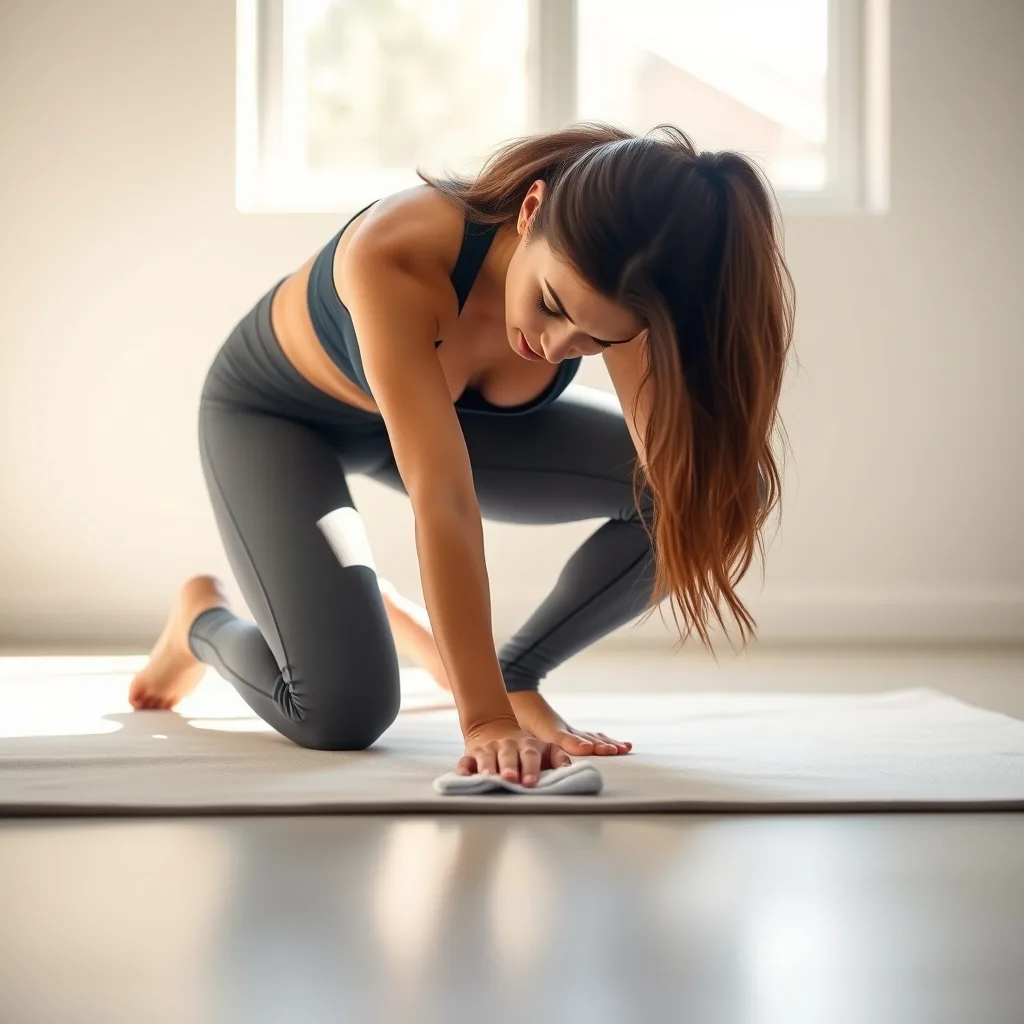
Keeping your yoga mat clean isn’t just about hygiene; it directly influences grip, comfort, and the lifespan of the mat. A mat that is regularly cared for also reduces the risk of skin irritation and the spread of germs, especially in shared studio environments. This guide walks you through safe, material‑specific cleaning methods you can perform after every session, so you can roll out onto a fresh surface each time you practice.
Key takeaways
- Wipe your mat after every session using a microfiber cloth and a mild soap solution to prevent sweat and bacteria buildup.
- Identify your mat material—PVC, rubber, cork, or jute—to choose the correct, damage-free cleaning method and avoid chemical degradation.
- Perform deep cleans every few weeks using baking soda or vinegar, but avoid submerging absorbent materials like jute or cotton.
- Always air-dry your mat completely in a shaded, ventilated area before rolling it up to prevent mold growth and material warping.
- Use pre-practice habits like yoga towels or moisture-wicking gear to reduce the accumulation of sweat and grime during intense sessions.
Why Regular Cleaning Matters
Even a light sweat session leaves a thin layer of moisture, salts, and skin cells on the mat surface. Over time these residues can:
- Compromise traction, making poses like downward‑facing dog or warrior II feel slippery.
- Invite bacteria, fungi, or mold, especially in humid climates.
- Cause unpleasant odors that distract from mindfulness.
- Accelerate wear, leading to cracks or delamination.
By establishing a quick post‑class routine, you protect both your practice and your health.
Understanding Your Mat’s Material
Not all yoga mats are created equal. The most common materials include:
- PVC (vinyl) – Durable, inexpensive, but can retain odors.
- TPE (thermoplastic elastomer) – Eco‑friendly alternative to PVC; usually lighter.
- Natural rubber – Excellent grip, biodegradable, but sensitive to oil‑based cleaners.
- Cork – Antimicrobial properties, but can become sticky when overly wet.
- Jute or cotton blends – Breathable and tactile, yet prone to water stains.
Knowing the composition helps you choose cleaners that won’t degrade the surface. For instance, a vinegar solution works well on PVC and TPE, but a mild soap is safer for natural rubber.
Basic Daily Wipe‑Down Routine
After each class, spend 2–3 minutes on a quick wipe‑down. Here’s a step‑by‑step method that works for most mats:
- Gather supplies: a clean microfiber cloth, a spray bottle, and a gentle cleanser (see section on natural disinfectants).
- Prepare the solution: Mix 1 cup of warm water with 1 tablespoon of mild liquid soap (e.g., castile soap). If you prefer a scent‑free option, use plain water.
- Lightly mist the mat: Hold the spray bottle 12 inches away and apply a fine mist across the surface. Avoid soaking the mat; you only need a damp cloth.
- Wipe in circular motions: Use the microfiber cloth to gently rub, focusing on areas where your hands and feet make contact.
- Dry quickly: Flip the mat over and pat the underside with a dry towel. Then roll it up loosely to allow air circulation.
This routine removes sweat and surface grime without saturating the material.
Deep Cleaning Techniques for Different Materials
Every few weeks (or monthly for studio mats), a deeper cleanse is advisable. Below are tailored approaches:
PVC and TPE
- Fill a bathtub or large basin with lukewarm water.
- Add 2 tablespoons of baking soda and a few drops of tea tree oil (optional for fragrance).
- Submerge the mat for 10‑15 minutes, gently agitating with your hands.
- Rinse thoroughly with clean water to remove residue.
- Lay flat on a clean towel and roll the towel over the mat to absorb excess moisture.
Natural Rubber
- Mix 1/4 cup of white vinegar with 2 cups of water in a spray bottle.
- Lightly mist the mat and let it sit for 5 minutes.
- Wipe with a soft, lint‑free cloth; avoid abrasive scrubbers.
- Rinse quickly with a gentle stream of lukewarm water—no soaking.
- Air‑dry in a shaded area; direct sunlight can cause rubber to become brittle.
Cork
- Prepare a solution of 1 part water to 1 part apple cider vinegar.
- Dip a sponge (not a spray bottle) into the mixture, wring out excess, and gently rub the surface.
- Cork absorbs liquids, so immediately wipe with a dry microfiber cloth.
- Allow the mat to stand upright for 30 minutes before rolling.
Jute or Cotton Blends
- Spot‑clean only; avoid submerging the mat.
- Use a soft brush with a solution of 1 tablespoon of mild soap in 1 cup of warm water.
- Rinse the brush, then dab the area with a clean, damp cloth.
- Let the mat dry completely in a well‑ventilated room before storage.
Following material‑specific guidelines prevents warping, delamination, or loss of grip.
Natural Disinfectants You Can Trust
Many yogis prefer plant‑based cleaners to avoid harsh chemicals. Here are three effective, low‑risk options:
- White vinegar – 5% acidity kills most bacteria and neutralizes odors. Mix with water (1:1) for a spray.
- Tea tree oil – Antifungal and antibacterial. Add 5–10 drops to a cup of water; never apply oil directly to the mat without dilution.
- Hydrogen peroxide (3%) – Excellent for mold prevention. Use a 1:1 mixture with water, but test on a hidden spot first, as it can lighten some colors.
Always perform a patch test: apply a small amount of the solution to an inconspicuous corner, wait 5 minutes, and check for discoloration or texture change.
Drying and Storage Best Practices
Improper drying is a common cause of mat degradation. Follow these steps:
- Air‑dry flat or on a hanging rack for at least 2 hours after a deep clean. Avoid folding while wet.
- Keep out of direct sunlight unless the material is specifically sun‑resistant (some natural rubber mats can crack).
- Store rolled, not folded. Place a thin towel or yoga mat strap around the rolled mat to maintain shape.
- Maintain a cool, dry environment. High humidity encourages mold; a closet with a dehumidifier works well.
- Use a mat bag with ventilation holes for travel. Avoid airtight plastic bags that trap moisture.
These habits ensure the mat stays supple and ready for the next session.
Spot‑Treating Stubborn Stains
Sometimes sweat, body oils, or external spills leave visible marks. Here’s how to address them without a full soak:
- Grease or oil stains – Sprinkle baking soda on the area, let sit 10 minutes, then scrub gently with a soft brush dipped in a mixture of warm water and a few drops of dish soap.
- Ink or makeup – Dab a cotton ball in isopropyl alcohol (70%) and blot the stain lightly; rinse immediately with a damp cloth.
- Blood or protein‑based stains – Apply a paste of cold water and a teaspoon of hydrogen peroxide; let sit 5 minutes, then wipe clean.
After any spot treatment, rinse the area with a damp cloth and dry thoroughly.
Maintaining Grip and Longevity
Grip is the hallmark of a good yoga mat. To preserve it:
- Avoid using oil‑based lotions or sprays immediately before practice; let them absorb fully.
- Rotate the mat periodically so the same side isn’t constantly bearing weight.
- Apply a thin layer of talc or cornstarch after cleaning to restore a matte finish (use sparingly).
- Re‑condition natural rubber mats every 3–4 months with a rubber‑friendly conditioner; this prevents drying out.
Regular maintenance not only sustains traction but also reduces the need for premature replacement.
When to Replace Your Mat
Even with diligent care, mats have a finite lifespan. Look for these warning signs:
- Persistent odor despite cleaning.
- Visible cracks, tears, or delamination.
- Significant loss of grip that cleaning can no longer restore.
- Discoloration or hardening that affects comfort.
Most PVC mats last 2–3 years with regular use; natural rubber and cork can extend to 5 years when properly cared for. When you notice multiple signs, it’s time to invest in a new mat to keep your practice safe and enjoyable.
Pre‑Practice Preparation to Reduce Cleaning Load
Before you even unroll your mat, a few simple habits can dramatically cut down the amount of grime that accumulates during a session. These steps are especially helpful for hot‑yoga enthusiasts, sweaty cardio flows, or classes held in humid studios.
- Apply a light barrier of powder. Sprinkling a thin layer of talc, baby powder, or cornstarch on the surface creates a dry, friction‑enhancing film that absorbs sweat as you move. Use only a dust‑free hand‑sprayer or a small shaker to avoid clumping. After practice, simply brush the excess powder off with a soft brush; the mat will feel cleaner and less sticky.
- Wear breathable, moisture‑wicking socks or grip‑enhancing gloves. When feet and hands stay dry, less moisture reaches the mat itself. This is a common tactic in studios that host mixed‑level classes where beginners may not yet master the art of staying cool.
- Pre‑roll a clean, lint‑free towel. Placing a thin yoga towel on top of the mat during a hot class creates a sacrificial surface that can be tossed in the laundry afterward. The towel captures the bulk of sweat, leaving the mat with only a light sheen to wipe away.
- Limit the use of scented lotions right before class. Oils and perfumes can transfer onto the mat and become sticky after drying. If you must moisturize, wait at least 20‑30 minutes before stepping onto the mat so the product fully absorbs into the skin.
By integrating these pre‑practice measures, the post‑session wipe‑down becomes a quick surface dust‑off rather than a full‑scale cleaning operation.
Travel‑Friendly Cleaning Strategies and Portable Kits
Many yogis take their mats on business trips, weekend retreats, or outdoor sessions in parks. A full‑size bathtub isn’t available in a hotel bathroom, yet you still want to keep the mat hygienic. Below is a compact kit and a step‑by‑step routine that fits into a standard carry‑on.
- Compact kit contents.
- Two‑liter spray bottle with a leak‑proof cap.
- Pre‑measured sachet of biodegradable cleaning powder (see the DIY section for a recipe).
- Micro‑fiber travel cloth (approximately 12 × 12 inches).
- Collapsible silicone drying rack that folds flat.
- Small zip‑top bag for used cloths.
- On‑the‑go cleaning method.
- Fill the spray bottle with warm tap water (no hotter than 40 °C to avoid warping).
- Add the cleaning powder, shake gently until dissolved.
- Lay the mat on a flat surface, mist lightly—no more than a fine veil.
- Using the travel cloth, wipe in long, overlapping strokes, paying extra attention to the zones where hands and feet press.
- Roll the mat loosely and place it on the silicone rack; prop the rack against a bathroom door or a countertop to allow air flow.
- Leave the mat to dry for at least 30 minutes before re‑rolling for transport.
Edge cases: If you are staying in a high‑altitude location where water evaporates quickly, you may notice the mat drying too fast, leaving a faint residue. In that scenario, add a few drops of distilled water to the spray bottle to increase humidity during the wipe.
DIY Eco‑Conscious Cleaning Formulas for Specific Mat Types
Commercial cleaners often contain synthetic surfactants that can linger on a mat’s surface. Crafting your own formulas lets you match the chemistry to the material while staying environmentally mindful.
Formula A – Gentle Citrus‑Based Cleaner (for PVC and TPE)
Ingredients (makes ~500 ml):
- 250 ml distilled water
- 250 ml orange‑essential‑oil‑infused liquid castile soap (unscented base)
- 1 tsp baking soda (acts as a mild abrasive)
- 5 drops grapefruit seed extract (natural preservative)
Instructions: Combine the water and castile soap in a spray bottle, add baking soda and shake gently until dissolved. Finish with the grapefruit seed extract. This solution cuts through sweat without leaving a film that can attract dust.
Formula B – Oil‑Free Herbal Rinse (for Natural Rubber)
Ingredients (makes ~300 ml):
- 200 ml filtered water
- 50 ml white vinegar
- 30 ml rosemary hydrosol (available at aromatherapy shops)
- 2 tsp sea salt (helps neutralize mineral buildup)
Method: Mix all components in a spray bottle. Rosemary’s antimicrobial properties complement the acidity of vinegar, while sea salt prevents the rubber from feeling overly slick. Use a soft cloth to apply, then rinse quickly with plain water.
Formula C – Moisture‑Balancing Spray for Cork and Jute
Ingredients (makes ~400 ml):
- 300 ml lukewarm distilled water
- 100 ml aloe‑vera leaf juice (natural humectant)
- 1 tsp tea tree oil (optional for extra antifungal power)
Application: Lightly mist the surface and immediately blot with a dry microfiber towel. The aloe prevents the cork from becoming brittle and the tea tree oil discourages mold in humid climates.
These formulas are shelf‑stable for up to two weeks if stored in a dark, cool place. Always label the bottle with the date of preparation.
Advanced Sanitization: UV‑C Light, Ozone, and Steam Options
For studios that host multiple practitioners per day, or for yogis who want an extra layer of protection against pathogens, technology‑based sanitization can supplement manual cleaning.
- UV‑C light boxes. Compact cabinets equipped with 254 nm UV‑C bulbs can disinfect a rolled mat in 3‑5 minutes. Place the mat inside, close the lid, and activate the timer. UV‑C breaks down DNA/RNA of bacteria and viruses without chemicals. Edge case: Thick mats may not receive uniform exposure; rotate the mat halfway through the cycle for even coverage.
- Ozone generators. Ozone (O₃) is a powerful oxidizer that can eradicate mold spores. A small handheld ozone wand, used in a sealed bathroom for 10 minutes, leaves the mat odor‑free. Safety tip: Ozone is harmful to inhale; ensure the room is ventilated after treatment before re‑entering.
- Steam cleaning. A handheld garment steamer set to low pressure can lift deep‑seated grime. Pass the steam head 2‑3 inches above the mat, moving slowly to avoid saturating the material. This method works well for PVC and TPE, but natural rubber can become tacky if over‑steamed; limit exposure to 30‑seconds per zone.
When integrating these tools, treat them as an adjunct rather than a replacement for routine wipes. A quick daily wipe followed by a weekly UV‑C cycle offers a balanced approach.
Adapting Care Routines to Climate and Usage Intensity
Environmental factors dictate how often you should deep‑clean, how you dry, and which additives to avoid.
Hot, Humid Environments
In tropical studios, moisture lingers longer, fostering mold. Increase the frequency of deep cleans to once every 5‑7 days. After each session, add a 2‑minute fan‑assisted drying step: place the mat on a mesh rack and point a low‑speed household fan at it. Avoid direct sunlight, which can cause natural rubber to harden.
Cold, Dry Climates
Low humidity can cause PVC to become brittle and cork to lose its natural elasticity. Incorporate a weekly mist of a diluted glycerin solution (1 tsp glycerin per litre of water) to re‑hydrate the surface. Follow with a gentle wipe‑down to prevent a sticky residue.
High‑Intensity Sweat Sessions (e.g., Bikram, Power Yoga)
For practices that generate copious sweat, consider a two‑stage cleaning: a post‑class light spray of a vinegar‑water mix, then a 10‑minute soak in a bathtub with a tablespoon of baking soda after every fifth class. This staggered approach balances mat integrity with microbial control.
Outdoor Practices
Grass, sand, and pollen can embed particles into the mat’s weave. After an outdoor session, brush the mat with a soft, natural‑bristle brush to dislodge debris before any liquid cleaning. If the mat has been exposed to saltwater (beach yoga), rinse with fresh water to prevent salt crystallization, then apply a thin layer of silicone‑based mat protectant designed for marine use.
Maintaining Accessories: Straps, Bags, and Towels
The accessories that accompany a mat often receive less attention, yet they can become breeding grounds for bacteria and odors.
- Yoga straps. Most straps are made of cotton or nylon. Hand‑wash in lukewarm water with a few drops of mild detergent, then lay flat to dry. For nylon straps, a quick spray of a 1:1 water‑vinegar solution followed by a wipe with a dry cloth prevents mildew.
- Mat bags. Ventilated mesh bags can be tossed in the washing machine on a gentle cycle, but zip‑lock style bags should be spot‑cleaned with a diluted hydrogen peroxide spray. After cleaning, hang the bag upside down to ensure the interior dries fully.
- Yoga towels. Towels absorb sweat and can develop a sour smell. Rotate a set of three towels, washing each after two uses. Add a half‑cup of white vinegar to the rinse cycle to neutralize odors without damaging the fibers.
Regularly inspecting these items for tears or frayed edges prevents them from scratching the mat surface during transport.
Studio‑Scale Management: Rotating Mats and Scheduling Deep Cleans
Large studios often juggle dozens of mats, making individualized care impractical without a systematic plan.
- Implement a mat‑rotation roster. Assign each mat a numeric identifier and a color‑coded schedule. For example, mats 1‑10 receive a deep clean on Mondays, 11‑20 on Wednesdays, and so on. This spreads the workload evenly and ensures no mat goes longer than a week without a thorough cleanse.
- Use a dedicated cleaning station. Set up a corner with a large, shallow tub, a roll‑of‑paper towels, and a supply of the studio’s preferred cleaning solution. Place a sign reminding instructors to wipe each mat before the next class begins.
- Automate reminders. Integrate the cleaning calendar into the studio’s booking software. When a class is scheduled, the system sends a push notification to the responsible staff member 30 minutes before the class starts.
- Track mat health. Keep a simple log (paper or digital) noting any visual defects, odor issues, or grip problems. When a mat accumulates three warning entries, retire it and replace it with a new one.
- Eco‑friendly disposal. When a mat reaches the end of its life, consider repurposing it as a garden kneeling pad or donating it to community centers that can use it for low‑impact activities. Many manufacturers offer recycling programs for PVC and rubber mats.
By institutionalizing these practices, studios can maintain a consistently clean environment, protect their investment in high‑quality mats, and provide members with a hygienic space that encourages regular attendance.
Frequently Asked Questions
- Can I use a regular household disinfectant spray on my yoga mat?
- Most household sprays contain alcohol, bleach, or fragrance chemicals that can degrade PVC, TPE, and especially natural rubber. If you must use one, choose a fragrance‑free, alcohol‑free formula and test on a hidden area first. Safer alternatives are the natural disinfectants listed above.
- Is it okay to machine‑wash a yoga mat?
- Machine‑washing is generally not recommended. The agitation can cause seams to separate and the spin cycle can leave excess water inside the mat, leading to mold. Hand‑washing in a bathtub or basin is the preferred method for deep cleaning.
- How often should I deep‑clean my mat if I practice daily?
- For daily practitioners, a quick wipe‑down after each session is essential, and a deeper clean every 7‑10 days helps prevent buildup. Adjust frequency based on sweat intensity and environmental humidity.
- Can I use essential oils for fragrance?
- Essential oils can be added sparingly (5 drops per cup of water) to a cleaning solution, but some oils—like citrus—are acidic and may weaken certain materials over time. Stick to mild oils such as lavender or eucalyptus, and always dilute.
- My mat feels sticky after cleaning. What should I do?
- Residue from soap or oil can cause stickiness. Rinse the mat with clean water, then wipe again with a damp cloth containing only water. Allow the mat to air‑dry completely; if the problem persists, a light dusting of talc or cornstarch can absorb excess moisture.
Related posts:
 Guide to Safely Cleaning Your Hardwood Floors
 3 yoga mats totally reimagined for the better
 White Sneaker Cleaning Hack
 Guide to Safely Cleaning Your Yoga Mat
 The Ultimate Guide to Cleaning Your Yoga Mat for a Hygienic Practice
 Jade vs. Manduka yoga mat throwdown! Which one wins?
 How to Safely Clean Your Yoga Equipment
 Mat Goals: The Cutest Yoga Mats That Will Make You Actually Want to Namaste