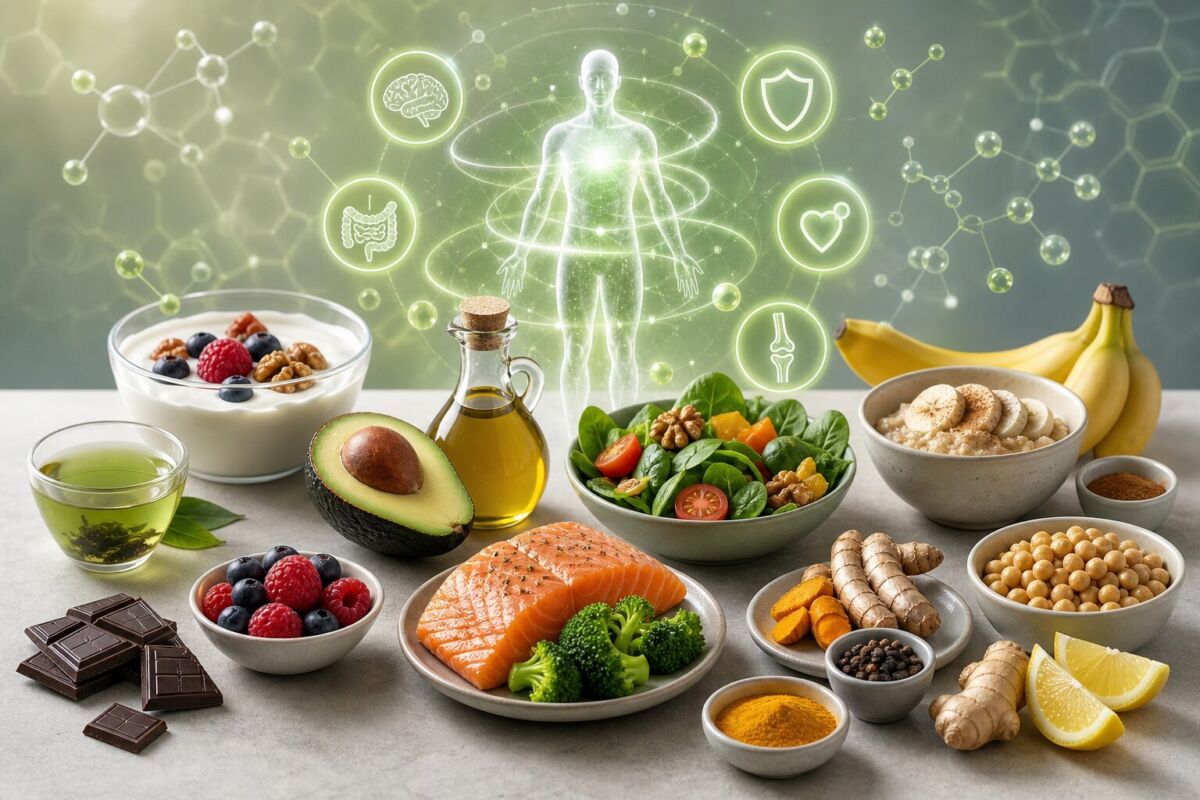
When we think about healthy eating, we often focus on individual “superfoods.” We talk about the benefits of blueberries, the power of kale, or the omega-3s in salmon. However, nutrition is rarely about a single ingredient acting in isolation. The true magic of nutrition lies in food synergy—the biological interaction between different nutrients that enhances their absorption, efficacy, and overall impact on the body. Some nutrients act as “keys” that unlock the potential of others, while some act as catalysts, accelerating the body’s ability to utilize vitamins and minerals.
Understanding food synergy allows you to move beyond simple calorie counting or nutrient tracking and start eating strategically. By pairing specific foods, you can significantly increase the bioavailability of essential compounds, meaning your body actually absorbs and uses more of what you consume. This approach doesn’t require expensive supplements or restrictive diets; it simply requires a bit of science-backed intentionality in how you build your plate.
The Vital Connection Between Healthy Fats and Fat-Soluble Vitamins
One of the most fundamental principles of nutrient absorption is the relationship between fats and vitamins. Vitamins are categorized as either water-soluble (like Vitamin C and the B-complex vitamins) or fat-soluble (Vitamins A, D, E, and K). Fat-soluble vitamins require a lipid medium to be absorbed through the intestinal wall and transported into the bloodstream.
For example, beta-carotene—the precursor to Vitamin A found in carrots, sweet potatoes, and spinach—is hydrophobic. If you eat a raw carrot alone, a significant portion of that beta-carotene may pass through your system unabsorbed. However, when you pair these vegetables with a healthy fat, such as extra virgin olive oil, avocado, or a handful of walnuts, the fat triggers the release of bile, which emulsifies the nutrients and allows them to be absorbed efficiently.
Practical Application: Instead of eating a plain garden salad, always add a dressing containing olive oil or avocado. When steaming broccoli or kale, toss them in a small amount of grass-fed butter or coconut oil. This simple shift transforms a nutrient-dense meal into a highly bioavailable one, ensuring your skin, vision, and immune system get the Vitamin A and K they need.
Unlocking Non-Heme Iron with Vitamin C
Iron is essential for transporting oxygen in the blood, but not all iron is created equal. There are two types: heme iron (found in animal products) and non-heme iron (found in plant-based foods like spinach, lentils, beans, and fortified cereals). Heme iron is easily absorbed by the body, but non-heme iron is much more stubborn and often requires a “helper” to be utilized.
Vitamin C (ascorbic acid) is that helper. It acts by converting non-heme iron from the ferric form to the ferrous form, which is significantly easier for the small intestine to absorb. This synergy is particularly crucial for vegetarians and vegans who rely primarily on plant-based iron sources to prevent anemia and fatigue.
Practical Application: Squeeze fresh lemon juice over a spinach salad or sautéed kale. Pair your morning bowl of oatmeal or fortified cereal with sliced strawberries or oranges. If you are eating a lentil stew, stir in some diced bell peppers or a splash of lime juice just before serving. By pairing a Vitamin C-rich food with an iron-rich food, you can potentially double or triple the amount of iron your body absorbs from that meal.
The Power Couple: Turmeric and Black Pepper
Turmeric has gained global fame for its active compound, curcumin, which is widely studied for its potent anti-inflammatory and antioxidant properties. However, curcumin has a major flaw: it is poorly absorbed into the bloodstream on its own. Most of the curcumin we ingest is metabolized by the liver and excreted before it can reach the tissues where it is needed.
This is where black pepper comes in. Black pepper contains a compound called piperine. Research has shown that piperine inhibits the metabolic pathway that eliminates curcumin, effectively increasing the bioavailability of curcumin by up to 2,000%. Without piperine, the health benefits of turmeric remain largely untapped.
Practical Application: Never use turmeric in isolation. Whether you are making a “golden milk” latte, a curry, or adding turmeric to a smoothie, always add a pinch of ground black pepper. To further enhance this combination, add a healthy fat (like coconut milk or olive oil), as curcumin is also fat-soluble, creating a triple-threat synergy for inflammation management.
Enhancing Lycopene Absorption with Heat and Oil
Lycopene is a powerful antioxidant found primarily in tomatoes and watermelon. It is associated with heart health and the protection of skin against UV damage. However, the structure of lycopene in raw tomatoes is locked within the cell walls of the fruit, making it difficult for the body to access.
Science shows that cooking tomatoes breaks down these cell walls and converts lycopene into a form that the body can absorb more easily. Furthermore, because lycopene is a carotenoid (fat-soluble), it requires a lipid to be transported across the gut lining. This means that cooked tomatoes paired with a fat source are vastly superior to raw tomatoes for lycopene delivery.
Practical Application: While a fresh tomato salad is healthy, a tomato sauce simmered with olive oil is a nutritional powerhouse. Consider making homemade marinara or roasted red pepper and tomato soups. Pairing these with a bit of parmesan cheese or avocado further optimizes the absorption of these heart-healthy antioxidants.
Synergizing Prebiotics and Probiotics for Gut Health
The health of the gut microbiome depends on two things: the presence of beneficial bacteria (probiotics) and the food those bacteria need to survive and thrive (prebiotics). Many people take probiotic supplements or eat yogurt, but if they don’t provide the necessary prebiotics, those beneficial bacteria often fail to colonize the gut effectively.
Prebiotics are typically non-digestible fibers found in foods like garlic, onions, leeks, asparagus, and slightly under-ripe bananas. When you combine a probiotic-rich food (like kefir, sauerkraut, kimchi, or Greek yogurt) with a prebiotic-rich food, you create a “synbiotic” effect. The prebiotic fiber acts as a fuel source, allowing the probiotic bacteria to survive the journey through the stomach acid and thrive in the colon.
Practical Application: Create a bowl of Greek yogurt topped with sliced bananas and flaxseeds. Mix sauerkraut into a salad that contains raw onions and garlic. Combine kefir with a handful of raw oats. By feeding your probiotics at the same time you introduce them, you maximize the impact on your digestion and immune function.
Supporting Bone Density with Vitamin D and Calcium
Calcium is the primary building block of bones and teeth, but it cannot do its job alone. To be absorbed from the intestines into the bloodstream, calcium requires the presence of Vitamin D. Without sufficient Vitamin D, the body can only absorb a small fraction of dietary calcium, regardless of how much you consume. In severe cases, the body will even pull calcium from the bones to maintain necessary blood levels if Vitamin D is missing.
This relationship is a classic example of a dependent nutrient pair. While we get Vitamin D from sunlight, dietary sources—such as fatty fish, egg yolks, and fortified foods—are essential during winter months or for those with limited sun exposure. Pairing these with calcium-rich foods ensures that the mineral actually reaches the skeletal system.
Practical Application: Pair grilled salmon (rich in Vitamin D) with a side of sautéed collard greens or bok choy (rich in calcium). Enjoy an egg (Vitamin D) with a slice of calcium-fortified toast or a side of cottage cheese. This ensures that the calcium you consume is effectively utilized for bone maintenance rather than being wasted.
Stabilizing Blood Sugar with Protein, Fiber, and Fats
While not a “nutrient absorption” synergy in the chemical sense, the combination of macronutrients is a critical “metabolic synergy.” Consuming simple carbohydrates (like fruit or white bread) on their own can cause a rapid spike in blood glucose, followed by a sharp insulin response and a subsequent “crash,” which leads to hunger and brain fog.
When you pair a carbohydrate with a protein, a healthy fat, or a soluble fiber, you slow down the rate of gastric emptying. This means the glucose enters the bloodstream more slowly and steadily. This synergy prevents the insulin spike and provides a sustained release of energy, which is essential for metabolic health and weight management.
Practical Application: Instead of eating an apple by itself, pair it with almond butter or a piece of string cheese. Instead of plain crackers, add hummus or avocado. If you have a piece of fruit for breakfast, pair it with a hard-boiled egg. This simple habit transforms a high-glycemic snack into a balanced meal that supports stable energy levels throughout the day.
Maximizing Cruciferous Benefits with Myrosinase
Cruciferous vegetables—such as broccoli, cauliflower, kale, and Brussels sprouts—contain a compound called glucoraphanin. When broken down by an enzyme called myrosinase, this becomes sulforaphane, a compound with potent anti-cancer and detoxifying properties. The problem is that myrosinase is heat-sensitive. When we steam or boil these vegetables, the enzyme is destroyed, significantly reducing the production of sulforaphane.
However, you can “reactivate” this process by pairing cooked cruciferous vegetables with a raw food that contains active myrosinase. Foods like raw mustard seed, arugula, horseradish, or raw broccoli sprouts are rich in this enzyme.
Practical Application: If you enjoy steamed broccoli, sprinkle a small amount of raw mustard seed powder over it before eating. Alternatively, serve your roasted cauliflower on a bed of fresh arugula. By adding a raw, enzyme-rich element back into the cooked dish, you restore the body’s ability to produce sulforaphane, maximizing the vegetable’s protective properties.
Integrating Synergy into Your Daily Routine
Implementing these science-backed combinations doesn’t require a complete overhaul of your diet. It is about making small, intentional adjustments to the meals you already enjoy. The goal is to move away from the idea of “perfect” foods and toward the idea of “perfect pairs.”
To start, pick two or three synergies that fit your current eating habits. Perhaps you start by adding black pepper to your turmeric tea and lemon juice to your spinach. Once those become habits, look for other opportunities. The beauty of food synergy is that it often makes food taste better—olive oil enhances the flavor of greens, and almond butter makes an apple more satisfying. When health and flavor align, sustainable nutrition becomes effortless.
The Magnesium and Vitamin B6 Synergy for Cellular Uptake
While many focus on the quantity of minerals they consume, the actual utility of a mineral depends on its ability to enter the cell. Magnesium is a cofactor for over 300 enzymatic reactions in the body, influencing everything from ATP production to muscle relaxation and mood regulation. However, magnesium often struggles to penetrate the cellular membrane on its own. This is where Vitamin B6 (pyridoxine) plays a critical role as a biological chaperone.
Research suggests that Vitamin B6 enhances the transport of magnesium into the cells by increasing its bioavailability and facilitating its movement across the cell membrane. When B6 is present, magnesium is more effectively utilized by the nervous system and muscles, reducing the likelihood that the mineral will simply remain in the extracellular space or be excreted. This synergy is particularly vital for individuals dealing with chronic stress, as both magnesium and B6 are depleted during the production of cortisol, leading to a vicious cycle of fatigue and anxiety.
Practical Application: To maximize this cellular uptake, pair magnesium-rich seeds or nuts with B6-rich fruits or proteins. A powerful combination is a snack of pumpkin seeds (high in magnesium) paired with a banana or a few dried apricots (rich in B6). For a main meal, consider grilled wild-caught salmon (B6) served with a side of sautéed spinach or Swiss chard (magnesium). By combining these two, you support the nervous system’s ability to calm down after a stressful day, improving both sleep quality and muscle recovery.
Edge Case: For those taking magnesium supplements, choosing a form like magnesium glycinate paired with a B-complex vitamin can mimic this food synergy. However, obtaining these from whole foods provides additional co-factors, such as potassium and fiber, which further stabilize the absorption process.
Protecting Omega-3s with Vitamin E
Omega-3 fatty acids, particularly EPA and DHA found in oily fish and algae, are celebrated for their ability to reduce systemic inflammation and support cognitive function. However, these fats are polyunsaturated, meaning they have multiple double bonds in their chemical structure. This makes them highly unstable and prone to oxidation—a process where they react with oxygen and free radicals, turning into peroxides that can actually cause cellular damage rather than prevent it.
Vitamin E, specifically in the form of alpha-tocopherol, acts as a potent lipid-soluble antioxidant. Its primary biological role is to sit within the cell membrane and the fatty acid chains themselves, acting as a shield that neutralizes free radicals before they can oxidize the omega-3s. Without sufficient Vitamin E, the delicate omega-3 molecules can degrade before they even reach the target tissues in the brain or heart, significantly reducing their therapeutic value.
Practical Application: When eating fatty fish like mackerel, sardines, or salmon, pair them with foods rich in Vitamin E to preserve the integrity of the fats. A drizzle of extra virgin olive oil or a side of sliced avocado provides the necessary tocopherols to protect the omega-3s. Another excellent pairing is adding a handful of raw almonds or sunflower seeds to a salad containing canned tuna or salmon. This ensures that the heart-healthy fats remain stable as they travel through your digestive system and into your bloodstream.
Edge Case: This synergy is especially important for those who use fish oil supplements. Many high-quality supplements add Vitamin E (as mixed tocopherols) to the capsule to prevent the oil from going rancid. If your supplement lacks this, consuming it alongside a Vitamin E-rich meal is essential to prevent the ingestion of oxidized lipids.
Quercetin and Vitamin C: The Ionophore Effect
The relationship between Quercetin—a flavonoid found in red onions, apples, and capers—and Vitamin C is one of the most sophisticated examples of nutritional synergy. While Vitamin C is a well-known immune booster, its ability to enter the center of a cell is limited because it is water-soluble and cannot easily pass through the fatty lipid bilayer of the cell membrane.
Quercetin acts as a “zinc ionophore.” In scientific terms, an ionophore is a molecule that can bind to a mineral (like zinc) and transport it across the cell membrane. When Quercetin and Vitamin C are consumed together, Quercetin helps shuttle essential minerals and the antioxidant properties of Vitamin C directly into the intracellular space. This creates a synergistic effect that enhances the immune system’s ability to inhibit viral replication and reduce the duration of respiratory infections.
Practical Application: To leverage this effect, combine flavonoid-rich foods with citrus. A simple way to do this is by adding sliced red onions and a squeeze of fresh lemon juice to a salad. Another effective combination is eating a crisp apple (quercetin) with a side of orange slices or a kiwi. For a savory option, sauté capers and red onions in olive oil and serve them over steamed fish with a side of bell peppers. This combination ensures that the protective antioxidants aren’t just floating in your blood but are actually entering your cells where they can do the most good.
Edge Case: This synergy is particularly beneficial during the winter months when immune challenges are higher. By pairing these foods, you are essentially creating a natural delivery system that optimizes the cellular environment for defense.
Neutralizing Anti-Nutrients: Managing Phytates and Oxalates
To truly supercharge health, one must understand not only what to pair together but how to neutralize “anti-nutrients.” Compounds like phytic acid (found in grains, legumes, and seeds) and oxalates (found in spinach, beets, and rhubarb) are not inherently “bad,” but they act as binders. They bind to minerals like calcium, zinc, and iron, creating insoluble complexes that the body cannot absorb, effectively “stealing” the nutrients from your meal.
The synergy here is not between two nutrients, but between a food and a preparation method. To unlock the minerals trapped by phytic acid, you can use the synergy of moisture and time. Soaking, sprouting, or fermenting these foods activates an enzyme called phytase, which breaks down phytic acid and releases the bound minerals for absorption. Similarly, while raw spinach is healthy, the oxalates it contains can block calcium absorption. Lightly steaming or blanching the spinach reduces the oxalate content, making the calcium and other minerals more bioavailable.
Practical Application: Instead of eating raw almonds or unsoaked beans, soak them in water with a splash of apple cider vinegar for 12-24 hours before consuming or cooking. When baking bread, choose a long-fermented sourdough process; the lactic acid bacteria in the sourdough starter break down the phytates in the wheat, making the magnesium and zinc in the grain accessible. For greens, lightly sauté your spinach or kale rather than eating them exclusively raw to ensure you aren’t inadvertently blocking the absorption of other minerals in your diet.
Edge Case: For individuals with a history of kidney stones, managing oxalates is critical. Pairing high-oxalate foods (like spinach) with a calcium-rich food (like feta cheese or yogurt) in the same meal can actually be helpful. The calcium binds to the oxalates in the gut rather than in the kidneys, allowing the complex to be excreted safely through the digestive tract.
The Stability Synergy: Catechins and Vitamin C
Green tea is rich in epigallocatechin gallate (EGCG), a powerful catechin known for supporting metabolism and protecting cells from oxidative stress. However, EGCG is notoriously unstable in the alkaline environment of the small intestine. A significant portion of the catechins in green tea are degraded and lost before they can be absorbed into the bloodstream, which is why the actual bioavailability of green tea is lower than its nutrient profile suggests.
Vitamin C (ascorbic acid) acts as a stabilizer for these catechins. When Vitamin C is present, it prevents the oxidation and degradation of EGCG in the gut, significantly increasing the amount of catechins that reach the bloodstream. This synergy transforms a simple cup of tea into a much more potent antioxidant delivery system, enhancing its effects on cardiovascular health and weight management.
Practical Application: The most effective way to implement this is the classic addition of a lemon wedge to your green tea. The citric acid lowers the pH in the gut, which protects the EGCG from breaking down. If you prefer cold brews, infuse your green tea with slices of lemon, lime, or orange. For those who use matcha powder in smoothies, adding a handful of blueberries or a splash of orange juice provides the necessary Vitamin C to ensure the expensive matcha nutrients are actually absorbed.
Edge Case: Avoid adding milk or heavy cream to your green tea if your goal is maximum antioxidant absorption. The proteins in dairy (caseins) can bind to the catechins, creating a complex that is harder for the body to absorb, effectively countering the benefit provided by the Vitamin C.
Cardiovascular Balance: Potassium and Magnesium Synergy
Heart health is often discussed in terms of cholesterol, but the electrical stability of the heart depends on the balance of electrolytes, specifically the relationship between potassium and magnesium. These two minerals work in tandem to regulate the sodium-potassium pump, which controls the electrical charge of every cell in the body, including the cardiac muscle.
Magnesium acts as a gatekeeper for potassium. Without sufficient magnesium, the cells cannot effectively retain potassium, leading to the mineral being leaked into the extracellular space and excreted through urine. This imbalance can lead to heart palpitations, muscle cramps, and elevated blood pressure. When consumed together, they create a synergistic effect that promotes vasodilation (the widening of blood vessels), which reduces the workload on the heart and helps lower systemic blood pressure.
Practical Application: Build meals that feature both high-potassium and high-magnesium sources. A perfect example is an avocado toast on sprouted grain bread; the avocado provides potassium, while the sprouted grains and a sprinkle of hemp seeds provide magnesium. Another potent pairing is a smoothie containing spinach (magnesium) and a banana or coconut water (potassium). For dinner, pair a baked potato (potassium) with a side of steamed broccoli or almonds (magnesium).
Edge Case: This synergy is particularly important for athletes or those living in hot climates who lose electrolytes through sweat. Relying on potassium alone (like eating only bananas) may be ineffective if magnesium levels are low, as the body will struggle to hold onto the potassium it receives.
Crossing the Blood-Brain Barrier: Anthocyanins and Healthy Fats
Anthocyanins are the deep blue and purple pigments found in blueberries, blackberries, and purple carrots. These compounds are renowned for their neuroprotective properties, including the ability to improve memory and protect neurons from inflammation. However, the brain is protected by the blood-brain barrier (BBB), a highly selective membrane that prevents many substances from entering the brain tissue.
Anthocyanins are water-soluble, which makes crossing the fatty, lipid-rich blood-brain barrier a challenge. When paired with medium-chain triglycerides (MCTs) or omega-3 fatty acids, the absorption and transport of these antioxidants are enhanced. The fats help to modulate the permeability of the barrier and provide a lipid vehicle that allows these potent antioxidants to be delivered more efficiently to the neurons in the hippocampus, the brain’s memory center.
Practical Application: Instead of eating berries alone, blend them into a smoothie with a tablespoon of almond butter, coconut oil, or full-fat Greek yogurt. A more sophisticated pairing is a “brain bowl” consisting of blueberries, walnuts (rich in DHA precursors), and a drizzle of honey. For a breakfast option, top a bowl of chia seed pudding (made with coconut milk) with fresh blackberries. This ensures that the neuroprotective pigments in the fruit are not just supporting your general health, but are actually reaching the brain tissue where they can combat cognitive decline.
Edge Case: This synergy is most effective when the fats used are unsaturated. Avoiding highly processed seed oils (like soybean or corn oil) and sticking to whole-food fats like walnuts or avocado ensures that you aren’t introducing pro-inflammatory omega-6s that could counteract the anti-inflammatory benefits of the anthocyanins.
Frequently Asked Questions
1. Can I get these benefits from supplements instead of food combinations?
While supplements can fill nutritional gaps, they rarely replicate the complex synergy found in whole foods. Food contains hundreds of co-factors—enzymes, fibers, and phytonutrients—that work together in ways that a single-ingredient pill cannot. For example, taking a curcumin supplement without piperine is far less effective than eating turmeric and black pepper together in a meal. Whole foods provide the complete biological matrix necessary for optimal absorption.
2. Does cooking always destroy the benefits of food synergy?
Not necessarily. In some cases, cooking actually creates synergy. As seen with lycopene in tomatoes, heat breaks down cell walls to make the nutrient more available. However, for other nutrients, like the myrosinase in broccoli or the Vitamin C in bell peppers, excessive heat can be detrimental. The key is to use gentle cooking methods like steaming or sautéing and to pair cooked foods with raw elements to restore lost enzymes.
3. Are there any food combinations that are harmful or inhibit absorption?
Yes, some combinations can hinder nutrient uptake. For example, tannins in tea and coffee and oxalates in raw spinach can bind to non-heme iron, making it harder to absorb. To mitigate this, avoid drinking tea or coffee immediately after an iron-rich meal, and lightly steam your spinach to reduce oxalate levels. Understanding these “antinutrients” is just as important as understanding synergies.
4. How long does it take to notice the effects of eating for synergy?
The effects vary depending on the nutrient. Blood sugar stabilization (pairing carbs with protein) is often felt immediately as a reduction in energy crashes. Improvements in iron levels or bone density take longer, often weeks or months of consistent dietary habits. However, the overall improvement in digestion and energy usually becomes apparent within a few weeks of optimizing gut health synergies.
5. Is it necessary to track every combination for it to work?
Absolutely not. Nutrition should be a source of nourishment, not stress. The goal is to develop a general intuition for how foods work together. Once you know that “fat helps vitamins” and “Vitamin C helps iron,” you will naturally start making these choices. Focus on adding one or two synergistic pairs to your day and let the habit grow organically.
Related posts:
 The Hidden Magnesium Power of Avocados Will Blow Your Mind
 Why Coffee and Magnesium Are the Power Couple Your Body Needs
 Perfect Nutrient Combinations
 The Best Vegan Sources of Calcium That Aren’t Dairy
 The 3 Surprising Benefits of Magnesium for Your Health
 What to Know About Calcium Supplements for Bone Health
 PHA Bodyweight Workout: Efficient Fitness Anywhere, Anytime
 Safe and Natural Ways to Boost Your Vitamin D Levels