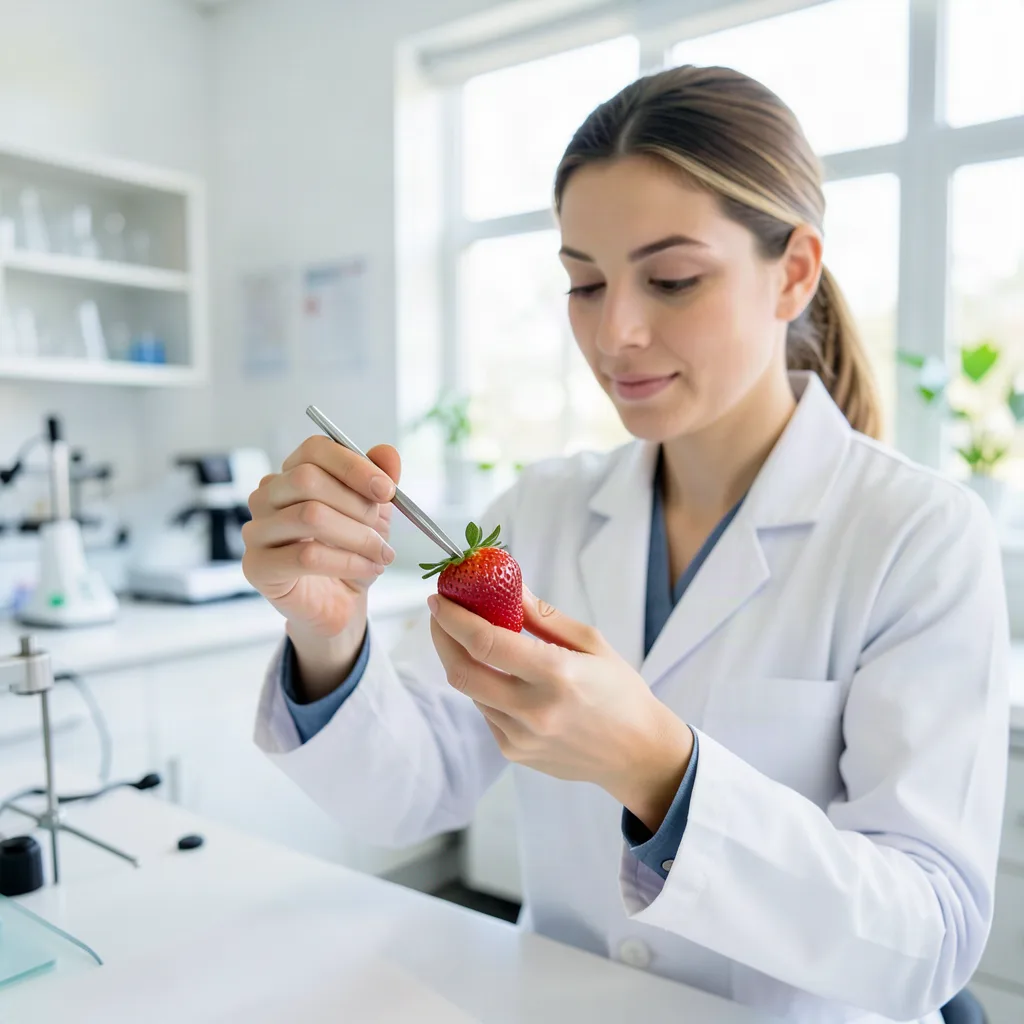
Have you ever reached for a beautiful, bright strawberry only to find it covered in fuzzy mold a day later? Or watched helplessly as your avocado transformed from perfectly ripe to a brown, mushy mess overnight? This heartbreaking cycle of food waste is a global problem, with households alone discarding millions of tons of fresh produce each year.
Key takeaways
- Coatings are made from safe, food-grade materials like seaweed, plant fibers, or beeswax to create a protective barrier.
- These invisible shields can extend the shelf life of fruits and vegetables by 50% to over 200%.
- Coated produce retains higher levels of vitamins and antioxidants, such as vitamin C, compared to untreated items.
- Check labels or PLU stickers for terms like vegetable-based wax or extended freshness to identify treated produce.
But what if the solution to extending the life of our fruits and vegetables wasn’t a better fridge or more plastic wrap, but a microscopic, edible shield? This isn’t science fiction—it’s food science at its most innovative. Researchers and companies are developing a new generation of invisible, plant-based coatings that can significantly slow down the processes that lead to spoilage. This technology promises not only to reduce our personal food waste and grocery bills but also to address larger systemic issues in our food supply chain.
Why Fresh Produce Spoils: The Science of Senescence
To understand how these coatings work, we first need to look at why fruits and vegetables deteriorate. The moment produce is harvested, it’s cut off from its life source. However, it remains a living, breathing organism undergoing a process called senescence—essentially, aging and dying. Three main factors accelerate this journey from farm to fork to compost.
Water Loss (Transpiration): Produce is mostly water. After harvest, it continues to lose moisture through its skin or peel. This leads to wilting, wrinkling, and loss of crisp texture. A limp carrot or rubbery bell pepper is a victim of dehydration.
Respiration: Even off the plant, fruits and vegetables “breathe,” taking in oxygen and breaking down their own sugars, starches, and organic acids to produce energy, carbon dioxide, and heat. This process consumes the very compounds that give produce its flavor, nutrients, and structure. High-respiration items like broccoli, asparagus, and mushrooms spoil much faster than low-respiration ones like onions or potatoes.
Microbial Growth: The surfaces of fruits and vegetables are natural habitats for yeasts, molds, and bacteria. Bruises, cuts, or the natural softening from water loss create entry points for these microbes, leading to visible rot.
Traditional preservation methods like refrigeration, controlled atmosphere storage, and plastic packaging aim to slow these processes. However, they often have limitations in energy use, material waste, or effectiveness.
The Ancient Inspiration for Modern Coatings
The concept of coating food isn’t new. For centuries, cultures have used waxes to preserve fruits. In the 1920s, food-grade shellac (derived from lac bugs) and petroleum-based waxes became commercially popular for giving apples and citrus a glossy, protective shine. While effective at reducing water loss, these older waxes were purely hydrophobic barriers. They didn’t “communicate” with the produce or address other spoilage pathways, and some consumers disliked the non-edible, sometimes synthetic feel.
The new wave of edible coatings represents a fundamental leap. Instead of just being a barrier, they are designed as active, multi-functional systems. Scientists draw inspiration from nature itself, mimicking the protective cuticles found on leaves or the skins of fruits. The goal is to create a “second skin” that is biocompatible, safe, and enhances the food’s natural defenses.
What Are These Coatings Made Of? A Look at the Ingredients
The most promising edible coatings are derived from abundant, renewable biological sources. They fall into three main categories:
Polysaccharide-Based Coatings: These are made from long chains of sugars. Common sources include chitosan (from shellfish exoskeletons or fermented fungal sources), alginate (from seaweed), cellulose (from plant fibers), and pectin (from fruit peels). They form excellent gas barriers, slowing down respiration by limiting oxygen influx. Imagine a gentle, breathable film that lets the produce “relax” its breathing rate.
Protein-Based Coatings: Derived from proteins like whey (a dairy byproduct), soy, corn zein, or collagen/gelatin. These coatings can form strong, flexible films that are particularly good at preventing moisture loss. They can also carry antioxidants or antimicrobials within their matrix.
Lipid-Based Coatings: These include waxes (carnauba, candelilla, beeswax) and oils. They excel at creating a water-repellent layer, locking moisture in. Often, they are used in composite coatings alongside polysaccharides or proteins to combine the strengths of both—moisture barrier from lipids and gas barrier from polysaccharides.
The magic often happens in composite or emulsion coatings. For example, a blend of alginate (for structure and gas barrier) with a touch of sunflower oil (for water barrier) and citric acid (as a natural preservative) can be tailored for a specific fruit’s needs.
How the Invisible Shield Actually Works
Applying this science is a delicate process. For some produce, it’s as simple as a quick dip or spray in a water-based coating solution. For others, a layer-by-layer electrostatic deposition is used, building up a nano-scale film. Once applied, the coating performs several critical functions simultaneously:
- Modifies the Microclimate: It creates a tailored atmosphere right at the surface of the produce. By selectively limiting the diffusion of oxygen, carbon dioxide, and water vapor, it gently forces the fruit into a state of lowered metabolic activity, effectively putting it into a hibernation-like state.
- Carries Active Compounds: The coating can be a delivery vehicle for natural preservatives. Antioxidants like vitamin C, tocopherols (vitamin E), or plant extracts (rosemary, thyme) can be incorporated to prevent browning and rancidity. Similarly, natural antimicrobials like essential oils (citral, carvacrol), nisin (a bacteria-derived peptide), or chitosan itself can inhibit mold and bacterial growth on the surface.
- Provides Mechanical Support: A good coating can reinforce the cell walls of the produce, making it slightly more resilient to bruising and handling damage during transport.
The result is produce that retains its firmness, color, weight (less water loss), and nutritional content for far longer. Studies have shown extensions in shelf life ranging from 50% to over 200% for items like strawberries, avocados, mangoes, and bell peppers.
Benefits Beyond Your Kitchen Drawer
The implications of this technology ripple far beyond keeping your salad greens crisp for an extra week.
Reducing Food Waste: An estimated 30-40% of the food supply is wasted. A significant portion occurs at the retail and consumer levels due to perishability. Extending shelf life by even a few days can dramatically reduce the amount of perfectly good food thrown away, easing the burden on landfills where decomposing food releases methane, a potent greenhouse gas.
Enhancing Food Security and Access: Longer shelf life means produce can withstand longer transportation times without spoiling. This could improve access to fresh, nutritious food in remote or underserved areas (often termed “food deserts”) and reduce the reliance on ultra-processed, shelf-stable alternatives. It also gives retailers more flexibility, potentially reducing the frequency of deliveries and their associated carbon emissions.
Less Plastic Packaging: If an edible coating can do the job of a plastic clamshell or wrap, it opens the door to significant reductions in single-use plastic packaging for fresh produce—a major source of pollution.
Economic Savings: For farmers, less spoilage means more of their harvest makes it to market. For retailers, it means reduced shrinkage and loss. For consumers, it means less money tossed in the compost bin and the ability to buy in bulk or on sale with more confidence.
Safety, Regulation, and What “Edible” Really Means
Understandably, the idea of an “invisible coating” raises questions. Are they safe? Do you eat them? The short answer is yes, but with important context.
These coatings are classified as “generally recognized as safe” (GRAS) by food safety authorities like the FDA in the United States and EFSA in Europe. They are made from food-grade or food-derived materials. The term “edible” means the coating is safe for consumption; you do not need to wash it off or peel it (in fact, trying to remove it might be difficult). It is intended to be eaten as part of the whole fruit or vegetable, just like the apple’s natural wax or the potato’s skin.
Regulations require that any coating or treatment be listed on the label. You might see terms like “coated with food-grade vegetable-based wax to maintain freshness” or “treated with chitosan to extend shelf life.” Transparency is key, and consumer education will be crucial for widespread acceptance.
Identifying Coated Produce in the Store Today
This technology is already on supermarket shelves, though it might not be prominently advertised. Here’s how to spot it:
- Look at the Label or PLU Sticker: The small sticker on apples, citrus, or avocados sometimes includes information about a wax coating. Larger signage in the organic or premium produce section might mention “extended freshness” technology.
- Observe the Sheen: While many natural fruits have a shine, an exceptionally glossy, uniform appearance on apples, cucumbers, or peppers can indicate a wax coating (traditional or new).
- Feel the Surface: Coated produce may feel slightly smoother or less porous than uncoated equivalents.
- Ask the Grocer: Staff in the produce department, especially at specialty or health food stores, are often knowledgeable about their suppliers and whether coatings are used.
Several companies are now leading the charge, offering brand-name coating products that suppliers can apply. Examples include Apeel Sciences, which makes a plant-derived coating from leftover grape skins and seeds, and Hazel Technologies, which produces sachets that release freshness-extending vapors in shipping containers.
The Future of Fresh: What’s Next for Food Preservation?
The research frontier is incredibly active. Scientists are working on “smart” or “intelligent” coatings that could do more than just preserve. Imagine a coating that changes color as the fruit ripens or if bacterial contamination is present, giving you a visual cue of peak freshness or safety. Other work focuses on enhancing the nutritional profile of the coating itself, perhaps by fortifying it with vitamins or minerals.
The ultimate goal is a circular economy approach: using agricultural by-products (peels, pits, stems) that are currently waste streams to create the very coatings that preserve the main crop. This closes the loop, reduces overall waste, and creates value from materials that were once discarded.
Beyond Shelf Life: How Coatings Preserve Nutritional Value
While preventing spoilage is the most visible benefit, the true magic of edible coatings lies in their ability to preserve what we often overlook: nutrition. Fresh produce begins losing vital vitamins and phytochemicals the moment it’s harvested, often at a faster rate than visible deterioration occurs. A strawberry that still looks perfect might have lost half its vitamin C content before any mold appears. These invisible coatings create a protective microenvironment that slows down the biochemical reactions responsible for nutrient degradation, effectively locking in both quality and nourishment.
The preservation mechanism targets specific nutrient-loss pathways. Water-soluble vitamins like vitamin C and B vitamins are particularly vulnerable to oxidation and enzymatic breakdown. By creating a barrier that limits oxygen diffusion and modifying the fruit’s internal atmosphere, coatings significantly reduce ascorbic acid oxidase activity—the enzyme responsible for vitamin C degradation. Studies on chitosan-coated strawberries show they retain up to 40% more vitamin C after 7 days compared to uncoated controls. Similarly, alginate-based coatings on broccoli florets help maintain higher levels of glucosinolates—the cancer-fighting compounds that rapidly degrade after harvest.
For carotenoid-rich produce like carrots, tomatoes, and bell peppers, coatings protect against photo-oxidation. These fat-soluble antioxidants are sensitive to both light and oxygen, and the coating’s gas barrier properties combined with light-scattering nanoparticles (when used) can preserve beta-carotene and lycopene levels. In mangoes treated with whey protein isolate coatings fortified with oregano essential oil, researchers documented not only extended shelf life but also preserved levels of phenolic compounds and antioxidant capacity that were 2-3 times higher than in control fruits after two weeks of storage.
Beyond passive protection, advanced coatings now incorporate “nutrient delivery” functions. Bioactive compounds like quercetin, resveratrol, or omega-3 fatty acids can be encapsulated within the coating matrix and gradually released to the fruit’s surface or even absorbed through microscopic openings in the cuticle. This creates a functional food that actually gains nutritional value during storage. Imagine an apple that accumulates additional antioxidants from its coating as it sits on your counter, or a banana peel enriched with magnesium that transfers to the fruit flesh. The boundary between preservation and enhancement is becoming increasingly blurred.
Application Science: From Laboratory Dip to Industrial Scale
The journey from a promising laboratory formula to a commercially viable coating involves overcoming significant engineering challenges. The “dip and dry” method common in research settings rarely translates directly to packing house operations where throughput is measured in tons per hour. Modern application systems must accommodate diverse produce shapes, surface textures, and natural variations while maintaining precise, consistent coating thickness—typically measured in microns, or thousandths of a millimeter.
For delicate berries and leafy greens, electrostatic spray systems have become the gold standard. These units charge the coating droplets as they leave the nozzle, causing them to be attracted to the produce surface with near-perfect wraparound coverage, even reaching the undersides of leaves or the recessed calyx of strawberries. The charged particles also repel each other, preventing droplet coalescence and ensuring a uniform monolayer. This technology reduces coating solution usage by up to 70% compared to conventional spraying while achieving better coverage with thickness variations of less than ±2 microns.
For firmer produce like apples, citrus, and root vegetables, curtain coating offers high-speed precision. Fruits roll through a continuous falling “curtain” of coating solution, with excess liquid collected and recirculated. Advanced systems incorporate real-time viscosity monitoring and temperature control to maintain solution consistency, while infrared sensors verify coating thickness on individual pieces downstream. Some operations now employ dual-layer application: first a hydrophilic polysaccharide base coat to manage gas exchange, followed by a hydrophobic lipid topcoat for moisture retention, with a brief drying period between applications.
The drying phase presents its own engineering puzzle. Too rapid drying can cause cracking or “orange peel” texture; too slow risks microbial growth in the damp environment. Industrial systems use precisely controlled multi-zone drying tunnels with progressive humidity reduction, often combining infrared pre-drying with gentle air convection. For temperature-sensitive produce, newer systems employ desiccant wheel dehumidifiers that dry air to extremely low dew points without heat, allowing coating cure at near-ambient temperatures.
The Microbiome Connection: Coatings as Ecosystem Managers
Every fruit and vegetable hosts a complex ecosystem of microorganisms—its “phyllosphere microbiome”—that plays a crucial role in both spoilage and defense. Traditional preservation approaches often treat all microbes as enemies to be eliminated, but emerging research reveals a more nuanced reality. Many native microbial communities actually protect against pathogens through competitive exclusion and antimicrobial compound production. Edible coatings are evolving from simple barriers to sophisticated microbiome management systems that selectively suppress spoilage organisms while preserving or even enhancing beneficial communities.
Chitosan provides a fascinating case study. While it exhibits direct antimicrobial properties against many fungi and bacteria, its effect on the broader microbiome is selective rather than blanket. Studies on tomato surfaces show chitosan treatment reduces populations of soft-rot causing Pectobacterium and gray mold fungus Botrytis cinerea by 3-4 log units, but has minimal impact on native yeast populations like Cryptococcus and Sporobolomyces that compete with pathogens for resources. This selective pressure reshapes the microbial community toward a more protective composition, creating natural biological control that persists beyond the coating’s direct chemical effects.
Advanced coatings now incorporate prebiotic components—compounds that specifically feed beneficial microbes. Oligosaccharides derived from seaweed or citrus pectin can be included in coating formulations to stimulate growth of native lactic acid bacteria and Pseudomonas species known for their antagonistic effects against pathogens. This “probiotic coating” approach creates a self-reinforcing defense system: as beneficial microbes consume the prebiotics, they multiply and produce more antimicrobial compounds, effectively turning the fruit’s surface into an inhospitable environment for spoilage organisms throughout storage.
The most sophisticated systems employ “quorum sensing interference” strategies. Many pathogens coordinate their attack through chemical signaling molecules. Coatings can be loaded with natural compounds like halogenated furanones (from red algae) or synthetic analogs that mimic these signals without triggering virulence, effectively jamming microbial communication. Pathogens remain present but never reach the population density threshold needed to launch a coordinated infection. This approach dramatically reduces the need for direct antimicrobials while preventing resistance development—a major concern with traditional treatments.
Post-Harvest Physiology: How Coatings Influence Ripening Signals
At the cellular level, fruits and vegetables continue complex physiological dialogues after harvest, with ethylene gas serving as the primary ripening hormone. Edible coatings don’t just create passive barriers; they actively intervene in these biochemical conversations, modulating the timing and progression of natural processes. Understanding this interaction reveals why certain coatings work spectacularly for some produce types but fail for others—and how next-generation formulations are becoming produce-specific.
For climacteric fruits like avocados, bananas, and tomatoes that experience a dramatic ripening surge triggered by ethylene, coatings serve as ethylene management systems. Polysaccharide-based films, particularly those incorporating cyclodextrins or clay nanoparticles, can selectively adsorb ethylene molecules from the fruit’s immediate atmosphere, preventing them from binding to cellular receptors. Some formulations include potassium permanganate or titanium dioxide nanoparticles that catalytically oxidize ethylene to carbon dioxide and water, creating a local “ethylene scrubber” effect. This allows controlled, gradual ripening rather than the sudden texture collapse common in untreated fruits.
Non-climacteric produce like citrus, grapes, and strawberries presents different challenges. Their deterioration is less about coordinated ripening and more about senescence processes accelerated by water loss and respiration. Here, coatings focus on maintaining turgor pressure and reducing metabolic rate. Composite films with precise water vapor transmission rates create a “humidity dome” effect at the microscopic scale, keeping relative humidity at the fruit surface between 90-95%—ideal for preventing dehydration without encouraging condensation that could promote microbial growth.
The frontier lies in “responsive coatings” that adapt to the fruit’s physiological state. pH-sensitive polymers change their permeability in response to the slight acidity increase that accompanies ripening, automatically allowing more oxygen through as the fruit’s respiration naturally declines. Temperature-responsive coatings can tighten their molecular structure when exposed to refrigeration temperatures, providing better moisture barrier properties exactly when needed during cold storage. These smart materials essentially create a dynamic interface that evolves with the produce rather than maintaining a static, one-size-fits-all barrier.
Supply Chain Integration: From Farm to Retail Analytics
The true potential of edible coatings unfolds not in isolation but as integrated components of modern food supply chains. When combined with IoT sensors, blockchain tracking, and predictive analytics, coatings transition from simple preservation tools to data-rich quality management systems that transform how produce moves from field to consumer.
Advanced coating formulations now incorporate food-safe, biodegradable sensors that monitor key quality parameters throughout transit. Printed electronics using carbon nanotubes or silver nanowires embedded in the coating can continuously measure temperature, humidity, and ethylene concentration, transmitting data via RFID or Bluetooth Low Energy. This creates a “digital twin” of each pallet or even individual fruit, allowing shippers to identify problem zones in real-time. If a refrigeration unit fails during transport, the system can automatically trigger compensation protocols—like temporarily increasing coating antioxidant release—to mitigate damage before it becomes visible.
At distribution centers, hyperspectral imaging systems paired with machine learning algorithms can non-destructively assess coating integrity and predict remaining shelf life. By analyzing how light at specific wavelengths interacts with the coated surface, these systems detect microscopic cracks, thickness variations, or early microbial colonization invisible to human inspectors. This allows dynamic routing: produce with optimal coating performance might be directed to more distant markets, while batches showing early signs of coating compromise can be prioritized for local sale.
The integration extends to retail through consumer-facing applications. QR codes printed with food-safe ink on coated produce allow shoppers to access complete provenance and handling history. More innovatively, some retailers are experimenting with “freshness indicators” built into the coating itself—color-changing pigments that respond to cumulative temperature exposure or volatile compounds associated with spoilage. These passive sensors require no electronics, instead using photonic crystals or plasmonic nanoparticles that shift color based on chemical environment. A green-to-red transition provides intuitive visual feedback, reducing the need for arbitrary “best by” dates and empowering consumers to make informed decisions based on actual product state rather than conservative estimates.
Environmental Trade-Offs: Life Cycle Analysis of Coating Systems
While edible coatings promise environmental benefits through reduced food waste and plastic packaging, their true sustainability picture requires careful life cycle assessment. Every coating ingredient carries its own environmental footprint from cultivation, extraction, processing, and disposal—and these must be weighed against the benefits of preserved food. The emerging consensus suggests coatings achieve net positive impacts, but with important caveats that guide formulation and application choices.
Chitosan derived from shellfish waste exemplifies the circular economy potential. The exoskeletons of shrimp, crab, and lobster—typically discarded as processing waste—require significant energy for deproteinization and deacetylation to produce pure chitosan. However, when compared to the environmental cost of growing, harvesting, transporting, and discarding the additional produce that would spoil without coating, studies show a favorable balance. One comprehensive LCA found that chitosan coating of strawberries reduced the carbon footprint per consumed berry by 28% despite the coating’s production energy, primarily due to dramatic reductions in both farm-to-retail losses and consumer waste.
Water usage presents more complex trade-offs. Many coating processes, particularly those involving polysaccharide dissolution and rinsing, are water-intensive. However, when evaluated against the “virtual water” embedded in food production—the thousands of liters required to grow each kilogram of produce—the equation shifts. Saving one kilogram of avocados from waste preserves approximately 2,000 liters of embedded water, while applying its coating might use 5-10 liters in processing. This hundred-to-one ratio makes water usage for coating application environmentally justifiable, though innovations in water recycling within coating facilities continue to improve the balance.
The end-of-life scenario reveals another advantage: most edible coatings are designed for complete biodegradation in home composting systems or municipal facilities. Unlike plastic packaging that persists for centuries, polysaccharide and protein-based films typically break down within weeks, often serving as carbon sources for composting microorganisms. Some formulations even enhance compost quality by improving moisture retention and aeration during decomposition. This creates a virtuous cycle where the coating that preserved food during its useful life then contributes to soil health that supports future food production.
Consumer Psychology and Acceptance: Bridging the “Ick Factor”
Despite compelling technical and environmental arguments, the ultimate success of edible coatings hinges on consumer acceptance—a challenge that blends food science with human psychology. The “ick factor” associated with invisible food treatments represents a significant barrier, rooted in both evolutionary disgust responses and modern concerns about food purity. Successful adoption requires addressing these psychological dimensions as carefully as the technical ones.
Transparency proves more effective than stealth. Research from Cornell’s Food and Brand Lab demonstrates that when consumers receive clear, simple explanations of coating purposes and ingredients—presented before purchase rather than in fine print on labels—acceptance rates increase by 40-60%. Framing matters: describing coatings as “protective peels inspired by nature” resonates better than “applied edible barriers.” Visual aids showing side-by-side comparisons of coated versus uncoated produce after equivalent storage periods effectively communicate benefits without relying on technical jargon.
The organic market presents particular challenges and opportunities. While some consumers view any post-harvest treatment as conflicting with organic principles, others recognize that reducing waste aligns with broader environmental values central to organic philosophy. Successful marketing to this segment emphasizes the natural origins of coating materials (“derived from apple peels themselves”) and highlights compatibility with organic farming’s reduced-input approach. Some organic producers have found success with “dual certification” approaches—maintaining both organic status and separate “food waste fighter” certification that celebrates rather than hides the coating technology.
Cultural differences significantly influence acceptance patterns. In markets with strong traditions of waxed produce like the United States and Japan, newer edible coatings face less resistance, often perceived as incremental improvements rather than radical changes. In regions where unwaxed, “natural appearance” produce is the norm, introduction requires more careful education. Successful European campaigns have emphasized the technology’s role in reducing plastic packaging—a concern that often outweighs discomfort with coatings. Meanwhile, in developing markets where food waste represents both economic hardship and nutritional loss, acceptance focuses on practical benefits like extended affordability and availability rather than philosophical purity concerns.
FAQs: Your Questions Answered
Q: Do I need to wash coated produce extra thoroughly?
A: You should always wash fresh produce under running water to remove dirt and potential surface contaminants, whether it’s coated or not. The coatings themselves are designed to be safe for consumption and are not removed by washing. Using a produce brush on firm items can help clean crevices.
Q: Are these coatings used on organic produce?
A: It depends on the specific coating and organic certification standards. Some plant- or mineral-based coatings are approved for use in organic agriculture. The USDA National Organic Program maintains a list of approved substances. Always check the label for the organic certification and any treatment declarations.
Q: Can people with food allergies (e.g., shellfish, soy) consume coated produce?
A: This is a critical consideration. If a coating contains a major allergen like shellfish-derived chitosan or soy protein, it must be declared on the label. Always read packaging information carefully. Many newer coatings are being developed from allergen-free sources like fermented chitosan or cellulose.
Q: Does the coating affect the taste or texture of the food?
A: A well-formulated, thin coating should be imperceptible in taste and texture. Its purpose is to preserve the inherent qualities of the produce. In some cases, by preventing dehydration, the coating actually helps maintain the ideal juicy texture for longer.
Q: How can I support this technology as a consumer?
A: You can support it by purchasing produce that uses these technologies, especially if it’s marketed as a food-waste reduction solution. Ask your local grocery store managers to stock more items from suppliers using sustainable preservation methods. Your buying choices signal demand for innovation that benefits both the consumer and the planet.
The quest to keep our food fresh is merging ancient wisdom with cutting-edge science. These invisible shields represent a powerful, pragmatic tool in creating a more resilient and less wasteful food system. The next time you enjoy a crisp apple or a vibrant strawberry, consider the quiet, microscopic science that might just be helping it—and your grocery budget—last a little longer.
Related posts:
 What Organic Really Means on Food Labels Will Surprise You
 Should You Wash Avocados?
 Strawberries Top This Year’s Dirty Dozen List and We’re Officially Shook
 The 2018 Dirty Dozen List That Will Change How You Shop for Produce
 Edible Flowers and Herbs
 Step Into Compassion: The Best Vegan Shoe Brands Making Waves
 Vegan vs Plant-Based: Which is Healthier?
 America’s Most Vegan-Friendly City