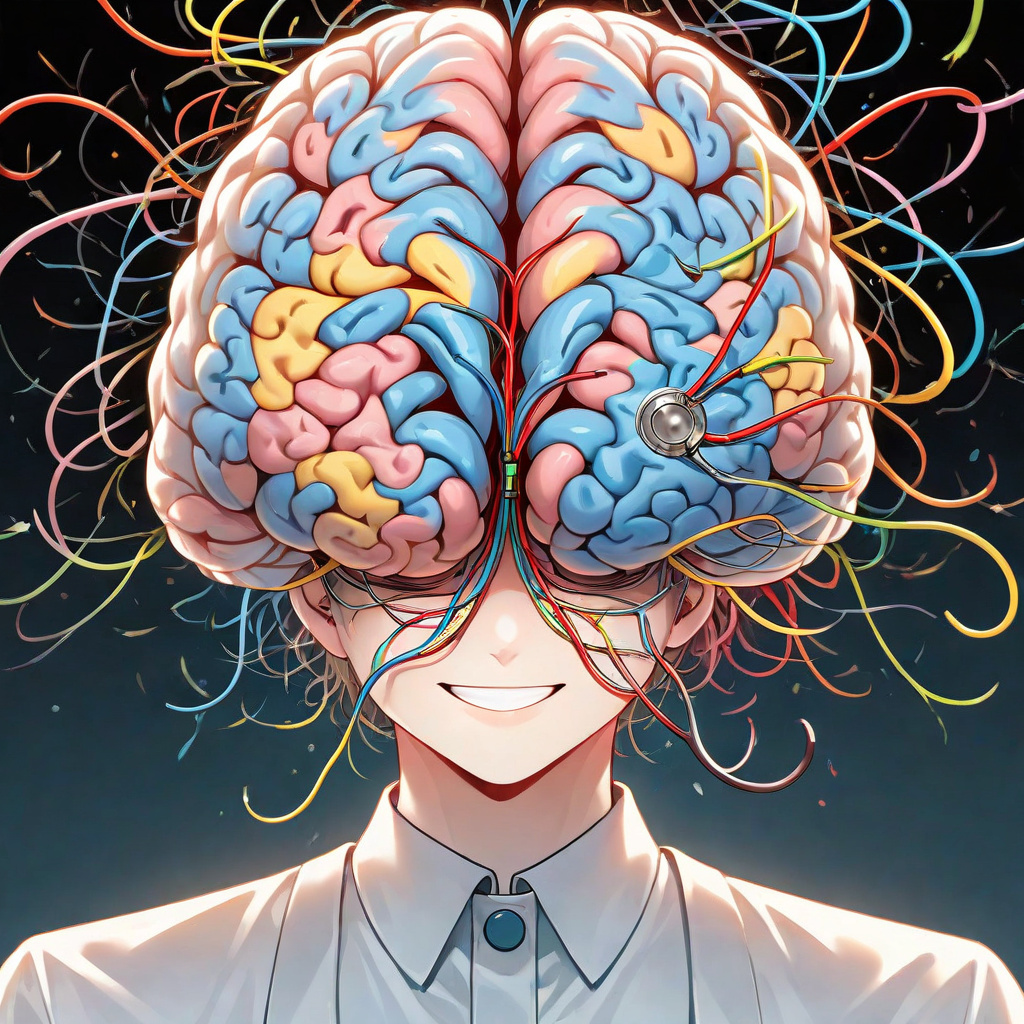
Imagine being able to adjust a dial inside your head and shift your baseline mood from anxious to calm, or from pessimistic to hopeful. For decades, scientists thought the adult brain was largely fixed after childhood. Today, neuroimaging studies show that intentional mental habits can reshape neural pathways throughout life. This process, called neuroplasticity, means happiness is not just a fleeting emotion but a skill you can train. Below, we explore the most robust findings from psychology and neuroscience, translate them into practical steps, and explain how to build lasting emotional resilience without chasing unrealistic positivity.
The Science of Neuroplasticity
Neuroplasticity refers to the brain’s ability to reorganize its structure, connections, and function based on experience. When neurons fire together repeatedly, the synapses between them strengthen through a process called long-term potentiation. Over time, these strengthened circuits become the default pathways your brain uses to interpret and respond to the world. Research from institutions like Harvard Medical School has demonstrated that eight weeks of mindfulness practice can increase gray matter density in areas associated with learning, memory, and emotional regulation, while reducing activity in the amygdala, the brain’s threat detection center.
This means that every time you choose gratitude over complaint, or breathe through stress instead of reacting, you are literally sculpting your neural architecture. The brain does not distinguish between real and imagined experiences at the neuronal level, which is why visualization and mental rehearsal can be powerful tools for change. However, plasticity works both ways. Chronic negativity, rumination, and chronic stress can reinforce circuits that make unhappiness feel automatic. The key is consistent, intentional practice that gradually tips the balance toward healthier patterns.
Gratitude Rewires Negativity Bias
Humans have an evolutionary tendency to focus on threats and problems, a survival mechanism that once kept our ancestors alert to danger. This negativity bias means we naturally remember criticism more than praise and dwell on what went wrong. Studies led by Dr. Robert Emmons at the University of California, Davis, found that participants who kept weekly gratitude journals reported significantly higher levels of optimism and well-being compared to control groups.
Gratitude practice works by activating the prefrontal cortex, the part of the brain responsible for executive decision-making and emotional regulation. When you deliberately notice things you appreciate, you strengthen neural circuits that support positive attention and reduce the dominance of the brain’s threat monitoring system. To make this practical, try writing down three specific things you are grateful for each evening, ideally including sensory details or personal connections. Even on difficult days, finding one small moment of appreciation can begin to shift your mental default over time.
Mindfulness Builds Emotional Regulation
Mindfulness involves paying deliberate, nonjudgmental attention to the present moment. Multiple randomized controlled trials have shown that mindfulness-based stress reduction programs reduce symptoms of anxiety and depression while improving emotional regulation. Neuroscientific studies reveal that regular mindfulness practice increases activity in the anterior cingulate cortex, a region involved in detecting conflicts between emotional impulses and rational responses.
When you observe your thoughts and feelings without immediately trying to change them, you create space between stimulus and reaction. This pause allows the rational parts of your brain to engage before automatic patterns take over. A simple way to start is with a daily five-minute body scan meditation. Sit or lie comfortably, close your eyes, and slowly bring awareness to each part of your body, noticing sensations without trying to fix anything. Over weeks, this practice builds the mental muscle needed to respond to stressors rather than being hijacked by them.
Social Connection Strengthens Reward Circuits
Strong social relationships are one of the most reliable predictors of long-term happiness and health. Neurologically, positive social interactions activate the brain’s reward system, releasing dopamine and oxytocin, often called the bonding hormone. Research from the Harvard Study of Adult Development, which followed participants for over 80 years, concluded that the quality of people’s relationships was the strongest factor predicting their happiness and longevity.
Building new social habits doesn’t require dramatic gestures. Start with micro-connections: make eye contact and smile at a neighbor, have a brief conversation with a cashier, or join a local group centered around a shared interest. These small acts of engagement stimulate neural pathways linked to trust and belonging. Volunteering is another powerful method, as it combines social interaction with a sense of purpose, both of which contribute to lasting well-being.
Acting Yourself Happy Eventually Becomes Real
The facial feedback hypothesis suggests that your expressions can influence your emotions. While early studies were debated, more recent research using rigorous methods has supported the idea that adopting open, positive postures can lead to measurable changes in mood and hormone levels. Amy Cuddy’s work on power poses, though controversial in some aspects, highlighted how body language affects confidence and stress hormones like cortisol.
You don’t need to force a fake smile, but you can experiment with small behavioral shifts. Stand tall, roll your shoulders back, and speak in a slightly warmer tone. These actions send signals to your brain that you are safe and capable, which can gradually reduce anxiety and increase feelings of control. The goal isn’t to suppress genuine emotions but to create conditions that make positive states more accessible.
Cognitive Reframing Changes Thought Patterns
Cognitive behavioral therapy, one of the most evidence-based approaches to mental health, is built on the principle that changing how you think changes how you feel and behave. When you challenge catastrophic thinking or reframe setbacks as learning opportunities, you strengthen prefrontal cortex activity and weaken automatic negative loops rooted in the limbic system.
Practice identifying your most common negative thought patterns. Do you catastrophize? Personalize? Assume the worst? Once you recognize these habits, ask yourself what evidence supports or contradicts them. For example, if you think, “I always mess up presentations,” counter it with specific instances where you succeeded, and consider what a compassionate friend would say. Over time, this practice builds new neural routes that default to more balanced interpretations.
Physical Movement Fuels Mental Growth
Exercise is a cornerstone of brain health. Aerobic activity increases the production of brain-derived neurotrophic factor, a protein that supports the growth of new neurons and synapses, particularly in the hippocampus, a region critical for memory and mood regulation. Studies consistently show that people who engage in regular physical activity have lower rates of depression and anxiety.
You don’t need to run marathons. Even moderate movement like brisk walking, dancing, or gardening can provide neurochemical benefits. Aim for at least 150 minutes of moderate-intensity exercise per week, broken into manageable chunks. The mental boost often comes not just from the activity itself but from the routine and sense of accomplishment it builds. Pairing movement with social interaction, such as joining a walking group, can amplify the positive effects.
Sleep Restores Emotional Balance
Quality sleep is essential for emotional regulation and memory consolidation. During deep sleep stages, the brain clears out metabolic waste products that accumulate during waking hours and strengthens important neural connections while pruning less useful ones. Sleep deprivation impairs the prefrontal cortex, making it harder to control emotional reactions and increasing reliance on the amygdala’s fear responses.
To support restorative sleep, maintain a consistent bedtime routine, limit screen exposure an hour before bed, and keep your bedroom cool and dark. Avoid caffeine late in the day and consider a brief wind-down ritual like reading or gentle stretching. If you struggle with racing thoughts at night, try writing down worries earlier in the evening so your mind has less to process when it’s time to rest.
Making It Stick: Building Sustainable Habits
Understanding the science is only the first step. Lasting change requires translating knowledge into daily practice. Start with one habit at a time, such as a morning gratitude reflection or a five-minute mindfulness session. Research on habit formation shows that consistency matters more than intensity, especially in the beginning.
Track your progress in a journal, noting not just whether you practiced but how you felt afterward. This reinforces the connection between effort and outcome, making it easier to stay motivated. Expect setbacks as part of the process rather than evidence of failure. Each time you return to your intended practice after a lapse, you strengthen the neural circuits of resilience and self-compassion.
Neurofeedback Enhances Self-Awareness
Modern neurofeedback technology allows individuals to monitor and train their brain activity in real-time. By using EEG sensors to track electrical patterns, people can learn to regulate states like focus, relaxation, and emotional balance. Studies show that neurofeedback can reduce symptoms of anxiety and ADHD while improving cognitive flexibility. For example, athletes and performers use it to enhance concentration during high-pressure situations, but it’s equally effective for everyday emotional management. At home, apps like Muse headbands provide guided sessions where users learn to quiet mental chatter or deepen relaxation through audible feedback, such as wave sounds that calm when the mind stabilizes.
To begin, start with short 10-minute sessions focused on a single goal, such as reducing mind-wandering during work. Over time, this practice strengthens the prefrontal cortex’s ability to modulate the amygdala, creating a neural buffer against stress. Pairing neurofeedback with mindfulness amplifies results, as both train the brain to observe rather than react. While initial sessions may feel frustrating, persistence rewires the brain’s default mode network, which governs self-referential thoughts linked to rumination.
Cold Exposure Builds Resilience
Controlled exposure to cold, such as ending a shower with 30 seconds of cold water or taking a brief winter swim, activates the mammalian dive reflex. This triggers a surge of norepinephrine, a neurotransmitter that enhances alertness, focus, and mood regulation. Research from the University of Amsterdam found that regular cold showers reduced self-reported symptoms of depression by up to 50% in participants over six weeks. The shock of cold water also stimulates brown fat, which releases anti-inflammatory cytokines, further supporting emotional stability.
For beginners, start with 10 seconds of cold exposure after a warm shower, gradually increasing duration. Pair this with deep breathing to counteract the initial stress response, teaching the body to stay calm under pressure. Over time, this builds tolerance to discomfort, a skill that translates to managing emotional turbulence. Cold therapy also improves circulation and sleep quality, creating a virtuous cycle for brain health.
Nutritional Psychiatry Optimizes Brain Chemistry
The gut-brain axis—a bidirectional communication system between the digestive tract and the central nervous system—profoundly influences mood. Gut microbes produce neurotransmitters like serotonin (90% of which is gut-derived) and GABA, which regulate anxiety and focus. Diets rich in fermented foods (kefir, kimchi), fiber, and omega-3s (wild salmon, walnuts) nourish beneficial bacteria, while processed sugars and trans fats fuel inflammation linked to depression. A 2017 study in Nature Microbiology found that individuals with higher levels of Lactobacillus and Bifidobacterium reported lower social anxiety.
To optimize brain chemistry, prioritize whole foods and consider a probiotic supplement if your diet lacks diversity. Avoid artificial sweeteners like aspartame, which disrupt gut flora. For immediate mood support, magnesium-rich foods (spinach, almonds) can calm the nervous system, while adaptogens like ashwagandha modulate cortisol. Hydration is equally critical—dehydration shrinks brain tissue, impairing cognitive function and emotional regulation.
Creative Expression Stimulates Neural Flexibility
Engaging in creative activities—painting, writing, music, or dance—activates the default mode network, the brain’s ‘imagination highway’ responsible for problem-solving and emotional processing. A 2014 study in Psychology of Aesthetics, Creativity, and the Arts found that 15 minutes of creative expression reduced cortisol levels and improved mood more effectively than passive relaxation. This works because creativity bypasses the brain’s habitual pathways, fostering novel connections between neurons.
You don’t need artistic talent—experiment with journaling prompts like, ‘What would my future self advise me today?’ or doodling abstract shapes while listening to instrumental music. Even digital tools like Canva or Procreate lower barriers to entry. The key is process over product; the act of creating itself rewires neural circuits associated with resilience and self-expression.
Forest Bathing Reduces Stress Hormones
Shinrin-yoku, or forest bathing, involves immersing oneself in nature through mindful observation of sights, sounds, and smells. Phytoncides—volatile compounds emitted by trees—reduce cortisol and adrenaline levels while boosting immune function. A 2010 study in Environmental Health Preventive Medicine found that 20 minutes in a forest lowered stress markers more effectively than an urban walk. The practice also increases parasympathetic nervous system activity, promoting rest-and-digest states.
To practice, leave phones behind and engage all senses: listen to birdsong, feel tree bark textures, inhale pine resin. Urban dwellers can simulate this by visiting parks with diverse plant life or using essential oil diffusers with eucalyptus or cedarwood. Even 10 minutes of ‘nature therapy’ before work can reset the brain’s stress response, making daily challenges feel more manageable.
Intermittent Fasting Supports Neurogenesis
Intermittent fasting (IF)—cycling between periods of eating and fasting—triggers autophagy, a cellular cleanup process that removes damaged neurons and stimulates the growth of new ones. Animal studies show IF increases brain-derived neurotrophic factor (BDNF), critical for learning and mood regulation. Human trials suggest IF improves insulin sensitivity and reduces inflammation, both linked to depression. Start with a 12-hour fast (e.g., 7 PM to 7 AM), gradually extending to 14–16 hours. Stay hydrated with water or herbal tea, and break the fast with protein-rich meals to stabilize blood sugar.
IF isn’t for everyone—pregnant individuals, those with eating disorders, or people on certain medications should consult a doctor. Pairing IF with strength training enhances BDNF production, as muscle contractions release myokines that cross the blood-brain barrier. Over time, this regimen sharpens focus and emotional clarity by optimizing metabolic and neural efficiency.
Laughter Yoga Rewires Social Brain Networks
Laughter yoga combines voluntary laughter exercises with yogic breathing to stimulate oxytocin and endorphin release. Unlike spontaneous laughter, this practice engages the prefrontal cortex to initiate humor, which then activates the brain’s social reward pathways. A 2015 study in Psychiatry Research found that 30 minutes of laughter yoga reduced symptoms of generalized anxiety disorder by 70% in participants. The communal aspect also strengthens mirror neuron systems, enhancing empathy and connection.
Join a local group or practice alone by laughing intentionally for 15 seconds, then taking deep breaths. Add playful scenarios—imagine a funny movie scene or recall a humorous memory. Even forced laughter triggers genuine physiological changes, making this a low-barrier tool for combating loneliness and boosting social confidence. Over time, the brain learns to associate laughter with safety, rewiring responses to social stressors.
Digital Detox Resets Cognitive Priorities
Constant screen exposure floods the brain with dopamine hits from notifications, fragmenting attention and overstimulating the limbic system. A 2019 study in Computers in Human Behavior found that just one week offline improved sleep quality, attention span, and emotional stability. The prefrontal cortex, responsible for decision-making, rebounds as it’s no longer competing with addictive algorithms for focus.
Start with phone-free hours: designate meals or the first hour after waking as tech-free zones. Use app blockers to limit social media to 30 minutes daily. Replace scrolling with analog activities—read physical books, sketch, or engage in face-to-face conversations. Even a weekend digital detox can recalibrate your brain’s reward system, making real-world interactions feel more rewarding.
Hyperbaric Oxygen Therapy Boosts Brain Repair
Breathing 100% oxygen in a pressurized chamber increases blood flow to the brain, promoting angiogenesis (new blood vessel growth) and reducing neuroinflammation. Research in Undersea and Hyperbaric Medicine shows HBOT improves symptoms of traumatic brain injury and PTSD by enhancing mitochondrial function. While clinical HBOT requires medical supervision, at-home oxygen concentrators can deliver mild hyperoxia during meditation or exercise.
For DIY use, combine HBOT with slow, diaphragmatic breathing to maximize oxygen uptake. Sessions of 20–40 minutes, 2–3 times weekly, may improve focus and mood, particularly for those recovering from concussions or chronic stress. Always consult a healthcare provider before starting, as improper use can cause oxygen toxicity.
Cold Showers vs. Saunas: Contrasting Stress Responses
While cold exposure activates the sympathetic nervous system (fight-or-flight), saunas engage the parasympathetic system (rest-and-digest). A Finnish study found that alternating between cold showers and saunas improved mood more than either alone, as the contrast trains the body to adapt to stressors. Heat exposure also increases heat shock proteins, which protect neurons from damage.
Alternate between 10 minutes in a sauna (150–170°F) and 30 seconds in a cold shower, repeating 2–3 times. This ‘contrast therapy’ builds resilience by teaching the brain to transition smoothly between arousal and relaxation states. For those unable to access saunas, infrared mats or hot baths with Epsom salts offer similar benefits, promoting muscle relaxation and cortisol reduction.
Neurogenesis Through Dance
Dance combines physical movement, rhythm, and social interaction, making it a triple threat for brain health. Learning choreography stimulates the hippocampus, the brain’s memory center, while rhythmic patterns synchronize neural oscillations linked to emotional regulation. A 2013 study in Frontiers in Human Neuroscience found that dancers had larger hippocampal volumes than non-dancers, correlating with lower depression rates.
Try line dancing, Zumba, or improvisational movement to music. Focus on coordinating steps with breath to enhance mind-body connection. Even solo dancing in your living room—moving freely to favorite songs—boosts BDNF and reduces cortisol. The social element of group classes further activates oxytocin pathways, making dance a holistic tool for rewiring happiness.
Biofeedback for Emotional Control
Biofeedback devices measure physiological signals like heart rate variability (HRV) and skin conductance, providing real-time data on stress levels. Learning to lower HRV through paced breathing or progressive muscle relaxation strengthens the vagus nerve, which regulates the body’s stress response. A 2020 review in Frontiers in Psychology highlighted biofeedback’s efficacy in reducing PTSD symptoms by 40% when combined with cognitive therapy.
Start with a wearable HRV monitor like Inner Coach, which guides users through breathing exercises to hit optimal zones (5–10 breaths per minute). Pair this with mindfulness to create a feedback loop between physical calm and mental clarity. Over weeks, the brain internalizes these patterns, enabling quicker recovery from emotional triggers.
Sleep Hygiene for Memory Consolidation
During REM sleep, the brain processes emotional experiences, integrating them into long-term memory while stripping away negativity. Disrupted sleep impairs this process, leaving unresolved stress. To enhance REM, avoid blue light before bed and incorporate ‘sleep stories’—narratives that evoke positive emotions. A 2017 study in Sleep found that participants who recalled pleasant memories before sleep had 30% more REM cycles.
Create a ‘memory journal’ to log three joyful moments daily. Before bed, read a chapter from an inspiring book or visualize a cherished experience. This primes the brain to prioritize positive consolidation, reducing the grip of negative thoughts. Consistency here builds a neural reservoir of optimism.
Social Media Algorithms and Dopamine Traps
Endless scrolling exploits the brain’s reward system, creating a dopamine-driven feedback loop that undermines intrinsic motivation. A 2021 Journal of Behavioral Addictions study found that heavy social media users had altered dopamine receptor density, similar to patterns seen in substance addiction. The constant pursuit of likes and validation primes the brain to seek external validation over internal satisfaction.
Audit your usage: delete apps that trigger compulsive checking, replace scrolling with podcast listening, or set a daily ‘digital sunset’ hour. Curate feeds to prioritize educational or uplifting content. Over time, reducing these stimuli allows the brain’s natural reward systems—like accomplishment or genuine connection—to regain prominence.
Art Therapy for Trauma Processing
Creating art engages both hemispheres of the brain, facilitating the integration of traumatic memories. Bilateral stimulation—moving the eyes or hands across the body’s midline—mimics EMDR therapy, helping the brain reprocess distressing events. A 2018 study in Journal of the American Art Therapy Association found that art therapy reduced PTSD symptoms by 50% in veterans.
Try guided drawing: close your eyes, then sketch shapes representing emotions. Use non-dominant hand to bypass habitual thought patterns. Display finished pieces in your home to reinforce emotional processing. This practice rewires the brain’s narrative around adversity, transforming trauma into a source of creative strength.
Neuroplasticity Myths Debunked
Contrary to popular belief, neuroplasticity isn’t a ‘magic bullet’—it requires deliberate, sustained effort. The brain prioritizes efficiency, so new habits must be practiced consistently for 3–6 months to become default pathways. Myths like ‘positive thinking alone cures depression’ ignore the need for holistic approaches. Similarly, while neurofeedback and HBOT show promise, they’re most effective when combined with lifestyle changes.
Understand that plasticity works bidirectionally: a single negative event won’t undo months of progress, but chronic stress can erode gains. Balance is key—pair rigorous self-improvement with self-compassion. If a practice feels unsustainable, adjust it rather than abandon it. The goal is lifelong neural flexibility, not perfection.
Frequently Asked Questions
Can happiness really be trained like a muscle?
Yes, research supports the idea that intentional practices such as gratitude, mindfulness, and cognitive reframing strengthen specific neural pathways over time. While individual results vary and no method guarantees constant euphoria, consistent training can raise your baseline level of well-being and improve your ability to recover from setbacks.
How long does it typically take to see changes?
Studies suggest that some benefits, like reduced stress reactivity, can emerge within a few weeks of regular practice. More profound shifts in mood and resilience often take several months of consistent effort. The brain’s plasticity means improvements can continue throughout life, but patience and persistence are important.
Is it possible to rewire the brain without medication?
For many people, lifestyle and behavioral interventions alone can produce meaningful improvements in mood and emotional regulation. However, severe depression or anxiety may require professional support, including therapy or medication. Always consult a qualified healthcare provider before making significant changes to your treatment plan.
What are the most effective daily practices?
Combining gratitude reflection, brief mindfulness sessions, regular physical activity, and quality sleep tends to produce the strongest cumulative effects. The most effective practice is one you can sustain consistently, so choose methods that fit naturally into your routine and preferences.
Does this approach work for everyone?
While neuroplasticity is a universal human capacity, individual differences in genetics, environment, and current mental health status affect outcomes. Some people benefit greatly from self-directed practices, while others need additional support. Personalized guidance from a therapist or coach can help tailor strategies to your unique situation.
Related posts:
 The Mental Health Benefits of Journaling That Science Confirms
 The Best Cold Brew Coffee Makers for a Refreshing Drink
 The Gut-Brain Highway: How Your Stomach Controls Your Mood
 Sitting Too Much Might Lead to Memory Loss
 How One Wellness Expert Starts Every Single Day
 33 Self-Regulation Tools and Strategies
 Brain-Boosting Foods
 Just 10 Minutes of Weekly Exercise Boosts Happiness