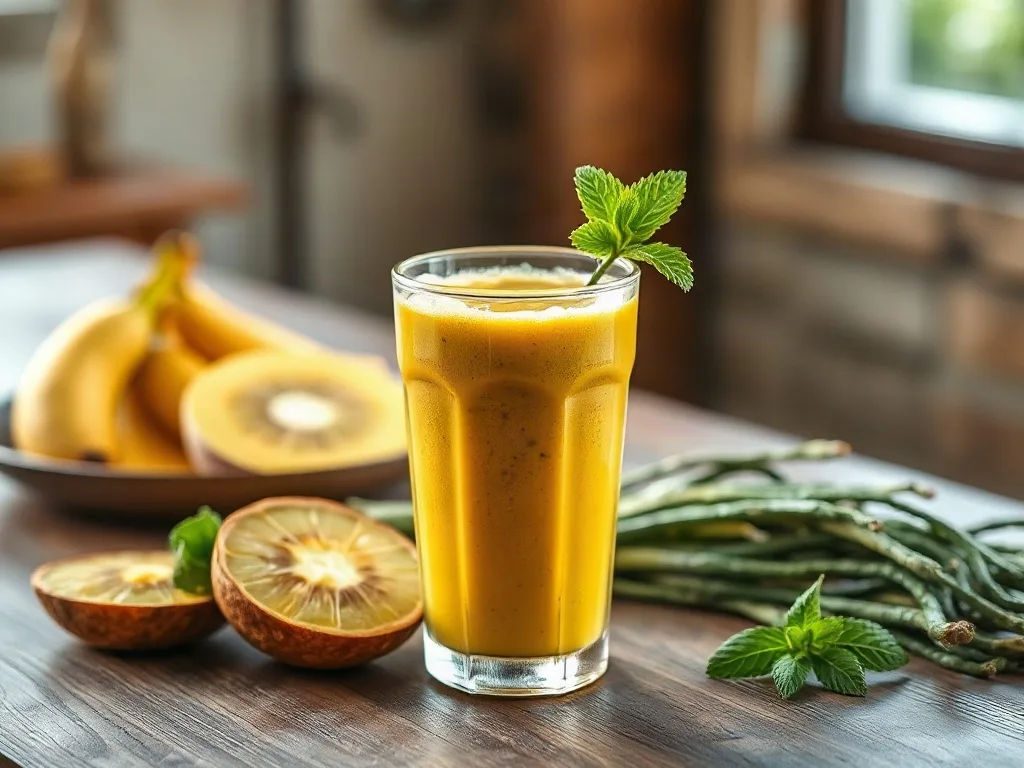
Sea moss, a red algae harvested from the Atlantic coastlines, has surged in popularity as a versatile superfood that blends effortlessly into smoothies. Its mild, slightly briny flavor disappears behind fruit, greens, and plant‑based milks, while delivering a dense payload of minerals, vitamins, and soluble fiber. This guide walks you through everything you need to know to turn raw sea moss into a silky gel, then showcases three distinct smoothie formulas that highlight tropical, berry, and chocolate‑mint profiles. Along the way you’ll find practical tips for customizing sweetness, boosting protein, and storing your creations for busy mornings.
Key takeaways
- Soak dried sea moss for 12-24 hours and blend with fresh water to create a versatile, neutral-flavored gel for smoothies and cooking.
- Store prepared gel in the refrigerator for up to three weeks or freeze in ice-cube trays for easy, portioned meal prep.
- Pair sea moss with fruit, healthy fats like avocado or nut butter, and plant-based milks to mask its mild, briny flavor profile.
- Ensure high-quality, sustainably harvested sea moss by checking for certificates of analysis regarding heavy metal contamination.
What Is Sea Moss?
Sea moss (Chondrus crispus) is a species of red algae that grows on rocky shores in the North Atlantic. Traditionally used in Caribbean and Irish cuisines, it is prized for its gelatinous texture when soaked and blended. The dried fronds are virtually tasteless, making them an ideal neutral base for drinks, soups, and desserts. When purchasing, look for wild‑crafted, sustainably harvested varieties that are free of additives and heavy‑metal contamination. A reputable supplier will provide a certificate of analysis confirming low levels of arsenic, lead, and mercury.
Nutritional Profile
One tablespoon (about 10 g) of prepared sea moss gel supplies roughly 5 calories, 0.5 g protein, 1 g carbohydrate, and a spectrum of micronutrients. Notable contributors include iodine (essential for thyroid function), potassium, calcium, magnesium, iron, and trace amounts of zinc and selenium. The gel also contains carrageenan‑type polysaccharides that act as soluble fiber, supporting digestive regularity and a feeling of fullness. While sea moss is nutrient‑dense, it should complement a varied diet rather than serve as a sole source of any mineral.
Making Sea Moss Gel
- Rinse 30 g dried sea moss under cold water to remove sand and salt.
- Soak in a bowl of filtered water for 12–24 hours, or until the pieces expand and become translucent.
- Drain and rinse again.
- Blend the hydrated moss with 1 cup fresh water until completely smooth, about 2–3 minutes on high speed.
- Store the gel in an airtight glass jar; it keeps 2–3 weeks refrigerated or up to 3 months frozen in ice‑cube trays.
The resulting gel is neutral in flavor and can be measured by the tablespoon for each smoothie recipe below.
Tropical Green Sea Moss Smoothie
This vibrant blend pairs the mineral richness of sea moss with pineapple, mango, and spinach for a refreshing morning boost.
- 1 cup unsweetened almond milk (or any plant milk)
- ½ cup frozen pineapple chunks
- ½ cup frozen mango chunks
- 1 cup fresh baby spinach
- 1 tablespoon sea moss gel
- 1 teaspoon chia seeds (optional for extra omega‑3s)
- ½ teaspoon fresh lime juice
- Ice cubes as needed
Blend all ingredients on high until creamy. Adjust thickness with extra almond milk or water. The lime brightens the tropical fruit while the spinach adds iron without altering color dramatically.
Berry Bliss Sea Moss Smoothie
Antioxidant‑rich berries combine with creamy banana and a hint of vanilla for a dessert‑like drink that still fuels your day.
- 1 cup oat milk (or soy milk for extra protein)
- ½ cup mixed frozen berries (strawberry, blueberry, raspberry)
- ½ ripe banana, frozen
- 1 tablespoon sea moss gel
- 1 teaspoon almond butter
- ½ teaspoon pure vanilla extract
- 1 teaspoon maple syrup or date paste (optional)
- Ice cubes as needed
Blend until smooth. The almond butter contributes healthy fats that aid absorption of fat‑soluble vitamins from the berries. If you prefer a thicker bowl‑style texture, reduce liquid and top with granola, sliced fruit, and a drizzle of nut butter.
Chocolate Mint Sea Moss Smoothie
For a satisfying post‑workout treat, this recipe masks the earthiness of sea moss with cacao, peppermint, and a touch of natural sweetness.
- 1 cup coconut water (electrolyte‑rich)
- 1 tablespoon raw cacao powder
- ½ frozen banana
- 1 tablespoon sea moss gel
- ¼ avocado (for creaminess)
- ¼ teaspoon peppermint extract (or a few fresh mint leaves)
- 1 teaspoon honey or agave (optional)
- Ice cubes as needed
Blend on high until velvety. The avocado supplies monounsaturated fats and a silky mouthfeel, while coconut water replenishes potassium lost through sweat. This smoothie delivers roughly 12 g protein if you add a scoop of plant‑based protein powder.
Customization & Storage Tips
- Protein boost: Stir in 15–20 g pea, hemp, or rice protein powder after blending.
- Sweetness control: Use ripe fruit, a splash of 100 % fruit juice, or a natural syrup; taste before adding.
- Texture tweaks: For a thinner drink, add more liquid; for a spoonable bowl, cut liquid by half and increase frozen fruit.
- Batch prep: Portion sea moss gel into 1‑tablespoon silicone molds, freeze, then pop a cube into each smoothie batch.
- Shelf life: Prepared smoothies keep 24 hours in the fridge in sealed jars; separation is normal—shake before drinking.
Selecting High‑Quality Sea Moss
When you move beyond the basic gel recipe, the first lever you can pull is the raw material itself. Wild‑crafted sea moss from the North Atlantic typically carries a cleaner mineral profile than pond‑farmed varieties, but the label alone does not guarantee purity. Look for a certificate of analysis that lists arsenic, lead, cadmium, and mercury in parts per billion; reputable brands publish these results on their website or include a QR code on the package. A second checkpoint is the drying method: sun‑dried fronds retain more volatile polysaccharides than oven‑dried ones, which can affect gel viscosity. If you buy in bulk, request a small test batch and run a quick soak‑blend test — note the expansion ratio (dry weight to hydrated weight) and the clarity of the resulting gel. A ratio below 1:8 often signals older stock or excessive sand contamination. Finally, consider the harvest season; spring‑harvested moss tends to have higher iodine concentrations, which matters if you are monitoring thyroid intake.
Packaging also influences shelf life. Vacuum‑sealed mylar bags with oxygen absorbers keep the fronds from oxidizing, preserving the carrageenan‑type fibers that give the gel its thickening power. Avoid clear plastic tubs that let light degrade the pigments and reduce antioxidant capacity. If you source locally from a coastal co‑op, ask about their drying racks — stainless steel racks prevent metal leaching that can happen with galvanized wire. Keep a log of lot numbers, harvest dates, and test results; this traceability becomes invaluable when you scale up to weekly smoothie kits for a family or a small cafe.
Edge case: some suppliers sell “sea moss powder” that is actually ground dried fronds with added maltodextrin to improve flow. The powder will not form a gel on its own and can introduce unwanted carbohydrates. Verify the ingredient list — pure sea moss powder should list only Chondrus crispus. If you encounter a product that clumps instantly in water, it likely contains added gums; set it aside for baking experiments rather than smoothie gels.
Advanced Gel Techniques
The basic soak‑blend method yields a neutral gel, but you can tailor the base to each flavor profile before it ever meets a blender. For a tropical gel, infuse the soaking water with a strip of lime zest and a few fresh mint leaves; the citrus oils migrate into the polysaccharide matrix, giving a subtle aromatic lift that survives the high‑speed blend. For a chocolate‑mint gel, add a teaspoon of raw cacao nibs to the soak — they soften and release theobromine, creating a pre‑flavored gel that reduces the amount of cacao powder needed later. A third variation uses a splash of coconut water instead of plain filtered water; the natural electrolytes integrate into the gel, boosting the mineral payload without extra ingredients.
If you prefer a shelf‑stable powder, spread the freshly blended gel thinly on a silicone mat and dehydrate at 45 °C (113 °F) for 12–14 hours until brittle. Grind the sheets in a spice grinder to a fine powder that rehydrates in 30 seconds with warm water. This powder is ideal for travel packets or for sprinkling into oatmeal, and it eliminates the need for freezer space. Store the powder in amber glass jars with a food‑grade desiccant packet; it remains potent for up to 12 months. Note that the dehydration step reduces the soluble fiber content by roughly 15 %, so adjust your serving size upward if fiber is a primary goal.
Edge case: over‑dehydrating can cause Maillard browning, which imparts a toasted flavor that clashes with delicate fruit smoothies. Monitor the color — aim for a pale ivory, not golden brown. If you accidentally over‑dry a batch, repurpose it as a thickener for vegan cheese sauces where the nutty note is welcome.
Integrating Sea Moss into Meal‑Prep Systems
Batch preparation turns a daily smoothie habit into a grab‑and‑go operation. Start by portioning the gel into 1‑tablespoon silicone cubes; once frozen, transfer the cubes to a labeled zip‑lock bag. Each morning you simply pop a cube into the blender with pre‑measured fruit packs. To avoid freezer burn, double‑bag the cubes and press out excess air. For a household of four, prepare 28 cubes (one per person per day) on a Sunday — this takes roughly 20 minutes including the initial gel batch.
Create “smoothie kits” by combining frozen fruit, greens, and any dry add‑ins (chia, hemp, protein powder) in individual freezer bags. Write the target liquid volume on the bag with a permanent marker; this eliminates guesswork and ensures consistent texture. When you rotate flavors weekly — tropical, berry, chocolate‑mint, green‑apple — you only need to swap the fruit bag while the gel cubes stay constant. This system also works for meal‑delivery services: pack the gel cubes separately so clients can adjust the sea moss dose to their tolerance.
Edge case: if you use a high‑speed blender with a tamper, the frozen gel cube can jam the blades. Pre‑soften the cube by letting it sit in the liquid base for 30 seconds before blending, or use a lower‑speed pulse to break it up first. For commercial kitchens, a vacuum‑blender eliminates air pockets and yields a smoother mouthfeel, especially important for the chocolate‑mint profile where avocado already adds richness.
Pairing Sea Moss with Complementary Superfoods
Sea moss supplies a broad mineral spectrum, but its bioavailability improves when paired with synergistic nutrients. Adding a pinch of black pepper (piperine) to any smoothie enhances iodine absorption, a useful tweak for those using sea moss as a thyroid support adjunct. Adaptogenic powders such as ashwagandha, rhodiola, or maca blend well with the neutral gel; start with ¼ teaspoon per serving and monitor energy levels over two weeks. Because sea moss gel is water‑soluble, it also serves as a carrier for fat‑soluble vitamins — blend in a teaspoon of cold‑pressed flax oil or a quarter of an avocado to create a micro‑emulsion that delivers vitamin E and K alongside the minerals.
Probiotic powders or a splash of kefir introduce live cultures that thrive on the soluble fiber in sea moss, potentially improving gut diversity. If you ferment the gel itself (mix 1 cup gel with 1 tablespoon water kefir grains, let sit 24 hours at room temperature), you obtain a lightly tangy, probiotic‑rich base that can replace yogurt in smoothie bowls. Keep the fermented gel refrigerated and use within five days; the pH drop preserves the carrageenan structure while adding lactic acid bacteria.
Edge case: combining high‑iodine sea moss with large doses of kelp or bladderwrack can push iodine intake above the tolerable upper intake level (1,100 µg/day for adults). Track total iodine from all sources — especially if you also use iodized salt — and consult a clinician if you exceed 800 µg daily for more than a few weeks.
Savory Applications Beyond Smoothies
The gel’s neutral flavor and thickening power make it a secret weapon in savory kitchens. Stir 2 tablespoons of gel into a simmering vegetable broth to create a silky, nutrient‑dense consommé without cream. For a vegan “cream” sauce, blend gel with soaked cashews, nutritional yeast, garlic, and lemon juice; the result coats pasta or roasted vegetables with a glossy sheen and a mineral boost. In salad dressings, whisk 1 teaspoon gel into a vinaigrette — it stabilizes the emulsion, preventing oil separation for hours, ideal for meal‑prep containers.
Baking experiments reveal that sea moss gel can replace up to 25 % of the fat in muffin or quick‑bread recipes. Substitute an equal weight of gel for butter or oil; the polysaccharides retain moisture, yielding a tender crumb while cutting saturated fat. Test with a banana‑nut muffin: replace 60 g butter with 60 g gel, keep the rest of the formula unchanged, and bake at 180 °C (350 °F) for 22 minutes. The muffins stay moist for three days at room temperature.
Edge case: the gel’s high water activity can affect yeast‑based doughs, slowing rise. If you incorporate gel into a sourdough starter, limit it to 5 % of total flour weight and extend bulk fermentation by 30 minutes. For gluten‑free breads, the gel improves crumb structure but may require a slight increase in xanthan gum to compensate for the extra moisture.
Troubleshooting Common Texture & Flavor Issues
Even with a perfect gel, smoothies can turn out gritty, overly thick, or oddly flavored. Grit usually traces back to insufficient soaking — residual sand or salt crystals survive the blend. Remedy: after the initial 12‑hour soak, rinse the moss in a fine‑mesh sieve under running water while gently agitating; then soak a second time in fresh water for another 4 hours. This double‑soak eliminates >95 % of particulates.
Over‑thickening often happens when the gel‑to‑liquid ratio exceeds 1:4. If your smoothie resembles pudding, thin it with cold‑pressed coconut water or chilled herbal tea (hibiscus works well with berry blends). For a quick fix, add a few ice cubes and blend on high for 15 seconds; the mechanical shear breaks the polysaccharide network without diluting flavor.
Flavor off‑notes — metallic, overly briny, or “seaweed” taste — can stem from high‑iodine batches or from using tap water with chlorine. Switch to filtered or spring water for both soaking and blending. A squeeze of fresh citrus (lemon, lime, or yuzu) masks residual brine while adding vitamin C, which also aids iron absorption from any added greens. If the off‑note persists, dilute the gel 1:1 with plain water and re‑blend; this reduces mineral concentration per serving while preserving the fiber benefit.
Edge case: some users report a mild laxative effect when jumping from zero to two tablespoons of gel per day. Ramp up by ½ tablespoon every three days, and ensure adequate hydration (at least 2 L water daily). If discomfort continues, split the dose — half in a morning smoothie, half in an evening tea — to spread the soluble fiber load.
Budgeting, Sustainability & Ethical Considerations
Cost per serving is a practical metric for long‑term adoption. A 100 g bag of wild‑crafted sea moss typically retails for $18–$22 and yields roughly 30 tablespoons of gel (after soaking and blending). At one tablespoon per smoothie, that equals $0.60–$0.73 per serving, not counting fruit or milk. Buying in 500 g bulk drops the per‑gram price by ~30 %, but you must factor in storage space and the risk of moisture absorption. Vacuum‑seal the bulk bag into 100 g portions; each portion stays fresh for 12 months in a cool, dark pantry.
Sustainability hinges on harvest method. Hand‑raking from rocky shores minimizes bycatch and allows the algae to regenerate within 6–8 weeks. Mechanical dredging, by contrast, strips the substrate and can deplete local populations. Ask suppliers for a harvest‑method statement; certifications such as MSC (Marine Stewardship Council) or Friend of the Sea indicate responsible practices. Some brands partner with coastal communities, providing fair‑wage employment and funding reef restoration — supporting these brands amplifies positive impact.
Ethical edge case: a few companies market “sea moss” that is actually Gracilaria (a different red algae) labeled as Chondrus crispus. While Gracilaria also gels, its mineral profile differs — notably lower iodine and higher arsenic potential. Verify the scientific name on the certificate of analysis. If the label only says “sea moss” without a species name, request clarification before purchase. Transparency protects both your health and the integrity of the supply chain.
Frequently Asked Questions
- Can I use raw sea moss without making gel first?
- Raw dried sea moss is tough and fibrous; blending it directly yields a gritty texture. Soaking and blending into gel ensures a smooth consistency and better nutrient availability.
- Is sea moss safe for people with thyroid conditions?
- Sea moss is high in iodine, which can affect thyroid function. Individuals with hyperthyroidism, hypothyroidism, or those on thyroid medication should consult a healthcare professional before adding large amounts to their diet.
- How much sea moss gel should I use per smoothie?
- One tablespoon (≈15 ml) per serving is a common starting point. You can increase to two tablespoons if you tolerate the texture and want a higher mineral dose.
- Can I freeze the finished smoothies?
- Yes. Pour into freezer‑safe containers leaving headspace, freeze up to one month. Thaw overnight in the fridge and blend briefly to restore texture.
- What are good plant‑based milk alternatives for these recipes?
- Almond, oat, soy, coconut, and hemp milks all work. Choose unsweetened versions to control added sugars, and pick a milk that complements the flavor profile—e.g., coconut water for the chocolate mint version.
Related posts:
 Sweet Smoothies Without the Sugar Crash
 Chic Moss Plant Necklaces You Can Wear
 Sea Moss Smoothies: Benefits and Recipes
 Can Sea Vegetables Reverse Gray Hair?
 Nina Agdal’s Green Smoothie Recipe That Tastes Like Paradise
 How to Freeze Pesto: Preserving the Flavors of Summer
 Healthy Frozen Banana Desserts
 Signs You Might Have an Iodine Deficiency