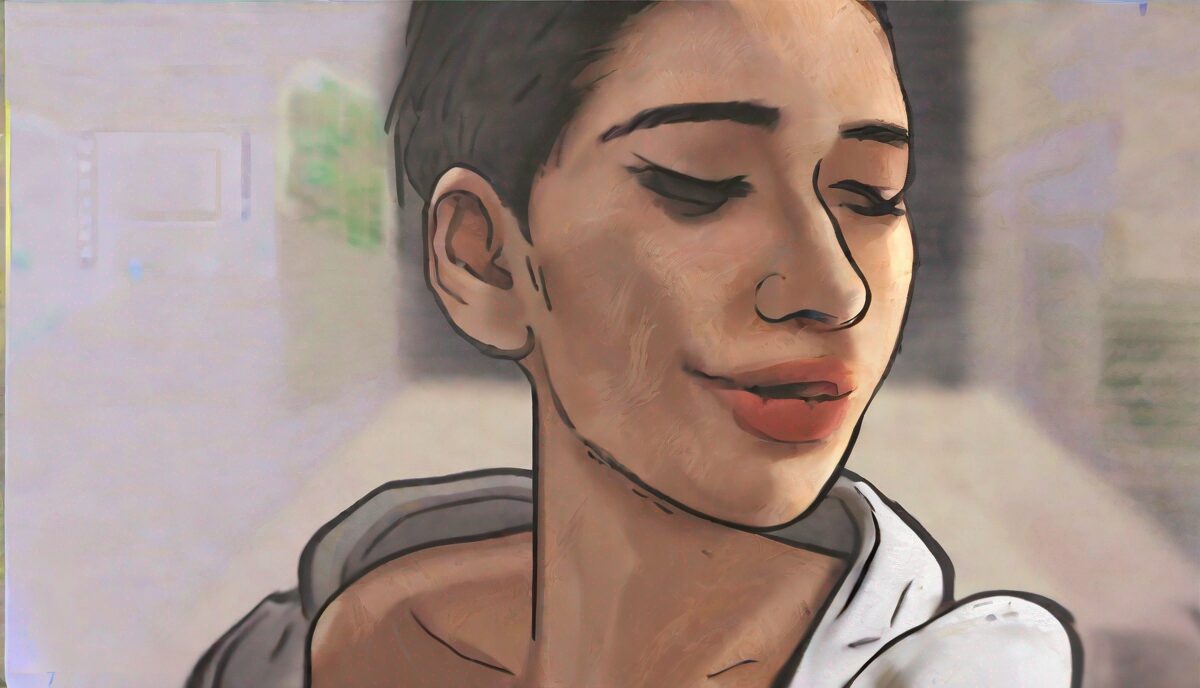
Self abandonment is the feeling of losing connection with yourself and your inner self worth. It can make you feel empty, unseen and unimportant.
Signs of Self Abandonment
Common signs of self abandonment include:
- Feeling like your emotions and needs aren’t important
- Saying yes to things you don’t want to do
- Not feeling cared for or nurtured
- Lack of self care and self compassion
Causes of Self Abandonment
Some potential causes include:
- Childhood emotional neglect or trauma
- Critical self-talk that reinforces lack of self worth
- High achievement culture that values productivity over self care
Healing Self Abandonment
Healing self abandonment involves:
- Noticing self abandoning behaviors without judgement
- Reminding yourself that you matter and deserve compassion
- Setting kind boundaries and saying no when needed
- Making time for self nurturing activities
- Seeking supportive relationships
- Working with a counselor if trauma is involved
Living Compassionately
With greater self awareness and compassion, we can shift out of patterns of self abandonment. When we nurture our inner self, we reconnect to our worth and can live fuller, more purposeful lives.
The Physiological Markers of Self Abandonment
Self abandonment is not merely a psychological state; it is often etched into our physical nervous system. When we consistently ignore our internal cues—such as hunger, fatigue, or the need for emotional safety—we train our bodies to remain in a state of hyper-vigilance or freeze. Over time, this manifests as a chronic disconnection from interoception, the ability to sense internal bodily signals. Individuals who abandon themselves often report a persistent feeling of “numbness” or an inability to identify their own physical sensations until they reach a point of burnout or physical illness. To reverse this, one must practice “somatic resourcing.” This involves pausing throughout the day to perform a body scan: asking yourself, “Is my jaw clenched? Is my breath shallow? Am I holding tension in my shoulders?” By acknowledging these physical signals without trying to fix them immediately, you validate your body’s experience, signaling to your nervous system that your internal reality is worthy of attention.
Navigating the “People-Pleasing” Feedback Loop
A primary mechanism of self abandonment is the reliance on external validation to define one’s worth. This creates a feedback loop where the individual becomes an expert in scanning the environment for the needs of others, while simultaneously becoming illiterate regarding their own. This is often a survival strategy learned in early development, where one’s safety depended on anticipating the moods of caregivers. In adulthood, this manifests as the “chameleon effect,” where you shift your opinions, interests, and boundaries to match those of the person you are interacting with. Breaking this cycle requires a radical shift in perspective: recognizing that by people-pleasing, you are actually withholding your authentic self from the relationship. True intimacy requires the presence of two distinct individuals; when you abandon your preferences to maintain harmony, you are essentially erasing the person the other individual is trying to connect with. Practice “micro-dosing” authenticity by stating a small, low-stakes preference—such as choosing a restaurant or a movie—even when you are initially inclined to defer to others.
The Role of Digital Distraction in Self-Erasure
In the modern era, self abandonment is often facilitated by constant digital connectivity. When we feel the discomfort of being alone with our thoughts or the sting of an unmet need, we reach for our devices. This is a form of “digital self-abandonment” where we prioritize the curated lives of others or the infinite scroll of content over the work of sitting with our own emotional experience. This habit prevents the necessary processing of grief, loneliness, or boredom—emotions that often hold the key to understanding where we have abandoned ourselves. To counter this, cultivate “intentional boredom.” Dedicate fifteen minutes daily to being entirely offline, without music, podcasts, or external stimuli. During these moments, observe what thoughts arise. When the urge to check your phone emerges, treat it as a signal that you are experiencing an internal feeling you are trying to avoid. By staying present through that discomfort, you reclaim your internal space.
Reclaiming Agency Through Intellectual Boundaries
Self abandonment frequently occurs in the intellectual sphere, where we silence our own critical thinking to align with the dominant narrative of a group, a partner, or a workplace. We might agree with an idea we fundamentally disagree with, or suppress a question because it might make us look “difficult.” This intellectual self-censorship is a form of betrayal. Reclaiming your voice begins with the recognition that your curiosity and dissent are valuable assets. Start by practicing “intellectual integrity” in small conversations. If a friend makes a claim you find factually incorrect or morally misaligned, instead of defaulting to a polite nod, offer a curious question: “That’s an interesting perspective; I see it differently because of X. How did you arrive at your conclusion?” This allows you to stand in your truth without necessarily inciting conflict, reinforcing the fact that your perspective is a valid contribution to any dialogue.
The Shadow of Productivity and Self-Worth
We are often conditioned to believe that our value is tied to our output, leading to a state where we abandon our need for rest in favor of the “hustle.” This is a form of self abandonment where the “doing” self consumes the “being” self. To combat this, one must decouple self-worth from productivity. This requires a rigorous audit of your schedule. Identify tasks that you perform solely to prove your worth to others or to avoid the anxiety of being “unproductive.” Replace these with “non-performative rest”—activities that serve no secondary purpose other than to satisfy your own joy or restoration. Reading a book, sitting in a park, or simply staring at the ceiling are not wasted hours; they are vital acts of self-reclamation. When you stop equating your existence with your performance, you create the psychological room necessary to listen to your authentic desires rather than your perceived obligations.
Developing a “Self-Advocacy” Internal Dialogue
When we practice self abandonment, we often act as our own harshest critics, reinforcing the idea that our needs are secondary. To reverse this, we must transition from self-criticism to self-advocacy. Imagine your inner self as a child or a close friend who has been consistently ignored. How would you defend them? When you find yourself in a situation where your boundaries are being tested, use that protective instinct. Frame your boundaries not as a way to push others away, but as a way to keep your commitments to yourself. Instead of feeling guilty for saying “no,” remind yourself: “By saying no to this request, I am saying yes to my capacity to function well tomorrow.” This shifts the narrative from one of selfishness to one of stewardship. You are the sole guardian of your energy, and advocating for it is a non-negotiable responsibility of adulthood.
FAQ
What are some self nurturing activities?
Gentle self nurturing activities include yoga, meditation, keeping a gratitude journal, spending time in nature, taking relaxing baths, listening to music or getting a massage.
How do I practice self compassion?
Self compassion involves speaking to yourself with the same kindness you would a good friend. Notice self critical thoughts without judgment and replace them with encouragement.
Why do I abandon myself?
Reasons for self abandonment vary, but often stem from childhood emotional neglect, trauma, or a culture overfocused on achievement. Exploring your experiences with a counselor can provide insight.
Is self abandonment a mental illness?
No, self abandonment itself is not considered a mental illness. But it may accompany conditions like depression or anxiety.
How long does it take to recover from self abandonment?
It takes patience and commitment to transform habits of self abandonment. With consistent practice of self care and compassion, most people notice gradual improvements over weeks and months. Full recovery depends on your unique situation.
Related posts:
 The Art of Saying No More Often for Better Mental Health
 PHA Bodyweight Workout: Efficient Fitness Anywhere, Anytime
 The Power in Healthy Boundaries – Darlene Lancer
 Setting Healthy Friend Boundaries
 Creating Healthy Boundaries
 Love’s Anxiety Trap: When Your Relationship Becomes Your Biggest Trigger
 Intellectual Humility Guide
 Overcoming the Fear of Abandonment