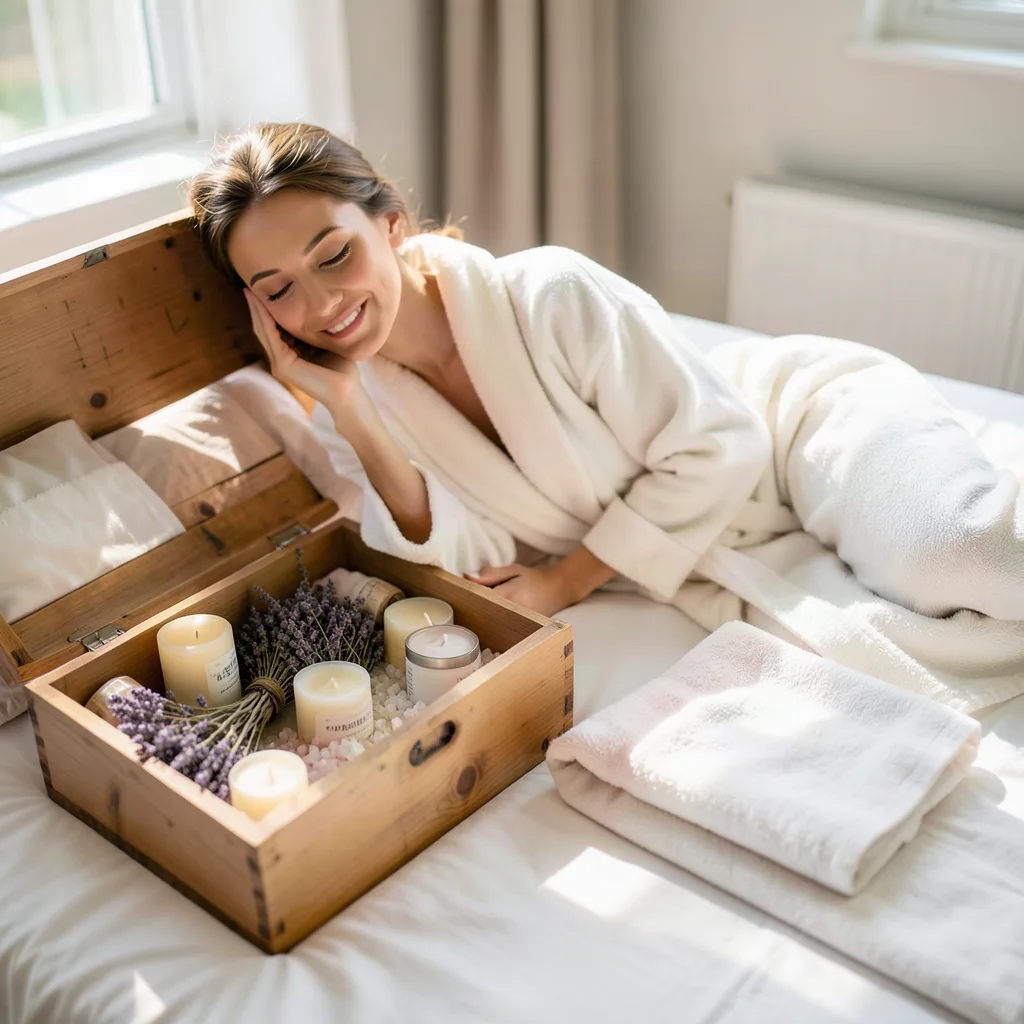
Finding a gift that feels like a personal retreat can be a challenge, especially when the recipient craves the calm of a spa without leaving home. A thoughtfully assembled spa‑in‑a‑box solves that problem by bundling scent, texture, and ritual into a single package that arrives ready to unwind.
Key takeaways
- Focus on three sensory pillars: scent, touch, and a step-by-step ritual card to create an immersive experience.
- Tailor the box to the recipient by considering their skin type, scent allergies, and preferred relaxation style.
- Incorporate seasonal elements like cooling mists for summer or warming balms for winter to keep the kit timely.
- Include digital enhancements like QR-coded guided meditations to elevate the box from a collection of items to a wellness journey.
Why a Spa‑in‑a‑Box Makes Sense
Modern schedules leave little room for a full‑day spa visit. A curated box delivers the essential sensory cues—aroma, warmth, gentle pressure—in a format that fits a lunch break or an evening wind‑down. Research shows that even short, intentional self‑care moments can lower cortisol and improve mood, making a compact kit a practical wellness tool rather than a novelty.
Core Elements of a True Spa Experience
A genuine spa feeling rests on three pillars: scent, touch, and ritual. Essential oils or botanical fragrances set the emotional tone. Textural elements such as a plush robe, a soft exfoliating mitt, or a smooth stone massage tool engage the skin. A simple step‑by‑step guide turns the items into a repeatable ceremony, reinforcing the habit of pausing for care.
Curating the Perfect Box – Step‑by‑Step
- Define the goal – relaxation, rejuvenation, or targeted skin care.
- Select a signature scent – lavender for calm, citrus for energy, rose for romance.
- Choose a tactile anchor – a heated eye mask, a jade roller, or a microfiber towel.
- Add a consumable – bath salts, a single‑use face mask, or a herbal tea sachet.
- Include a printed ritual card with timed steps and breathing cues.
- Package in a reusable box or fabric pouch that doubles as storage.
Top Ingredient‑Focused Boxes
Several brands have mastered the ingredient‑first approach. A lavender‑centric set might pair a lavender‑infused body oil, a dried‑flower sachet, and a guided meditation audio link. A citrus‑bright box could combine a vitamin‑C serum, a grapefruit‑scented bath bomb, and a dry‑brush for lymphatic stimulation. A rose‑themed collection often features a rose‑water toner, a silk eye pillow, and a rose‑petal bath soak. Matching the ingredient story to the recipient’s preferences raises the perceived value far above the price tag.
Budget‑Friendly vs. Luxury Options
Affordable kits can still hit the three pillars. A $30 box might contain a travel‑size essential‑oil roll‑on, a cotton muslin cloth, and a printable PDF ritual. Mid‑range $70‑$120 boxes upgrade to full‑size products, a weighted eye mask, and a QR‑code video tutorial. Luxury editions above $200 add artisan‑crafted ceramics, bespoke fragrance blends, and a hand‑written note from the formulator. The key is transparency: list every component and its purpose so the buyer knows exactly what they are paying for.
Personalizing for Recipient Preferences
Ask a few quick questions before purchase: skin type, scent allergies, favorite relaxation activity, and whether they prefer heat or cool sensations. Use the answers to swap a heavy cream for a lightweight gel, or a hot stone for a chilled jade roller. Adding a monogrammed tag or a custom playlist link turns a generic kit into a memorable, personal gesture.
Presentation and Unboxing Touches
The unboxing moment extends the spa feeling. Layer tissue paper in a calming hue, place a sealed envelope with the ritual card on top, and tuck a small dried‑flower petal onto the lid. A reusable magnetic closure box encourages the recipient to keep the container for future self‑care sessions, reinforcing the gift’s longevity.
Sustainable and Ethical Choices
Look for brands that disclose ingredient sourcing, use recyclable or compostable packaging, and support fair‑trade farms. Refillable glass bottles, biodegradable bath‑bomb wrappers, and carbon‑neutral shipping reduce environmental impact. When the box itself is made from post‑consumer recycled cardboard, the gift aligns with the recipient’s values and the broader wellness ethos.
Seasonal and Occasion‑Specific Spa Boxes
Tailoring a spa‑in‑a‑box to the calendar turns a thoughtful gift into a timely ritual. In winter a box might center on warmth: a cinnamon‑spiced bath soak, a heated neck wrap, and a rich shea‑butter body balm that combats dry indoor air. Summer calls for cooling elements such as a cucumber‑mint facial mist, a lightweight aloe gel, and a chilled jade roller stored in a small insulated pouch. Holiday editions can weave in festive aromas like pine‑needle essential oil, a gold‑shimmer bath bomb, and a reusable ornament that doubles as a sachet holder. For a new parent the focus shifts to quick recovery: a fragrance‑free nipple balm, a soft muslin cloth for gentle cleansing, and a five‑minute guided breathing audio that fits between feedings. Corporate wellness kits benefit from neutral scents, a compact desk‑size foot soak, and a printed micro‑break schedule that encourages a two‑minute stretch every hour. Edge cases include recipients living in humid climates where heavy butters feel oppressive; swapping a butter for a water‑based lotion solves the problem. Likewise, a birthday box for a fragrance‑sensitive friend should omit essential oils entirely and rely on texture and temperature for the sensory experience.
When assembling a seasonal box, start by mapping the dominant weather or emotional tone of the period. Choose one anchor scent that evokes that tone, then select two tactile items that reinforce it — heat for winter, cool for summer. Add a consumable that can be used within a single session, such as a single‑use mask or a tea sachet. Finally, include a ritual card that references the season, for example a prompt to notice the sound of rain while soaking in a winter bath. This structure keeps the box cohesive while allowing easy swaps for allergies or climate differences.
Integrating Technology: Apps, Smart Devices, and Guided Audio
Modern spa boxes can extend beyond physical products by embedding digital companions that guide the user through each step. A QR code printed on the ritual card can launch a short meditation track hosted on a privacy‑first platform, eliminating the need for a separate app download. For a more immersive experience, pair the box with a Bluetooth‑enabled essential‑oil diffuser that syncs to a smartphone app, allowing the recipient to program scent intensity and timing to match the ritual phases. Wearable temperature patches, thin enough to slip under a eye mask, can be pre‑programmed to deliver a gentle warming cycle that mimics a professional hot‑stone treatment. Voice‑assistant integration adds hands‑free control: a simple command can start a guided body‑scan while the user’s hands are occupied with a massage tool. Edge cases arise when recipients prefer a screen‑free wind‑down; in those cases provide an offline audio file on a tiny USB drive or a printed script so the ritual remains accessible without connectivity. Battery life is another consideration — include a spare coin cell for any electronic component and note the expected runtime on the ritual card. Data privacy can be addressed by choosing platforms that do not require account creation and by stating clearly that no personal data is collected.
To implement technology without overwhelming the gift, limit digital elements to one or two per box. Test each QR link and device pairing before shipping, and include a tiny troubleshooting tip sheet. A simple line such as “If the diffuser does not connect, hold the power button for five seconds to reset” prevents frustration. When the digital layer works seamlessly, it elevates the box from a static collection to a repeatable, guided wellness session.
Accessibility and Inclusive Design for Diverse Needs
An inclusive spa box anticipates a range of physical, sensory, and cognitive preferences. For users with limited hand dexterity, choose pump‑style bottles over twist caps and include a lightweight silicone brush with an ergonomic handle. Visual‑impairment friendly packaging can feature high‑contrast tactile markers — raised dots on the ritual card indicate step order, and a textured band around the box lid signals the opening direction. Fragrance‑free or hypoallergenic formulations are essential for those with scent sensitivities; clearly label each product with a “no added fragrance” badge. Neurodivergent recipients may benefit from a predictable, low‑stimulus ritual: a single‑color palette, minimal auditory cues, and a step‑by‑step card that uses concise language and optional checkboxes. Gender‑neutral branding avoids assumptions; opt for minimalist typography and a color scheme based on the chosen scent rather than traditional pink or blue. Language inclusivity can be addressed by providing the ritual card in two languages or by using universal icons for actions like breathe, apply, rinse. Edge cases include recipients who use assistive devices such as screen readers; ensure any digital companion follows WCAG guidelines, with alt text for images and proper heading hierarchy. Testing the box with a small focus group representing different abilities before launch catches overlooked barriers and refines the experience for everyone.
When sourcing components, request accessibility certifications from suppliers where available. Document the design decisions in a short insert so the recipient knows the thought behind each choice. This transparency not only builds trust but also educates the giver on inclusive gifting practices.
Building a Subscription or Replenishment Model
A single spa box can become the entry point for an ongoing relationship through a subscription service that delivers fresh consumables and seasonal upgrades. Structure the plan around a quarterly cadence: each shipment refreshes the consumable — bath salts, face masks, tea — while rotating the tactile anchor to keep the ritual novel. Offer a customization portal where subscribers adjust scent preferences, skin‑type needs, and delivery frequency. Pricing tiers can reflect product size: a basic tier supplies travel‑size refills, a premium tier includes full‑size upgrades and a new guided audio track each cycle. To reduce churn, embed a loyalty perk such as a complimentary artisan‑crafted tool after four consecutive boxes. Logistics require reliable inventory forecasting; maintain a safety stock of core items like the signature essential oil to avoid gaps. Edge cases involve shipping delays during peak holidays — communicate expected dates early and provide a digital ritual card that can be used immediately while the physical box travels. Product discontinuation is another risk; maintain a vetted backup supplier for each critical component so the experience remains consistent. Clear cancellation terms and a pause‑option respect subscriber autonomy and reduce negative feedback.
Marketing the subscription as a “wellness rhythm” rather than a product delivery reframes the value proposition. Include a brief calendar in the first box showing upcoming themes — spring renewal, summer glow, autumn grounding, winter comfort — so the recipient anticipates each arrival. This narrative thread turns a transactional purchase into a year‑long self‑care journey.
Cultural Spa Traditions and Global Inspiration
Drawing on worldwide bathing customs enriches a spa box with storytelling depth and authentic ingredients. A Japanese onsen‑inspired set might feature a hinoki wood soaking tub sachet, a yuzu‑citrus body oil, and a short audio guide explaining the ritual of gradual immersion. Korean jjimjilbang influence can introduce a mugwort‑infused steam towel, a rice‑bran exfoliating powder, and a lightweight cotton robe reminiscent of communal resting areas. Moroccan hammam tradition contributes a black‑soap paste, a kessa glove for vigorous scrubbing, and a rose‑water toner for post‑steam hydration. Ayurvedic practice suggests a tri‑dosha balancing kit: a warming sesame oil for vata, a cooling coconut‑mint mist for pitta, and a stimulating ginger‑turmeric scrub for kapha, each labeled with the dosha it supports. Scandinavian sauna culture adds a birch‑leaf whisk, a pine‑scented sauna spray, and a linen wrap for the cooling plunge. When incorporating these elements, credit the culture of origin on the ritual card and avoid superficial appropriation by sourcing ingredients from fair‑trade cooperatives linked to the tradition. Edge cases include recipients unfamiliar with the cultural context; provide a concise history snippet so the experience feels respectful rather than exoticized. Also consider dietary or religious restrictions — some traditions use animal‑derived products like honey or milk; offer plant‑based alternatives and note them clearly.
To keep the box cohesive, select one cultural theme per edition rather than mixing multiple traditions. This focus allows deeper ingredient storytelling and a more immersive ritual. Seasonal alignment works well: a winter box could highlight the Scandinavian sauna, while a spring box celebrates Japanese cherry‑blossom bathing customs.
Practical Maintenance, Storage, and Longevity of Tools
The lasting value of a spa box depends on how well the recipient can care for its reusable components. Jade rollers and gua sha stones benefit from a quick rinse with mild soap after each use, followed by thorough drying on a clean cloth to prevent mineral buildup. Heated eye masks with removable covers should have the cover washed on a gentle cycle; the heating element must never be submerged. Dry‑brush bristles last longer when tapped against a hard surface to dislodge dead skin, then stored bristle‑down in a ventilated holder to avoid moisture retention. Essential‑oil diffusers require weekly cleaning of the ultrasonic plate with a vinegar‑water solution to stop residue from clogging the mist output. Reusable glass jars for bath salts stay pristine when sealed with a silicone gasket and kept away from direct sunlight, which can degrade volatile aromatics. Battery‑operated devices such as vibrating massage wands need a periodic charge cycle — even if unused — to maintain battery health; a reminder note on the ritual card can prompt a quarterly charge. Edge cases involve mold growth in humid bathrooms; advise storing tools in a dry cabinet or adding a small silica‑gel packet to the storage box. For travelers, include a compact zip‑lock pouch that fits the roller, brush, and a travel‑size oil, ensuring the kit remains portable without sacrificing hygiene.
Frequently Asked Questions
- What makes a spa‑in‑a‑box different from a regular gift set?
- A spa‑in‑a‑box is designed around a complete sensory ritual—scent, touch, and guided steps—rather than a random assortment of products.
- Can I create a custom box on a tight budget?
- Yes. Start with a single high‑quality essential oil, a soft cloth, and a printable ritual card; the total cost can stay under $25.
- How do I know the ingredients are safe for sensitive skin?
- Choose boxes that list full INCI names, avoid known irritants like synthetic fragrance, and offer a patch‑test guide.
- Are there options for men who want a spa experience?
- Absolutely. Look for neutral or woodsy scents, a sturdy exfoliating brush, and a concise ritual card that skips floral language.
- What should I do with the packaging after the gift is opened?
- Reuse the box for storage, recycle cardboard, compost any biodegradable wrap, or donate the container to a local shelter.
Related posts:
 Transform Your Tuesday Night Bath Into a Spa-Level Experience
 The Slow Beauty Movement’s Secret Hydration Recipes
 The Perfect Galentine’s Gift That Fits in Your Wallet
 Tarot and Personal Honesty
 Justice Tarot Card Interpretation
 Zoe Kravitz’s Coconut Oil Hair Care Secret
 Chloë Grace Moretz’s Olive Oil Cleansing Method
 Foundation’s Impact on Skin