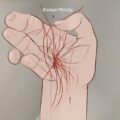

The idea of a massage often conjures images of blissful relaxation, soothing music, and gentle hands melting away tension. But for many, especially those new to bodywork or dealing with chronic pain, the question lingers: “Should a massage hurt?” It’s a common concern, and a perfectly valid one. No one wants to endure unnecessary pain, especially when seeking relief and well-being. The truth is, the answer isn’t a simple yes or no. It’s a nuanced conversation about therapeutic discomfort, communication, and the unique landscape of your own body.
At its heart, massage therapy is a journey towards healing, relaxation, and improved function. It’s about reconnecting with your body, releasing built-up stress, and finding a deeper sense of ease. While some techniques might involve moments of intensity, true healing should never be about enduring unbearable pain. Let’s explore this intricate balance together, empowering you to navigate your massage experience with confidence and compassion for yourself.
The Delicate Balance: “Good Pain” vs. “Bad Pain”
Understanding the difference between beneficial discomfort and harmful pain is perhaps the most crucial aspect of this discussion. Think of it like a deep stretch: you feel the stretch, it might be intense, but it feels like it’s doing good. That’s often what we refer to as “good pain” or therapeutic discomfort in massage.
- “Good Pain” (Therapeutic Discomfort): This is typically a dull ache, a feeling of pressure, or a sensation that feels like a knot is finally releasing. It’s often localized, tolerable, and you can usually breathe through it. You might even feel a sense of relief or release as the pressure is applied or after it’s removed. This type of sensation often indicates that your therapist is effectively addressing tight muscles, adhesions, or trigger points that need attention. It’s a sign that the body is working through tension and beginning to let go.
- “Bad Pain” (Harmful Pain): This is sharp, shooting, burning, numbing, electrical, or excruciating pain. It feels wrong, makes you tense up, and you instinctively want to pull away. This kind of pain is a red flag and should *never* be ignored or tolerated during a massage. It indicates that something might be irritated, inflamed, or potentially damaged, and continuing with that pressure could cause harm. Your body’s signals are there to protect you, and sharp pain is its way of saying “stop!”
The goal of any therapeutic massage is to work *with* your body, not against it. If a technique is causing “bad pain,” it’s counterproductive and can lead to muscle guarding, increased inflammation, or even injury.
Why Some Massages Might Feel Intense (and Why That’s Okay)
Certain massage modalities and specific areas of your body can naturally lead to more intense sensations. This isn’t necessarily a sign that something is wrong, but rather that the therapist is engaging with deeper layers of tissue or particularly stubborn areas of tension.
- Deep Tissue Massage: Designed to reach deeper layers of muscle and connective tissue, deep tissue massage often involves more sustained pressure. If you have chronic muscle tension, knots (myofascial trigger points), or scar tissue, working these areas can feel quite intense. The therapist is essentially trying to break down adhesions and encourage blood flow to facilitate healing.
- Trigger Point Therapy: This technique focuses on identifying and releasing highly irritable spots within muscle tissue that can refer pain to other areas. Applying pressure to a trigger point can be quite uncomfortable, often replicating the pain pattern you usually experience, but the release can be incredibly effective for pain relief.
- Muscle Knots and Adhesions: When muscles are chronically tight or injured, they can develop knots or adhesions (bands of painful, rigid tissue). Working on these areas to encourage them to soften and release can be intense but is often necessary for long-term relief and improved mobility.
In these situations, the intensity is usually purposeful and aimed at achieving a specific therapeutic outcome. The key is that this intensity should remain within the realm of “good pain” – tolerable, purposeful, and leading towards a sense of release, not further distress.
The Power of Your Voice: Communicating with Your Massage Therapist
Your massage therapist is a skilled professional, but they are not mind readers. You are the expert on your own body, and open, honest communication is the most powerful tool you have to ensure a safe, effective, and enjoyable massage experience.
Before the session begins, take the time to discuss:
- Your Goals: Are you seeking relaxation, pain relief, improved mobility, or something else?
- Areas of Concern: Point out specific areas of tension, pain, or injury.
- Pressure Preferences: Be clear about the level of pressure you prefer – light, medium, firm, or deep.
During the massage, remember that it’s always okay to speak up. Don’t wait until the discomfort becomes unbearable. Your therapist wants to know what you’re experiencing. Phrases like:
- “Could you ease up on the pressure a little, please?”
- “That’s a bit too intense for me right now.”
- “I’m feeling a sharp pain there, could we try something else?”
- “I like this pressure, it feels good!”
Are all perfectly acceptable and encouraged. A good massage therapist will appreciate your feedback and adjust their technique accordingly. They are there to help you, and that means respecting your comfort levels.
When to Speak Up (and What to Do)
Sometimes, despite good intentions, a massage might cross the line from therapeutic discomfort into harmful pain. It’s crucial to know when to advocate for yourself and what steps to take.
Immediately speak up if you experience:
- Sharp, stabbing, or shooting pain.
- Numbness or tingling in an area not previously discussed (especially in extremities).
- Burning sensations.
- Pain that makes you hold your breath or tense your muscles involuntarily.
- Any pain that feels like a nerve is being pinched.
- Pain that increases significantly despite the therapist easing up on pressure.
If you communicate your discomfort and the therapist doesn’t adjust, or if you feel unheard, it’s perfectly within your rights to ask them to stop the session. Your well-being is paramount. It’s also wise to choose a licensed and reputable massage therapist who understands anatomy and physiology and prioritizes client comfort and safety.
The Beautiful Benefits of a Truly Therapeutic Massage
When a massage is performed with the right intention, appropriate pressure, and clear communication, the benefits are profound and far-reaching. It should be an experience that nurtures your body and mind, leaving you feeling refreshed, renewed, and deeply cared for.
A truly therapeutic massage can:
- Alleviate Chronic Pain: By releasing muscle tension, improving circulation, and reducing inflammation.
- Reduce Stress and Anxiety: Promoting a deep state of relaxation and calming the nervous system.
- Improve Flexibility and Range of Motion: Loosening tight muscles and connective tissues.
- Enhance Posture: Addressing muscle imbalances that contribute to poor alignment.
- Boost Mood and Energy: Releasing endorphins and fostering a sense of well-being.
- Aid in Injury Recovery: Supporting the body’s natural healing processes.
- Improve Sleep Quality: Relaxing the body and mind for a more restful night.
These benefits highlight that the true purpose of massage is not to inflict pain, but to facilitate healing and foster a greater sense of harmony within your body.
Frequently Asked Questions About Massage Pain
Q1: Is it normal for a deep tissue massage to hurt?
A1: It’s normal for a deep tissue massage to feel intense or create a sensation of “good pain” or therapeutic discomfort, especially when addressing chronic knots or adhesions. However, it should never be sharp, shooting, or unbearable pain. You should always be able to breathe through the sensation, and it should feel like a release, not an injury.
Q2: How much pain is too much during a massage?
A2: Too much pain is any pain that feels sharp, burning, shooting, numbing, or electrical. It’s also too much if it causes you to involuntarily tense up, hold your breath, or makes you feel like you want to pull away. This type of pain indicates that the pressure is too deep or hitting a sensitive spot that should be avoided or approached with extreme caution.
Q3: Can I ask my therapist to adjust pressure?
A3: Absolutely, and you should! It’s your right and your responsibility to communicate your comfort level. A professional massage therapist will welcome your feedback and adjust their technique and pressure to ensure your safety and maximize the therapeutic benefits of your session.
Q4: What if I feel bruised after a massage?
A4: Light bruising is rare but can sometimes occur, especially after very deep work on sensitive areas or if you are prone to bruising. However, significant or widespread bruising is not normal and could indicate that the pressure was too intense or inappropriate. If you experience significant bruising, or if it’s accompanied by severe pain or swelling, consult with your massage therapist and potentially a healthcare provider.
Q5: Should I feel sore the next day after a massage?
A5: It’s common and often normal to feel some post-massage soreness, similar to how your muscles might feel after a good workout. This is usually a dull ache or tenderness that typically resolves within 24-48 hours. This soreness is often a sign that your muscles have been worked and are releasing toxins and adapting. Staying hydrated and taking a warm bath can help alleviate this. However, if the soreness is severe, debilitating, or lasts for more than a couple of days, it might indicate that the pressure was too much for your body, and you should mention it to your therapist at your next session.
Embrace Your Massage Journey with Confidence
The journey of massage therapy is deeply personal and should always be a supportive, healing experience. While moments of therapeutic intensity are a natural part of releasing deep-seated tension, true healing never requires enduring unnecessary or harmful pain. By understanding the distinction between “good pain” and “bad pain,” and by embracing the power of your voice, you can ensure your massage sessions are not only effective but also deeply comforting and profoundly beneficial.
Remember, your body is a magnificent vessel, and it deserves to be treated with kindness, respect, and compassionate care. Approach your next massage with confidence, knowing you have the tools to advocate for your comfort and well-being, and allow yourself to fully embrace the transformative power of touch.