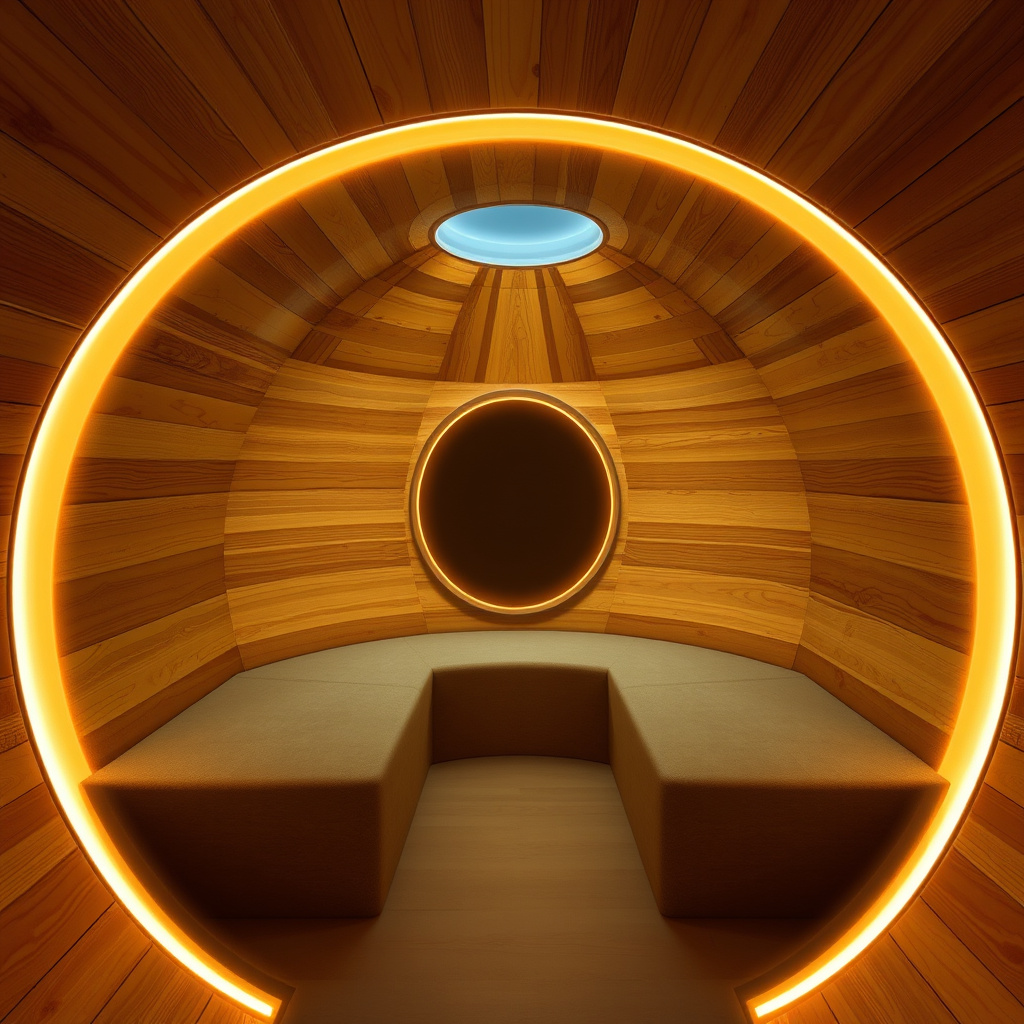
In an era defined by the relentless hum of notifications, the glare of digital screens, and the never-ending demands of a high-speed society, true silence has become a rare luxury. We are constantly bombarded by external stimuli, leaving our nervous systems in a state of perpetual high alert. It is no wonder that the modern wellness seeker is looking for something more profound than a standard massage or a weekend getaway. Enter the sensory deprivation tank—often referred to as a “silent chamber.” This unique environment, once a niche interest for experimental psychologists and fringe thinkers, has emerged as a powerhouse of stress management and mental rejuvenation. By stripping away every external distraction, these chambers offer a sanctuary where the mind can finally catch up with the body.
The Science of Restricted Environmental Stimulation Therapy (REST)
The concept of the silent chamber is rooted in a practice known as Restricted Environmental Stimulation Therapy, or REST. Developed in the 1950s by neurophysiologist Dr. John C. Lilly, the initial goal was to explore what happens to the human consciousness when it is completely isolated from external input. Contrary to the fears of the time—that the brain would simply shut down or enter a state of distress—researchers found that the brain actually enters a state of deep relaxation and heightened internal awareness.
When you enter a float tank, you are stepping into a light-proof, sound-proof environment filled with about ten inches of water. This water is saturated with over 1,000 pounds of Epsom salts (magnesium sulfate), creating a solution so dense that you float effortlessly on the surface. The water is heated to skin temperature, approximately 93.5 degrees Fahrenheit. Within minutes, the physical boundaries between your body and the water seem to vanish. This lack of sensory input allows the brain to transition from its usual high-frequency Beta waves, associated with active thinking and stress, to lower-frequency Alpha and Theta waves. Theta waves are typically only achieved during deep meditation or the moments just before falling asleep, and they are closely linked to creativity, healing, and profound relaxation.
Weightlessness and the Physical Relief of Epsom Salts
One of the most immediate benefits of the silent chamber is the sensation of weightlessness. In our daily lives, our bodies are constantly fighting gravity to maintain posture and movement. This creates a baseline level of tension in our muscles, joints, and spine. When you float, gravity is essentially removed from the equation. This allows the musculoskeletal system to decompress completely. For individuals suffering from chronic back pain, neck tension, or joint inflammation, the relief can be transformative.
The high concentration of Epsom salts adds a chemical layer to the physical benefits. Magnesium is a vital mineral that many people are deficient in, and it plays a crucial role in over 300 biochemical reactions in the body, including muscle and nerve function, blood glucose control, and blood pressure regulation. While the scientific community continues to debate the extent of transdermal magnesium absorption, many practitioners report that the soak leaves their skin soft and their muscles feeling significantly less fatigued. The combination of zero-gravity positioning and magnesium-rich water creates an ideal environment for physical recovery, making it a favorite tool for professional athletes and those with physically demanding jobs.
Mental Clarity: Navigating the Inner Landscape
While the physical benefits are undeniable, the primary draw for many is the mental escape. In the silence and darkness of the chamber, the “monkey mind”—that internal chatter that dwells on past regrets and future anxieties—initially becomes louder. However, without any new external information to process, the brain eventually begins to settle. This process is often described as a “system reboot.”
Research has shown that float therapy can significantly lower cortisol levels, the body’s primary stress hormone. By reducing the activity of the sympathetic nervous system (the “fight or flight” response) and activating the parasympathetic nervous system (the “rest and digest” response), the silent chamber helps the body return to a state of homeostasis. For those struggling with anxiety or burnout, this forced stillness provides a safe space to process emotions without the interruption of the outside world. Many users report that after a 60-to-90-minute session, they emerge with a sense of mental clarity and emotional resilience that lasts for days.
What to Expect During Your First Float Session
If you are considering trying a sensory deprivation tank, knowing the process can help ease any initial apprehension. Most modern float centers are designed to be spa-like and welcoming. Here is a typical step-by-step guide to your first experience:
- The Pre-Float Briefing: A staff member will explain how the tank works, how to position yourself, and where the light and intercom controls are located.
- The Shower: You will be required to take a thorough shower before entering the tank to remove body oils, perfumes, and hair products. This ensures the water remains pristine for every user.
- Ear Protection: Most centers provide silicone or foam earplugs. It is highly recommended to use them to keep the salt water out of your ear canals and to enhance the silence.
- Entering the Tank: You will step into the warm water and sit down. Most people float completely nude to avoid the sensation of fabric against the skin, which can be a distraction.
- The Settling Phase: Once you lie back, the buoyancy of the salt will take over. You might spend the first ten minutes fidgeting or wondering if you’re doing it “right.” This is perfectly normal.
- The Float: Soft music or a dim light usually fades out after a few minutes, leaving you in total darkness and silence. You simply breathe and exist.
- The Exit: At the end of the session, the music or lights will gently fade back in. You will step out, shower again to rinse off the salt, and head to a transition lounge.
Overcoming Common Fears: Claustrophobia and Hygiene
The two most common concerns for first-time floaters are claustrophobia and hygiene. It is important to remember that you are always in total control of the environment. Most modern tanks are much larger than they appear in photos; many are “float rooms” with high ceilings rather than small pods. You can choose to leave the door or lid open, and you can keep a small light on until you feel comfortable. The goal is relaxation, not endurance, so you should never feel trapped.
Regarding hygiene, float tanks are often cleaner than public swimming pools. The extremely high salt concentration is naturally inhospitable to most bacteria. Furthermore, float centers use sophisticated filtration systems that cycle the water multiple times between every client, often using UV light and ozone purification to ensure medical-grade cleanliness. Before booking, feel free to ask the center about their specific sanitation protocols to put your mind at ease.
The Creative Spark: Using Silence as a Tool
Beyond stress relief, the silent chamber is a powerful tool for enhancing creativity and problem-solving. When the brain is in the Theta state, it becomes more adept at making non-linear connections. Artists, writers, and musicians often use float therapy to break through creative blocks. By removing the “noise” of the world, the subconscious mind is free to play with ideas that are usually buried under the weight of daily chores and professional obligations.
Some practitioners use the time in the tank for “super-learning” or visualization. Athletes may mentally rehearse their performance, visualizing every movement in the weightless environment. Because the brain cannot distinguish between a vividly imagined experience and a real one while in such a deep state of relaxation, this practice can actually improve physical performance and confidence. Even if you aren’t an elite athlete, you can use this time to visualize a successful presentation at work or simply to envision a more peaceful version of your daily life.
Preparing Your Mind and Body for the Chamber
To get the most out of your session, a little preparation goes a long way. This isn’t about physical training, but rather about setting the stage for your nervous system to let go. Follow these actionable tips for a better experience:
- Avoid Caffeine: Do not consume caffeine for at least 4-6 hours before your float. You want your heart rate to be steady and your mind to be as calm as possible.
- Eat a Light Meal: Don’t go in hungry, as a growling stomach can be surprisingly loud in a silent tank. However, avoid a heavy meal that might make you feel bloated or uncomfortable.
- Don’t Shave: Avoid shaving your face or legs on the day of your float. The high salt concentration can cause a stinging sensation on freshly shaved skin or small cuts.
- Manage Expectations: Your first float is often about learning how to float. Don’t pressure yourself to have a profound spiritual awakening. Simply aim to relax and see what happens.
- Arrive Early: Give yourself 15 minutes to decompress in the lobby before your session starts. Rushing into the center from traffic will only make it harder to settle down once you’re in the water.
Post-Float Integration: Carrying the Calm Forward
The period immediately following a float is known as the “afterglow.” Many people feel a sense of heightened sensory awareness—colors seem brighter, sounds are crisper, and there is a general feeling of being “grounded.” To maximize the benefits of your session, try not to jump immediately back into a high-stress environment. If possible, avoid checking your phone for at least 30 minutes after you leave the tank.
Use the transition lounge provided by the center to sip some tea, journal about any thoughts or sensations you had during the float, or simply sit in silence. This integration period helps your brain bridge the gap between the deep Theta state and the active Beta state of the outside world. Many regular floaters find that the more they float, the easier it becomes to access that sense of calm during their regular workday, effectively training their nervous system to stay cool under pressure.
Is the Silent Chamber Right for You?
While the silent chamber is a powerful tool, it is not a magic cure-all. It is a practice, much like meditation or exercise. Some people find their first session challenging because they aren’t used to being alone with their thoughts. However, for those who persist, the rewards are significant. If you are someone who feels overwhelmed by the constant noise of life, if you struggle with chronic physical tension, or if you are simply looking for a deeper way to connect with yourself, the silent chamber offers a unique and scientifically-backed path to peace.
In a world that never stops talking, there is an incredible power in choosing to be still. The sensory deprivation tank doesn’t just promise to melt away stress; it provides the physical and mental space necessary for your body to heal itself. By stepping into the darkness, you might just find the light you’ve been looking for.
The Neurological Reset: Deactivating the Amygdala’s Alarm
While the existing article touches on the reduction of cortisol, the neurological impact of the silent chamber goes much deeper, specifically targeting the amygdala—the brain’s almond-shaped center for processing fear and emotional responses. In a world of constant digital pings, the amygdala is often stuck in a state of hyper-vigilance. Research utilizing fMRI scans on individuals during and after REST (Restricted Environmental Stimulation Therapy) has shown a significant decrease in activity within the amygdala, effectively “turning off” the alarm system that drives generalized anxiety disorder and panic symptoms.
This neurological reset is not merely a temporary pause; it facilitates a process known as neuroplasticity. When the brain is repeatedly exposed to the profound stillness of the tank, it begins to rewire its response to external stressors. By practicing the state of non-reaction in the chamber, you are essentially training your prefrontal cortex—the seat of logic and executive function—to maintain dominance over the impulsive, fear-driven amygdala. For high-stakes professionals, such as surgeons or emergency responders, this training can lead to improved composure during real-world crises. The tank acts as a laboratory for the brain, allowing it to explore a state of existence where threat is non-existent, which over time lowers the body’s baseline “anxiety set-point.”
Interoceptive Awareness: Developing a New Language with the Self
One of the most profound, yet rarely discussed, benefits of the silent chamber is the enhancement of interoception. Interoception is the sense of the internal state of the body, including the ability to feel your heartbeat, your breath, and even the subtle movements of your digestive system. In the outside world, these signals are usually drowned out by the “exteroceptive” noise of sight and sound. Once you are in the tank, the lack of external input forces your brain to turn its full attention inward.
For many, the first few minutes of a float are dominated by the rhythmic thumping of the heart—a sound that can initially feel startlingly loud. However, as you settle, this awareness allows for a deeper connection to the body’s needs. Studies have suggested that improved interoceptive awareness can be particularly beneficial for individuals recovering from eating disorders or those struggling with body dysmorphia, as it fosters a non-judgmental, purely sensory relationship with the physical self. You begin to perceive your body not as an object to be viewed or critiqued, but as a living, breathing system. This internal attunement can also act as an early warning system for physical illness or burnout, helping you identify tension or fatigue long before it manifests as a clinical symptom.
Strategic Timing: Aligning Your Float with Circadian Rhythms
The timing of your session in the silent chamber can drastically alter the results you achieve. To maximize the benefits, it is useful to consider your body’s natural circadian rhythms. For those struggling with insomnia or delayed sleep phase syndrome, an evening float—ideally between 6:00 PM and 9:00 PM—can be a game-changer. The drop in core body temperature that occurs when you exit the 93.5-degree water mimics the natural cooling the body undergoes before sleep, signaling the pineal gland to release melatonin. Many chronic insomniacs report that a late-evening float provides the first night of uninterrupted sleep they have experienced in years.
Conversely, a morning float can serve as a powerful tool for cognitive priming. Floating shortly after waking, when the brain is still transitioning out of a dream state, can extend the duration of Theta wave activity. This is often the most productive time for creative professionals to use the tank. Instead of a “system reboot” to clear stress, the morning float acts as a “blank canvas” session. By entering the tank before the day’s emails and obligations have cluttered the mind, you can set a specific intention or solve complex problems with a level of focus that is impossible to achieve later in the day. Experimenting with different times of day allows you to tailor the therapy to your specific lifestyle needs, whether that is recovery, performance, or deep rest.
The Engineering of Emptiness: Soundproofing and Thermal Neutrality
To appreciate why the silent chamber is so effective, one must understand the rigorous engineering required to create a truly “zero-input” environment. A standard room is never truly silent; it hums with the sound of HVAC systems, distant traffic, and electronic interference. High-end float tanks are built with advanced soundproofing materials, often including specialized acoustic foam and heavy-duty fiberglass shells that block out frequencies up to 80 decibels. This ensures that the only sound you hear is the sound of your own physiology, such as your heartbeat or the occasional blink of an eye.
Thermal neutrality is the other pillar of the chamber’s success. The water is maintained at exactly 93.5 degrees Fahrenheit, which is the average temperature of the human skin surface. This is a critical distinction from a hot tub or a cold plunge. If the water were hotter, your body would work to cool itself down; if it were colder, your muscles would contract to generate heat. At thermal neutrality, the thermoreceptors in your skin stop sending signals to the brain because there is no temperature gradient to report. This creates the sensation of “dissolving” into the water. For individuals with sensory processing disorders or autism, this specific engineering provides a rare reprieve from the sensory overload of the modern world, offering a controlled environment where the “volume” of the physical world is finally turned down to zero.
Therapeutic Applications for PTSD and Chronic Pain Management
Beyond general wellness, the silent chamber is increasingly being utilized as a clinical adjunct for treating Post-Traumatic Stress Disorder (PTSD) and complex chronic pain conditions like fibromyalgia. For trauma survivors, the world can feel like a minefield of triggers. The tank provides a “controlled vacuum” where the individual can experience total safety. Because there are no unexpected sounds or physical touches, the nervous system can finally drop its guard. Clinical trials have shown that regular float sessions can reduce the severity of flashbacks and night terrors by providing the brain with a consistent experience of safety that it can eventually generalize to the outside world.
In the realm of pain management, the benefits extend beyond the weightlessness mentioned previously. The high concentration of magnesium sulfate acts as a natural vasodilator, improving blood flow to damaged tissues and helping to flush out lactic acid. For those with fibromyalgia, where the central nervous system is often “wound up” and over-responsive to pain signals, the sensory deprivation aspect helps to down-regulate the central sensitization. By removing the constant barrage of stimuli, the brain’s pain-processing centers are given a break, which can lead to a significant reduction in the perceived intensity of chronic pain. It is not just about the salt; it is about giving the brain a holiday from the burden of processing pain signals.
Active vs. Passive Floating: Mental Exercises for the Deep Dark
While many people prefer to simply “let go” and see where their mind takes them (passive floating), there is a growing movement toward active floating—using the time in the chamber to perform specific mental exercises. One such technique is the “Body Scan,” a mindfulness practice where you mentally move your attention from your toes to the top of your head, looking for areas of residual tension. In the weightless environment of the tank, this practice becomes incredibly vivid; you may find that you were subconsciously holding tension in your jaw or pelvic floor that you never noticed on dry land.
Another advanced technique is “Mnemonic Anchoring.” Because the brain is in a highly suggestible Theta state, you can use the float to anchor a specific feeling of calm to a physical gesture, like touching your thumb and forefinger together. By repeatedly practicing this anchor while in the deepest state of relaxation in the tank, you can later use that same gesture during a stressful work meeting to trigger a micro-release of that same calm. For those looking to improve their cognitive performance, some practitioners use the silence for “Mental Rehearsal.” Whether it is a public speech, a sporting event, or a difficult conversation, visualizing the event in the tank allows you to play out different scenarios without the interference of anxiety, building a “memory of success” that your brain can tap into when the real event occurs.
The Biochemistry of the Soak: Beyond Surface-Level Relaxation
The Epsom salt solution used in silent chambers is far more than a buoyancy aid; it is a concentrated biochemical bath. While the primary benefit of the salt is to allow the body to float, the sheer volume of magnesium—roughly 1,000 to 1,200 pounds per tank—creates an osmotic pressure that can assist in systemic detoxification. Magnesium is a natural antagonist to calcium; in many people, an imbalance of too much calcium and too little magnesium leads to muscle cramping and arterial stiffness. The soak helps to balance this ratio, promoting better vascular health and muscle elasticity.
Furthermore, the sulfate component of Epsom salt plays a vital role in the formation of joint proteins and the strengthening of the digestive tract lining. It also stimulates the pancreas to generate digestive enzymes. While the skin is a selective barrier, the prolonged immersion in such a high-concentration solution allows for the absorption of trace minerals that are often missing from the modern diet. This is why many floaters report not just a feeling of relaxation, but a genuine surge in physical energy and skin health in the days following a session. It is a full-body infusion that works at the cellular level, supporting the body’s internal repair mechanisms while the mind is busy exploring the depths of the subconscious.
Frequently Asked Questions
1. Can I drown if I fall asleep in the tank?
It is virtually impossible to drown in a float tank. The water is only about 10 inches deep and is so saturated with salt that you float effortlessly on your back. If you were to somehow roll over in your sleep, the salt water in your eyes, nose, and mouth would immediately wake you up. Many people actually find that a “float nap” is one of the most refreshing types of rest they can get, with one hour of floating often feeling like several hours of traditional sleep.
2. What if I am claustrophobic?
Claustrophobia is a common concern, but most people find it is not an issue once they see the tank. You are in complete control of the door or lid; you can leave it wide open if you prefer. Many centers also offer large “float suites” which are the size of a small walk-in closet with high ceilings, eliminating the feeling of being enclosed. You can also keep the internal light on for the entire duration of your session if that makes you feel more comfortable.
3. Do I need to bring anything with me?
Most float centers provide everything you need: towels, earplugs, body wash, shampoo, and even hair dryers. Since you typically float without a swimsuit to maximize the sensory deprivation experience, you don’t even need to bring a bathing suit. If you wear contact lenses, you should bring a case and solution to remove them before your float, as the salt water can be very irritating if it gets behind a lens.
4. How often should I float to see results?
While a single float can provide immediate stress relief and muscle relaxation, the benefits are cumulative. Most regular practitioners recommend floating once a week or once every two weeks to maintain a consistent state of mental clarity and low stress. Many centers offer membership packages because the “skill” of floating—learning how to let go and settle the mind—improves with practice.
5. Is there anyone who should not use a sensory deprivation tank?
While float therapy is safe for most people, there are a few exceptions. You should not float if you have open wounds or skin ulcers (the salt will sting intensely), infectious diseases, or serious incontinence. Those with severe kidney disease should consult a doctor first, as the body may absorb magnesium from the salts. Additionally, if you have recently dyed your hair or received a spray tan, you should wait at least a week or until the water runs clear in the shower to avoid damaging the tank’s filtration system or staining the water.
Related posts:
 The Rise of the Tank Top—Why the Workout Tank Now Trumps the T-Shirt
 Tkees U-Shape Tank: The Perfect Summer Staple
 The Salt Spray Secret to Perfect Beach Hair Every Time
 Why Coffee and Magnesium Are the Power Couple Your Body Needs
 Los Angeles’ Best Salt Water Pools for Your Next Staycation
 The Hidden Magnesium Power of Avocados Will Blow Your Mind
 This Trendy Pasadena Studio Wants You to Relax and Just Float
 Magnesium Trend Report