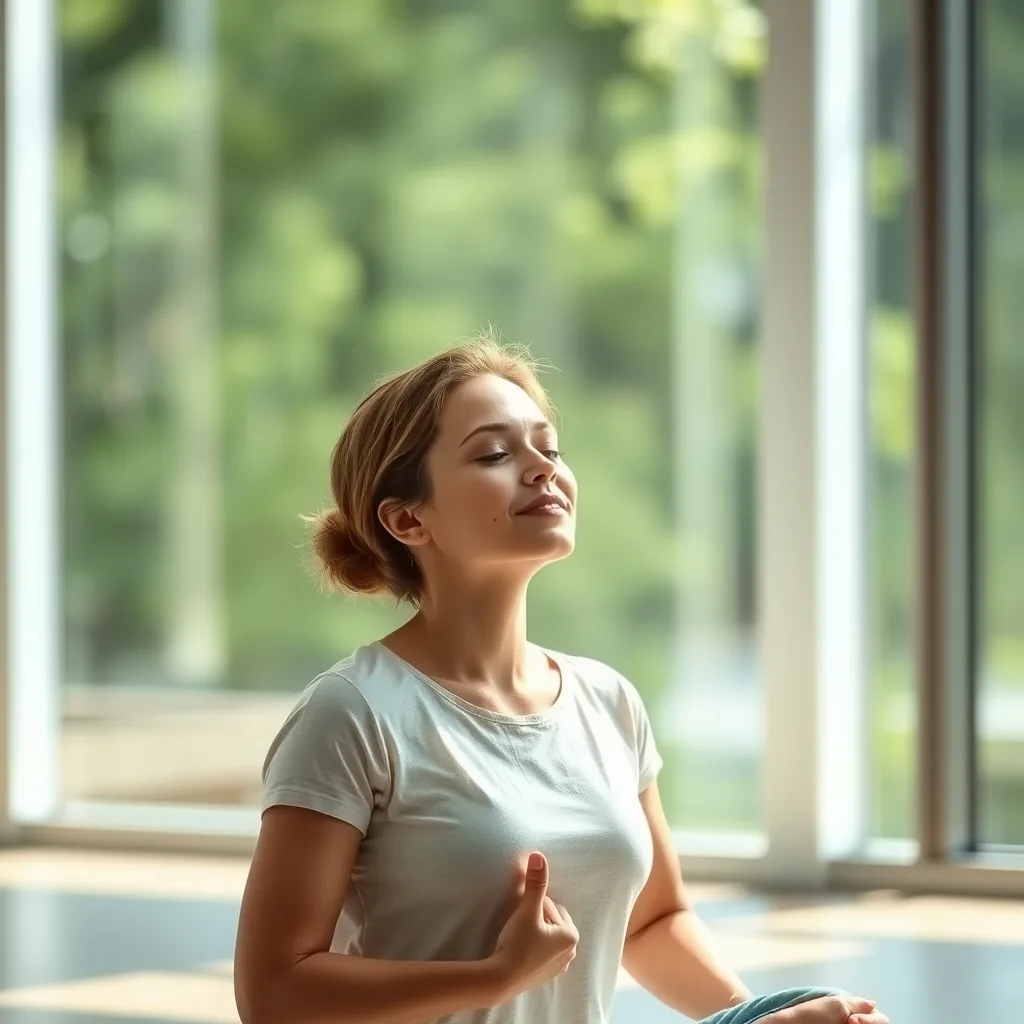
Breathing happens automatically, yet it is also one of the few body functions we can consciously influence. When stress or anxiety rises, breathing often becomes shallow and fast, which can keep the body in a tense state. Simple breathing exercises give you a practical way to interrupt that cycle without special equipment, appointments, or prior training. This article walks through several accessible techniques, explains how to practice them safely, and shows how to fit short sessions into everyday life. The aim is not to remove all stress, but to build a dependable tool for returning to a calmer state. Read each method, choose the ones that feel natural, and treat the practice as an experiment rather than a performance.
Why Breathing Affects Relaxation
Your breath is closely linked to the autonomic nervous system, which manages functions such as heart rate and digestion. Slow, deliberate breathing tends to activate the parasympathetic branch, associated with rest and recovery, while rapid, shallow breathing can reinforce the sympathetic branch, linked to alertness and tension. Because you can change your breathing pattern at any moment, it serves as a direct, always-available lever for influencing how your body feels. Research suggests that controlled breathing may reduce perceived stress and improve emotional regulation, though it is not a cure for any medical condition. Think of it as a skill that supports overall wellbeing, similar to stretching or staying hydrated.
Setting Up for Success
You do not need a dedicated meditation room, but a few small adjustments can make practice easier. Choose a quiet spot where you are unlikely to be interrupted for five to ten minutes. Sit in a chair with your feet flat on the floor, or lie on your back with a pillow under your knees if that feels more comfortable. Keep your spine neutral rather than rigidly straight. Wear loose clothing around the waist so your abdomen can move freely. Turn off notifications on your phone, or set a gentle timer so you are not watching the clock. If you practice at the same time each day, such as after waking or before bed, the habit becomes easier to remember.
Diaphragmatic Breathing (Belly Breathing)
Diaphragmatic breathing focuses on using the diaphragm, the dome-shaped muscle beneath the lungs, rather than relying mainly on the chest. Place one hand on your chest and the other on your belly. Inhale slowly through your nose, aiming to make the hand on your belly rise while the hand on your chest stays relatively still. Exhale gently through your mouth or nose, letting the belly fall. Start with a count of four for the inhale and six for the exhale, adjusting as needed. Practice for two to five minutes at first. If your mind wanders, gently bring your attention back to the sensation of your hands moving with your breath. This technique is often taught as a foundational skill because it is simple and can be done almost anywhere.
Box Breathing (Four-Square Breathing)
Box breathing uses four equal phases: inhale, hold, exhale, hold. Sit comfortably and begin by exhaling fully. Inhale through your nose for a count of four. Hold the breath for a count of four. Exhale slowly through your mouth for a count of four. Hold again for a count of four before starting the next inhale. Repeat for four to six cycles. If holding the breath feels uncomfortable, skip the holds and use equal inhale and exhale counts instead. Many people use box breathing before a presentation, during a stressful commute, or whenever they notice their thoughts racing. The steady rhythm gives the mind a simple focal point.
The 4-7-8 Breathing Technique
The 4-7-8 pattern lengthens the exhale relative to the inhale. Begin by exhaling completely through your mouth. Close your mouth and inhale quietly through your nose for a count of four. Hold the breath for a count of seven. Exhale fully through your mouth, making a soft whooshing sound, for a count of eight. That is one cycle. Perform up to four cycles when you are first learning, then gradually increase to eight if it feels comfortable. Because the hold can feel intense, do not force it. If seven seconds is too long, shorten the hold while keeping the exhale longer than the inhale. This technique is often used in the evening to help transition toward rest, though individual experiences vary.
Alternate Nostril Breathing (Nadi Shodhana)
Alternate nostril breathing comes from yogic traditions and involves switching the flow of breath between the left and right nostrils. Sit upright and rest your left hand on your lap. Bring your right hand to your face, placing your thumb near your right nostril and your ring finger near your left nostril. Close your right nostril with your thumb and inhale through the left. Close the left nostril with your ring finger, release the thumb, and exhale through the right. Inhale through the right, close it, release the left, and exhale through the left. Continue alternating for five to ten cycles. Keep the breath gentle and never force it. If you have a cold or nasal congestion, skip this technique until your breathing feels clear.
Resonant or Coherent Breathing
Resonant breathing aims for about five to six breath cycles per minute, with equal time for inhaling and exhaling. Inhale through your nose for a count of six, then exhale through your nose or mouth for a count of six. Continue for several minutes. If six seconds feels too long, start with five and work upward gradually. The steady, even rhythm can feel soothing because it removes the uneven pauses that often accompany stress. Some people use a visual aid, such as watching the second hand on a clock or following a breathing animation, to maintain the pace. This method works well during a midday break when you need a short reset without lying down.
Building a Regular Breathing Routine
Consistency matters more than duration. Start with one session per day, even if it lasts only three minutes. Link the practice to an existing habit, such as brushing your teeth or pouring a morning cup of tea, so it becomes a natural transition. Keep a simple note on your phone or a sticky note on your monitor as a reminder. Over time, you can add a second session or extend each session by a minute or two. There is no perfect schedule; the best routine is the one you can maintain without it feeling like another chore. If you miss a day, simply resume the next day without judgment.
Common Challenges and Gentle Adjustments
It is common to feel lightheaded when you first slow your breathing, especially if you hold your breath. If that happens, return to normal breathing and sit quietly until the sensation passes. A wandering mind is also expected; the practice is not about stopping thoughts but noticing them and returning to the breath. Some people find certain positions uncomfortable, so experiment with sitting, lying down, or even standing with relaxed knees. Avoid practicing immediately after a large meal if lying down feels awkward. Most importantly, breathing exercises should never cause pain or panic. If a technique feels wrong, stop and try a different one or simply rest.
Frequently Asked Questions
How long should I practice breathing exercises each day?
There is no universal requirement. Beginners often benefit from three to five minutes once or twice daily. As you become comfortable, you can extend sessions to ten or fifteen minutes, but shorter, consistent practice is usually more sustainable than occasional long sessions.
Can breathing exercises replace medical treatment or therapy?
No. Breathing exercises are a complementary self-care tool and should not replace professional medical advice, diagnosis, or treatment. If you have a respiratory condition, heart condition, or mental health concern,
Related posts:
 This Breathing Exercise Controls Anxiety in Under 3 Minutes
 Ways to Improve Your Breathing Technique
 The Breathing Techniques That Science Says Guarantee Happiness
 Hillary Clinton’s Breathing Techniques
 Breathing Techniques for Pain Release: Finding Relief Through Breath
 You’ve Been Breathing Wrong Your Entire Life: Here’s How to Fix It
 Lindsay Ellingson’s Stress-Relieving Yoga Move
 Breathing Exercise for Better Sleep