Good posture is more than a cosmetic concern; it supports breathing, reduces strain on joints, and helps you move through daily tasks with less fatigue. When you spend long hours at a desk, on a sofa, or looking at a phone, the body adapts to those positions and can develop tightness in the chest, weakness in the upper back, and a forward head carriage. The good news is that a handful of simple exercises performed at home can counteract these patterns and restore a more neutral alignment. This guide walks you through the why, the what, and the how of a home‑based posture program that fits into a busy schedule.
Why Good Posture Matters
Alignment influences every system in the body. When the spine maintains its natural curves, the lungs have room to expand fully, the digestive organs sit without compression, and the nervous system transmits signals efficiently. Poor alignment forces muscles to work overtime, leading to chronic tension headaches, low‑back discomfort, and reduced energy levels. Research shows that people who practice regular posture awareness report fewer musculoskeletal complaints and better concentration during work. By treating posture as a habit rather than a one‑time fix, you create a foundation for long‑term health and performance.
Common Posture Problems at Home
Typical home environments encourage slouching. A low coffee table invites a rounded thoracic spine, a soft couch promotes a posterior pelvic tilt, and a laptop screen placed below eye level forces the chin forward. Over time these habits produce a pattern known as upper‑crossed syndrome, where the chest and front neck muscles become short and the upper back and deep neck flexors become weak. Recognizing which positions you adopt most often is the first step toward targeted correction.
Setting Up a Posture‑Friendly Workspace
Small adjustments make a big difference. Raise the monitor so the top third of the screen sits at eye level. Use a separate keyboard and mouse to keep elbows at roughly ninety degrees. Choose a chair with lumbar support or add a rolled towel behind the lower back. Keep feet flat on the floor or on a footrest, knees at hip height. Position the mouse close enough to avoid reaching. Take a micro‑break every thirty minutes to stand, stretch, and reset your alignment.
Warm‑Up Movements Before Exercise
Before loading the spine, prepare the tissues with gentle mobility work. Start with cat‑cow on all fours, moving the spine through flexion and extension for thirty seconds. Follow with thoracic rotations: place one hand behind the head, rotate the upper torso toward the elbow, repeat ten times each side. Finish with shoulder rolls forward and backward, ten repetitions each direction. These drills increase blood flow, lubricate joints, and prime the nervous system for deeper work.
Core Strengthening Exercises
A stable core acts as a natural corset for the spine. Perform the following circuit three times, resting thirty seconds between rounds. First, dead bug: lie on your back, arms toward the ceiling, knees bent ninety degrees. Slowly lower the right arm overhead while straightening the left leg, return, then switch sides; ten reps each side. Second, bird‑dog: from all fours, extend the right arm and left leg, hold three seconds, return, alternate; eight reps each side. Third, side plank: support on forearm, stack feet, lift hips, hold twenty seconds each side. Keep the neck neutral throughout.
Upper Back and Shoulder Mobility Drills
Rounded shoulders pull the scapulae forward, limiting overhead reach. Counteract this with band pull‑aparts: hold a light resistance band at shoulder width, pull apart until the band touches the chest, squeeze the shoulder blades together, return slowly; fifteen reps. Next, wall angels: stand with back against a wall, elbows bent ninety degrees, slide arms upward while maintaining contact, then lower; ten reps. Finally, prone Y‑T‑W: lie face down, arms in a Y shape, lift thumbs toward ceiling, hold two seconds, then move to T and W positions; eight cycles. These patterns retrain the posterior chain and open the chest.
Neck and Chin Alignment Techniques
Forward head posture adds up to ten pounds of extra load on the cervical spine. Practice chin tucks: sit tall, gently draw the chin toward the throat without tilting the head down, hold five seconds, repeat ten times. Add a levator scapulae stretch: place the right hand behind the back, tilt the left ear toward the left shoulder, gently apply pressure with the left hand, hold twenty seconds each side. Perform these drills twice daily, especially after screen time.
Lower Body and Hip Alignment Moves
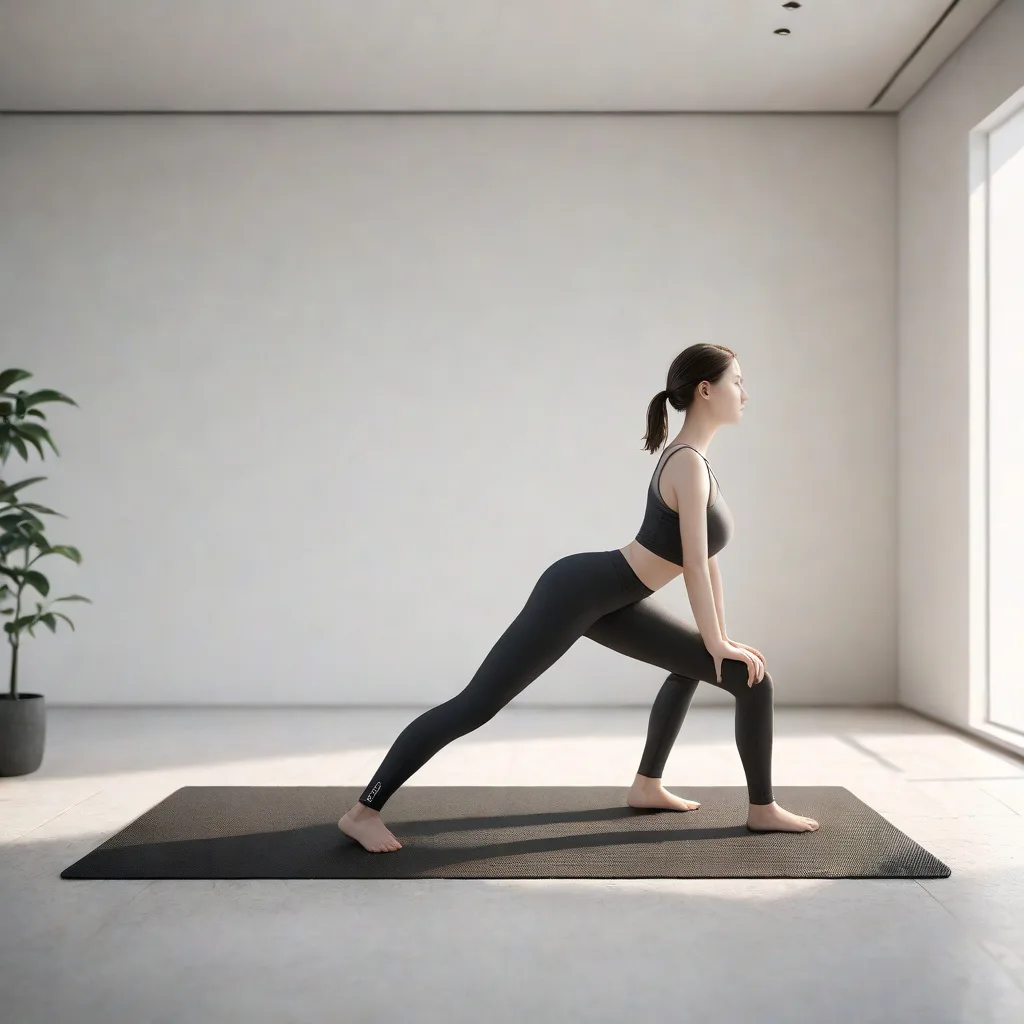
Pelvic position influences the entire kinetic chain. Glute bridges activate the posterior chain: lie on your back, knees bent, feet hip‑width, press through heels to lift hips, squeeze glutes at top, lower slowly; fifteen reps. Follow with hip flexor stretch: kneel on the right knee, left foot forward, tuck pelvis under, lean forward until a stretch is felt in the front of the right hip, hold thirty seconds each side. Finish with standing hip circles: balance on one leg, draw the opposite knee in circles, ten each direction. These moves promote a neutral pelvis and reduce lumbar compensation.
Building a Daily Posture Routine
Consistency beats intensity. Choose three core moves, two mobility drills, and one neck exercise to perform each morning; the session takes under ten minutes. In the afternoon, set a timer for a two‑minute posture check: stand, roll shoulders back, engage the core, and breathe deeply. Before bed, repeat the chin tuck and a gentle thoracic rotation. Track adherence with a simple checklist or habit app. Over weeks you will notice smoother movement, less stiffness, and a more confident stance.
Frequently Asked Questions
How long before I see changes? Most people notice reduced tension within two weeks of daily practice, while structural adaptations such as improved spinal curves may take several months of consistent work.
Can I do these exercises if I have a prior injury? If you have a diagnosed spinal condition, consult a healthcare professional before starting any new movement program. Many drills can be modified to accommodate limitations.
Do I need equipment? A light resistance band and a yoga mat are helpful but not required. All exercises can be performed with body weight alone.
How often should I practice? Aim for at least five days per week. Short daily sessions are more effective than a single long workout once a week.
Will better posture fix my back pain? Improved alignment often reduces mechanical strain that contributes to discomfort, but it is not a guaranteed cure. Combine posture work with appropriate medical guidance for persistent pain.
Related posts:
 Face the Facts: Why Your Posture Is Aging Your Features
 Upper Body Strength Exercises Every Runner Needs
 Managing Hip Pain from Sitting
 Stretch Your Way to a Pain-Free Upper Back: A Step-by-Step Guide
 5 Shoulder Exercises That’ll Remedy Rounded Shoulders Fast
 Desk Yoga for Back Pain Relief
 Understanding Gym Equipment
 This Full-Body Resistance Band Workout Will Transform Your Home Gym