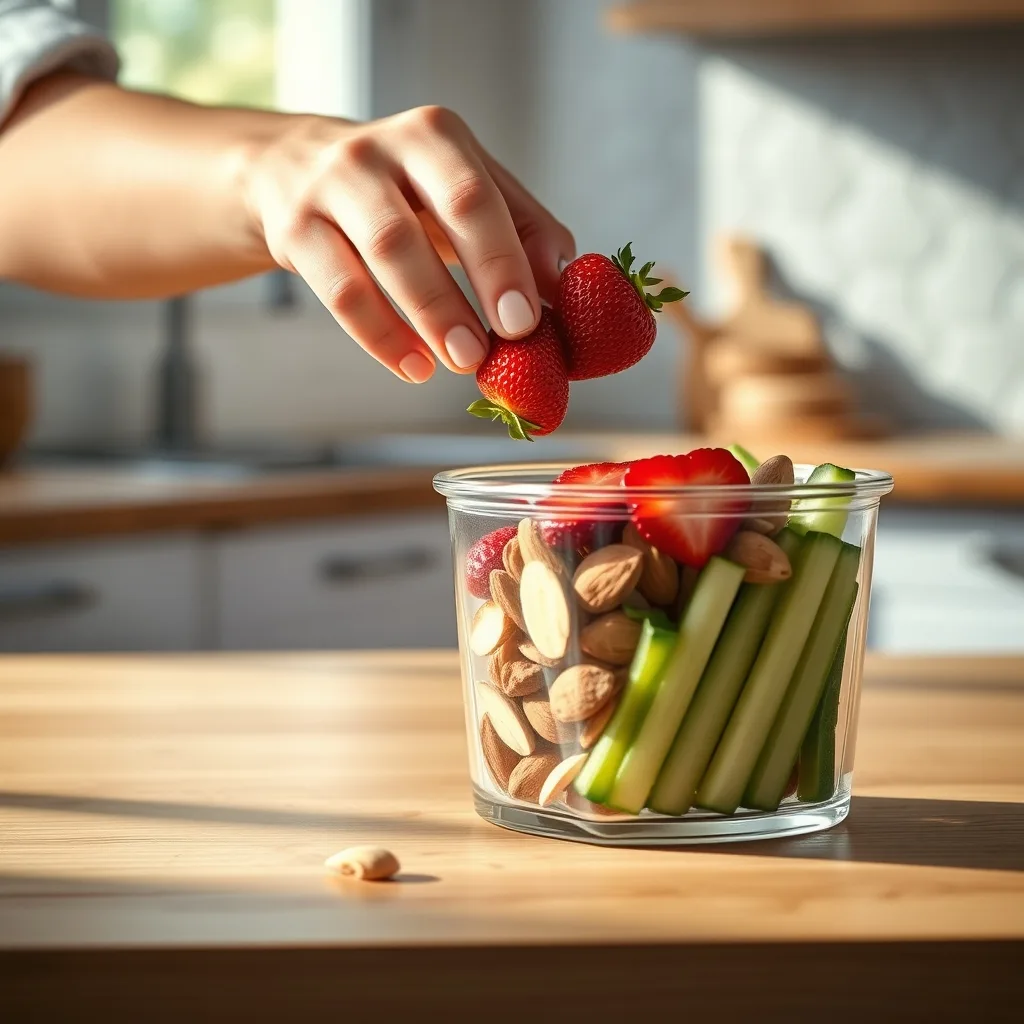
Processed snacks—think chips, crackers, candy bars, and flavored popcorn—are everywhere, and their convenience can make them a go-to choice when hunger strikes. While they can fit into an occasional treat, relying on them regularly can crowd out more nutrient‑dense foods, contribute to excess sodium, added sugars, and unhealthy fats, and leave you feeling sluggish. This article offers practical, science‑backed strategies to help you reduce reliance on processed snacks without feeling deprived. By reshaping your environment, planning ahead, and choosing satisfying whole‑food alternatives, you can enjoy steady energy, better nutrition, and a healthier relationship with food.
Key takeaways
- Audit your current snacking habits to identify patterns and replace two to three processed items with whole foods each week.
- Use the plate method to balance snacks with fresh produce, protein, and complex carbohydrates to increase satiety.
- Stock designated snack zones with ready-to-eat whole foods like fruit, vegetables, and nuts to make healthier choices effortless.
- Read ingredient labels to avoid hidden sugars, refined grains, and excessive sodium found in heavily processed snack products.
1. Understand What Makes a Snack “Processed”
Before you can limit processed snacks, it helps to know what qualifies as processed. Generally, foods that have been altered from their natural state with added sugars, salts, fats, preservatives, or artificial flavors fall into this category. Examples include:
- Packaged chips and pretzels
- Sweetened granola bars
- Flavored popcorn
- Candy, chocolate squares, and gummy snacks
- Store‑bought fruit snacks and fruit leathers
Understanding the ingredients list—especially the first three items—can quickly reveal how processed a product is. When the first ingredient is a refined grain (e.g., “enriched wheat flour”) or a type of sugar (e.g., “high‑fructose corn syrup”), the snack is likely heavily processed.
2. Conduct a Snack Audit in Your Home
Take a systematic look at the snacks you keep at home, at work, and in your car. Write down each item, its typical serving size, and the frequency you reach for it. This audit does two things:
- Awareness: You’ll see patterns—perhaps you always grab a bag of chips after dinner or keep a candy bar on your desk.
- Opportunity: Identifying the most common culprits makes it easier to replace them with healthier options.
After the audit, set a realistic goal: replace 2–3 of the most frequent processed snacks with whole‑food alternatives each week.
3. Stock Your Kitchen With Whole‑Food Snacks
When you have nutritious, ready‑to‑eat foods on hand, you’re less likely to reach for the nearest bag of chips. Consider these shelf‑stable and refrigerated options:
- Fresh fruit: Apples, bananas, grapes, and berries can be washed and stored in a bowl for easy access.
- Vegetable sticks: Carrot, cucumber, and bell‑pepper strips pair well with hummus or guacamole.
- Nuts & seeds: A small handful of almonds, walnuts, or pumpkin seeds provides protein and healthy fats. Choose unsalted varieties.
- Greek yogurt: Plain Greek yogurt can be sweetened with a drizzle of honey and fresh fruit.
- Whole‑grain crackers: Look for those with only three ingredients (e.g., whole grain, water, sea salt) and pair them with cheese or nut butter.
Portion these foods in individual containers or zip‑top bags to make grab‑and‑go moments effortless.
4. Use the “Plate Method” for Snacks
The plate method isn’t just for meals. Apply the same visual guide to snacks to ensure balance:
- Half the snack plate: Fresh fruit or raw vegetables.
- One‑quarter: A source of protein (nuts, cheese, hard‑boiled egg, or a scoop of hummus).
- One‑quarter: A complex carbohydrate (whole‑grain crackers, a small portion of oatmeal, or a rice cake).
By visualizing this ratio, you automatically limit the portion of highly processed items and boost satiety.
5. Practice Mindful Eating Techniques
Mindful eating helps you recognize true hunger versus boredom or stress‑driven cravings. Try these steps before reaching for a snack:
- Pause: Take a breath and ask yourself, “Am I physically hungry?”
- Rate your hunger: On a scale of 1–10, where 1 is “not hungry at all” and 10 is “starving,” aim to eat when you’re between 3 and 5.
- Choose intentionally: If you’re truly hungry, select a snack that follows the plate method. If you’re not, try a non‑food activity—stretch, drink water, or step outside for a few minutes.
Over time, this pause can reduce automatic snacking on processed foods.
6. Set Up Strategic “Snack Zones” at Work and Home
Location influences choice. Create dedicated snack zones that feature healthier options:
- Desk drawer: Keep a small container of mixed nuts or roasted chickpeas.
- Kitchen counter: Place a bowl of washed berries or an apple basket at eye level.
- Living‑room coffee table: Replace the bag of chips with a basket of popcorn kernels that you can air‑pop when the craving hits.
By making the healthier choice more visible, you subtly shift habits without feeling forced.
7. Plan and Prep Snacks Ahead of Time
Preparation is a cornerstone of sustainable change. Spend 30–45 minutes on a weekend to pre‑portion snacks for the upcoming week. Here are three simple prep ideas:
- Veggie‑Hummus Packs: Slice carrots, celery, and bell peppers; portion 2‑tbsp of hummus into small containers.
- Fruit‑Nut Mix: Combine dried unsweetened apricots, raw almonds, and a few dark‑chocolate chips for a sweet‑savory blend.
- Greek Yogurt Parfaits: Layer plain Greek yogurt with fresh berries and a sprinkle of granola in mason jars.
Having these ready‑to‑eat portions eliminates the need to search for a snack, which often leads back to the nearest processed option.
8. Re‑frame Cravings as Signals for Nutrition Gaps
Cravings for salty or sweet processed snacks can signal that your body is missing certain nutrients. For example:
- Salt cravings: May indicate low electrolyte balance; try a small glass of coconut water or a handful of sea‑salt‑sprinkled almonds.
- Sugar cravings: Could be a sign of low blood‑sugar; reach for a piece of fruit paired with protein (e.g., apple slices with peanut butter).
- Texture cravings: If you want something crunchy, opt for roasted chickpeas or kale chips made at home with olive oil and a pinch of sea salt.
By addressing the underlying need, you satisfy the craving without defaulting to highly processed snacks.
1. Decode Nutrition Labels and Ingredient Lists Like a Pro
When you stand in the snack aisle, the first line of defense is the label. Beyond the bold claims of “low‑fat” or “no added sugar,” the ingredient list can reveal hidden sources of sodium, refined carbs, and additives that keep the product in the processed category. Here’s a step‑by‑step method you can apply in under a minute:
- Identify the first three ingredients. If you see anything other than a whole fruit, vegetable, or a single grain (e.g., “whole corn,” “brown rice”), the product has been heavily altered. For instance, a pretzel that lists “enriched wheat flour, corn syrup solids, maltodextrin” is already far from its natural state.
- Watch for sugar aliases. High‑fructose corn syrup, dextrose, maltose, cane sugar, agave nectar, and even “fruit juice concentrate” all contribute to rapid spikes in blood glucose. A granola bar that lists “brown rice syrup” as the second ingredient is essentially a candy bar in disguise.
- Check sodium clues. Words like “sodium bicarbonate,” “sodium benzoate,” or “sea salt” can add up quickly. A single serving of flavored popcorn may contain 300–400 mg of sodium—roughly 15 % of the daily recommendation.
- Spot hidden fats. Terms such as “partially hydrogenated oil,” “palm oil,” or “vegetable oil blend” indicate added saturated and trans fats. Even “canola oil” can be heavily refined and stripped of its natural nutrients.
- Beware of buzzwords. Phrases like “natural flavor,” “preservative‑free,” or “gluten‑free” do not guarantee a healthier snack. They often mask the presence of other processed components.
**Edge case:** Some snack bars are marketed as “protein‑enhanced” but contain protein isolates derived from soy or whey that have been processed to a powder. If the first ingredient is “whey protein isolate,” you’re still dealing with a highly refined product. In such cases, compare the bar to a handful of nuts plus a piece of fruit—often the whole‑food combo provides more fiber, micronutrients, and satiety for fewer additives.
**Action tip:** Keep a small notebook or a notes app on your phone titled “Label Red Flags.” Whenever you encounter a new product, jot down the first three ingredients and a quick rating (1‑5) for sugar, sodium, and fat. Over time, you’ll develop an intuitive sense for which categories to avoid altogether.
2. Budget‑Friendly Whole‑Food Snacking Strategies
Eating healthier doesn’t have to inflate your grocery bill. By leveraging bulk purchases, seasonal produce, and strategic storage, you can build a snack pantry that costs less than a single bag of chips per week. Below are three proven tactics:
- Buy in bulk, portion out later. Large bags of raw almonds, sunflower seeds, or dried beans are often sold per pound at warehouse clubs for a fraction of the price of pre‑packaged snack packs. Portion them into 1‑oz zip‑top bags using a kitchen scale; you’ll avoid over‑eating and keep costs low.
- Seasonal fruit and freezer hacks. Apples, oranges, and grapes are cheapest in late summer and early fall. Purchase a bulk bag, wash, core, and slice the fruit, then spread the pieces on a baking sheet and freeze. Frozen fruit works just as well in yogurt parfaits or on‑the‑go smoothies.
- Make your own pantry staples. A 5‑lb bag of rolled oats can be turned into homemade oat‑based snack bars, baked granola, or even a base for “energy bites” when mixed with nut butter and dark chocolate chips. The per‑serving cost drops dramatically compared with store‑bought bars.
**Sample weekly snack budget (USD):**
- Bulk almonds (1 lb): $6.00 → 20 servings = $0.30 each
- Fresh berries (seasonal, 2 lb): $8.00 → 14 servings = $0.57 each
- Carrots & celery (5 lb bag): $4.00 → 30 servings = $0.13 each
- Greek yogurt (32 oz tub): $5.00 → 8 servings = $0.63 each
- Total weekly snack cost: ≈ $2.73 per day
**Edge case:** If you live in a food‑desert area where fresh produce is scarce, consider joining a local CSA (Community Supported Agriculture) or using a grocery‑delivery service that offers “pick‑your‑produce” options. Many programs allow you to select a mixed box of vegetables and fruits for a flat weekly fee, often lower than the retail price of individual items.
**Implementation tip:** Schedule a 30‑minute “snack budgeting” session each Sunday. Pull out your receipt from the previous week, tally snack‑related expenses, and adjust the next week’s list based on what was over‑ or under‑consumed.
3. Master Homemade Snack Recipes for Crunch, Sweetness, and Savory Satisfaction
Creating your own snacks gives you total control over flavor, texture, and nutrition. Below are three versatile recipes that can be tweaked to suit any palate, plus storage guidelines to keep them fresh for a full week.
3.1 Oven‑Baked Kale Chips
- Ingredients: 1 bunch kale (stems removed), 1 tbsp olive oil, ½ tsp sea salt, optional: nutritional yeast or smoked paprika.
- Method: Tear kale into bite‑size pieces, drizzle with oil, and toss to coat evenly. Spread on a parchment‑lined baking sheet, sprinkle salt (and optional seasonings), and bake at 350°F (175°C) for 10‑12 minutes, turning once halfway through. Watch closely—chips can burn quickly.
- Storage: Cool completely, then store in an airtight container. They stay crisp for up to 4 days; re‑crisp by reheating for 2 minutes.
3.2 Spiced Roasted Chickpeas
- Ingredients: 1 can (15 oz) chickpeas, drained and rinsed; 1 tbsp olive oil; ½ tsp cumin; ½ tsp garlic powder; pinch of cayenne; ¼ tsp sea salt.
- Method: Pat chickpeas dry with a towel. Toss with oil and spices. Roast on a sheet pan at 400°F (200°C) for 30‑35 minutes, shaking the pan every 10 minutes for even browning.
- Storage: Keep in a loosely sealed jar; they stay crunchy for 5‑7 days. If they soften, pop them back in the oven for 5 minutes.
3.3 No‑Bake Energy Balls
- Ingredients: 1 cup rolled oats, ½ cup natural peanut butter, ¼ cup honey or maple syrup, ¼ cup dark‑chocolate chips, 2 tbsp chia seeds, optional: 1 tsp vanilla extract.
- Method: Mix all ingredients in a bowl until combined. Roll the mixture into 1‑inch balls using a tablespoon measure. Chill for 20 minutes.
- Storage: Store in a sealed container in the refrigerator for up to 2 weeks or freeze for 3 months.
**Edge case:** If you have a nut allergy, substitute the peanut butter with sunflower seed butter or a blend of mashed avocado and tahini. The texture remains creamy, and the healthy fats stay intact.
**Scaling tip:** Multiply the recipe by 2 or 3 and freeze the extra batches in muffin tins. When you need a quick snack, pop a frozen ball into the microwave for 10‑15 seconds to soften it without losing its shape.
4. Leverage Technology and Data to Keep Snack Choices on Track
Modern smartphones and kitchen gadgets can act as accountability partners. Below are four tools that transform snack management from a guesswork activity into a data‑driven habit.
- Barcode Scanners (e.g., MyFitnessPal, Fooducate). Point your phone’s camera at a product’s barcode; the app instantly displays calories, added sugars, and sodium per serving. Many apps also assign a “health score” based on ingredient quality, allowing you to compare two similar snacks at a glance.
- Smart Kitchen Scales. Bluetooth‑enabled scales sync with nutrition apps, logging exact gram weights for each snack portion. This eliminates the common error of eyeballing servings, especially for nuts and seeds where a small visual difference can mean a 100‑calorie swing.
- Meal‑Planning Platforms (e.g., Paprika, Yummly). Use the “snack” category to create weekly snack menus. The software can generate a shopping list that automatically groups items by store aisle, reducing impulse buys.
- Habit‑Tracking Apps (e.g., Habitica, Streaks). Set a daily goal like “Consume a fruit‑based snack before 3 pm” and earn points or rewards for consistency. Visual streaks reinforce the behavior loop.
**Edge case:** For those who are privacy‑concerned, many of these apps allow you to turn off data sharing and store logs locally. Choose open‑source alternatives such as Open Food Facts for barcode scanning without cloud sync.
**Implementation suggestion:** Spend 10 minutes on Sunday evening syncing your snack inventory with your chosen app. Mark any items that are low, and add them to your grocery list. The next day, when you see a notification reminding you of your snack goal, you’ll already have the right foods on hand.
5. Build Sustainable Snack Habits Using Behavioral Science Principles
Changing a snack pattern is as much a psychological challenge as a nutritional one. Below are three evidence‑based frameworks that turn intention into lasting action.
5.1 Habit Stacking
Link a new snack habit to an existing routine. For example, after you finish brushing your teeth in the morning, place a pre‑portioned container of mixed berries on the kitchen counter. The cue (brushing) automatically triggers the reward (fruit), reinforcing the behavior each day.
5.2 Implementation Intentions
Write a concrete “if‑then” plan: “If I feel the urge for something salty at 4 pm, then I will reach for a ¼‑cup of roasted sea‑salted almonds instead of chips.” Research shows that specifying the exact moment and alternative action dramatically increases follow‑through.
5.3 Commitment Devices
Use a physical or digital lock to make unhealthy snacking harder. One popular method is the “snack jar”—place a jar of processed treats on a high shelf, and each time you take one, you must add a dollar to a savings account earmarked for a future health‑related purchase (e.g., a gym membership). The monetary penalty creates a cost barrier.
**Edge case:** For people with limited mobility or who work night shifts, the traditional cue (e.g., post‑lunch) may not exist. In those scenarios, use time‑based alarms on your phone to prompt a snack check‑in, ensuring you assess hunger before reaching for a bag of pretzels.
**Transition tip:** Pair each new habit with a brief reflection journal entry. Note the time, mood, and what you chose. Over a month, patterns emerge, allowing you to fine‑tune cues and rewards for maximum adherence.
6. Navigating Snacks While Traveling and Eating Out
Whether you’re on a cross‑country road trip or dining at a restaurant, the environment often tempts you toward processed options. Below are practical strategies that keep you in control without feeling like a food police.
- Pre‑pack portable snack kits. Assemble a zip‑top bag with a handful of trail mix (unsalted nuts, dried unsweetened fruit, a few dark‑chocolate chunks) and a small container of hummus. Store the kit in your car’s glove compartment or carry‑on bag.
- Leverage airport and train station markets. Look for fresh‑cut fruit stands, yogurt parfait counters, or roasted chickpea vendors. If you only find a pastry shop, pair the pastry with a protein source like a boiled egg (often available at coffee kiosks) to balance the sugar spike.
- Ask for menu modifications. At a fast‑casual eatery, request a side salad instead of fries, or ask for a sandwich to be wrapped in lettuce rather than a bun. Most kitchens are happy to accommodate simple swaps.
- Control portion size with the “plate method” on the go. When ordering a snack plate, ask for sauces on the side and limit the bread basket to one slice. This mimics the visual balance you would create at home.
**Edge case:** International travel often introduces unfamiliar snacks (e.g., rice crackers, seaweed sheets) that may be heavily salted. Bring a small bottle of lemon‑infused water; the citrus flavor can satisfy the desire for a tangy bite without the sodium load.
**Travel tip:** Before a long flight, eat a balanced meal that includes protein and fiber (e.g., grilled chicken salad with quinoa). This stabilizes blood sugar and reduces the impulse to raid the airplane snack cart for sugary pastries.
7. Optimize Timing and Physiology to Reduce Unwanted Cravings
Snacking isn’t just a habit; it’s often a response to physiological signals. By aligning your snack windows with natural rhythms, you can diminish the intensity of cravings.
- Synchronize with circadian appetite patterns. Research shows that hunger peaks mid‑morning (around 10 am) and mid‑afternoon (around 3 pm). Schedule a protein‑rich snack—such as a hard‑boiled egg or a small serving of cottage cheese—during these windows to pre‑empt the urge for processed carbs.
- Stabilize blood glucose with paired macronutrients. Combine a carbohydrate source (e.g., a small apple) with a protein or fat (e.g., 1 tbsp almond butter). This slows glucose absorption, extending satiety for 2‑3 hours.
- Hydration as a hidden hunger cue. Dehydration can masquerade as a snack craving. Keep a reusable water bottle within arm’s reach and aim for 16‑20 oz every 2‑3 hours. Adding a pinch of sea salt can also replenish electrolytes without excess calories.
- Utilize short‑term fasting windows. If you practice a 12‑hour fast (e.g., 7 pm to 7 am), you naturally eliminate late‑night snacking. The body adapts by increasing reliance on stored fat for energy, reducing the frequency of random cravings.
- Prioritize sleep quality. Inadequate sleep elevates ghrelin (the hunger hormone) and suppresses leptin (the satiety hormone). Aim for 7‑9 hours of uninterrupted sleep; a well‑rested brain is less likely to seek quick‑energy processed snacks.
**Edge case:** Athletes or individuals with high caloric needs may experience genuine energy deficits. In those scenarios, schedule a post‑workout snack that includes both carbs and protein—such as a banana with whey protein mixed in water—within 30 minutes of activity to replenish glycogen and curb post‑exercise cravings.
Frequently Asked Questions
Q1: How many processed snacks per week is considered “acceptable”?
A: There is no universal threshold, but nutrition experts often suggest limiting highly processed snacks to no more than 2–3 servings per week. Focus on portion size (e.g., a single‑serve bag of chips) and balance them with nutrient‑dense foods throughout the day.
Q2: Can I still enjoy occasional treats without sabotaging my progress?
A: Absolutely. The key is intentionality. Choose a specific occasion (e.g., movie night), set a portion limit (one small bag or a single candy bar), and savor it mindfully. This prevents binge‑type behavior and keeps cravings under control.
Q3: What’s a quick replacement for a bag of salty chips?
A: Air‑popped popcorn seasoned with nutritional yeast, a pinch of smoked paprika, or a drizzle of olive oil offers a crunchy, low‑calorie alternative. Another option is roasted seaweed snacks, which provide iodine and a salty flavor with far fewer calories.
Q4: How do I handle social situations where processed snacks dominate?
A: Bring a healthy contribution—such as a vegetable platter or a fruit salad—to share. If that isn’t possible, practice portion control: fill a small plate, eat slowly, and focus on conversation rather than continuous nibbling.
Q5: Are there any apps or tools that can help track snack choices?
A: Yes. Apps like MyFitnessPal, Cronometer, or Yazio allow you to log snacks, view nutrient breakdowns, and set goals for limiting added sugars and sodium. Some also let you create custom “favorite snack” lists, making it easier to select healthier options quickly.
Related posts:
 Healthy Chips to Satisfy Your Snack Cravings Guilt-Free
 How to Reduce Sodium Intake Without Losing Flavor
 Portion vs Serving Size Guide
 Outdoor Voices Launches Snack Line for Active Lifestyles
 Vegan vs Plant-Based: Which is Healthier?
 Vegetable Chips: Health Food or Marketing Trick?
 High-Protein Foods That Pack a Serious Nutritional Punch
 Why You’re Craving Salt