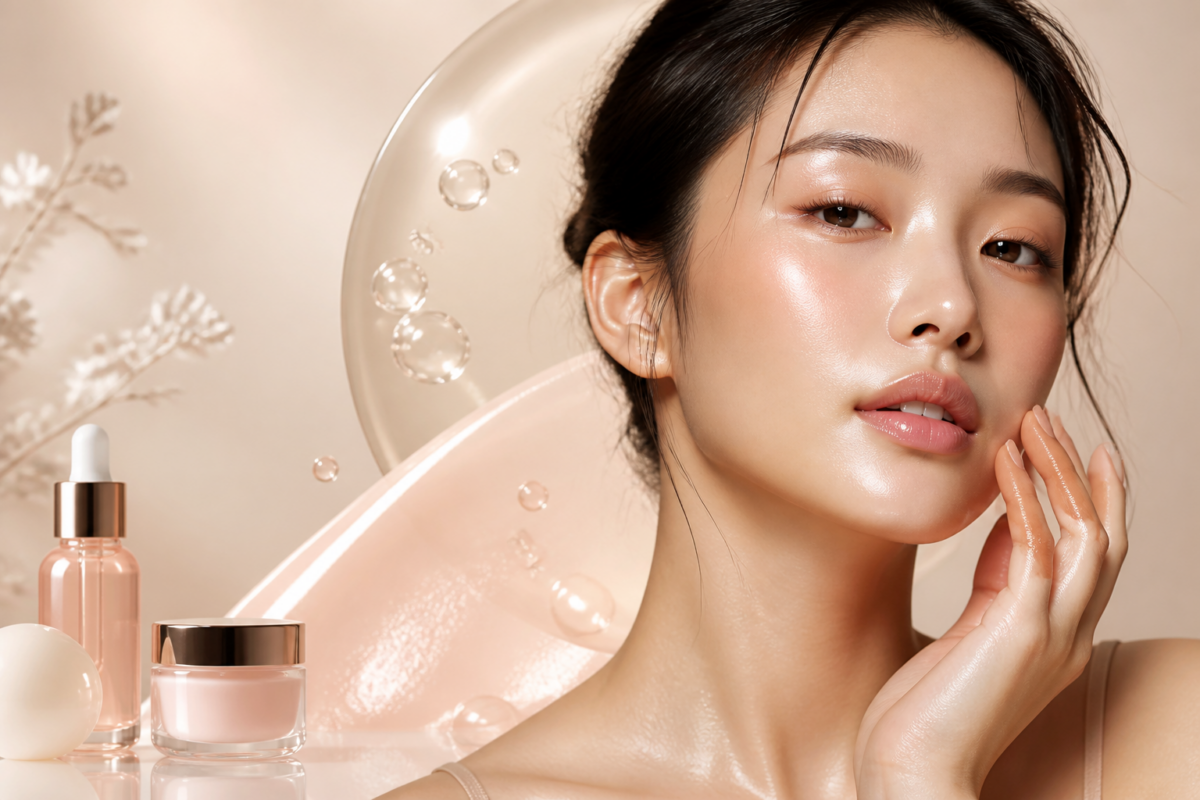
If you’ve scrolled through beauty platforms lately, you’ve likely noticed a surge in glowing, glass-like skin that seems to radiate from within. This isn’t just another fleeting trend—it’s skin glazing, a technique designed to achieve a luminous, dewy complexion that looks fresh, hydrated, and effortlessly healthy. Originating from Korean beauty routines and now embraced globally, skin glazing focuses on layering lightweight, hydrating products to create a lit-from-within effect without heavy makeup or shimmer.
Unlike contouring or full-coverage foundations that can mask the skin, glazing enhances your natural texture while giving it a polished, plump finish. The best part? It’s accessible for all skin types, ages, and tones. Whether you’re a minimalist or a makeup lover, this approach can be tailored to fit your routine. Below, we’ll break down everything you need to know about skin glazing—from the steps to the best products to common mistakes to avoid.
What Exactly Is Skin Glazing?
Skin glazing is a multi-step skincare and makeup hybrid that prioritizes hydration and light reflection to create a dewy, almost wet-looking glow. Think of it as the beauty equivalent of glazing a ceramic pot: you’re applying thin, translucent layers that build up to a smooth, radiant finish. The technique relies on humectants (like hyaluronic acid and glycerin) to draw moisture into the skin, emollients (such as squalane or ceramides) to lock it in, and light-reflecting particles (often in the form of liquid highlighters or dewy serums) to enhance the glow.
Unlike the heavy, oil-slicked look of the “greasy skin” trend or the dry, matte finish of powder-heavy makeup, skin glazing strikes a balance. It’s about achieving a healthy glow—not a greasy or overly shiny one. The result should look like your skin is at its peak hydration, as if you’ve just drunk a gallon of water and slept for eight hours straight.
The Science Behind the Glow
The dewy effect in skin glazing isn’t just superficial; it’s rooted in skincare science. Hydrated skin naturally reflects light better, which is why the first step in glazing is prepping with moisture-boosting ingredients. Here’s how it works:
- Hydration: Humectants like hyaluronic acid bind water molecules to the skin, plumping it up and reducing the appearance of fine lines.
- Barrier Protection: Emollients and occlusives (like dimethicone or plant oils) seal in that hydration, preventing moisture loss throughout the day.
- Light Diffusion: Products with light-reflecting pigments (often mica or silica) scatter light across the skin’s surface, creating a soft-focus effect that blurs imperfections.
This combination ensures your skin doesn’t just look dewy temporarily—it stays that way by maintaining a strong moisture barrier.
Who Can Benefit from Skin Glazing?
One of the biggest misconceptions about dewy skin trends is that they’re only for those with dry or normal skin. In reality, all skin types can benefit from glazing—you just need to adjust the products and techniques:
- Dry Skin: Focus on rich hydrating serums, creamy moisturizers, and a dewy setting spray to lock everything in.
- Oily Skin: Opt for lightweight, water-based serums and gel moisturizers. Use a mattifying primer underneath your glazing layers to prevent excess shine.
- Combination Skin: Apply hydrating products to dry areas (cheeks, forehead) and lighter, oil-free formulas to the T-zone.
- Sensitive Skin: Stick to fragrance-free, non-comedogenic products and avoid physical exfoliants before glazing to prevent irritation.
- Mature Skin: Prioritize collagen-boosting ingredients (like peptides or vitamin C) alongside hydration to enhance plumpness and radiance.
Even those with acne-prone skin can try glazing, provided they use non-pore-clogging, oil-free hydrators and avoid heavy, comedogenic ingredients.
Step-by-Step Guide to Skin Glazing
Achieving the perfect glaze is all about layering. Here’s a foolproof routine to follow, whether you’re doing a no-makeup day or a full beat:
1. Cleanse and Exfoliate (Optional)
Start with a gentle cleanser to remove dirt and oil. If your skin is on the dull side, a mild exfoliant (like a lactic acid toner or a PHA serum) can help slough off dead skin cells, allowing your glazing products to absorb better. However, skip this step if your skin is sensitive or irritated—hydration is the priority here.
2. Hydrating Toner or Essence
Apply a hydrating toner or essence with hyaluronic acid, glycerin, or snail mucin. These thin, watery layers prep your skin to absorb the products that follow. Pat it into your skin with your hands or a cotton pad.
Product pick: COSRX Advanced Snail 96 Mucin Power Essence or Fresh Rose Deep Hydration Toner.
3. Serum Layering
This is where the magic happens. Apply 1-2 layers of a hydrating serum, focusing on areas that need extra glow (cheekbones, brow bones, Cupid’s bow). For an extra boost, mix a drop of liquid highlighter with your serum.
Product pick: The Ordinary Hyaluronic Acid 2% + B5 or Glossier Futuredew.
4. Lightweight Moisturizer
Lock in the hydration with a gel or lotion-based moisturizer. Avoid heavy creams unless your skin is very dry, as they can create a barrier that prevents the dewy effect from shining through.
Product pick: Neutrogena Hydro Boost Water Gel or Belif Aqua Bomb.
5. Dewy Primer (Optional)
If you’re wearing makeup, a dewy primer can enhance the glazed effect. Look for one with light-reflecting particles and hydrating ingredients. Apply it to the high points of your face where light naturally hits.
Product pick: Charlotte Tilbury Hollywood Flawless Filter or Milk Makeup Hydro Grip Primer.
6. Sheer, Glowing Base
Skip the full-coverage foundation. Instead, opt for a skin tint, BB cream, or a lightweight liquid foundation with a luminous finish. Apply with a damp sponge or your fingers to blend seamlessly.
Product pick: Fenty Beauty Eaze Drop Blurring Skin Tint or IT Cosmetics CC+ Cream with SPF.
7. Cream Highlighter or Liquid Illuminator
Ditch the powder highlighter. Cream or liquid formulas melt into the skin for a natural, lit-from-within glow. Apply to the cheekbones, brow bones, and the inner corners of your eyes. For extra impact, layer a liquid highlighter under your foundation for a glow that looks like it’s coming from within.
Product pick: RMS Beauty Luminizer or Saie Glowy Super Gel.
8. Dewy Setting Spray
Finish with a hydrating setting spray to melt all the layers together. This step ensures your glaze lasts all day without settling into fine lines or fading.
Product pick: MAC Fix+ or Tatcha Dewy Skin Mist.
Common Skin Glazing Mistakes to Avoid
Even the best techniques can go wrong if you’re not careful. Here are the most common pitfalls and how to steer clear of them:
- Overloading on Oil: While oils can add shine, too much can make your skin look greasy rather than dewy. If you have oily skin, use a water-based serum instead of a facial oil for glazing.
- Skipping the Hydration: Glazing isn’t just about shiny products—it’s about hydrated skin. If your skin is dry underneath, the glow will look patchy or flaky.
- Using Heavy Powders: Powders (even translucent ones) can dull the dewy effect. If you must set your makeup, use a finely milled powder sparingly only where needed (like the T-zone).
- Ignoring Your Skin Type: What works for dry skin won’t necessarily work for oily skin. Tailor your products to your skin’s needs (e.g., gel moisturizers for oily skin, cream moisturizers for dry skin).
- Not Blending Properly: Dewy products can look streaky if not blended well. Use your fingers, a damp sponge, or a fluffy brush to ensure seamless application.
Skin Glazing for Different Occasions
You don’t need a full face of makeup to pull off the glazed look. Here’s how to adapt the technique for different settings:
Everyday No-Makeup Glaze
For a fresh, low-maintenance look, stick to skincare-only glazing:
- Cleanse and apply a hydrating toner.
- Layer a hyaluronic acid serum.
- Apply a lightweight moisturizer.
- Add a drop of liquid highlighter to the high points of your face.
- Finish with a dewy setting spray.
This takes less than 5 minutes and gives you a natural, healthy glow.
Glam Glazing for a Night Out
For a more polished, evening-ready look:
- Follow the full step-by-step glazing routine above.
- Add a sheer, luminous foundation or skin tint.
- Use a cream blush and bronzer for a flushed, sun-kissed effect.
- Top with a cream highlighter on the cheekbones, brow bones, and Cupid’s bow.
- Set with a dewy spray and avoid powder entirely.
Glazing for Mature Skin
Mature skin can benefit from glazing, but it’s important to focus on plumping and smoothing:
- Start with a hydrating serum containing peptides or collagen-boosting ingredients.
- Use a moisturizer with ceramides to strengthen the skin barrier.
- Apply a lightweight, radiant foundation or BB cream.
- Use a cream highlighter on the high points, but avoid areas with deep wrinkles (as product can settle into fine lines).
- Finish with a setting spray to keep everything in place.
DIY Skin Glazing Hacks
You don’t need to break the bank to achieve a glazed look. Here are some budget-friendly hacks:
- Mix Your Own Glow: Add a drop of liquid highlighter to your moisturizer or foundation for an all-over sheen.
- Use Aloe Vera Gel: Aloe vera gel is a natural humectant. Mix a teaspoon with your serum for an extra hydration boost.
- Vaseline Trick: For an ultra-dewy look, apply a tiny amount of petroleum jelly (like Vaseline) to the high points of your face after your makeup. This works best for dry skin types.
- Ice Globe Massage: Roll an ice globe or chilled jade roller over your face after applying your serums to depuff and enhance absorption.
- Honey Mask: Before your glazing routine, apply a thin layer of raw honey as a 10-minute mask. Honey is a natural humectant that can give your skin an extra boost of hydration.
Skin Glazing vs. Other Glowy Trends
Skin glazing isn’t the only trend promising a luminous complexion. Here’s how it stacks up against other popular techniques:
- Glass Skin: A Korean beauty trend that focuses on a perfectly smooth, pore-less, and hydrated complexion. It’s more about skincare than makeup and often involves extensive exfoliation and hydration. Skin glazing is a lighter, more accessible version of this.
- Strobing: A makeup technique that uses highlighter to create a dramatic, lit-from-within effect by applying it to the high points of the face. Skin glazing is more subtle and relies on hydration as much as highlighter.
- Non-Makeup Makeup: A minimalist approach that enhances natural features with light coverage. Skin glazing can be part of this, but it specifically emphasizes the dewy aspect.
- Baking: A technique where powder is pressed into the skin to set makeup for a long wear time. This is the opposite of glazing, which avoids powder entirely.
FAQ About Skin Glazing
1. Can I achieve skin glazing with drugstore products?
Absolutely! Many affordable brands offer excellent hydrating serums, moisturizers, and liquid highlighters. Look for products with hyaluronic acid, glycerin, or squalane. The Ordinary, e.l.f., and Maybelline all have great budget-friendly options. The key is layering lightweight, hydrating formulas rather than relying on expensive luxury products.
2. How do I make my skin glaze last all day?
To extend the wear of your glaze:
- Start with a hydrating primer if you’re wearing makeup.
- Layer your products from thinnest to thickest (toner → serum → moisturizer → highlighter).
- Use a dewy setting spray to lock everything in.
- Avoid touching your face throughout the day to prevent smudging.
- Carry a hydrating mist (like rosewater or thermal spring water) for touch-ups.
If you have oily skin, blot excess oil with a tissue and reapply a light layer of setting spray to refresh the glow.
3. Is skin glazing suitable for acne-prone skin?
Yes, but with caution. If you’re acne-prone, avoid heavy, pore-clogging ingredients like coconut oil or thick creams. Instead, opt for oil-free hydrating serums and gel moisturizers labeled as non-comedogenic. Additionally, ensure your skin is clean and exfoliated (gently) to prevent breakouts. If a product causes irritation or clogs your pores, discontinue use immediately.
4. Can men try skin glazing?
Of course! Dewy, healthy skin isn’t gender-specific. Men can follow the same steps, using lightweight, hydrating products. If you’re new to skincare, start with a simple routine: cleanser, hydrating serum, moisturizer, and a touch of liquid highlighter on the cheekbones. For a more natural look, skip the highlighter and just focus on hydration.
5. What’s the difference between skin glazing and using a regular highlighter?
Skin glazing is a multi-step process that combines hydration and light reflection to create a natural, lit-from-within glow. A regular highlighter, on the other hand, is typically a single product (powder or cream) applied to specific areas to create a shimmery effect. Glazing is more about enhancing your skin’s natural radiance through layering, while a highlighter is a targeted product for adding shine. With glazing, the glow looks like it’s coming from within the skin, whereas a highlighter can sometimes look like it’s sitting on top of the skin.
Related posts:
 Rael and Good Chemistry Advanced Antioxidant Serum Review
 Freck Slimelight Highlighter: The Secret to a Dewy, Luminous Glow
 The Best Liquid Eyeshadows That Stay Put All Day Long
 The Slow Beauty Movement’s Secret Hydration Recipes
 Proper Order of Skincare Application
 Foundation’s Impact on Skin
 The Best Toners for Acne-Prone Skin That Won’t Strip Your Face
 Spring Awakening: The Hydrating Serums Your Winter Skin Is Craving