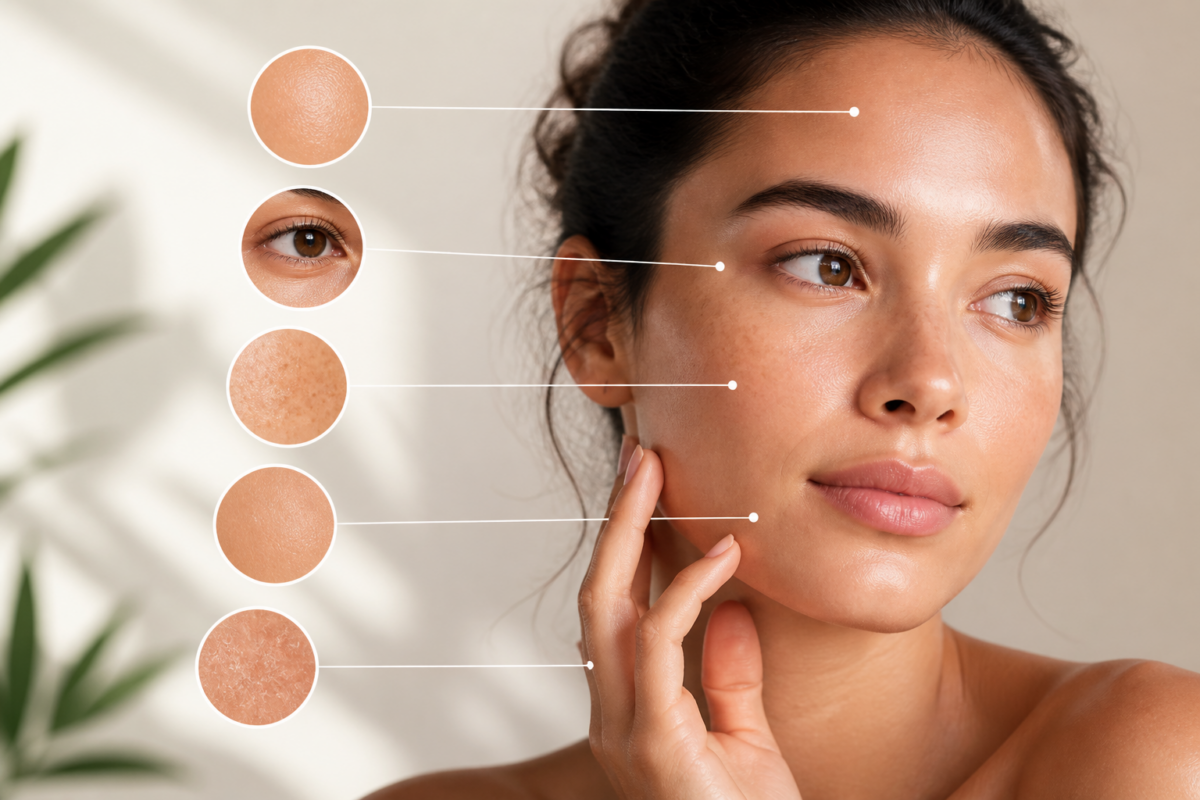
The skin is the body’s largest organ and one of its most visible indicators of overall health. Changes in texture, tone, hydration, or resilience often reflect internal processes that may otherwise go unnoticed. Understanding skin health indicators helps individuals recognize early signals, adjust daily routines, and seek professional guidance when needed. This article explores the most reliable signs of healthy skin, common warning signals, lifestyle factors that influence appearance, and practical steps for maintaining a balanced approach to skin care.
What Defines Healthy Skin
Healthy skin typically appears smooth, evenly toned, and resilient to minor environmental stressors. Key characteristics include:
- Barrier function: The skin retains moisture effectively while allowing excess oil and impurities to exit naturally.
- Cell turnover: Dead skin cells shed evenly, preventing dullness or patchiness.
- Circulation: Adequate blood flow delivers oxygen and nutrients necessary for repair and regeneration.
- Microbiome balance: Beneficial bacteria help protect against harmful pathogens and inflammation.
When these systems function harmoniously, the skin looks and feels balanced regardless of age or baseline concerns.
Hydration Levels and Moisture Retention
One of the most immediate indicators of skin health is hydration status. Well-hydrated skin remains plump and elastic, while dehydration causes fine lines, flakiness, and a tight sensation. To assess hydration:
- Gently pinch the cheek or forearm; healthy skin snaps back quickly without lingering tenting.
- Look for morning dewiness that fades naturally throughout the day rather than persistent dryness.
- Notice whether moisturizer absorbs within minutes or sits on the surface.
Drinking water, using humectant-rich products, and limiting hot showers can improve hydration levels over time.
Pigmentation and Color Uniformity
Even skin tone suggests consistent cell renewal and stable hormone levels. Hyperpigmentation, dark spots, or sudden color changes may indicate sun damage, inflammation, or underlying conditions such as melasma or thyroid imbalances. Monitoring pigmentation involves:
- Comparing new spots to existing moles or freckles for size, shape, or border changes.
- Noting whether discoloration worsens after sun exposure or improves with consistent protection.
- Tracking hormonal patterns if irregular patches coincide with menstrual cycles or stress.
Prevention through broad-spectrum sunscreen and antioxidant serums remains the most effective strategy for maintaining uniform tone.
Texture and Surface irregularities
Rough patches, bumps, or sudden sensitivity often precede visible breakouts or chronic conditions. Texture reflects how well the skin exfoliates and rebuilds itself daily. Common texture concerns include:
- Fine bumps: Often linked to keratosis pilaris or mild dehydration.
- Roughness: May signal eczema, psoriasis, or over-exfoliation.
- Tightness: Usually caused by transepidermal water loss or harsh products.
Introducing gentle chemical exfoliants like lactic acid or polyhydroxy acids can smooth texture without stripping natural oils.
Acne Activity and Inflammation Markers
Breakouts serve as both cosmetic concerns and health indicators. Frequent or severe acne may point to hormonal fluctuations, dietary triggers, or stress-related inflammation. Observe:
- Location of lesions (jawline often hormonal, forehead may relate to diet or hair products).
- Frequency and duration of flare-ups.
- Associated symptoms like tenderness, swelling, or scarring.
A consistent, non-abrasive routine featuring niacinamide, benzoyl peroxide, or retinoids can reduce inflammation while supporting barrier health.
Signs of Aging and Structural Changes
Aging manifests differently across individuals, influenced by genetics, sun exposure, and lifestyle choices. Early indicators include:
- Fine lines around the eyes and mouth during facial expressions.
- Slight loss of firmness, especially on the cheeks and neck.
- Slower recovery from minor irritation or injury.
Antioxidant-rich serums containing vitamin C or E, retinoids, and daily sunscreen help delay premature aging while protecting existing collagen.
Lifestyle Factors That Influence Skin Appearance
Diet, sleep, and stress levels profoundly impact skin health beyond topical care. Consider these connections:
- Nutrition: Diets high in refined sugars and dairy may worsen acne, while omega-3 fatty acids support barrier function.
- Sleep: Poor sleep disrupts growth hormone production essential for overnight repair.
- Stress: Chronic stress elevates cortisol, increasing oil production and inflammation.
- Exercise: Sweting during workouts flushes toxins but requires prompt cleansing to prevent clogged pores.
Balancing these factors creates a foundation for clearer, more resilient skin over time.
When to Seek Professional Guidance
While minor fluctuations are normal, persistent or worsening symptoms warrant dermatological evaluation. Red flags include unexplained rashes, rapidly changing moles, severe acne scarring, or chronic eczema unresponsive to over-the-counter treatments. A board-certified dermatologist can perform patch testing, biopsies, or recommend prescription options tailored to individual needs. Early intervention prevents complications and supports long-term skin wellness.
Building a Sustainable Skincare Routine
Effective skin care prioritizes consistency over complexity. A basic regimen includes:
- Morning cleanser followed by antioxidant serum, moisturizer, and sunscreen.
- Evening cleanser, optional treatment (retinoid or acne medication), and nourishing moisturizer.
- Weekly exfoliation limited to 1-2 times depending on skin tolerance.
- Monthly reassessment to adjust products based on seasonal or life-stage changes.
Listening to skin’s daily feedback ensures routines evolve alongside its needs.
Conclusion
Skin health indicators provide valuable insights into internal well-being, guiding both self-care decisions and medical consultations. By recognizing subtle shifts in hydration, pigmentation, texture, and inflammation, individuals empower themselves to maintain balanced, resilient skin throughout life stages. Combining informed routines with professional support fosters confidence and long-term wellness.p>
The Skin Microbiome: Your Body’s Microbial Ecosystem
The skin hosts billions of microorganisms including bacteria, fungi, viruses, and mites that collectively form the skin microbiome. These microscopic inhabitants are not passive passengers but active participants in maintaining skin health. Cutibacterium acnes colonizes oil-rich areas and helps regulate sebum production, while Staphylococcus epidermidis produces antimicrobial peptides that fight harmful pathogens. When this ecosystem remains balanced, the skin resists infection, heals efficiently, and maintains stable hydration. Disruptions to the microbiome manifest as chronic conditions such as rosacea, acne, or eczema flares.
Modern habits inadvertently compromise microbiome diversity. Overuse of antimicrobial cleansers eliminates both harmful and beneficial bacteria indiscriminately. Antibiotic treatments for skin infections or other health conditions can decimate microbial populations, allowing opportunistic pathogens to proliferate. Even high-pH soaps disrupt the slightly acidic environment where healthy bacteria thrive. Restoring microbiome balance requires a thoughtful approach that avoids excessive sterilization while supporting beneficial populations.
Practical strategies for microbiome support include using gentle, low-pH cleansers that preserve bacterial communities rather than destroying them. Topical probiotic applications, whether through fermented ingredients like rice water or dedicated probiotic skincare products, introduce live beneficial bacteria directly to skin surfaces. Prebiotic ingredients such as oatmeal, aloe vera, and certain plant extracts feed existing beneficial microbes without fueling pathogens. Avoiding unnecessary antibacterial additives in personal care products allows the natural ecosystem to stabilize over time. Some practitioners recommend seasonal probiotic supplementation alongside topical approaches for comprehensive microbiome restoration.
pH Balance and the Acid Mantle
The acid mantle refers to the thin, protective film coating the skin surface with a pH typically between 4.5 and 5.5. This slightly acidic environment serves multiple protective functions: it inhibits pathogen growth, supports enzymatic activity necessary for barrier repair, and maintains proper skin cell cohesion. Healthy pH levels prevent transepidermal water loss and protect against environmental aggressors. When pH rises toward neutral or alkaline ranges, the skin becomes vulnerable to irritation, infection, and premature aging.
Common daily activities shift skin pH away from its optimal range. Hard water with high mineral content often registers above pH 8, and regular exposure gradually alkalinizes the skin surface. Many conventional bar soaps contain alkaline formulas that strip the acid mantle and require several hours for natural pH restoration. Even tap water alone can temporarily elevate surface pH, particularly in regions with limestone-rich water supplies. Individuals with naturally dry or sensitive skin experience more pronounced effects from these shifts, developing tightness, redness, or heightened reactivity.
Managing pH balance begins with cleanser selection. Liquid cleansers with pH levels below 7 preserve the acid mantle more effectively than traditional bar soaps. Testing water pH with inexpensive strips reveals whether home water supply contributes to alkalization, and installing water softeners or filtered showerheads addresses the problem directly. After cleansing, pH-adjusting toners containing niacinamide or lactic acid restore optimal surface conditions. Chemical exfoliants like alpha-hydroxy acids and beta-hydroxy acids work most effectively at pH 3-4, but should be introduced gradually to avoid overwhelming the skin’s buffering capacity. Observing how skin responds to different products provides practical feedback about individual pH tolerance and recovery rates.
Environmental Stressors: Beyond UV Radiation
While sun protection remains paramount, other environmental factors significantly impact skin health without receiving equivalent attention. Blue light emitted from digital screens and indoor LED lighting penetrates deeper into skin layers than UVA radiation, generating free radicals and potentially contributing to hyperpigmentation, particularly in darker skin tones. Research indicates that extended screen exposure correlates with increased oxidative stress markers and accelerated collagen degradation. The cumulative effect of daily device use compounds over months and years.
Airborne pollutants present additional challenges through multiple mechanisms. Particulate matter smaller than 2.5 micrometers penetrates skin pores and hair follicles, carrying adsorbed polycyclic aromatic hydrocarbons deep into tissue layers. These pollutants generate reactive oxygen species that trigger inflammatory cascades, degrade collagen fibers, and disrupt cellular DNA. Ozone and nitrogen dioxide exposure oxidizes surface lipids and compromises barrier function. Urban dwellers experience measurably higher rates of premature aging signs compared to rural populations, even after controlling for sun exposure differences.
Comprehensive environmental defense requires layered protection strategies. Antioxidant serums containing stabilized vitamin C, ferulic acid, and resveratrol neutralize free radicals before they damage cellular structures. Evening application allows these ingredients to work without interference from daytime UV-induced oxidation. Iron oxide pigments in tinted sunscreens or makeup provide specific protection against visible and blue light wavelengths. Anti-pollution skincare lines often combine multiple antioxidants with barrier-reinforcing ingredients like niacinamide and ceramides. Behavioral adjustments including minimizing unnecessary screen time, using blue light filters on devices, and maintaining distance from heavy traffic areas reduce cumulative exposure alongside topical interventions.
The Gut-Skin Axis: Internal Connections
The relationship between digestive health and skin condition, known as the gut-skin axis, represents one of the most significant yet underappreciated skin health indicators. The intestinal lining houses approximately 70% of the body’s immune cells, and disruptions to gut barrier integrity allow bacterial endotoxins to enter circulation—a condition termed leaky gut syndrome. These circulating toxins trigger systemic inflammation that frequently manifests as inflammatory skin conditions including acne, rosacea, and eczema. Clinical observations confirm that individuals with inflammatory bowel disease exhibit elevated rates of skin manifestations.
The gut microbiome composition directly influences skin health through multiple pathways. Beneficial bacteria produce short-chain fatty acids like butyrate that reduce systemic inflammation and support skin barrier function. Dysbiosis—an imbalanced microbiome—permits overgrowth of potentially harmful species that release inflammatory compounds. Small intestinal bacterial overgrowth correlates strongly with rosacea severity, and eradicating the overgrowth often improves facial symptoms. This connection explains why dietary interventions targeting gut health frequently resolve skin conditions that topical treatments cannot adequately address.
Improving gut-skin axis function begins with dietary assessment. Processed foods, refined sugars, and excessive alcohol feed harmful bacteria and promote intestinal permeability. Fiber-rich vegetables, fermented foods containing live cultures, and polyphenol-rich sources like berries and green tea support beneficial bacterial populations. Elimination protocols identifying personal food sensitivities remove individual triggers that perpetuate inflammation. Probiotic supplementation with strains including Lactobacillus rhamnosus and Bifidobacterium breve has demonstrated efficacy in reducing acne severity and improving eczema markers in clinical trials. The timeline for visible skin improvements following gut health interventions typically spans three to six months, reflecting the time required for microbiome composition shifts and subsequent inflammation reduction to manifest externally.
Skin Sensitivity and Reactive Skin Patterns
Reactive skin conditions extend beyond simple allergies to encompass neurogenic inflammation and immune system overreactions. Sensitive skin syndrome involves heightened neural responses where sensory nerves transmit pain and irritation signals at lower thresholds than normal. Triggers include temperature extremes, spicy foods, emotional stress, and certain skincare ingredients. This neurological component distinguishes reactive skin from allergic contact dermatitis, which involves immune memory and typically develops after prior sensitization. Approximately 60% of individuals with sensitive skin report no visible signs while experiencing substantial discomfort.
Identifying specific reactivity patterns requires systematic observation over time. Keeping detailed records of products applied, environmental conditions experienced, dietary intake, and skin responses creates data patterns revealing individual triggers. Patch testing conducted under dermatologist supervision identifies specific allergens among common skincare components including preservatives, fragrances, and botanical extracts. Elimination and challenge protocols involve removing all potentially reactive products, then reintroducing individual ingredients at weekly intervals to isolate causative factors.
Managing reactive skin prioritizes barrier reinforcement and trigger avoidance. Skincare routines should contain the minimum number of products necessary while avoiding known irritants like denatured alcohol, synthetic fragrances, and high concentrations of essential oils. Products with shorter ingredient lists reduce the probability of reactive components. Introducing new products requires patch testing on the neck or inner arm for at least 48 hours before facial application. During reactive episodes, simplifying routines to cleanser, moisturizer, and sunscreen alone allows skin to recover without additional insults. Ingredients like centella asiatica, allantoin, and colloidal oatmeal calm neural inflammation without triggering fresh reactions.
Medication Effects and Supplement Interactions
Numerous prescription and over-the-counter medications alter skin appearance and function as side effects. Systemic corticosteroids reduce inflammation but thin the epidermis and compromise collagen structure with extended use. Hormonal contraceptives affect sebum production and can either improve or worsen acne depending on androgenic progestin content. Beta-blockers cause photosensitivity and dry skin in some individuals. Thyroid medications influence skin thickness, moisture retention, and wound healing rates. Chemotherapy agents commonly cause hair loss, nail changes, and dramatic skin dryness that requires specialized care protocols.
Antibiotic courses merit particular attention for skin health. Tetracyclines used for acne treatment alter microbiome composition both internally and on skin surfaces. Extended courses risk fungal overgrowth and bacterial resistance. Discontinuing antibiotics often triggers rebound inflammation as microbial ecosystems reconstitute. Mitigating strategies include concurrent probiotic supplementation, short treatment durations when possible, and topical alternatives that reduce systemic antibiotic requirements. Isotretinoin, while highly effective for severe acne, causes profound dryness and requires lipid-replenishing supportive care throughout treatment.
Nutritional supplements impact skin through both intended and unintended mechanisms. Biotin supplementation above recommended doses interferes with acne treatments and can trigger breakout patterns in susceptible individuals. Collagen peptides demonstrate measurable improvements in skin elasticity and hydration when consumed consistently for eight weeks or longer. Zinc deficiency correlates with impaired wound healing and inflammatory skin conditions, making supplementation beneficial for deficient individuals. Vitamin D status influences skin cell differentiation and immune regulation, with deficiency potentially exacerbating psoriasis and atopic dermatitis. Consultation with healthcare providers about medication and supplement effects enables informed decisions balancing therapeutic benefits against skin-related side effects.
Seasonal and Climate Adaptation Strategies
Skin health indicators fluctuate dramatically with seasonal changes, requiring adaptive routines that address shifting environmental demands. Summer conditions increase humidity levels, intensify sun exposure, and elevate ambient temperatures that accelerate sebum production. These factors combine to create breakouts in previously dry skin types while exacerbating oiliness in already combination or oily complexions. UV intensity peaks during summer months, making consistent photoprotection critical despite potential discomfort from heavier sunscreen formulations. Heat and perspiration can also trigger miliaria—heat rash—in susceptible individuals.
Winter presents opposite challenges as cold outdoor air and heated indoor environments create极度干燥 conditions. Trans-epidermal water loss increases dramatically when humidity drops below 30%, common in centrally heated spaces. Skin barrier function weakens in winter conditions, allowing irritants and allergens to penetrate more easily and triggering eczema flares in predisposed individuals. Vasoconstriction in response to cold reduces nutrient delivery to skin surfaces, impairing repair processes. The jawline, hands, and areas around eyes often show the most pronounced seasonal deterioration.
Effective seasonal transitions require proactive adjustments beginning before conditions change. Transition periods in early autumn and late spring provide opportunities to adjust product weights gradually rather than abruptly. Summer routines emphasize lightweight, non-comedogenic formulations with gel textures and oil-control ingredients like niacinamide and salicylic acid. Winter regimens incorporate cream-based moisturizers, occlusive ingredients like ceramides and shea butter, and barrier-reinforcing treatments. Regardless of season, continuing sunscreen application protects against incidental UV exposure during winter months when reflective snow increases photodamage risk. Individuals traveling between climate zones should anticipate skin adjustment needs and pack appropriate products for destination conditions.
Frequently Asked Questions
How often should I assess my skin for changes?
Weekly self-examinations allow early detection of new spots, texture shifts, or persistent dryness. Document observations monthly to track trends and share notable changes with a dermatologist during annual checkups.
Can stress really affect my skin condition?
Yes. Elevated cortisol increases sebum production and weakens the skin barrier, contributing to breakouts, eczema flares, or delayed healing. Stress management techniques like mindfulness, exercise, or therapy often improve skin clarity alongside mood.
Is oily skin unhealthy?
No. Oily skin contains higher sebum levels that naturally protect against environmental damage and aging. The goal is managing excess oil without stripping the barrier, which can trigger rebound oiliness and irritation.
What role does diet play in skin health?
Diets rich in antioxidants, omega-3s, and vitamins support collagen synthesis and reduce inflammation. Conversely, high-glycemic foods and excessive dairy may exacerbate acne in susceptible individuals.
Should I use the same products year-round?
Seasonal adjustments help address changing humidity, temperature, and sun exposure. Heavier creams may benefit dry winter months, while lighter gels suit humid summers. Always patch-test new products before full application.
Related posts:
 Proper Use of Exfoliating Mitts
 Mind-Skin Connection: Psychodermatology Insights
 The Best Toners for Acne-Prone Skin That Won’t Strip Your Face
 The Best Natural Tools for Silky Smooth Skin
 The Slow Beauty Movement’s Secret Hydration Recipes
 Too Clean for Comfort: Why Being Squeaky Clean Might Be Bad for Your Skin
 Foundation’s Impact on Skin
 Supporting Your Skin’s Microbiome for Optimal Health