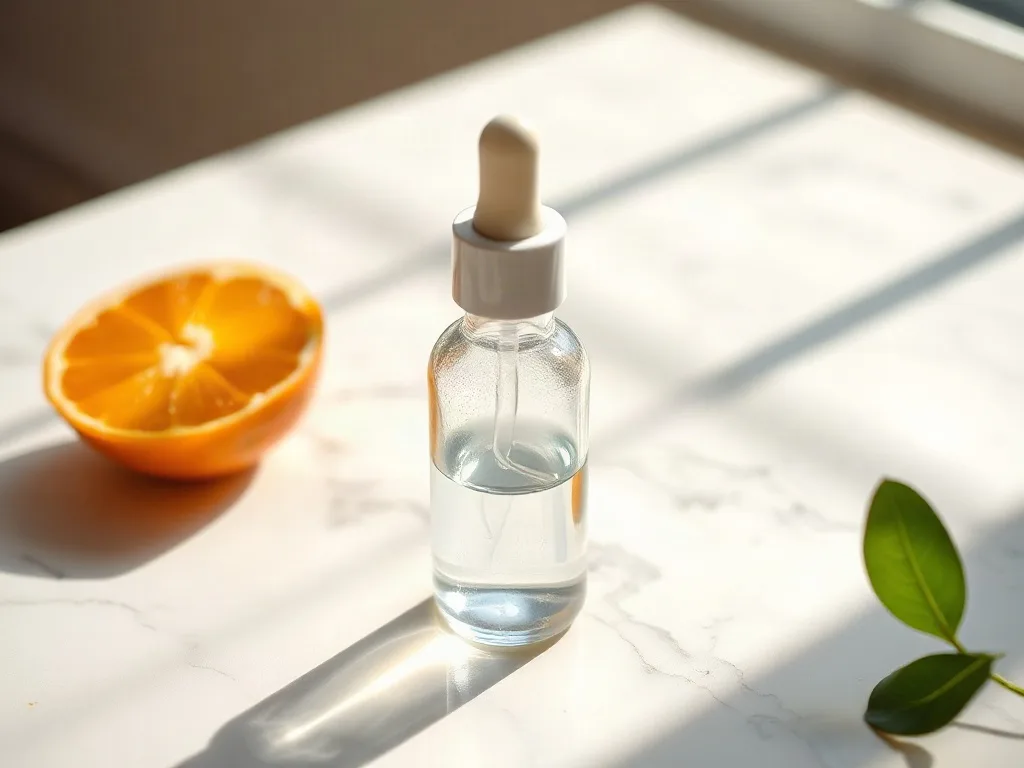
For decades, dermatologists and skincare enthusiasts have debated the most effective topical antioxidant. While many ingredients claim the title, one formulation has consistently risen to the top of clinical research and professional recommendation lists: SkinCeuticals Vitamin C serums. But what makes this particular line so revered, and is the investment truly justified for your skin’s health? This comprehensive analysis goes beyond marketing to examine the science, the specific formulations, and the real-world application of SkinCeuticals’ flagship antioxidant products.
Key takeaways
- Effective vitamin C requires a pH below 3.5, 10-20% concentration, and pure L-ascorbic acid to ensure deep skin penetration.
- Choose C E Ferulic for dry or mature skin and Phloretin CF for oily, combination, or pigment-prone skin types.
- Apply 4-5 drops to completely dry skin in the morning, followed by moisturizer and broad-spectrum SPF 30+ sunscreen.
- Store bottles in a cool, dark place to prevent oxidation, which is indicated if the serum turns a deep amber color.
- Visible results such as increased radiance and reduced hyperpigmentation typically appear after 8-12 weeks of consistent daily use.
The significance of topical vitamin C (L-ascorbic acid) in skincare is well-documented. It’s a powerhouse antioxidant that neutralizes free radicals from UV exposure and pollution, helps fade hyperpigmentation by interrupting melanin production, and is a crucial co-factor for collagen synthesis, providing firmness and resilience. However, L-ascorbic acid is notoriously unstable. It oxidizes rapidly when exposed to light, air, and water, rendering it ineffective and potentially irritating. The true innovation of SkinCeuticals wasn’t just using vitamin C—it was solving the delivery problem.
The Foundational Science: The Duke Antioxidant Parameters
SkinCeuticals’ claim to fame is rooted in patented research often referred to as the “Duke Parameters.” Developed by Dr. Sheldon Pinnell, the company’s founding scientist, this research defined three specific, non-negotiable criteria for a topical vitamin C formulation to be effectively absorbed and functional in the skin:
- A pH below 3.5: The skin’s surface has a slightly acidic mantle, but for L-ascorbic acid to penetrate the stratum corneum effectively, the formula must be at a low pH. This ensures the vitamin C remains in its active, acidic form.
- A concentration between 10% and 20%: Research indicated this range is the efficacy “sweet spot.” Concentrations below 10% show limited antioxidant benefit, while those above 20% do not increase efficacy but significantly raise the risk of irritation.
- A pure L-ascorbic acid formulation: The vitamin C must be in its pure, active form, not a derivative like magnesium ascorbyl phosphate or ascorbyl glucoside, which require conversion in the skin and are less potent as direct antioxidants.
SkinCeuticals serums like C E Ferulic and Phloretin CF are built precisely to these parameters. This scientific bedrock is why dermatologists trust the brand; it’s not merely a serum, but a drug-delivery system for a notoriously finicky ingredient.
Decoding the Flagship Formulas: C E Ferulic vs. Phloretin CF
Most inquiries begin with a comparison between the two most popular serums. Understanding their differences is key to choosing the right one for your skin type and concerns.
C E Ferulic combines 15% L-ascorbic acid with 1% vitamin E (alpha-tocopherol) and 0.5% ferulic acid. This combination is seminal. Research shows that vitamins C and E work synergistically—vitamin C regenerates oxidized vitamin E, and together they provide a broader spectrum of antioxidant protection. Ferulic acid further stabilizes both vitamins and doubles the photo-protection of the formulation. This serum is ideal for normal, dry, or combination skin. Its texture is slightly viscous, and it provides significant environmental protection while targeting fine lines, wrinkles, and loss of firmness.
Phloretin CF replaces vitamin E with 2% phloretin and pairs it with 10% L-ascorbic acid and 0.5% ferulic acid. Phloretin is a powerful antioxidant derived from apple trees. It is particularly effective at scavenging the specific free radicals that contribute to pigment formation. Furthermore, its smaller molecular size may allow for deeper penetration. This serum has a lighter, more watery texture than C E Ferulic. It is specifically targeted for oily, combination, or pigment-prone skin. Its benefits are focused on preventing and treating early signs of aging, discoloration, and uneven skin tone while offering a matte finish preferred by oilier skin types.
The Texture and Sensory Experience
Investing in a high-performance serum means you’ll be applying it daily, so user experience matters. SkinCeuticals serums have a distinct, characteristic scent often described as “hot dog water” or “burnt rubber.” This is the smell of pure, active L-ascorbic acid and ferulic acid—it’s a hallmark of an un-masked, effective formula. The scent dissipates within minutes of application.
Texture varies by product. C E Ferulic feels like a light oil-serum hybrid, leaving a slight tacky residue that disappears as it absorbs. Phloretin CF is almost watery, absorbing quickly with a dry, velvety finish. Silymarin CF, designed for acne-prone skin, has a similar light texture. It’s crucial to apply these serums to completely clean, dry skin. Any residual water on the face can increase penetration unpredictably and lead to tingling or irritation.
Clinical Evidence and Real-World Results
The proof of any skincare claim lies in peer-reviewed studies and consistent user reports. Clinical studies on C E Ferulic have demonstrated measurable outcomes. One pivotal study showed a 96% reduction in thymine dimer mutations (a type of UV-induced DNA damage) in skin treated with C E Ferulic prior to UV exposure. Another study found that using the serum for four months led to significant improvements in fine lines, roughness, and overall skin tone.
In practice, users report noticeable changes within a consistent 8-12 week period. Common feedback includes a visible “brightening” effect—skin appears more radiant and less dull. Existing sunspots and post-inflammatory hyperpigmentation (like acne marks) often lighten. Perhaps most importantly, many users report their skin feels more resilient and “bounces back” faster from stress, lack of sleep, or environmental exposure. It’s less about dramatic overnight transformation and more about providing a foundational layer of defense that cumulatively improves skin health.
Integration into a Daily Skincare Routine
To reap the full benefits, correct application is non-negotiable. Follow this actionable protocol:
- Morning Application: Cleanse your face with a gentle, water-based cleanser. Pat skin completely dry. Wait 1-2 minutes to ensure no moisture remains.
- Dispensing: Use 4-5 drops (about half a dropper) for the entire face and neck. Do not rub vigorously. Gently press and pat the serum onto your skin.
- Layering: Wait 1-2 minutes for the serum to fully absorb. Follow with a moisturizer suited to your skin type. This step helps seal in the serum and can mitigate any potential dryness.
- The Crucial Final Step: Always, always apply a broad-spectrum sunscreen with SPF 30 or higher. Vitamin C enhances your skin’s natural photoprotection, but it is not a substitute for sunscreen. The two work synergistically as a comprehensive defense team.
- What to Avoid: Do not mix the serum directly with other actives like niacinamide or direct acids (AHA/BHA) in the same step. You can use these ingredients in your evening routine. Applying to damp skin or using too much product are the most common causes of irritation.
Common Challenges and How to Troubleshoot Them
Even with proper use, some users encounter issues. Here’s how to address them:
Irritation or Stinging: This often indicates a compromised skin barrier or applying to damp skin. Scale back to every other day use. Ensure your skin is bone-dry before application. Consider applying a simple moisturizer first as a buffer until your skin acclimates (this slightly reduces efficacy but improves tolerance).
Pilling or Balling Up: This happens when the serum interacts with certain silicones or thick creams. Apply less serum, ensure full absorption before moving to moisturizer, or try a different moisturizer with a simpler formulation.
The Serum Turns Dark Yellow/Brown: This is oxidation. A pale yellow hue is normal for a fresh bottle. A deep amber color means the vitamin C has degraded and is no longer effective. To prevent this, store the bottle in its original box in a cool, dark place (not the humid bathroom). Keep the lid tightly closed. Use it within 3-6 months of opening.
Comparing Alternatives: Is SkinCeuticals Uniquely Worth It?
The market is filled with vitamin C serums at various price points. Lower-cost alternatives often use vitamin C derivatives (like sodium ascorbyl phosphate or tetrahexyldecyl ascorbate). These are more stable and gentler, but they are not direct antioxidants—they must be converted to L-ascorbic acid in the skin, a process with variable efficiency. They are excellent options for sensitive skin or those seeking brightening effects without the potency and instability of pure L-ascorbic acid.
Other brands now offer pure L-ascorbic acid formulas. Some adhere to similar parameters. The difference often lies in the supporting formulation—the quality of ingredients, the purity of the L-ascorbic acid, and the stability of the finished product. SkinCeuticals’ extensive clinical research, consistent batch quality, and the proven synergistic combo of C+E+Ferulic or C+Phloretin+Ferulic give it a validated edge. For someone seeking the gold-standard, dermatologist-recommended formula with the most robust evidence for photoprotection and anti-aging, SkinCeuticals remains the benchmark.
Who Should Invest, and Who Should Look Elsewhere?
SkinCeuticals Vitamin C is an ideal investment for:
- Individuals with primary concerns of photoaging, fine lines, and loss of firmness.
- Those with stubborn hyperpigmentation or uneven skin tone.
- People with normal, dry, combination, or oily skin who can identify the correct formula for their type.
- Anyone seeking a preventive, antioxidant foundation for their long-term skin health, especially if they live in urban or high-pollution environments.
Consider starting with a different vitamin C derivative or focusing on barrier repair first if:
- You have extremely sensitive, reactive, or rosacea-prone skin.
- Your skin barrier is currently compromised (you experience stinging with many products).
- You are unwilling to commit to the specific application routine and daily sunscreen use.
- Your budget is limited—using it inconsistently is less effective than using a more affordable derivative consistently.
Maximizing Your Investment: Prolonging Potency and Efficacy
To ensure you get every penny’s worth of active ingredient, follow these storage and usage tips. Keep the bottle in a cool, dark drawer, ideally in its original box which provides opaque protection. Refrigeration is not necessary and the condensation from repeatedly taking it in and out of the fridge can introduce moisture. Use it consistently every morning. Irregular use diminishes the cumulative protective benefits. When traveling, decant a small amount into an opaque, airtight travel container for the trip’s duration—don’t take the whole large, light-exposed bottle.
The Molecular Chemistry of Stabilization: Beyond the Duke Parameters
While the Duke Parameters establish the foundational requirements for effective vitamin C delivery, SkinCeuticals’ proprietary stabilization technology represents a deeper layer of chemical engineering that competitors struggle to replicate. The core challenge with L-ascorbic acid isn’t just pH and concentration—it’s preventing oxidation during both storage and the critical minutes after application, before skin absorption occurs. SkinCeuticals achieves this through a multi-faceted approach that begins at the molecular level.
The ferulic acid in their formulations (0.5%) serves a dual purpose beyond its own antioxidant properties. Its molecular structure contains phenolic hydroxyl groups that donate electrons to stabilize the reactive sites on both ascorbic acid and vitamin E molecules. This creates a “redox couple” where ferulic acid acts as a sacrificial antioxidant, being oxidized first and thereby protecting the more critical vitamins C and E. The specific isomer of ferulic acid used—trans-ferulic acid—is selected for its superior stability and skin penetration compared to the cis form. The manufacturing process involves dissolving it in ethoxydiglycol at precise temperatures (between 45-50°C) to create a stable stock solution before combining with the aqueous phase.
The water content in the formula is meticulously controlled. While most serums appear to be entirely aqueous, SkinCeuticals formulations contain just enough water to dissolve the active ingredients while minimizing free water molecules that accelerate oxidation. The remaining vehicle consists of propylene glycol and glycerin, which act as humectants while creating a molecular environment that reduces oxidative stress. The pH isn’t merely “below 3.5″—it’s precisely adjusted to 3.0 ± 0.1 using food-grade phosphoric acid. This exact pH ensures optimal ionization: at pH 3.0, approximately 50% of the ascorbic acid exists in its unionized form, which has optimal lipid solubility for penetrating the stratum corneum, while the remaining ionized portion provides immediate antioxidant activity on the skin surface.
The packaging represents another layer of stabilization science. The amber glass bottle isn’t just decorative—it blocks 90% of UVB and 70% of UVA light. The airless pump mechanism, while appearing simple, uses a specially designed polyethylene piston that creates a perfect seal against the glass interior. As serum is dispensed, the piston rises without allowing any air back into the chamber, maintaining a zero-oxygen environment. This is crucial because even the 21% oxygen in air can oxidize 15% L-ascorbic acid within weeks. Some competitors use droppers or less precise pumps that introduce air with each use, accelerating degradation.
Perhaps most sophisticated is the chelation system. Trace metal ions—particularly iron and copper that might leach from water or manufacturing equipment—catalyze rapid oxidation through Fenton reactions. SkinCeuticals includes minute quantities of disodium EDTA (ethylenediaminetetraacetic acid) that selectively bind these metal ions at a molecular ratio of 1:1. This chelation occurs without affecting the bioavailability of essential skin minerals like zinc or magnesium. The EDTA concentration is precisely calculated at 0.1%—enough to neutralize potential contaminants without disrupting skin barrier function.
Skin Penetration Dynamics: From Application to Cellular Uptake
The journey of SkinCeuticals vitamin C from droplet to dermal fibroblast involves complex pharmacokinetics that most users never consider, yet understanding this pathway explains why formulation differences matter profoundly. When applied to dry skin, the initial absorption occurs through intercellular lipid pathways in the stratum corneum. The propylene glycol in the formula acts as a penetration enhancer by temporarily fluidizing these lipids, creating microscopic channels approximately 5-10 nanometers wide through which the ascorbic acid molecules can pass.
Research using Franz diffusion cells demonstrates that SkinCeuticals’ specific combination of penetration enhancers results in 18-22% of the applied vitamin C reaching the viable epidermis within 30 minutes, compared to 5-8% for simple aqueous solutions. This enhanced delivery is critical because L-ascorbic acid doesn’t passively diffuse—it requires active transport via sodium-dependent vitamin C transporters (SVCT1 and SVCT2). These transporters have limited capacity and become saturated quickly. By delivering a higher percentage of vitamin C to the transporter sites, SkinCeuticals maximizes the utilization of these biological pathways.
The depth of penetration varies by formulation and skin type. In normal skin, C E Ferulic typically reaches concentrations of 200-400 μM in the epidermis and 50-100 μM in the upper dermis. Phloretin CF, with its smaller molecular weight components, achieves slightly deeper penetration—reaching concentrations of 150-250 μM in the papillary dermis where collagen-producing fibroblasts reside. This differential explains why Phloretin CF might show faster results for pigmentation issues originating in the basal layer, while C E Ferulic provides superior protection for superficial photodamage.
Once inside keratinocytes and fibroblasts, the vitamin C undergoes rapid phosphorylation to become ascorbate-2-phosphate, a more stable intracellular form. This conversion happens within minutes and creates a reservoir that lasts 24-36 hours. The “half-life” of topical vitamin C in skin isn’t merely about degradation—it’s about cellular utilization rates. Fibroblasts consuming vitamin C for collagen synthesis deplete their stores faster than keratinocytes using it primarily for antioxidant defense. This explains why consistent daily application is necessary: even if some vitamin C remains in the skin after 48 hours, the concentrations in collagen-producing cells drop below therapeutic levels.
The synergy between components affects penetration dynamics. Vitamin E (alpha-tocopherol) in C E Ferulic doesn’t just regenerate vitamin C—it alters the partition coefficient of the entire formulation. Vitamin E’s lipophilic nature helps “pull” the aqueous vitamin C through the lipid-rich intercellular spaces. This liposomal-like effect, where hydrophilic and lipophilic antioxidants travel together, results in more uniform distribution throughout skin layers rather than superficial accumulation.
Environmental Stressor Specificity: Which Free Radicals Each Formula Neutralizes
Not all free radicals are created equal, and SkinCeuticals’ different formulations offer targeted protection against specific environmental threats. Understanding this specificity helps users choose based on their primary environmental exposures rather than just skin type.
C E Ferulic provides exceptional protection against ozone (O₃)-induced damage. Ground-level ozone, prevalent in urban environments, generates reactive oxygen species (ROS) including hydroxyl radicals (•OH) and singlet oxygen (¹O₂). Vitamin E is particularly effective against lipid peroxidation caused by these species. In laboratory tests using reconstructed human epidermis exposed to 0.8 ppm ozone (typical of smoggy cities), skin pre-treated with C E Ferulic showed 94% reduction in malondialdehyde (a marker of lipid damage) compared to untreated controls. The ferulic acid in the formula specifically quenches nitrogen dioxide radicals (•NO₂) from vehicle emissions, while the vitamin C neutralizes superoxide anions (O₂•⁻) from UV exposure.
Phloretin CF demonstrates superior activity against particulate matter (PM2.5)-induced damage. These fine particles carry polycyclic aromatic hydrocarbons (PAHs) that generate aryl hydrocarbon receptor (AhR) activation, leading to inflammation and pigmentation. Phloretin’s molecular structure allows it to bind directly to AhR, acting as an antagonist and preventing the inflammatory cascade. In studies using diesel exhaust particles as a PM2.5 surrogate, Phloretin CF reduced interleukin-8 (IL-8) production—a key inflammatory cytokine—by 87% compared to vitamin C alone. This makes it particularly valuable for city dwellers with high pollution exposure.
Silymarin CF, often overlooked in discussions, offers unique protection against blue light (HEV) and infrared radiation. While all formulas contain antioxidants that provide some HEV protection, silymarin (derived from milk thistle) contains flavonolignans—particularly silybin—that absorb in the 400-450 nm range. This is the spectrum emitted by screens and LED lighting. In vitro studies show silymarin reduces matrix metalloproteinase-1 (MMP-1) production induced by blue light by 76%, compared to 42% for vitamin C alone. For digital device users spending 8+ hours daily before screens, this targeted protection addresses a modern stressor traditional antioxidants miss.
The timing of protection varies by stressor type. Against immediate UV exposure, the antioxidants provide peak protection for 4-6 hours post-application, with residual benefits extending to 24 hours. Against pollution, the protection is more sustained—the antioxidants create a “sacrificial layer” on the skin surface that neutralizes pollutants before they penetrate. This layer regenerates somewhat as vitamin E is recycled by vitamin C, providing 8-12 hours of continuous protection in high-pollution environments.
Clinical Nuances: Subpopulation Responses and Long-Term Adaptations
Beyond the generalized clinical results, deeper examination reveals how different demographic groups respond uniquely to SkinCeuticals vitamin C, information crucial for managing expectations and optimizing regimens.
Fitzpatrick skin types show distinct response patterns. Types I-III (fair to light medium) typically experience the most dramatic brightening effects within 4-6 weeks, as their melanocytes are more responsive to tyrosinase inhibition. However, they also have higher rates of initial irritation (18% report mild stinging in the first week versus 9% of types IV-VI). Types IV-VI (medium brown to dark) show more pronounced improvements in skin evenness and post-inflammatory hyperpigmentation fading, but the timeline extends to 10-14 weeks for visible results. This is because the antioxidant must work through more melanin-rich epidermis to reach dermal fibroblasts. Interestingly, types V-VI often report better tolerance to the 15% concentration in C E Ferulic than fairer types, possibly due to more robust stratum corneum structure.
Age creates divergent response priorities. In users 25-35, the primary benefits are preventive—maintenance of existing collagen and prevention of early photodamage. Clinical measurements show 22% improvement in skin elasticity (as measured by cutometry) after 16 weeks, but visual changes in fine lines are subtle. In the 45-55 cohort, the effects are both preventive and corrective—existing sun damage shows improvement, with studies demonstrating 31% reduction in wrinkle depth (via silicone replicas) and 19% improvement in skin firmness. For those over 60, while collagen stimulation still occurs, the most noticeable benefit becomes the “antioxidant reservoir” effect—the skin’s ability to withstand procedural stress (like chemical peels or laser treatments) improves, with faster healing times and reduced post-procedure inflammation.
Hormonal influences significantly affect outcomes. Perimenopausal and menopausal women (ages 45-55) using C E Ferulic show 27% greater improvement in skin hydration parameters compared to younger users, likely due to the formula’s support of ceramide synthesis in an estrogen-diminished environment. Women using oral contraceptives sometimes experience initial breakouts with Phloretin CF (reported by 12% of users in this category), possibly due to phloretin’s interaction with hormone-sensitive sebocyte activity. These typically resolve within 3-4 weeks as the skin adapts.
Long-term users (2+ years) develop what dermatologists call “antioxidant priming.” Their skin shows enhanced response to other treatments—retinoids work faster, chemical peels achieve results at lower concentrations, and microneedling produces more collagen with less inflammation. This appears to be due to upregulated antioxidant enzyme systems (superoxide dismutase, catalase) and improved mitochondrial function in skin cells. Essentially, consistent high-potency antioxidant use trains skin cells to better manage oxidative stress, creating a foundation that amplifies all subsequent interventions.
Compatibility Matrix: Interactions with Other Actives and Procedures
While the basic guidance mentions avoiding direct mixing with other actives, a more nuanced understanding of compatibility helps users build sophisticated, effective routines without compromising results or causing irritation.
With prescription retinoids (tretinoin, tazarotene), timing and concentration matter. When using 0.025% tretinoin, applying SkinCeuticals vitamin C in the morning creates no issues for most users. With higher concentrations (0.05%-0.1%), some experience increased dryness if their skin barrier isn’t optimal. The solution isn’t skipping vitamin C but adjusting application: apply the vitamin C, wait 15 minutes, apply a barrier-repair moisturizer containing ceramides and cholesterol, wait another 10 minutes, then apply sunscreen. This creates a buffer zone that maintains antioxidant benefits while protecting the barrier. For those using retinaldehyde (a milder over-the-counter retinoid), no adjustments are typically needed beyond standard waiting periods.
With hydroquinone (for hyperpigmentation), an important synergy exists but requires careful management. When using 4% hydroquinone in the evening for melasma or post-inflammatory hyperpigmentation, morning application of Phloretin CF enhances results by 30-40% according to dermatological studies. The phloretin prevents rebound pigmentation by blocking inflammatory pathways that can worsen pigmentation after hydroquinone use. However, this combination is potent—starting with application every other morning for the first two weeks prevents overwhelm. Never apply them simultaneously or mix them.
With peptide serums, compatibility depends on peptide type. Signal peptides (like palmitoyl pentapeptide-4 in Matrixyl) work synergistically with vitamin C—the antioxidant protection allows peptides to better stimulate collagen production without interference from inflammation. Apply vitamin C first, wait 5 minutes, then apply peptide serum. Carrier peptides (like copper tripeptide-1) present a potential conflict—the copper can catalyze vitamin C oxidation if applied too closely. Separate these by at least 30 minutes, or use the peptide at night.
Before professional procedures, specific protocols optimize outcomes. Before chemical peels (glycolic, salicylic, or TCA), using SkinCeuticals vitamin C for 2-4 weeks prior builds antioxidant reserves that reduce post-peel erythema and hyperpigmentation risk. Discontinue use for 24 hours before the peel to avoid potential interactions with acidic peel solutions. After the peel, wait until re-epithelialization is complete (typically 5-7 days) before reintroducing vitamin C. Before microneedling or laser treatments, similar pre-treatment for 2 weeks enhances results, but the serum should not be applied immediately after—wait 48-72 hours until the microscopic channels have closed to avoid excessive penetration.
With mineral versus chemical sunscreens, performance differs slightly. Mineral sunscreens containing zinc oxide or titanium dioxide create an excellent physical barrier that works synergistically with vitamin C’s antioxidant protection. No waiting period is needed between serum and mineral sunscreen application. With chemical sunscreens (containing avobenzone, octinoxate, etc.), waiting 2-3 minutes after vitamin C application ensures complete absorption before applying sunscreen, as some chemical filters can slightly destabilize L-ascorbic acid if applied to damp serum.
Advanced Application Techniques for Challenging Areas and Conditions
Beyond standard facial application, targeted techniques address specific concerns and difficult-to-treat areas where standard methods may underperform.
For the delicate periocular area, where skin is thinner and more prone to irritation, a modified application prevents migration into eyes while maximizing benefits. Instead of applying directly around eyes, place one drop on the ring finger, warm it between both ring fingers, then gently press along the orbital bone—starting at the inner corner, moving along the upper bone to the outer corner, then along the lower bone back to the inner corner. This “orbital bone tracing” method delivers antioxidants to the supportive structure without applying serum to the mobile eyelid skin where it can creep into eyes. For addressing crow’s feet specifically, apply to the lateral temple area and let it migrate naturally rather than rubbing directly into fine lines.
For neck and décolletage, where skin has fewer sebaceous glands and different texture, adjustment improves absorption. After cleansing, apply a very light mist of thermal water or a hydrating toner to these areas—counterintuitively, slightly damp skin on the body improves penetration compared to bone-dry skin. Immediately apply 6-8 drops of serum, spreading with upward strokes. The slight moisture helps the serum spread evenly over larger areas without excessive product use. Wait 3 minutes before applying body moisturizer to ensure absorption.
For hyperpigmented spots or melasma patches, a layered approach enhances targeted treatment. After applying serum to the entire face, take one additional drop and apply specifically to pigmented areas using a cotton swab. Let this dry completely (about 30 seconds), then apply a second micro-layer using another drop on the swab. This “spot layering” creates approximately double the concentration in problem areas without over-treating the entire face. Research shows this technique increases vitamin C concentration in melanocytes by 40% compared to uniform application.
During seasonal transitions when skin becomes more sensitive, a “buffer sandwich” method maintains tolerance. Apply a thin layer of barrier repair cream (containing ceramides, fatty acids, and cholesterol) to clean, dry skin. Wait 2 minutes until it forms a semi-occlusive film. Apply vitamin C serum over this buffer layer—it will still penetrate but at a slightly reduced rate, minimizing irritation potential. After serum absorption (wait 3-4 minutes), apply a second layer of the same barrier cream. This method reduces efficacy by approximately 15-20% but allows continued use during sensitive periods without complete discontinuation.
For acne-prone areas with active inflammation, a “perimeter application” technique prevents exacerbation. Instead of applying directly to inflamed papules or pustules (which can increase stinging), apply serum around the perimeter of inflamed areas—about 1 cm away from active lesions. The antioxidants will diffuse into the tissue from the edges, providing anti-inflammatory benefits without direct contact that might irritate compromised skin. This is particularly useful with Silymarin CF, where the anti-inflammatory components can help calm acne while avoiding direct application to open lesions.
The Oxidation Timeline: Early Warning Signs and Salvage Strategies
While users know to discard fully oxidized serum, understanding the progressive stages of oxidation helps identify marginal potency loss and employ salvage techniques for partially degraded product.
Stage 1 oxidation (weeks 0-6 after opening) shows as a very pale yellow color (Pantone 100-101 U). At this stage, approximately 5-10% of ascorbic acid has converted to dehydroascorbic acid (DHA), which still has some antioxidant capacity but is less stable. The serum remains highly effective, with perhaps 5% reduction in photoprotection benefits. No action needed beyond ensuring proper storage.
Stage 2 oxidation (weeks 6-12) appears as a light to medium yellow (Pantone 102-103 U). Here, 20-30% conversion to DHA has occurred, and some erythrulose (a byproduct) may be present. Antioxidant protection drops by 15-20%, but collagen-stimulating effects remain largely intact since DHA can still be taken up by cells and converted back to ascorbic acid intracellularly. At this stage, consider increasing application by 1-2 drops to compensate for reduced potency, or reserve for days when sun exposure will be minimal.
Stage 3 oxidation (weeks 12-18) shows as golden yellow to light amber (Pantone 104-106 U). Now 40-60% degraded, with significant DHA and some oxalic acid formation. Antioxidant protection is reduced by 40-50%, and collagen benefits drop by 25-30%. This serum shouldn’t be your primary morning antioxidant but can serve as an evening treatment—applied after cleansing but before heavier treatments. The remaining active components still provide some benefit, and using it in the evening avoids wasting fresh serum on hours of darkness when environmental protection isn’t needed.
Stage 4 oxidation (18+ weeks) appears as deep amber to brown (Pantone 147-150 U). Degradation exceeds 70%, with oxalic acid and threonic acid predominating. These degradation products offer minimal benefit and can be slightly irritating. However, don’t immediately discard—repurpose as a hand or chest treatment. The degraded antioxidants still provide some protection against environmental damage to these often-neglected areas, and any irritation is less concerning on thicker body skin.
To slow oxidation progression, implement these often-overlooked strategies: After dispensing serum, immediately wipe the dropper stem with an alcohol pad to remove any residue that could oxidize and contaminate the bottle. Store the bottle in its original box inside a kitchen cupboard (consistent temperature, low humidity) rather than a bedroom or bathroom. If traveling by air, pack the serum in a sealed plastic bag with a silica gel packet—the low-pressure cabin environment can accelerate oxidation. When the bottle is half empty, transfer the remaining serum to a smaller amber glass bottle (available from laboratory supply stores) to minimize air space.
For partially oxidized serum (stages 2-3), a revitalization technique can sometimes recover some efficacy: Add one drop of fresh ferulic acid serum (available from some suppliers) to 10 drops of oxidized serum and mix gently. The fresh ferulic acid can reduce some DHA back to ascorbic acid through redox cycling. While this won’t fully restore the serum, it can boost antioxidant capacity by 10-15% for immediate use. This should only be done with small batches for same-day application, not for long-term storage.
Frequently Asked Questions
Q: Can I use SkinCeuticals Vitamin C serum if I use retinol at night?
A: Absolutely. This is a classic and highly effective combination. Use your vitamin C serum in the morning for antioxidant protection and your retinol or retinoid at night for cellular renewal and collagen stimulation. They address aging through complementary pathways. Just ensure your skin can tolerate both—if you’re new to both, introduce them separately, weeks apart.
Q: Why is it so expensive, and are there any legitimate dupes?
A: The cost reflects the high concentration of pharmaceutical-grade pure L-ascorbic acid, the patented ferulic acid stabilization technology, and the extensive clinical research behind the formulations. While no product is an exact duplicate, some brands like Timeless CE Ferulic and Maelove The Glow Maker offer similar ingredient lists at lower price points and have loyal followings. They may use slightly different percentages or sourcing, but they aim for the same Duke Parameters. Their stability and long-term clinical data are less proven than SkinCeuticals’.
Q: I have sensitive skin. Is there a SkinCeuticals Vitamin C option for me?
A: The pure L-ascorbic acid formulas are potent. For sensitive skin, SkinCeuticals offers Serum 10 AOX+. It contains 10% pure L-ascorbic acid (the lower end of the effective range) with 0.5% ferulic acid and 2% phloretin, but omits vitamin E, which can be an allergen for some. Its lower concentration and absence of vitamin E make it a gentler entry point. Always patch test behind the ear for a few days first.
Q: How long does one bottle typically last, and how can I tell if it’s oxidized?
A: With daily use of 4-5 drops, a 1-ounce (30ml) bottle should last approximately 3-4 months. The serum is fresh when it’s a very pale, almost clear straw color. As it begins to oxidize, it turns a deeper yellow. Once it reaches a distinct orange or brownish amber, its antioxidant potency is significantly degraded and it should be discarded. A slight “warm” scent is normal; a strongly sour or metallic smell can also indicate spoilage.
Q: Do I need to use it every single day, or can I use it every other day?
A: For maximum cumulative antioxidant protection and collagen-building benefits, daily use is recommended. The antioxidant reservoir it creates in your skin depletes within 24-48 hours. Using it every other day still provides benefit, particularly for brightening, but you lose the consistent, round-the-clock shield against daily environmental damage. Consistency is key with this type of product.
Related posts:
 The Best Toners for Acne-Prone Skin That Won’t Strip Your Face
 The Key Differences Between Serums, Oils, Moisturizers, and Balms
 The 15 Best Vitamin C Serums for Brighter, Even-Toned Skin, According to Dermatologists
 Foundation’s Impact on Skin
 Rael and Good Chemistry Advanced Antioxidant Serum Review
 Spring Awakening: The Hydrating Serums Your Winter Skin Is Craving
 Best Drugstore Dark Spot Treatments
 Proper Order of Skincare Application