For many of us, the transition from a hectic day to a restful night is not as seamless as it should be. You might find yourself lying awake, your mind racing through tomorrow’s to-do list, or feeling a sense of restlessness in your limbs despite your exhaustion. While sleep hygiene—like dimming the lights and putting away screens—is vital, what we put into our bodies in the hours leading up to sleep plays a profound role in how quickly we drift off and the quality of the rest we achieve.
Nutrition and sleep are deeply intertwined. Certain vitamins, minerals, and amino acids act as the building blocks for the hormones and neurotransmitters that signal to our brain that it is time to wind down. One of the most soothing ways to incorporate these nutrients is through a bedtime smoothie. Unlike a heavy meal, which can keep the digestive system working overtime and disrupt sleep, a well-balanced smoothie provides a gentle infusion of sleep-promoting compounds that can calm the nervous system and prepare the body for deep restoration.
The Science of Sleep Nutrition: How Food Affects Rest
To understand why a specific smoothie recipe can boost sleep, we first need to look at the biochemical processes of the brain. The primary hormone responsible for regulating our sleep-wake cycle is melatonin. Produced by the pineal gland, melatonin signals to the body that it is nighttime. However, the body doesn’t create melatonin out of thin air; it requires specific precursors.
Tryptophan, an essential amino acid, is the starting point. Tryptophan is converted into serotonin (the “feel-good” hormone), which is then converted into melatonin. Many of the ingredients in a sleep-boosting smoothie are rich in tryptophan or the co-factors needed for this conversion, such as Vitamin B6 and magnesium. Magnesium, in particular, is often called the “relaxation mineral.” It helps regulate neurotransmitters that quiet the mind and helps muscles relax by blocking calcium from overstimulating nerve cells.
Additionally, blood sugar stability is crucial. If your blood sugar drops too low during the night (nocturnal hypoglycemia), your body may release cortisol—the stress hormone—to trigger a glucose release. This can cause you to wake up suddenly in the middle of the night or experience fragmented sleep. A smoothie combining a healthy fat, a fiber-rich fruit, and a protein source helps maintain a steady glucose level, ensuring a smoother transition through the various stages of sleep.
The Ultimate Sleep-Boosting Bedtime Smoothie Recipe
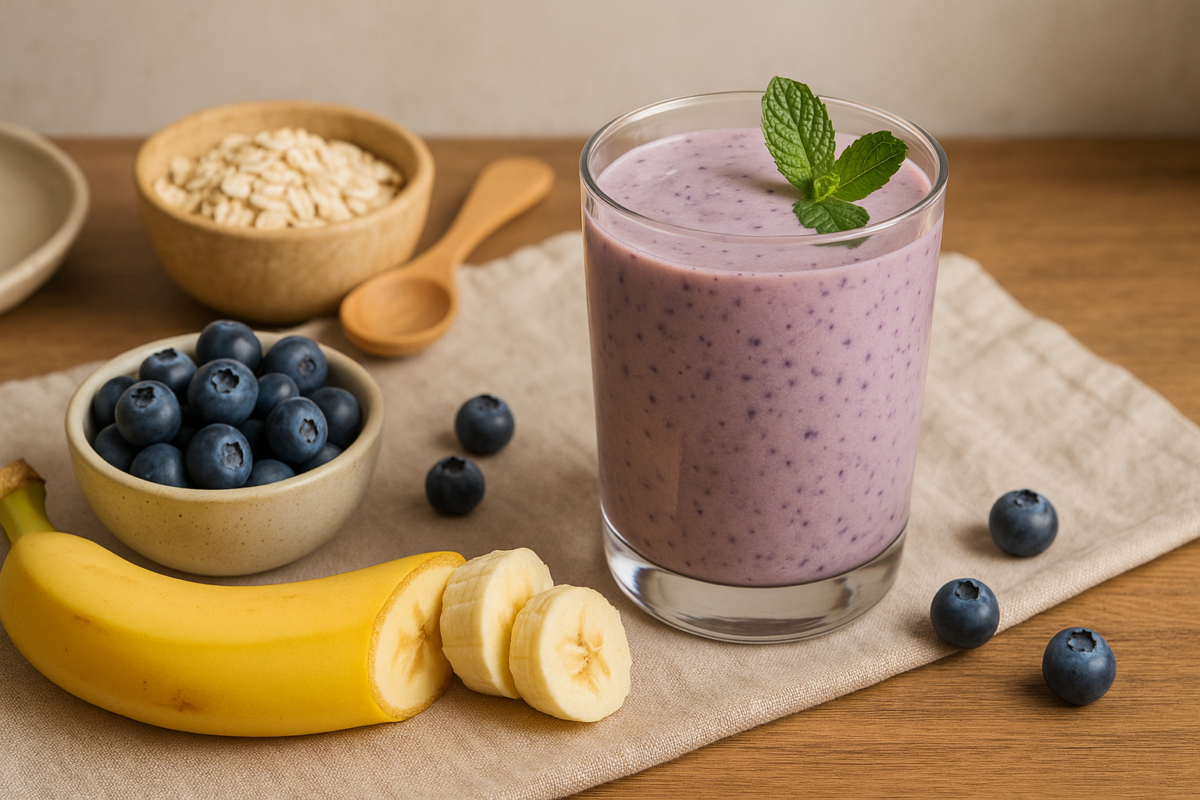
This recipe is designed to be a nutrient powerhouse, combining natural sources of melatonin, magnesium, and potassium to create a calming effect on both the body and mind. It is creamy, naturally sweet, and gentle on the stomach.
Ingredients
- 1 cup unsweetened almond milk: A great base rich in magnesium and low in sugar.
- 1/2 cup frozen tart cherries: One of the few natural food sources of melatonin.
- 1/2 frozen banana: Provides potassium and Vitamin B6, both essential for muscle relaxation and serotonin production.
- 1 tablespoon almond butter: Adds healthy fats and additional magnesium to keep blood sugar stable.
- 1 handful of baby spinach: A subtle addition that provides folate and magnesium without altering the taste.
- 1/4 teaspoon ground cinnamon: Helps regulate blood sugar levels and adds a warm, comforting flavor.
- Optional: 1 teaspoon chia seeds: For a boost of Omega-3 fatty acids, which support overall brain health and mood regulation.
Step-by-Step Instructions
- Prepare your blender: Pour the unsweetened almond milk into the blender first. Adding the liquid first ensures a smoother blend and prevents ingredients from getting stuck at the bottom.
- Add the produce: Add the frozen tart cherries, frozen banana, and baby spinach. Using frozen fruit eliminates the need for ice, which can dilute the flavor and texture.
- Incorporate the boosters: Spoon in the almond butter and sprinkle in the ground cinnamon and chia seeds.
- Blend until smooth: Start the blender on a low setting and gradually increase to high. Blend for about 45-60 seconds until the mixture is completely creamy and the spinach is fully integrated.
- Serve and sip: Pour the smoothie into a glass. For the best experience, sip it slowly while away from electronic devices to begin your mental wind-down process.
Deep Dive: Why These Ingredients Work
Every component of this smoothie serves a specific physiological purpose. When we choose ingredients intentionally, we move from simply “eating” to “nourishing” our sleep cycle.
Tart Cherries: Unlike sweet cherries, tart cherries (specifically Montmorency cherries) have been shown in studies to increase exogenous melatonin levels. This helps regulate the circadian rhythm, making it easier to fall asleep and potentially increasing total sleep time.
Bananas: Bananas are a triple threat for sleep. They provide potassium, which prevents nighttime muscle cramps; magnesium, which relaxes the nervous system; and Vitamin B6, which is a necessary co-factor for the synthesis of serotonin and melatonin.
Almond Milk and Almond Butter: Almonds are one of the best plant-based sources of magnesium. By using both the milk and the butter, you ensure a significant dose of this mineral. The healthy monounsaturated fats in almond butter also slow the absorption of the fruit sugars, preventing a spike and subsequent crash in insulin.
Spinach: While it may seem unusual in a bedtime drink, spinach is dense in magnesium and calcium. Calcium helps the brain use the tryptophan found in other foods to manufacture melatonin. Because it is blended with cherries and banana, the taste of the spinach is completely masked.
Cinnamon: Cinnamon is not just for flavor. It helps improve insulin sensitivity, which means your body can more efficiently manage the natural sugars in the fruit, keeping your energy levels stable throughout the night.
Customizing Your Smoothie for Different Needs
Nutrition is not one-size-fits-all. Depending on your dietary restrictions or flavor preferences, you can easily swap ingredients while maintaining the sleep-boosting properties of the drink.
For Nut Allergies
If you cannot consume almonds, replace the almond milk with soy milk or oat milk (ensure they are unsweetened). Replace the almond butter with sunflower seed butter or pumpkin seed butter. Pumpkin seeds are actually higher in tryptophan than almonds, making them an excellent alternative for sleep support.
For Low-Carb or Keto Lifestyles
If you are monitoring your sugar intake closely, swap the banana for 1/4 of an avocado. Avocado provides the same creamy texture and a wealth of potassium and healthy fats without the sugar. You can also replace the tart cherries with a handful of frozen blueberries, which are lower in sugar but still high in antioxidants that reduce oxidative stress in the brain.
For Added Protein
If you find yourself waking up in the night due to hunger, adding a scoop of a clean, unsweetened collagen peptide or a plant-based pea protein powder can help. Protein provides a slow release of amino acids, which keeps you satiated until morning. Avoid whey protein if it causes you digestive bloating, as discomfort is an enemy of deep sleep.
Flavor Variations
If you prefer a different taste profile, try adding a pinch of nutmeg. Nutmeg has mild sedative properties and pairs beautifully with the almond and cinnamon. Alternatively, a drop of pure vanilla extract can enhance the sweetness without adding actual sugar.
The Importance of Timing Your Bedtime Snack
While the ingredients in the smoothie are beneficial, when you consume it is just as important as what is in it. The goal is to provide the body with nutrients without forcing the digestive system to work at full capacity while you are trying to sleep.
The ideal window for a bedtime smoothie is 60 to 90 minutes before you intend to close your eyes. This allows your body to begin the digestion process and allows the blood sugar to stabilize. If you drink a large smoothie and immediately lie down, you may experience acid reflux or indigestion, which can keep you awake or lower the quality of your REM sleep.
It is also important to consider the volume. While a smoothie is lighter than a meal, drinking 32 ounces of liquid right before bed may lead to frequent trips to the bathroom (nocturia), which disrupts the sleep cycle. Keep your portion size to around 8-12 ounces—just enough to satisfy hunger and provide the necessary nutrients without overloading your bladder.
Complementary Bedtime Rituals for Maximum Effect
A smoothie is a powerful tool, but it works best when integrated into a holistic sleep hygiene routine. Nutrition prepares the body, but environment and behavior prepare the mind.
The Digital Detox: The blue light emitted by smartphones and tablets suppresses melatonin production. To maximize the effect of the tart cherries in your smoothie, put away all screens at least an hour before bed. Replace the scrolling with a physical book, journaling, or gentle stretching.
Temperature Control: Your body temperature needs to drop slightly to initiate sleep. A cool room (around 65°F or 18°C) combined with the relaxing effect of the magnesium in your smoothie creates the perfect environment for the brain to shut down.
Mindful Consumption: Instead of drinking your smoothie while multitasking, treat it as a ritual. Focus on the taste, the temperature, and the feeling of relaxation washing over you. This mindful approach signals to your parasympathetic nervous system (the “rest and digest” system) that the day is over and it is safe to let go of stress.
Common Pitfalls to Avoid in Bedtime Nutrition
When creating your own sleep-promoting drinks, it is easy to accidentally add ingredients that actually hinder sleep. To ensure your smoothie is truly “sleep-boosting,” avoid these common mistakes:
Adding Refined Sugars: Avoid adding honey, maple syrup, or agave. While they taste good, a spike in blood sugar can lead to a surge of energy or a midnight crash, both of which interfere with sleep architecture. Rely on the natural sweetness of the banana and cherries.
Using High-Caffeine Additives: Be cautious with “superfood” powders. Some cocoa powders or certain herbal blends can contain trace amounts of stimulants. Stick to pure, single-ingredient additives like cinnamon or chia seeds.
Overdoing the Portion Size: A smoothie should be a bridge to sleep, not a full meal. If you feel overly full, your body will divert energy toward digestion rather than cellular repair and brain detoxification (the glymphatic system), which happens during deep sleep.
Ignoring Hydration Balance: While the smoothie provides hydration, avoid drinking excessive amounts of water immediately after. Balance your fluid intake throughout the day so that your bedtime smoothie is the final significant liquid you consume.
Integrating Nutrition into a Long-Term Sleep Plan
Using a sleep-boosting smoothie is a wonderful way to support your body, but for those struggling with chronic insomnia or sleep apnea, it should be part of a broader strategy. Consistency is the key to regulating the circadian rhythm. Try to consume your bedtime smoothie and go to bed at the same time every night, even on weekends.
Observe how your body responds. You may find that the magnesium in the smoothie reduces your nighttime restlessness, or the tart cherries help you fall asleep 15 minutes faster. Keep a simple sleep diary to track these changes. Over time, your brain will begin to associate the taste and ritual of the smoothie with the act of falling asleep, creating a powerful psychological trigger for rest.
Remember that wellness is a journey of small, compassionate adjustments. If you have a night where you cannot sleep, do not stress over it; simply return to your healthy habits the next evening. By nourishing your body with the right building blocks, you are giving yourself the best possible chance at the restorative sleep you deserve.
Advanced Nutrient Synergies: Beyond the Basics
While the individual benefits of magnesium and melatonin are well-documented, the true power of a sleep-boosting smoothie lies in nutrient synergy—the way certain compounds work together to enhance the absorption and efficacy of others. For instance, the relationship between Vitamin B6, found in bananas, and tryptophan, found in almond butter and chia seeds, is a critical biochemical partnership. Tryptophan cannot efficiently cross the blood-brain barrier to be converted into serotonin and melatonin without the presence of B6. By combining these ingredients, you aren’t just providing the raw materials; you are providing the catalyst that ensures those materials reach their destination.
Furthermore, the inclusion of healthy fats from almond butter and chia seeds serves a dual purpose beyond blood sugar stabilization. Many of the micronutrients essential for neurological health are fat-soluble. The Omega-3 fatty acids in chia seeds help reduce neuroinflammation, which can otherwise keep the brain in a state of hyper-arousal. When the brain is less inflamed, the GABA receptors—the primary inhibitory neurotransmitters that “quiet” the brain—can function more effectively. This creates a synergistic effect where the magnesium relaxes the muscles, the B6 facilitates the hormone conversion, and the Omega-3s lower the noise floor of the nervous system, allowing for a deeper descent into Stage 3 and 4 non-REM sleep.
Another overlooked synergy is the interaction between the antioxidants in tart cherries and the folate in spinach. Folate is essential for the synthesis of neurotransmitters, and when paired with the anthocyanins (the pigments that give cherries their red color), it helps protect the brain from oxidative stress that accumulates during a high-stress workday. This “cellular cleanup” allows the brain to transition from a state of performance and vigilance to a state of recovery and repair more fluidly.
Tailoring the Smoothie for Specific Sleep Disruptors
Not all sleeplessness is created equal. Some people struggle with “tired but wired” anxiety, while others experience physical restlessness or the dreaded 3:00 AM wake-up call. By slightly adjusting the ratios of the base recipe, you can target the specific physiological root of your sleep disruption.
The “Tired but Wired” Profile
If your mind races with anxiety or a lingering sense of stress, the goal is to maximize the GABAergic effect. In this case, increase the proportion of pumpkin seeds or almond butter. Pumpkin seeds are exceptionally high in tryptophan and magnesium. You might also consider adding a pinch of nutmeg; in small culinary amounts, nutmeg contains myristicin, which can have a mild sedative effect on the central nervous system. Focus on a higher ratio of healthy fats to fruit to keep the insulin response very low, as insulin spikes can sometimes trigger a secondary cortisol release in highly stressed individuals.
The Physical Restlessness Profile
For those who experience “restless legs” or general muscle tension, the priority is electrolyte balance. Increase the frozen banana to a full fruit or add a quarter of an avocado to boost the potassium levels. Potassium works in tandem with magnesium to regulate the electrical potential of muscle cells. If you find that your muscles feel “tight” even after a warm bath, adding a pinch of high-quality sea salt to the smoothie can provide trace minerals that improve the conductivity of nerve impulses, helping the body reach a state of total physical surrender.
The “Midnight Waker” Profile
If you fall asleep easily but wake up in the middle of the night and cannot return to sleep, you are likely experiencing a blood sugar dip. To combat this, incorporate a slow-digesting protein such as collagen peptides or a small amount of Greek yogurt (if dairy is tolerated). The addition of a slow-burning fuel source prevents the liver from running out of glycogen, which prevents the brain from triggering a “hunger alarm” via cortisol. Adding extra chia seeds also helps here, as their high fiber content slows the gastric emptying rate, ensuring a steady drip of nutrients into the bloodstream throughout the night.
The Gut-Brain Axis: How Bedtime Nutrition Impacts the Microbiome
The connection between the gut and the brain—the enteric nervous system—is one of the most significant discoveries in modern sleep science. A vast majority of the body’s serotonin is actually produced in the gut, not the brain. Therefore, a smoothie that supports a healthy microbiome is indirectly supporting your ability to sleep. The prebiotic fibers found in bananas and chia seeds act as fuel for beneficial bacteria, which in turn produce short-chain fatty acids (SCFAs) like butyrate.
Butyrate is known to have a protective effect on the blood-brain barrier and can modulate the inflammatory response in the brain. When the gut is inflamed or imbalanced (dysbiosis), it can send signals to the brain that maintain a state of alertness, making it difficult to enter deep sleep. The gentle nature of a blended smoothie—where the cell walls of the spinach and fruit are already broken down—makes these prebiotics more accessible to the gut microbiota without causing the bloating or gas that can occur with heavy raw vegetable salads late at night.
Moreover, the inclusion of almond milk and almond butter provides a soothing coating for the digestive lining. For those with sensitive stomachs, this prevents the “acid churn” that often accompanies late-night snacking. By calming the digestive tract, you shift the body from the sympathetic nervous system (fight or flight) to the parasympathetic nervous system (rest and digest), which is the physiological prerequisite for the onset of sleep.
Sourcing and Preparation Secrets for Maximum Potency
To get the most out of your sleep-boosting smoothie, the quality and form of your ingredients matter. Not all cherries or almond milks are created equal, and some processing methods can strip away the very nutrients you are seeking.
The Montmorency Standard
When shopping for tart cherries, look specifically for the Montmorency variety. This specific cultivar is the gold standard in sleep research due to its higher concentration of exogenous melatonin and anthocyanins compared to standard sweet cherries or other tart varieties. If you cannot find frozen Montmorency cherries, use an unsweetened tart cherry concentrate. Be wary of “cherry-flavored” syrups or juices that list high-fructose corn syrup as a primary ingredient, as the sugar spike will negate the sedative effects of the melatonin.
The Almond Milk Trap
Many commercial almond milks are thickened with carrageenan or gums (like guar gum or xanthan gum) and sweetened with cane sugar. These additives can cause intestinal inflammation in some people, leading to restlessness. To maximize the sleep-boosting potential, choose an “unsweetened” version and check the label for minimal ingredients. If you have the time, making your own almond milk by blending soaked almonds with water and straining them ensures you get the maximum amount of natural magnesium without the processed additives.
The Frozen Advantage
Using frozen fruit isn’t just about texture; it’s about nutrient density. Fruits that are flash-frozen at the peak of ripeness often retain more vitamins than “fresh” produce that has spent days in transport and storage. Furthermore, the cold temperature of the smoothie can actually be refreshing for those who suffer from nighttime hot flashes or overheating, helping to lower the core body temperature slightly, which signals to the brain that it is time to sleep.
Seasonal Adaptations for Year-Round Rest
The needs of your body change with the seasons, and your bedtime ritual should evolve accordingly. A freezing cold smoothie may be perfect in July, but in the depths of January, your body may crave warmth to initiate the relaxation response.
The Winter “Warm-Up” Variation
In colder months, you can transform the smoothie into a “sleep-boosting bowl” or a warm blend. To do this, blend the ingredients as usual, but replace the frozen banana with a room-temperature one and use warmed (not boiling) almond milk. You can also add a pinch of ground ginger or cardamom. Ginger is a natural digestive aid that prevents nighttime indigestion, while cardamom has a calming aroma and taste that complements the cinnamon. If you prefer a bowl, reduce the almond milk and top the mixture with a few whole walnuts—which are another excellent source of melatonin—providing a satisfying crunch that makes the ritual feel more like a comforting dessert.
The Summer “Hydration” Variation
During hot summer nights, dehydration can lead to fragmented sleep and midnight cramps. To adapt the smoothie, replace half of the almond milk with unsweetened coconut water. Coconut water is rich in electrolytes, particularly potassium and sodium, which help regulate fluid balance in the cells. You can also swap the spinach for frozen cucumber chunks; cucumber is highly hydrating and contains silica, which is soothing to the system. This version is lighter and more refreshing, preventing the feeling of “heaviness” that can be uncomfortable when the ambient temperature is high.
Understanding the Glymphatic System and Overnight Detox
One of the most compelling reasons to optimize your bedtime nutrition is to support the glymphatic system. This is the brain’s unique waste-clearance system that becomes highly active during deep sleep. While you sleep, the space between your brain cells increases, allowing cerebrospinal fluid to “wash” away metabolic waste, including amyloid-beta proteins associated with cognitive decline.
The nutrients in the sleep-boosting smoothie directly support this process. The antioxidants from the tart cherries and spinach neutralize free radicals that can interfere with the glymphatic flow. Magnesium helps regulate the vascular tone of the brain’s blood vessels, ensuring that the fluid exchange happens efficiently. When you provide your brain with the right chemical environment—low inflammation, stable glucose, and high antioxidant levels—you are essentially “greasing the wheels” for this overnight detox.
This is why you often wake up feeling “mentally clear” after a night of high-quality sleep and “foggy” after a night of poor sleep. The fogginess is literally the result of metabolic waste that wasn’t properly cleared. By integrating this smoothie into your routine, you aren’t just helping yourself fall asleep; you are optimizing the biological cleaning process that preserves your long-term cognitive health and emotional resilience.
Managing the “Smoothie Paradox”: Balancing Satiety and Digestion
There is a delicate balance to strike when consuming a smoothie before bed: you want to be satiated enough to avoid hunger-induced wakefulness, but not so full that your body diverts all its energy to digestion. This is known as the “smoothie paradox.” Because blending breaks down the fiber and cell walls of the ingredients, the smoothie is absorbed more quickly than whole food, which is generally an advantage for bedtime.
However, the speed of absorption can be a double-edged sword. To manage this, the habit of “mindful sipping” is crucial. Instead of gulping the smoothie in a few minutes, sip it slowly over 20 to 30 minutes. This prevents a rapid surge of glucose and allows the insulin response to remain muted. Furthermore, the act of slow sipping engages the vagus nerve, which tells the brain that the body is in a safe, relaxed state, further enhancing the sedative effects of the ingredients.
If you find that even a small smoothie feels too heavy, you can experiment with “thinning” the recipe. Replace some of the almond butter with a teaspoon of flaxseed oil or a splash more almond milk. The goal is to reach a state of “gentle satiety”—where you no longer feel the distraction of hunger, but your stomach feels light and comfortable. When this balance is achieved, your body can divert its energy away from the gut and toward the deep cellular repair and hormonal regulation that define truly restorative sleep.
Frequently Asked Questions
1. Can I drink this smoothie every night, or will I build a tolerance to the melatonin?
Unlike synthetic melatonin supplements, the melatonin found in tart cherries is in a much lower, food-based dose. It works in harmony with your body’s natural production rather than overriding it. It is generally safe for daily consumption, but as with any dietary change, it is always wise to consult with a healthcare provider if you are taking medication.
2. I don’t have frozen tart cherries; can I use regular sweet cherries?
While sweet cherries contain some melatonin, tart cherries have a significantly higher concentration. If you only have sweet cherries, you can still use them for the antioxidants and vitamins, but the specific sleep-boosting effect may be less pronounced. You can also look for unsweetened tart cherry juice concentrate as a substitute.
3. Is it okay to add protein powder to the smoothie?
Yes, adding a clean protein powder (like collagen or pea protein) can be beneficial, especially if you exercise in the evening or find that you wake up hungry. Just ensure the powder is unsweetened and does not contain caffeine or stimulants like green tea extract.
4. Will the spinach make the smoothie taste like vegetables?
Not at all. When blended with the strong flavors of frozen cherries and banana, the spinach becomes virtually tasteless. It adds a vibrant color and essential minerals without compromising the creamy, fruity flavor of the drink.
5. What if I am lactose intolerant or vegan?
This recipe is naturally vegan and dairy-free as written. The use of almond milk and almond butter ensures that it is safe for those avoiding lactose or animal products. You can further customize the milk base to suit your specific dietary preferences (e.g., coconut milk for a richer taste).
Related posts:
 Smoothie Reality Check: Are Your Healthy Drinks Actually Healthy?
 The Hidden Magnesium Power of Avocados Will Blow Your Mind
 Eating Better for Quality Sleep
 Cherry Benefits You Never Knew
 Why Coffee and Magnesium Are the Power Couple Your Body Needs
 Healthy Frozen Banana Desserts
 Cherries Jubilee: Delightful Recipes Featuring Summer’s Favorite Fruit
 Brain-Boosting Foods