
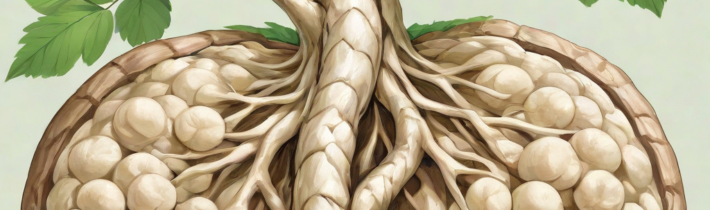
In the world of modern wellness, we are often chasing the latest exotic superfood from distant lands. Yet, some of the most effective digestive aids have been growing in our own backyards for centuries. Slippery Elm (Ulmus rubra), a tree native to North America, has been utilized by Indigenous cultures for generations to soothe irritated tissues and support the digestive tract. Known scientifically for its mucilaginous properties, this bark is becoming an essential tool for those looking to manage digestive discomfort naturally.
Understanding the Mucilage Mechanism
The magic of Slippery Elm lies in its inner bark, which contains a high concentration of mucilage. When this dried bark powder comes into contact with water, it forms a thick, gel-like substance. This substance is not merely a texture; it is a therapeutic barrier. When ingested, this gel coats the lining of the stomach and intestines. This provides a physical shield against acidity and irritation. By soothing the mucous membranes, Slippery Elm helps calm the digestive tract, making it a popular choice for individuals experiencing occasional heartburn, acid reflux, or general gastrointestinal sensitivity.
Supporting Gut Lining Integrity
The health of your digestive system is heavily dependent on the integrity of your gut lining. Chronic inflammation, dietary choices, and stress can compromise this barrier, leading to discomfort. Slippery Elm acts as a demulcent, a substance that relieves inflammation or irritation by forming a protective film. By providing a soothing layer, it allows the digestive tract to function without the constant barrage of irritants. This is particularly beneficial for those who struggle with sensitivity to spicy foods, caffeine, or high-acid meals, as it provides a buffer that supports natural recovery processes.
Natural Relief for Occasional Heartburn
Heartburn occurs when stomach acid travels back up into the esophagus, causing a burning sensation. While antacids are a common quick fix, they often work by neutralizing acid, which can sometimes interfere with the digestion of nutrients. Slippery Elm takes a different approach. Instead of altering your stomach’s chemistry, it coats the esophagus and stomach, providing a physical barrier that prevents acid from causing direct irritation. Many users find that mixing a small amount of Slippery Elm powder into warm water or tea after a meal provides a gentle, effective way to manage post-meal discomfort without the rebound effect sometimes associated with traditional antacids.
Promoting Regularity and Digestive Comfort
Beyond its soothing properties, Slippery Elm can be a helpful ally for bowel regularity. Because it is a source of fiber, it adds bulk to the stool, which helps move waste through the digestive tract more efficiently. However, unlike harsh stimulants that force bowel movements, the mucilage in Slippery Elm softens the stool, making it easier to pass. This dual-action—bulking and softening—makes it a versatile tool for those dealing with occasional constipation or the discomfort associated with irregular bowel habits.
Sustainable Harvesting and Sourcing
As interest in Slippery Elm grows, so does the need for ethical sourcing. Because the medicinal bark is harvested from the inner lining of the tree, improper harvesting can kill the tree. It is crucial for consumers to purchase from brands that prioritize sustainable harvesting methods, such as those that only take bark from managed forests or use branches rather than stripping the trunk. When you choose high-quality, ethically sourced Slippery Elm, you are not only supporting your health but also the longevity of this vital North American species. Always look for certifications that indicate organic and sustainable practices on the product label.
How to Incorporate Slippery Elm Into Your Routine
Slippery Elm is most commonly found in powder, capsule, or lozenge form. For those using the powder, the most traditional method is creating a ‘gruel’ or thick tea. Simply stir one to two teaspoons of the powder into a cup of warm water or herbal tea. Let it sit for a few minutes until it thickens into a gel-like consistency. You can add a drop of honey or a sprinkle of cinnamon to improve the taste. If you prefer capsules, these are convenient for travel or busy workdays, though they may not provide the immediate coating effect of the liquid form. It is generally recommended to take Slippery Elm away from other medications, as its coating action could potentially interfere with the absorption of other supplements or drugs.
Safety Considerations and Best Practices
While Slippery Elm is generally considered safe, it is important to exercise common sense. Because it creates a protective barrier, it should be taken at least two hours before or after any prescription medications to ensure they are absorbed properly by your system. Pregnant or nursing individuals should consult with their healthcare provider before adding new herbal supplements to their routine. Additionally, if you have persistent or severe digestive symptoms, it is always best to seek a professional diagnosis rather than relying solely on home remedies. Slippery Elm is a supportive tool, not a replacement for medical advice when dealing with chronic health conditions.
The Holistic View of Digestive Health
Using Slippery Elm is most effective when paired with a holistic approach to wellness. No single supplement can fully compensate for a diet low in fiber, excessive stress, or chronic dehydration. Think of Slippery Elm as a supportive layer in a larger foundation. Focus on consuming whole, unprocessed foods, staying hydrated throughout the day, and practicing mindful eating habits. By slowing down during meals and chewing your food thoroughly, you reduce the workload on your digestive system, allowing supplements like Slippery Elm to do their job more effectively. Integrating these habits creates a synergistic effect that promotes long-term gut comfort.
Pharmacological Synergy: Enhancing Efficacy with Complementary Herbs
While Slippery Elm stands as a potent demulcent on its own, its therapeutic potential is significantly amplified when paired with specific botanical companions. In traditional herbalism, Slippery Elm is frequently combined with Marshmallow Root (Althaea officinalis) to create a more robust mucilaginous matrix. Both herbs contain high levels of polysaccharides that swell upon hydration, but Marshmallow Root offers a slightly different viscosity, potentially providing a more sustained coating effect throughout the length of the small intestine. For individuals dealing with digestive spasms, adding a pinch of dried peppermint leaf or ginger root to your Slippery Elm tea can introduce antispasmodic properties that work in tandem with the soothing gel. This combination not only addresses the irritation of the mucosal lining but also helps to calm the smooth muscle contractions of the gut, providing a comprehensive approach to digestive distress.
Navigating the Bioavailability of Nutrients
A critical consideration for long-term users of Slippery Elm is its influence on nutrient absorption. Because the mucilage acts as a physical barrier, it can inadvertently slow the absorption of certain minerals and vitamins if taken concurrently with meals. This is particularly relevant for those taking iron supplements, calcium, or fat-soluble vitamins like A, D, E, and K. To mitigate this, practitioners often recommend a strict timing protocol: consume your Slippery Elm preparation at least 60 to 90 minutes before a nutrient-dense meal or specific supplementation. This ensures that the gut lining is primed and protected, yet the subsequent influx of nutrients can still be effectively processed by the intestinal villi once the primary coating effect begins to dissipate.
The Role of Slippery Elm in Post-Antibiotic Recovery
Antibiotic therapy, while life-saving, often leaves the gastrointestinal tract in a state of vulnerability by disrupting the balance of the microbiome and potentially irritating the gut wall. As the microbial community shifts, the protective mucus layer of the gut can become thinned or inflamed. Slippery Elm serves as an excellent “bridge” during the recovery phase. By providing a soothing, non-irritating environment, it can help reduce the inflammation often associated with antibiotic-induced dysbiosis. While it does not replace the need for probiotics or fermented foods to re-seed the gut, it creates a hospitable, quiet “nursery” for beneficial bacteria to recolonize, reducing the likelihood of secondary digestive complaints that often follow a course of medication.
Texture and Palatability: Mastering the Preparation
The texture of Slippery Elm is often the biggest hurdle for new users. To avoid the “slimy” mouthfeel that some find off-putting, consider incorporating the powder into a high-speed blender with a small amount of almond or oat milk and a dash of warming spices like cardamom or nutmeg. This emulsification process creates a smoother, more pleasant consistency that mimics a latte rather than a thick gruel. Another professional tip is to allow the mixture to hydrate in the refrigerator for twenty minutes before consuming; this allows the mucilage to reach its maximum expansion potential, which often results in a more uniform and less “clumpy” texture that is significantly easier to swallow.
Managing Inflammatory Bowel Sensitivities
For those navigating the complexities of inflammatory bowel conditions, Slippery Elm is often utilized as a supportive measure during flare-ups. Because the gut lining in these individuals is often hyper-permeable or “leaky,” the mucilage provides a vital, temporary structural support. It acts much like a liquid bandage, giving the underlying epithelial cells a chance to rest from the chemical and mechanical stresses of digestion. When using it in this context, it is vital to avoid commercial powders that contain added sweeteners or flavoring agents, as these additives can sometimes trigger the very inflammatory response one is trying to avoid. Always opt for pure, inner-bark powder to ensure you are receiving the therapeutic polysaccharides without unwanted chemical triggers.
When to Transition Off: The Importance of Gut Resilience
While Slippery Elm is a powerful ally, the ultimate goal of any digestive support protocol should be to restore the body’s innate ability to maintain its own mucosal integrity. Reliance on demulcents for months or years can sometimes mask underlying issues such as food intolerances or low stomach acid. A strategic approach involves using Slippery Elm as a “therapeutic course”—for example, a three-week window—to allow for significant healing of the lining, followed by a gradual taper. During this taper, focus on increasing intake of bone broths, collagen-rich foods, and glutamine-supporting vegetables like cabbage, which provide the building blocks the gut needs to repair its own barrier. By weaning off the supplement, you test the resilience of your digestive system and ensure that you are building a foundation of health rather than a dependency on external aids.
The Science of Polysaccharide Viscosity
To understand why Slippery Elm feels different than other fiber sources, one must look at the specific nature of its polysaccharides. Unlike the insoluble fiber found in wheat bran, which acts as a mechanical broom, the polysaccharides in Ulmus rubra are highly branched, complex sugars that bind to water molecules with exceptional efficiency. This creates a non-Newtonian fluid—a substance that changes its flow characteristics under pressure. When the gel hits the stomach, it exhibits a thixotropic effect, meaning it remains stable and protective while coating the gastric folds, but becomes more fluid as it moves through the narrow passages of the small intestine. This ensures that the “liquid bandage” is not just a localized treatment but a traveling shield that maintains its integrity as it traverses the digestive tract. Understanding this viscosity is key to proper dosing; if the mixture is too thin, it lacks the structural density to coat properly, while a mixture that is too thick may become difficult to swallow for those with dysphagia or gag sensitivities.
Synergistic Botanical Integration
While Slippery Elm stands as a potent demulcent on its own, its therapeutic potential is significantly amplified when paired with specific botanical companions. In traditional herbalism, Slippery Elm is frequently combined with Marshmallow Root (Althaea officinalis) to create a more robust mucilaginous matrix. Both herbs contain high levels of polysaccharides that swell upon hydration, but Marshmallow Root offers a slightly different viscosity, potentially providing a more sustained coating effect throughout the length of the small intestine. For individuals dealing with digestive spasms, adding a pinch of dried peppermint leaf or ginger root to your Slippery Elm tea can introduce antispasmodic properties that work in tandem with the soothing gel. This combination not only addresses the irritation of the mucosal lining but also helps to calm the smooth muscle contractions of the gut, providing a comprehensive approach to digestive distress.
Navigating the Bioavailability of Nutrients
A critical consideration for long-term users of Slippery Elm is its influence on nutrient absorption. Because the mucilage acts as a physical barrier, it can inadvertently slow the absorption of certain minerals and vitamins if taken concurrently with meals. This is particularly relevant for those taking iron supplements, calcium, or fat-soluble vitamins like A, D, E, and K. To mitigate this, practitioners often recommend a strict timing protocol: consume your Slippery Elm preparation at least 60 to 90 minutes before a nutrient-dense meal or specific supplementation. This ensures that the gut lining is primed and protected, yet the subsequent influx of nutrients can still be effectively processed by the intestinal villi once the primary coating effect begins to dissipate.
The Role of Slippery Elm in Post-Antibiotic Recovery
Antibiotic therapy, while life-saving, often leaves the gastrointestinal tract in a state of vulnerability by disrupting the balance of the microbiome and potentially irritating the gut wall. As the microbial community shifts, the protective mucus layer of the gut can become thinned or inflamed. Slippery Elm serves as an excellent “bridge” during the recovery phase. By providing a soothing, non-irritating environment, it can help reduce the inflammation often associated with antibiotic-induced dysbiosis. While it does not replace the need for probiotics or fermented foods to re-seed the gut, it creates a hospitable, quiet “nursery” for beneficial bacteria to recolonize, reducing the likelihood of secondary digestive complaints that often follow a course of medication.
Texture and Palatability: Mastering the Preparation
The texture of Slippery Elm is often the biggest hurdle for new users. To avoid the “slimy” mouthfeel that some find off-putting, consider incorporating the powder into a high-speed blender with a small amount of almond or oat milk and a dash of warming spices like cardamom or nutmeg. This emulsification process creates a smoother, more pleasant consistency that mimics a latte rather than a thick gruel. Another professional tip is to allow the mixture to hydrate in the refrigerator for twenty minutes before consuming; this allows the mucilage to reach its maximum expansion potential, which often results in a more uniform and less “clumpy” texture that is significantly easier to swallow.
Managing Inflammatory Bowel Sensitivities
For those navigating the complexities of inflammatory bowel conditions, Slippery Elm is often utilized as a supportive measure during flare-ups. Because the gut lining in these individuals is often hyper-permeable or “leaky,” the mucilage provides a vital, temporary structural support. It acts much like a liquid bandage, giving the underlying epithelial cells a chance to rest from the chemical and mechanical stresses of digestion. When using it in this context, it is vital to avoid commercial powders that contain added sweeteners or flavoring agents, as these additives can sometimes trigger the very inflammatory response one is trying to avoid. Always opt for pure, inner-bark powder to ensure you are receiving the therapeutic polysaccharides without unwanted chemical triggers.
When to Transition Off: The Importance of Gut Resilience
While Slippery Elm is a powerful ally, the ultimate goal of any digestive support protocol should be to restore the body’s innate ability to maintain its own mucosal integrity. Reliance on demulcents for months or years can sometimes mask underlying issues such as food intolerances or low stomach acid. A strategic approach involves using Slippery Elm as a “therapeutic course”—for example, a three-week window—to allow for significant healing of the lining, followed by a gradual taper. During this taper, focus on increasing intake of bone broths, collagen-rich foods, and glutamine-supporting vegetables like cabbage, which provide the building blocks the gut needs to repair its own barrier. By weaning off the supplement, you test the resilience of your digestive system and ensure that you are building a foundation of health rather than a dependency on external aids.
Frequently Asked Questions
Q: Can I take Slippery Elm every day? A: While many people use it daily for short-term support, it is generally recommended to use it as needed rather than as a permanent crutch. Consult your healthcare provider for long-term use. Q: Does Slippery Elm taste good? A: It has a very mild, slightly earthy, and neutral taste. It is often described as bland, which makes it easy to mix into teas or smoothies without overpowering other flavors. Q: Is it safe for children to use? A: Always consult a pediatrician before giving herbal supplements to children, as their digestive systems have different requirements and sensitivities. Q: How long does it take for Slippery Elm to start working? A: Many users report feeling a soothing effect within 15 to 30 minutes of consumption, especially when taken as a liquid mixture. Q: Can I mix it with coffee or acidic juices? A: It is best to mix it with plain warm water or non-acidic herbal tea. Mixing it with highly acidic liquids may diminish the soothing properties of the mucilage.
Related posts:
 How Social Stress Impacts Your Gut Health
 Black Tea’s Gut Benefits
 The Surprising Connection Between Bloating and Vitamin D Deficiency
 Gut Health for Longer Life
The Gut Health Revolution
Digestive Issues on the Paleo Diet
Gut Health for Longer Life
The Gut Health Revolution
Digestive Issues on the Paleo Diet
 West Elm and Offhours Collaborate on a Stunning Collection
Foods for Liver and Gut Cleansing
West Elm and Offhours Collaborate on a Stunning Collection
Foods for Liver and Gut Cleansing