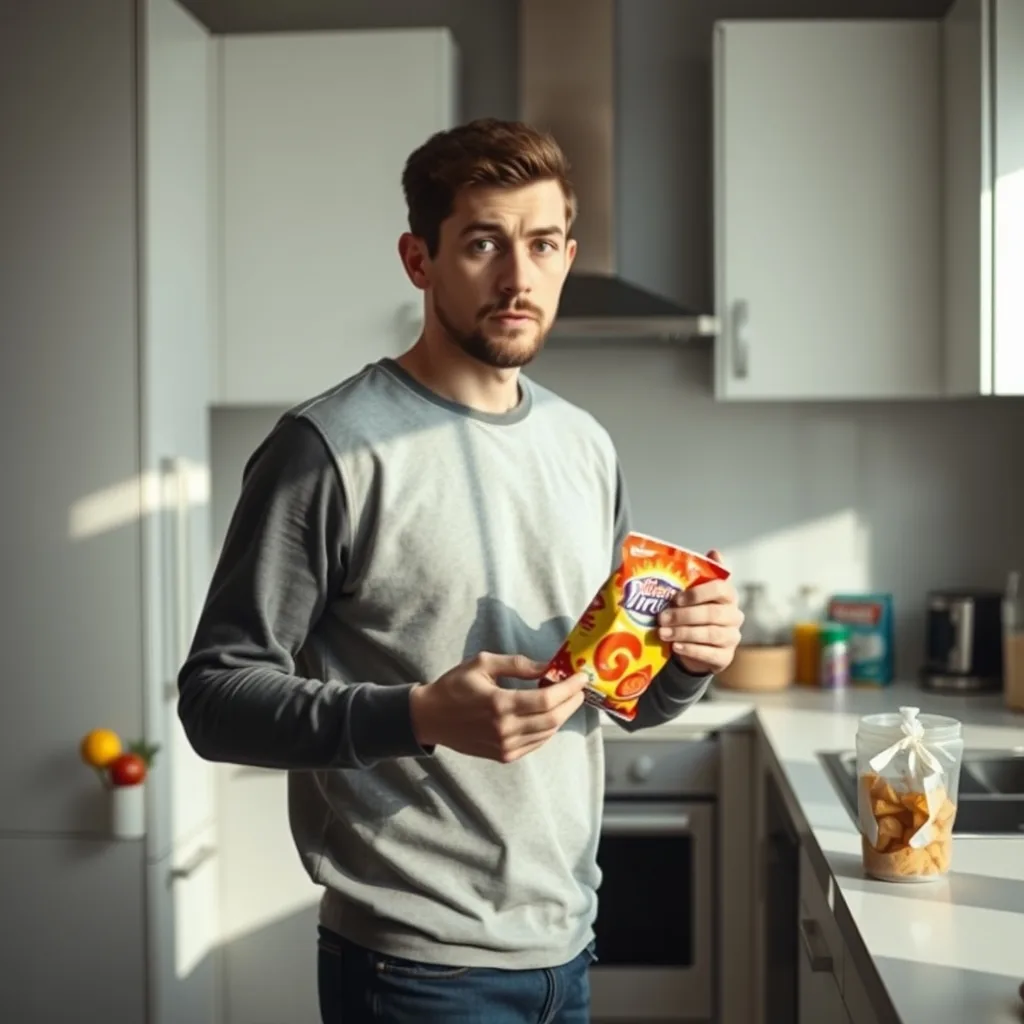
Your gut microbiome is a complex, bustling ecosystem that influences everything from your immune system and skin clarity to your mood and energy levels. While we often focus on what we should add to our diets—probiotics, fiber, and fermented foods—we frequently overlook the subtle, sneaky habits in our daily routines that actively dismantle gut health. These silent saboteurs often fly under the radar because they are woven into the fabric of modern life.
Key takeaways
- Practice mindful eating in a quiet environment to support the body’s rest-and-digest state.
- Avoid constant snacking to allow the Migrating Motor Complex to cleanse the digestive tract.
- Prioritize whole-food fibers over processed additives to nourish diverse gut bacteria effectively.
- Chew food thoroughly to assist enzymatic breakdown and reduce the digestive system's workload.
The Cumulative Impact of Chronic Stress
Stress is perhaps the most pervasive gut saboteur. When you experience stress, your body activates the “fight or flight” response, shifting blood flow away from the digestive system to prioritize immediate physical reactions. Over time, chronic stress alters the composition of gut bacteria and increases intestinal permeability, often referred to as “leaky gut.” When the lining of the gut becomes compromised, toxins and undigested food particles can leak into the bloodstream, triggering systemic inflammation. To mitigate this, incorporate “vagal toning” exercises such as deep diaphragmatic breathing or cold water splashes on your face, which help shift your nervous system back into a rest-and-digest state.
The Overuse of Sanitizing Agents
In a post-pandemic world, the obsession with sterility has reached an all-time high. While hygiene is essential, the constant use of antimicrobial hand sanitizers, harsh household disinfectants, and antibacterial soaps can disrupt the beneficial bacteria living on your skin and in your environment. Your microbiome is designed to interact with the world around you; by creating a hyper-sterile bubble, you may be depriving your immune system of the necessary exposure to diverse microbes required for a robust gut. Focus on washing hands with plain soap and water rather than antimicrobial chemicals, and consider spending more time in natural environments to re-establish microbial diversity.
Artificial Sweeteners and the Microbiome
Many people switch to artificial sweeteners like aspartame, sucralose, and saccharin to cut calories, unaware that these compounds can negatively affect the gut. Recent research suggests that certain non-nutritive sweeteners may alter the microbial balance in the gut, potentially leading to glucose intolerance. Because these substances are not fully broken down by the digestive system, they reach the colon where they interact with your resident bacteria. If you have a sweet tooth, opt for small amounts of natural sweeteners like raw honey or maple syrup, or better yet, retrain your palate to enjoy the natural sweetness found in whole fruits.
Inconsistent Sleep-Wake Cycles
Your gut bacteria follow a circadian rhythm just like you do. When you stay up late, work irregular shifts, or experience fragmented sleep, your gut microbiome loses its temporal synchronization. This disruption can lead to a decrease in beneficial bacterial strains and an increase in those associated with metabolic issues. Establishing a consistent bedtime and wake-up time is not just about feeling rested; it is a foundational pillar of digestive health. Keep your bedroom cool, dark, and free of blue-light emitting devices for at least an hour before sleep to support your body’s natural rhythm.
The Dehydration-Digestion Link
Water is the medium in which all digestive processes occur. Without adequate hydration, the mucosal lining of the intestines cannot maintain its integrity, leading to sluggish transit times and constipation. When stool remains in the colon for too long, it can reabsorb toxins and create an environment where harmful bacteria thrive. Many people mistake thirst for hunger, leading to unnecessary snacking on processed foods. Aim for consistent hydration throughout the day rather than chugging large amounts of water at once, and listen to your body’s signals to ensure your digestive tract remains lubricated and efficient.
Hidden Chemical Exposures
Our homes are filled with endocrine-disrupting chemicals found in plastics, non-stick cookware, and synthetic fragrances. These chemicals, such as phthalates and bisphenols, can act as metabolic disruptors that influence gut bacterial diversity. For example, chemicals found in certain pesticides on non-organic produce can act as antibiotics, killing off beneficial microbes in your system. Whenever possible, swap plastic food storage for glass or stainless steel, choose organic produce when it fits your budget, and opt for unscented or essential oil-based cleaning products to reduce your daily chemical load.
The Sedentary Trap
Physical movement acts as a mechanical stimulant for the digestive tract. A sedentary lifestyle, characterized by long hours of sitting, slows down gut motility, which can lead to bloating and discomfort. Exercise doesn’t have to be high-intensity; simple activities like walking, yoga, or stretching can help stimulate the muscles of the intestines, encouraging regular elimination. Even standing up every 30 minutes to stretch can make a significant difference in how your digestive system processes your meals throughout the day.
Ignoring the Mind-Gut Connection
We often treat digestion as a purely physiological event, forgetting that the gut is frequently called the “second brain.” If you eat while distracted—scrolling through your phone, watching intense television, or working—you are signaling to your body that it is not safe to relax and digest. Mindful eating, which involves chewing your food thoroughly and focusing on the flavors and textures of your meal, is essential for the proper secretion of digestive enzymes. Taking five minutes before a meal to simply breathe can prime your digestive system to function at its peak, turning a routine task into a restorative act.
The Hidden Cost of Over-the-Counter Medication Reliance
While we often reach for over-the-counter (OTC) medications to manage minor aches, pains, or occasional heartburn, these drugs can act as quiet disruptors of the gut ecosystem. Proton Pump Inhibitors (PPIs), commonly used for acid reflux, significantly alter the pH of the stomach. Since stomach acid is the body’s first line of defense against pathogens, suppressing it can lead to small intestinal bacterial overgrowth (SIBO), where bacteria from the large intestine migrate upward. Similarly, frequent use of Non-Steroidal Anti-Inflammatory Drugs (NSAIDs) like ibuprofen or naproxen can erode the protective mucosal lining of the stomach and small intestine, increasing permeability. Instead of relying on these as a crutch, investigate the root causes of your symptoms—such as dietary triggers or poor chewing habits—and consult a healthcare provider about non-pharmacological alternatives for pain management.
The Emulsifier Effect in Processed Foods
You may be avoiding sugar, but are you reading the label for emulsifiers? Additives like carboxymethylcellulose, polysorbate-80, and lecithin are ubiquitous in modern food manufacturing, used to improve texture and shelf stability. Research suggests that these common food detergents can directly interact with the intestinal mucus layer, which serves as a vital barrier between your gut bacteria and your immune cells. When this barrier is thinned or disrupted by emulsifiers, it allows for bacterial translocation and chronic low-grade inflammation. To protect your gut, prioritize whole-food ingredients and examine the ingredient lists of sauces, dressings, and dairy-free milk alternatives, opting for brands that avoid these synthetic stabilizers.
The Microbiome-Depleting Power of Alcohol
Even moderate alcohol consumption can have a disproportionate impact on the gut. Ethanol is a potent solvent that can irritate the lining of the gastrointestinal tract and alter the composition of the microbiome. It often promotes the growth of pro-inflammatory bacteria while simultaneously reducing the abundance of beneficial strains like Lactobacillus. Furthermore, alcohol increases gut permeability, allowing endotoxins—components of bacterial cell walls—to enter the bloodstream, which triggers an immune response. If you choose to drink, consider the frequency and concentration. Limiting intake to specific occasions and pairing alcohol with nutrient-dense meals can help buffer some of these effects, but understanding that alcohol is inherently a stressor to the gut is the first step toward moderation.
The Impact of Chronic Dehydration and Oral Health
The gut-mouth connection is often ignored, yet the digestive process begins in the mouth. Oral health is the gateway to the gut; if your oral microbiome is imbalanced due to poor hygiene or excessive sugar intake, you are essentially swallowing a constant stream of dysbiotic bacteria. Furthermore, poor oral health is linked to systemic inflammation that can complicate gut conditions. Beyond cleaning, consider the role of saliva. Saliva contains essential enzymes like amylase and lingual lipase that start the breakdown of food. If your mouth is dry—often a result of dehydration or mouth-breathing—these enzymes are not properly mixed with your food, forcing the stomach and intestines to work harder to digest complex proteins and starches. Staying hydrated is not just about the colon; it is about ensuring your mouth has the fluid volume necessary to initiate digestion correctly.
Temperature-Related Digestive Stress
Traditional medicine systems like Ayurveda have long emphasized the importance of food temperature, and modern science is beginning to catch up. Consuming excessively cold foods or drinks, especially alongside warm meals, may shock the digestive system. In some individuals, ice-cold water can cause the stomach to constrict, potentially slowing down the enzymatic activity necessary for efficient digestion. While the body eventually warms the food to core temperature, the initial transit and breakdown can be hindered. Pay attention to how your body reacts after consuming ice-cold beverages versus room-temperature or warm herbal teas. For many, simply transitioning to room-temperature water can alleviate common post-meal bloating and discomfort.
The Over-Processing of Fiber
Fiber is often praised as the gold standard for gut health, but not all fiber is created equal. The modern diet is dominated by highly processed, refined fibers—often added back into cereals and health bars as “inulin” or “chicory root fiber.” While these are technically fibers, they are often extracted from their natural plant matrix and can cause significant gas, bloating, and discomfort in those with sensitive guts. The most beneficial fiber comes from the complex matrix of whole, intact plant foods—the skins, seeds, and structural tissues of vegetables, fruits, and legumes. When you obtain your fiber from whole sources, it is accompanied by polyphenols and other phytochemicals that nourish the microbiome far more effectively than isolated, processed fiber supplements.
The Hidden Burden of Frequent Snacking
In our modern “grazing” culture, many of us have abandoned the traditional three-meal structure in favor of continuous snacking. From a digestive standpoint, this is a significant oversight. Your small intestine features a housekeeping mechanism known as the Migrating Motor Complex (MMC). This is a series of rhythmic contractions that occur during the fasting periods between meals, acting as a “cleansing wave” that sweeps undigested debris and excess bacteria from the small intestine into the large intestine. When you snack constantly, you effectively hit the “pause” button on this critical cleaning process. This stagnation can lead to an accumulation of bacteria in the upper digestive tract, often resulting in bloating and discomfort. To support your MMC, try to implement a 3-to-4-hour buffer between meals where you consume nothing but water, allowing your system the necessary downtime to perform its essential maintenance.
The Impact of Low-Level Environmental Noise
While we often associate stress with high-pressure work environments, the gut is also highly sensitive to the “background noise” of modern life. Constant exposure to low-level environmental stressors—such as traffic hum, bright artificial lighting, or the buzzing of notifications—maintains a state of sympathetic nervous system activation. Because the gut is innervated by the enteric nervous system, which is in constant communication with the brain, this persistent state of low-grade “alertness” can hinder optimal digestive enzyme secretion. Creating a “sensory sanctuary” during mealtime is a practical way to combat this. By dimming the lights, turning off the television, and eating in a quiet environment, you send a biological signal to your body that it is safe to shift into a parasympathetic “rest-and-digest” mode, which is vital for the proper chemical breakdown of nutrients.
The Overlooked Role of Chewing Efficiency
Digestion is a mechanical process as much as a chemical one, yet many of us treat chewing as a mere formality before swallowing. When food is not broken down into a fine, enzyme-coated bolus in the mouth, the stomach and small intestine must work significantly harder to process those larger particles. This increased workload can lead to indigestion and fermentation of undigested proteins or carbohydrates in the colon, which fuels gas-producing bacteria. Aiming to chew each bite until it reaches a liquid-like consistency is a simple but transformative practice. This not only increases the surface area for digestive enzymes like salivary amylase to act upon but also triggers the release of satiety hormones earlier, which can prevent overeating and reduce the overall burden on the gut lining.
The Influence of “Social Microbiome” Exposure
We are naturally social creatures, and our gut health is inextricably linked to our interactions with our environment and other people. Research into the “social microbiome” suggests that living in isolation or avoiding contact with natural surfaces and diverse environments can actually limit the microbial diversity within our own bodies. Conversely, sharing spaces, interacting with pets, and even participating in community activities can help maintain a more resilient and diverse microbial profile. When we become too isolated or obsessed with disinfecting our personal spaces, we fail to exchange the microbial “information” that helps train our immune system to recognize friend from foe. Engaging with the world—whether through gardening, spending time in parks, or simply being around others—is a passive but powerful way to keep your internal ecosystem robust and adaptable.
The Cumulative Effect of Blue Light Exposure
Beyond its impact on sleep, blue light exposure from screens significantly influences the gut through its disruption of hormonal regulation. The gut has its own localized clock genes that are synchronized by the body’s master circadian rhythm. Late-night exposure to blue light suppresses melatonin production, which is not only essential for sleep but also acts as a potent antioxidant within the gastrointestinal tract. Melatonin helps protect the gut lining from oxidative stress and modulates motility. By using blue-light-blocking glasses in the evening or setting “digital sunsets” on your devices, you aren’t just protecting your sleep; you are actively preserving the hormonal environment your gut requires to repair its mucosal integrity and regulate its daily rhythms effectively.
The Hidden Inflammatory Potential of Seed Oils
The prevalence of highly processed omega-6 rich seed oils—such as soybean, corn, and sunflower oil—in the modern pantry is a frequently overlooked factor in gut inflammation. While omega-6 fatty acids are essential, they are meant to be consumed in a specific ratio with omega-3s. When consumed in excess, as they are in most processed foods and restaurant dishes, they can promote the production of pro-inflammatory eicosanoids. This chronic, low-grade inflammatory state can weaken the tight junctions of the intestinal wall. Replacing these refined oils with more stable, anti-inflammatory alternatives like extra-virgin olive oil, avocado oil, or cold-pressed coconut oil can help shift the internal environment from one of inflammation to one of repair, allowing the gut lining the breathing room it needs to maintain its barrier function.
Frequently Asked Questions
Can probiotic supplements fix the damage caused by these habits?
Probiotics are beneficial, but they cannot “out-supplement” a lifestyle that is actively working against your gut health. They function best as a support system alongside a diet rich in fiber and a routine that prioritizes sleep, stress management, and movement.
How long does it take to see improvements in gut health?
The gut microbiome is highly dynamic. While some changes in bloating or digestion can be felt within a few days of adjusting your habits, significant shifts in bacterial diversity and gut lining health usually take several weeks to months of consistent practice.
Is it necessary to avoid all processed foods for gut health?
While you don’t need to be perfect, reducing ultra-processed foods is crucial. These foods often contain additives, emulsifiers, and preservatives that have been shown in studies to thin the protective mucus layer of the gut, making it more vulnerable to inflammation.
Does exercise intensity matter for gut health?
Moderate, consistent exercise is generally better for the gut than infrequent, extremely high-intensity exercise. Over-exercising without adequate recovery can actually increase systemic stress, which, as noted, is a major gut health saboteur.
What are the first signs that my gut health is improving?
Common early indicators of a recovering gut include more consistent bowel movements, reduced bloating after meals, clearer skin, improved energy levels, and a noticeable decrease in food cravings, particularly for sugar and refined carbohydrates.
Related posts:
 Managing Fiber Intake with IBS
 The Hidden Gut Connection Behind Chronic Fatigue Syndrome
 New Mom, New Science: How Your Gut Health Could Be the Key to Beating Postpartum Blues
 PHA Bodyweight Workout: Efficient Fitness Anywhere, Anytime
 Foods That Help You Poop
 Gut Health for Longer Life
 The Gut-Brain Highway: How Your Stomach Controls Your Mood
 The Tiny Organisms Living On You