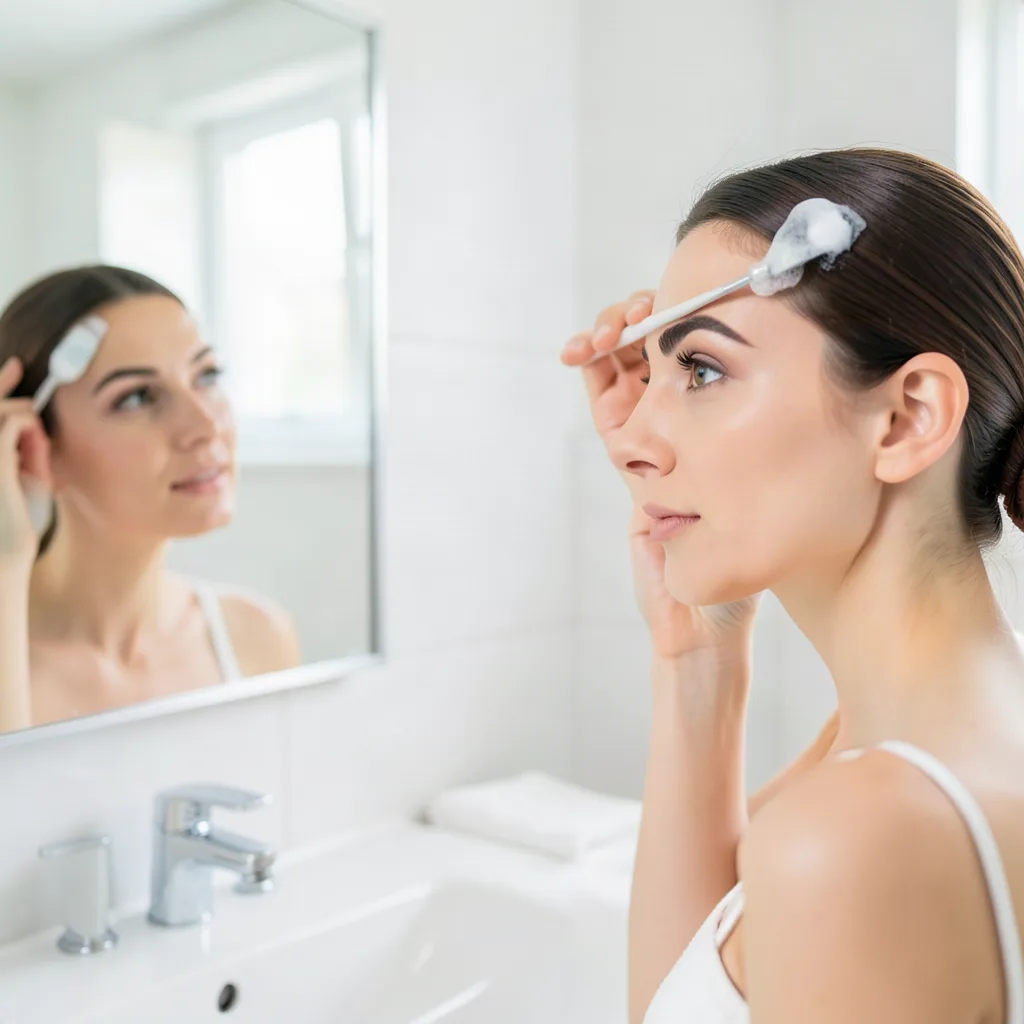
Soap brows have taken social media by storm, promising perfectly groomed, feathered eyebrows without a pricey brow gel or salon appointment. The technique uses a simple bar of clear soap, a spoolie brush, and a little water to create a flexible hold that lasts all day. Because the ingredients are already in most bathrooms, the hack appeals to budget‑conscious beauty lovers, minimalists, and anyone who wants a quick, low‑maintenance routine. In this guide we break down the science behind soap brows, walk through a step‑by‑step tutorial, compare the method with commercial products, and answer the most common questions so you can decide whether the trend deserves a permanent spot in your makeup bag.
Key takeaways
- Use clear, fragrance-free glycerin or castile soap to avoid visible residue and skin irritation.
- Lightly dampen a spoolie brush with water before swirling it on the soap to create a thin coating.
- Brush hairs upward for a lifted look and allow 30 to 60 seconds for the film to set.
- Cleanse brows nightly and apply moisturizer to prevent skin dryness or product buildup from daily soap use.
- Keep a dedicated soap bar for brow styling to prevent transferring bacteria from body or face use.
What Are Soap Brows?
Soap brows refer to a styling method that replaces traditional brow gel with a thin film of soap. The soap coats each hair, providing a lightweight hold that can be brushed into place for a natural, feathered look. The trend originated on TikTok and Instagram where creators demonstrated the technique using a clear glycerin soap bar and a disposable spoolie. Because the soap is water‑soluble, it rinses away easily, making it a low‑commitment option for daily wear. The result is a polished brow that stays in shape through humidity, sweat, and light touching, without the stiffness or flaking that some commercial gels produce.
Why Soap Works as a Brow Styler
Soap contains surfactants and humectants such as glycerin that attract moisture and create a flexible film when dried. When a damp spoolie picks up a tiny amount of soap, the mixture coats each hair shaft. As the water evaporates, the glycerin remains, leaving a tacky but pliable layer that holds hairs in the desired direction. This mechanism mimics the polymer matrix found in professional brow gels, but the ingredients are simpler and often cheaper. Additionally, the alkaline pH of many soaps can temporarily lift the cuticle of the hair, allowing the product to grip more securely. The effect is a natural‑looking hold that can be re‑activated with a quick mist of water if the brows lose shape during the day.
Choosing the Right Soap
Not every bar soap will give the same result. Look for a clear, fragrance‑free glycerin or castile soap with minimal additives. Transparent soaps tend to leave less visible residue on the skin and are easier to see when applying. Avoid heavily scented, moisturizing, or exfoliating bars because added oils, beads, or fragrance can cause irritation or make the brows look greasy. A small travel‑size bar is ideal for testing; many users keep a dedicated soap in their makeup kit to avoid cross‑contamination with body soap. If you have very dry skin, a soap enriched with a touch of aloe or shea butter can provide extra comfort, but test a patch first to ensure no reaction.
Step‑by‑Step Soap Brow Routine
1. Start with clean, dry brows. Remove any old makeup or oils with a gentle cleanser and pat dry. 2. Lightly mist a clean spoolie with water or dip the tip into a shallow dish of water. 3. Swirl the damp spoolie across the surface of the soap bar, picking up a thin, even coating. You should see a faint sheen, not a glob. 4. Brush the spoolie through the brows in the direction of hair growth, using short upward strokes for a lifted effect. 5. Shape the arch and tail by guiding the spoolie with your fingertips. 6. Allow the brows to air‑dry for 30‑60 seconds; the hold will set as the water evaporates. 7. If any stray hairs remain, use a clean, dry spoolie to tidy them. 8. Finish with a light dusting of translucent setting powder on the brow bone to reduce shine. The entire process takes under two minutes and can be repeated daily.
Tips for Different Brow Shapes and Hair Types
For sparse brows, apply a brow pencil or powder before the soap step to fill gaps, then lock the color in with the soap film. Thick, coarse hairs benefit from a slightly wetter spoolie to ensure the soap penetrates the shaft. If you have a strong natural arch, brush the hairs upward first, then gently press the tail downward for a softer curve. Straight brows can be given a subtle lift by brushing the front portion upward and the tail outward. Curly or unruly hairs may need a second pass with a dry spoolie to smooth the cuticle after the soap sets. Oily skin types should blot the brow area with a tissue before starting, as excess sebum can break down the soap film faster. For mature skin, choose a glycerin‑rich soap and avoid pulling the skin taut while brushing to prevent micro‑tears.
Common Mistakes and How to Fix Them
Using too much soap creates a white, crusty residue that flakes off. Fix by wiping the spoolie on a tissue before applying. Applying on damp brows (from sweat or moisturizer) dilutes the soap and reduces hold; always start on a dry base. Skipping the drying time leads to smudging; give the film at least 30 seconds. Over‑brushing after the soap has set can disturb the hold; limit touch‑ups to a quick mist and a single brush stroke. Using a colored or opaque soap can tint the brows unintentionally; stick to clear formulas. Finally, sharing the same soap bar for face and brows can transfer bacteria; keep a dedicated bar or cut a small piece for brow use only.
Soap Brows vs. Commercial Brow Gels
Commercial brow gels typically contain polymers, film‑formers, and sometimes fibers for added volume. They offer consistent performance, a range of tints, and often include conditioning agents like panthenol. Soap brows, by contrast, are a single‑ingredient hack that costs pennies per use and eliminates packaging waste. In terms of hold, a well‑applied soap film can match a light‑to‑medium gel, but heavy‑duty gels with strong polymers will outlast soap in extreme humidity or during intense workouts. Color payoff is another difference; soap provides no pigment, so users who want tinted brows must layer a pencil or powder underneath. Cost per application: a $3 bar of glycerin soap yields hundreds of uses, while a $15 gel may last 30‑40 applications. Environmental impact favors soap because it avoids plastic tubes and synthetic polymers. The choice ultimately depends on whether you prioritize convenience, tint options, or a zero‑cost, low‑waste routine.
Long‑Term Care and Skin Health
Repeated daily use of soap on the delicate brow area is generally safe for most skin types, but a few precautions help maintain barrier integrity. Cleanse the brows each evening with a mild, pH‑balanced cleanser to remove any residual soap film and prevent buildup. Follow with a lightweight, fragrance‑free moisturizer to replenish hydration, especially if you have dry or sensitive skin. If you notice redness, itching, or flaking, reduce frequency to every other day and switch to a soap with added soothing ingredients like colloidal oatmeal. Avoid using soap brows on broken skin, active eczema, or after recent brow lamination or microblading until the area has fully healed. Regularly sanitize your spoolie by washing with soap and water or dipping in 70% isopropyl alcohol, then air‑dry. Store the soap bar in a dry dish to prevent bacterial growth. With these habits, soap brows can remain a sustainable, low‑cost staple without compromising skin health.
Historical Roots and Cultural Momentum
Soap brows may feel like a fresh TikTok discovery, yet the practice traces back to stage and screen makeup of the early twentieth century. Silent‑film actors used a thin layer of glycerin soap to keep eyebrows arched under hot studio lights, a trick later adopted by drag performers who needed a budget‑friendly way to sculpt dramatic arches night after night. In the 1990s, professional brow artists in London and New York began recommending a clear soap bar as a quick fix for clients who disliked the stiffness of early polymer gels. The modern viral wave simply amplified a technique that has lived in makeup kits for decades, turning a backstage secret into a mainstream conversation about low‑cost beauty.
Social media accelerated the spread by turning the routine into a visual challenge: creators post before‑and‑after reels, timing the application to a catchy soundtrack, and tagging the hashtag #soapbrows. This gamified format encourages experimentation, prompting users to test different soaps, spoolie shapes, and water ratios. The algorithm rewards high‑engagement clips, so the trend self‑reinforces, reaching audiences who might never have considered a bar of soap as a styling tool. Understanding this lineage helps you appreciate why the method feels both nostalgic and novel, and why it resonates across generations of beauty enthusiasts.
Cultural momentum also brings a wave of misinformation. Some tutorials suggest using any household soap, while others claim the technique replaces professional lamination. In reality, the historical use was always a temporary hold, not a chemical restructuring of hair bonds. Recognizing the original intent — quick, reversible shaping — keeps expectations realistic and prevents disappointment when the soap film washes away after a single cleanse.
Finally, the trend’s longevity will depend on how creators adapt it to evolving beauty standards. As clean‑beauty movements push for ingredient transparency, the simple glycerin bar fits the narrative of minimalism. Brands have already responded with dedicated “brow soap” bars that add skin‑soothing extracts while preserving the original low‑cost appeal. Watching this evolution lets you decide whether to stick with a classic drugstore bar or invest in a purpose‑made product.
Advanced Customization: Tailoring Hold Strength and Finish
The basic recipe — damp spoolie, thin soap film — works for most days, but you can fine‑tune the hold by adjusting the water‑to‑soap ratio. A barely moist spoolie picks up a microscopic layer, delivering a sheer, flexible finish that moves with facial expressions. Adding a few extra drops of water creates a slightly thicker coating, ideal for humid climates or long‑wear events where you need extra grip without resorting to a heavy gel.
For a matte finish, dust a translucent setting powder over the dried soap film. The powder absorbs the natural sheen of glycerin, giving a soft‑focus effect that photographs beautifully under flash. If you prefer a subtle gloss, skip the powder and lightly mist a hydrating setting spray; the spray re‑activates the glycerin just enough to add a dewy glow while preserving hold.
Mixing a pinch of clear brow wax or a drop of lightweight hair gel into the soap film can boost durability for high‑sweat activities such as dance or outdoor sports. The wax adds a tacky polymer network that locks hairs in place, yet the soap base keeps the mixture water‑soluble for easy removal. Test the blend on a single brow first; too much wax can make the brows feel stiff and difficult to reshape mid‑day.
Temperature also influences performance. In cold weather the soap film can become brittle, leading to micro‑flakes. Warm the spoolie between your fingertips for a few seconds before swirling it on the bar; the slight heat softens the glycerin, producing a more pliable coat. Conversely, in extreme heat the film may melt faster; a quick blot with a tissue after application removes excess moisture and stabilizes the hold.
Experimentation is key. Keep a small notebook or phone note logging the water amount, soap brand, ambient humidity, and resulting wear time. Over a few weeks you’ll develop a personal “recipe card” that lets you replicate the perfect hold for any occasion without guesswork.
Professional Makeup Artist Techniques for Editorial and Bridal Looks
Makeup artists working on editorial spreads often use soap brows as a foundational layer before applying pigmented pomades or tinted gels. The soap creates a uniform, slightly tacky canvas that grabs color evenly, preventing patchiness that can occur when product sits directly on bare skin. After the soap sets, a fine‑tipped brow pencil defines the shape, and a tinted gel adds depth — each layer adheres better because the soap film acts like a primer.
For bridal makeup, longevity is non‑negotiable. Artists typically combine soap brows with a waterproof setting spray applied from a distance of twelve inches. The spray locks the glycerin film without disturbing the hair direction. A final pass with a clean, dry spoolie smooths any stray fibers, delivering a polished arch that survives tears, humidity, and hours of photography.
Brow mapping — measuring the start, arch, and tail using a brow ruler or a simple pencil — becomes more precise when the hairs are already held in place by soap. The artist can mark the three key points on the skin, then brush the soap‑coated hairs to follow the map. This method reduces the need for heavy-handed tweezing or waxing on the day of the event, preserving the natural brow density that photographs favor.
Tool choice matters in a professional kit. A dense, synthetic spoolie with a tapered tip distributes soap more evenly than a fluffy disposable brush. Some artists keep a set of metal‑handled spoolies that can be sanitized in an autoclave, ensuring hygiene across multiple clients. A small, angled brush can be used to press the tail downward for a softer curve, a technique difficult to achieve with a standard round spoolie.
Quick touch‑ups during a shoot are streamlined with a mini spray bottle filled with rose water. A single mist re‑activates the soap film, allowing the artist to reshape a brow in seconds without removing the entire makeup look. This trick is especially valuable when lighting changes require a subtle shift in brow intensity.
DIY Soap Formulations and Ingredient Deep Dive
If you enjoy crafting your own beauty products, a simple melt‑and‑pour glycerin base lets you create a custom brow soap tailored to your skin’s needs. Start with a clear, unscented glycerin block — about one hundred grams — melt it in a double boiler, then stir in a teaspoon of aloe vera gel for added hydration and a few drops of chamomile extract for calming properties. Pour the mixture into a silicone mold shaped like a small bar; once solidified, you have a personalized soap free of synthetic fragrances and preservatives.
pH balance is crucial. Commercial clear soaps typically sit around pH 9‑10, which temporarily lifts the hair cuticle for grip. A homemade batch that leans too alkaline can irritate the delicate brow area, while a too‑acidic mix may not provide enough hold. Use pH strips to test the final bar; aim for a range of 8‑9. If the pH is high, add a pinch of citric acid dissolved in a few drops of distilled water before molding.
Preservation matters because a water‑based bar stored in a humid bathroom can develop microbial growth. Incorporate a broad‑spectrum, paraben‑free preservative such as phenoxyethanol at 0.5 % of the total weight. This level is considered safe for leave‑on cosmetic use and extends shelf life to six months. Label the bar with the production date and discard if you notice any off‑odor or discoloration.
For those who prefer liquid formats, a diluted castile soap (one part soap to three parts distilled water) works as a brow “ink.” Transfer the solution into a tiny spray bottle; a quick spritz onto the spoolie delivers a controlled dose. The liquid version is travel‑friendly and eliminates the need for a solid bar, but it may require a slightly longer drying time because the water content is higher.
Experimentation with botanical additives can enhance the sensory experience. A drop of lavender essential oil (diluted to 0.2 %) adds a calming scent, but always patch‑test first — essential oils can sensitize the eye area. Avoid citrus oils, which are phototoxic and may cause pigmentation when exposed to sunlight. Document each formulation’s ingredient percentages so you can replicate or adjust future batches with confidence.
Hygiene, Tool Care, and Long‑Term Skin Barrier Strategies
Maintaining a clean spoolie is as important as choosing the right soap. After each use, rinse the brush under lukewarm water, work a mild cleanser through the bristles, and squeeze out excess moisture with a lint‑free cloth. Once a week, soak the spoolie in a solution of 70 % isopropyl alcohol for thirty seconds, then air‑dry on a clean towel. This routine prevents bacterial buildup that could lead to folliculitis or irritation along the brow line.
Store your dedicated brow soap in a well‑ventilated dish that allows water to drain away. A soap saver with raised ridges keeps the bar from sitting in a puddle, which accelerates dissolution and creates a breeding ground for microbes. If you share a bathroom, consider a small, labeled container to avoid accidental cross‑use with body soap.
Even with a gentle glycerin bar, daily cleansing can strip the skin’s natural lipids. Incorporate a barrier‑repair step into your night routine: after removing the soap film with a mild cleanser, apply a few drops of a ceramide‑rich serum followed by a fragrance‑free moisturizer. This replenishes the stratum corneum and reduces the risk of chronic dryness or sensitivity.
If you notice persistent redness, scaling, or a stinging sensation, pause soap brow use for a week and switch to a plain water‑only spoolie brushing. During the break, focus on barrier support with ingredients like niacinamide and panthenol. Re‑introduce the soap gradually, starting with every other day, and monitor the skin’s response.
Rotating between two bars — one for morning, one for evening — gives each bar time to dry completely, further limiting microbial growth. Mark the bars with a waterproof marker so you can track usage patterns and replace them before they become overly soft or develop surface cracks.
Seasonal Adjustments, Travel Kits, and Multi‑Use Applications
Humidity swings dramatically affect soap brow performance. In summer, excess atmospheric moisture can keep the glycerin film tacky longer, which is great for hold but may attract dust. A light dusting of translucent powder after the soap sets mitigates shine and prevents particulate buildup. In winter, indoor heating dries the air, causing the film to become brittle; a quick mist of facial toner before application restores a touch of humidity, yielding a more flexible coat.
Travel kits benefit from a minimalist approach. Pack a half‑size glycerin bar in a sealed tin, a collapsible spoolie, and a tiny spray bottle of distilled water. The tin protects the soap from crushing and keeps it dry between uses. For carry‑on compliance, ensure the water bottle is under 100 ml. This compact kit fits in a makeup pouch and eliminates the need to purchase travel‑size brow gels at inflated airport prices.
Beyond eyebrows, the same soap film can tame unruly baby hairs along the hairline, smooth stray beard hairs, or define the edge of a faux‑lash band. Apply a minuscule amount to a clean mascara wand and brush the target area; the water‑soluble nature means any residue rinses away with your regular cleanser. This versatility makes the soap bar a multi‑tasking staple for minimalists who prefer fewer products.
For festival or outdoor event prep, consider a waterproof setting spray as a final seal. The spray creates a micro‑film over the soap layer, shielding it from sweat and rain. Test the combination on a non‑event day to confirm that the spray does not cause the soap to flake or turn white. A successful trial gives you confidence that your brows will stay sharp from sunrise to after‑party.
Finally, track seasonal product performance in a simple spreadsheet: date, weather, soap brand, water ratio, hold hours, and any skin reactions. Over a year you’ll build a personal data set that reveals which tweaks work best for each climate, turning a viral hack into a reliable, year‑round grooming system.
Frequently Asked Questions
Can I use any bar soap for soap brows?
Clear, fragrance‑free glycerin or castile soaps work best. Heavily scented, moisturizing, or exfoliating bars may leave residue or irritate the skin.
Will soap brows damage my skin or cause breakouts?
When a gentle, non‑comedogenic soap is used and the area is cleansed nightly, the risk is low. Patch test first if you have sensitive or acne‑prone skin.
How do I remove soap brows at the end of the day?
Rinse the brows with lukewarm water and a mild cleanser, then pat dry. A cotton pad soaked in micellar water also dissolves the film quickly.
Are soap brows suitable for sensitive eyes or contact lens wearers?
Yes, provided the soap does not migrate into the eye. Keep the application below the brow bone and avoid getting product on the lash line.
Can I combine soap brows with other brow products like pencils or powders?
Absolutely. Apply pencils, powders, or pomades first, then seal the look with the soap film for all‑day hold.
Related posts:
 Eyebrow Dandruff Is Real and Here’s How to Fix It
 Helen Mirren’s Eyebrow Tips
 Supermodel Hair Blow-Drying Tips
 Maybelline Total Temptation Eyebrow Definer Pencil: Perfect Brows Made Easy
 Your Complete Guide to Eyebrow Grooming Without the Salon Price
 Master the Art of DIY Brow Lamination at Home
 Eyebrow Extensions Are the New Lash Extensions
 Jenna Dewan’s Drugstore Secret for Perfect Eyebrows