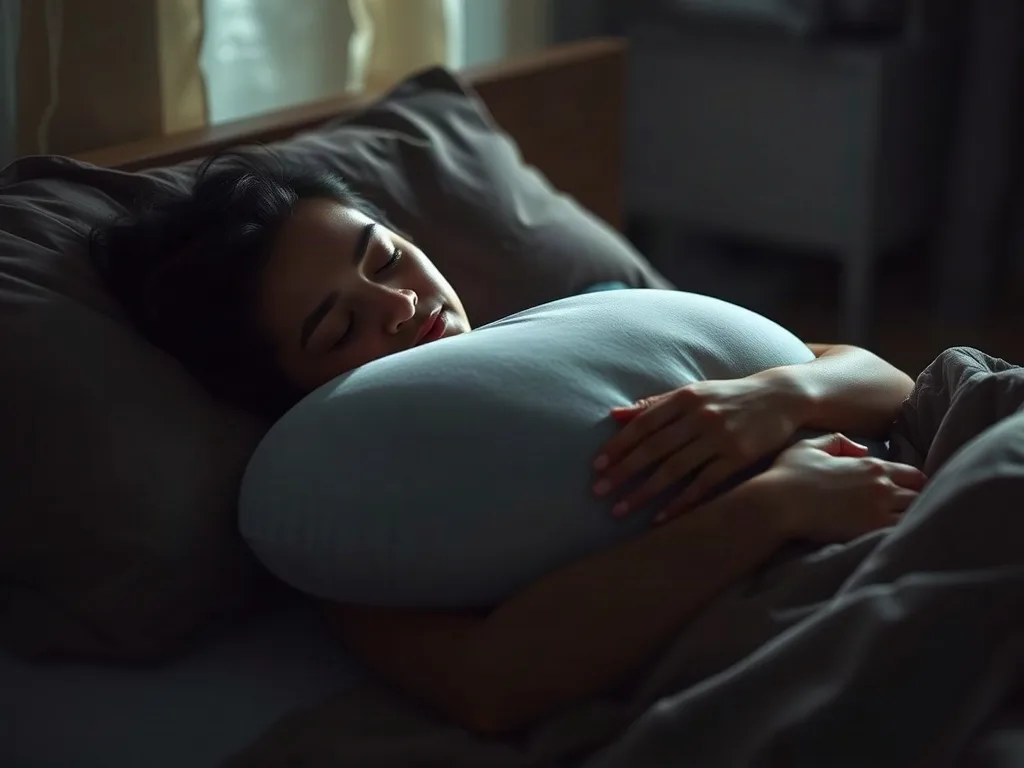
In an era defined by high-tech stimulation and relentless connectivity, the struggle to disconnect and drift into restorative sleep has become a modern epidemic. As we seek innovative solutions to quiet the mind and regulate the nervous system, a unique device has emerged on the market: the Somnox sleep robot. Designed to mimic human-like breathing patterns, this robotic companion aims to bridge the gap between technology and comfort.
Key takeaways
- The device mimics human breathing to encourage physiological entrainment, helping to lower heart rate and reduce cortisol levels.
- Users can customize breathing rhythms and soundscapes via a mobile app to create a personalized, multi-sensory wind-down environment.
- The ergonomic, weighted design provides grounding tactile feedback, acting as a transitional object to reduce sleep-related anxiety.
- It serves as a supplemental tool for sleep hygiene rather than a cure, helping users train their bodies to recognize states of relaxation.
Understanding the Science of Rhythmic Breathing
The core functionality of the Somnox robot is rooted in the physiological phenomenon known as entrainment. When we encounter a rhythmic stimulus—such as the steady rise and fall of a chest—our own breath often unconsciously synchronizes with that rhythm. This is a foundational technique in many meditation practices, where controlled breathing is used to shift the body from a sympathetic state (fight or flight) to a parasympathetic state (rest and digest).
By providing a physical, tactile representation of a calm breath, the device acts as a pacer. The user hugs the device, feeling the expansion and contraction against their chest. As the robot slows its breathing rhythm, the user is encouraged to follow suit. This manual override of the respiratory system can signal to the brain that it is safe to relax, effectively lowering the heart rate and reducing the levels of cortisol circulating in the bloodstream.
Design Ergonomics and Physical Comfort
Unlike rigid wearable trackers or bedside projectors, the Somnox is designed as a soft, hugging companion. The shape is deliberately ergonomic, allowing it to fit naturally against the body, whether you sleep in a fetal position, on your back, or on your side. The exterior is crafted from plush, breathable fabrics that feel soothing against the skin, mimicking the sensation of a weighted blanket or a comforting embrace.
The device is weighted to provide a subtle sense of grounding. This proprioceptive input—the awareness of one’s body position in space—is often used in occupational therapy to help individuals with sensory processing differences feel secure. By combining the tactile comfort of a pillow with the active motion of a respiratory aid, the device addresses the physical need for contact that many people miss when sleeping alone or dealing with high anxiety.
Integration with Sleep Hygiene Routines
Incorporating the Somnox into a nightly routine is most effective when viewed as a tool for transition rather than a standalone cure. Sleep hygiene experts emphasize the importance of a ‘wind-down’ window, a period of 30 to 60 minutes before bed where digital screens are avoided and the environment is optimized for rest. Using the robot during this window can serve as a physical cue that the day has ended.
Users can customize the breathing rhythms through a dedicated mobile application. For those prone to racing thoughts, starting with a rhythm that matches their current, faster breathing and gradually slowing it down over 20 minutes can be more successful than attempting to force a slow rhythm immediately. This gradual transition helps the brain adjust to the slower pace without feeling restricted or breathless.
The Role of Auditory Stimulation
Beyond physical touch, the device integrates soundscapes to further enhance the environment. The brain is highly sensitive to auditory cues; certain frequencies and patterns can trigger alertness, while others promote relaxation. The Somnox includes a library of soothing audio, such as guided meditations, nature sounds, and rhythmic white noise.
When combined with the tactile breathing motion, these sounds create a multi-sensory experience. This is particularly beneficial for those who struggle with ‘intrusive thoughts’—the persistent, noisy mental chatter that often prevents sleep onset. By focusing on the combined input of the physical motion and the soothing audio, the user gives the brain a constructive task, effectively crowding out the stressful thoughts that typically dominate the pre-sleep period.
Addressing Anxiety and Nervous System Regulation
Anxiety is a primary driver of sleep onset insomnia. When the nervous system is hyper-aroused, the body remains alert, searching for threats. The Somnox functions as a co-regulation tool. In psychology, co-regulation occurs when a person calms down by interacting with a grounded, calm presence. While this is typically a human-to-human interaction, the robot provides a simulated version of this experience.
By providing a sense of physical security, the robot can help reduce the physical symptoms of anxiety, such as shallow breathing and chest tightness. It does not replace clinical therapy or medical treatment for anxiety disorders, but it acts as a self-soothing mechanism that can be used independently at home. For many, having a physical object to hold acts as a grounding anchor, reminding them to stay present in their body rather than spiraling into future-oriented worries.
Customization and Adaptability
One of the most significant advantages of the Somnox over traditional weighted blankets or standard pillows is its level of customization. Every individual has a different respiratory rate, and forcing a one-size-fits-all breathing rhythm can actually cause frustration. Through the app, users can adjust the intensity of the breathing motion, the duration of the sessions, and the specific rhythm patterns.
Advanced users can even create their own breathing sequences. If you find that a specific pattern—such as box breathing (inhale for four, hold for four, exhale for four, hold for four)—works best for your physiology, you can program the device to mimic this. This adaptability allows the device to grow with the user as their needs change or as they become more adept at meditative breathing techniques.
The Future of Sleep Technology
The emergence of the Somnox signals a shift toward ‘soft robotics’ in the wellness space. As technology moves away from screens and toward more integrated, tactile experiences, we are likely to see more devices that prioritize the biological needs of the user. The goal is no longer just to track data—as seen in smartwatches—but to actively intervene in the body’s state through comforting, low-friction interactions.
However, it is essential to maintain a healthy perspective. No device can fully substitute for lifestyle factors such as consistent exercise, a balanced diet, and healthy sleep habits. The Somnox is best utilized as a supplemental tool within a broader framework of wellness, helping to manage the immediate physiological symptoms that act as barriers to rest.
Tactile Anchoring and the Psychology of Transitional Objects
The efficacy of the Somnox robot is deeply tied to the concept of the transitional object—a psychological term first coined by D.W. Winnicott to describe items that provide comfort and security during periods of transition. In the context of sleep, the transition from the high-stimulation environment of a modern home to the vulnerable state of unconsciousness can be jarring. By holding a device that provides consistent tactile feedback, the user creates an “anchor” for their attention. This grounding effect is particularly useful for individuals who suffer from “sleep dread” or performance anxiety, where the pressure to fall asleep quickly creates a feedback loop of stress. When the physical body is occupied by the rhythmic, predictable motion of the robot, the conscious mind has a benign focal point, preventing the drift into ruminative thought cycles.
Technical Maintenance and Battery Lifecycle Management
To ensure the longevity of the device, users should treat the Somnox with the same care as other high-end personal electronics. The internal mechanism, while robust, relies on a precision-calibrated motor that drives the expansion and contraction cycles. It is recommended to charge the unit fully before the first use and to avoid leaving the battery in a depleted state for extended periods, as this can degrade lithium-ion performance. Furthermore, because the device is designed to be snuggled, the internal components are subject to compression. Users should avoid placing heavy objects on the device during the day. Keeping the firmware updated via the companion app is not just about features; updates often include optimizations for motor efficiency, which can result in smoother, quieter breathing cycles that are less likely to be perceived as mechanical or distracting during the transition to deep sleep.
Optimizing the Breathing Rhythms for Different Sleep Architectures
Not all sleep challenges are created equal. For those dealing with “sleep onset insomnia” (difficulty falling asleep), a rhythm that mimics a calm, resting breath—roughly 6 to 10 cycles per minute—is often recommended. However, for users who experience middle-of-the-night awakenings, the strategy should shift. In these instances, the device can be programmed to trigger automatically or be manually activated to provide a “rescue rhythm.” This involves starting at a slightly faster pace to match the user’s current heart rate and gradually decelerating over a 15-minute window. By mimicking the user’s current state and then leading them toward a more relaxed state, the device bypasses the frustration that often occurs when one tries to force relaxation too quickly, which can paradoxically spike cortisol levels.
The Intersection of Somatic Therapy and Robotic Assistance
In somatic therapy, the goal is often to “listen” to the body and release tension held in the chest and diaphragm. The Somnox acts as an externalized somatic therapist. By providing a physical resistance against the chest, the robot encourages the user to breathe into their lower lungs rather than taking shallow, thoracic breaths. This diaphragmatic breathing is the physiological key to triggering the vagus nerve, which regulates the parasympathetic nervous system. When the user hugs the device, they are forced to adjust their posture slightly, often opening the chest cavity. This alignment is not just about the breath; it is about physical openness, which is inherently linked to feelings of safety and vulnerability. Over time, the body learns to associate the sensation of the robot’s touch with the physiological state of being “off-duty,” allowing for a faster transition into sleep.
Managing Sensory Overload and Environment Control
For individuals with high sensitivity to environmental stimuli, the Somnox offers a unique advantage: it simplifies the sensory landscape. While a bedroom might be filled with varying light temperatures and ambient noise, the robot creates a “sensory bubble.” By syncing the device’s breathing with the user’s own, and layering in the integrated audio, the user effectively masks the unpredictable noises of the outside world. To maximize this, users might consider pairing the device with a low-light environment or a sleep mask. By reducing the visual input, the brain becomes more reliant on the tactile and auditory inputs provided by the Somnox. This sensory prioritization is a powerful tool for those with sensory processing disorders, as it provides a predictable, repetitive, and “safe” sensory input that acts as a buffer against the unpredictability of the environment.
Addressing the “Dependency” Concern in Sleep Hygiene
A common critique of sleep aids is the potential for psychological dependency. However, when evaluating the Somnox, it is helpful to frame it as a “training wheel” for the nervous system. The objective is not necessarily to use the device every night for the rest of one’s life, but to use it to retrain the body to recognize the sensations of relaxation. Many users report that after several months of consistent use, they begin to naturally adopt the breathing patterns they learned from the robot even when the device is not present. This is a form of neuroplasticity: the brain has created a shortcut to relaxation that is triggered by the intention of lying down. If a user finds themselves unable to sleep without the robot, it is often a sign that the underlying stressors have not been addressed, and the device should be used alongside cognitive behavioral techniques for insomnia (CBT-I) to ensure long-term, independent sleep health.
Integrating Somnox into Partnered Sleeping Arrangements
Sharing a bed can complicate sleep hygiene, especially if partners have different circadian rhythms or if one partner suffers from restlessness. The Somnox can serve as a “buffer” in these scenarios. For a partner who is easily disturbed by movement, the robot provides a dedicated, soft companion that occupies the space between the partners. Because the device is silent and the breathing is localized to the user, it does not disturb the other person. Furthermore, for those who feel the need to cling to or touch their partner for security, the Somnox can act as a replacement, allowing the partner to have their own space while still providing the individual with the tactile security they require. This can reduce the frequency of sleep disruptions caused by “cuddling-induced” overheating or the discomfort of being touched while trying to fall into a deep sleep cycle.
FAQ: Frequently Asked Questions
Is the Somnox suitable for children? The device is primarily designed for adults. While it may provide comfort to older children, it is important to follow the manufacturer’s age guidelines and ensure that the device is used under supervision, particularly to ensure the user does not become overly dependent on it for emotional regulation.
How does it differ from a weighted blanket? While both provide tactile comfort, a weighted blanket provides constant, static pressure. The Somnox is active; it provides dynamic, rhythmic movement that interacts with your breathing. It is designed to be a co-regulation tool rather than just a source of pressure.
Can I use the device if I am a side sleeper? Yes, the device is specifically engineered with an ergonomic shape that accommodates side sleepers. Its curves allow it to be tucked against the chest or held between the arms while lying on your side, making it versatile for various sleeping positions.
Does the device track my sleep data? Unlike many modern health gadgets, the Somnox focuses on the experience of falling asleep rather than data collection. It does not provide sleep tracking metrics, as the creators emphasize that focusing on ‘sleep scores’ can often increase performance anxiety, which is counterproductive to falling asleep.
How do I clean the device? The outer cover of the Somnox is removable and machine washable. Maintaining hygiene is straightforward, ensuring that the device remains a clean and comfortable part of your nightly routine for years to come.
Related posts:
 Do You Really Need Less Sleep as You Age?
 SkinInc Tri-Light Body Sculpt Fit: At-Home Body Contouring
 Robot Toothbrush: Future of Dental Care
 Everything You Need to Know About Theragun and Percussive Therapy
 PHA Bodyweight Workout: Efficient Fitness Anywhere, Anytime
 Jimmyjane Deimos Ring Review
 Nap Revolution: NYC’s Sleep Café Is Making Rest Trendy Again
 Breathing Exercise for Better Sleep