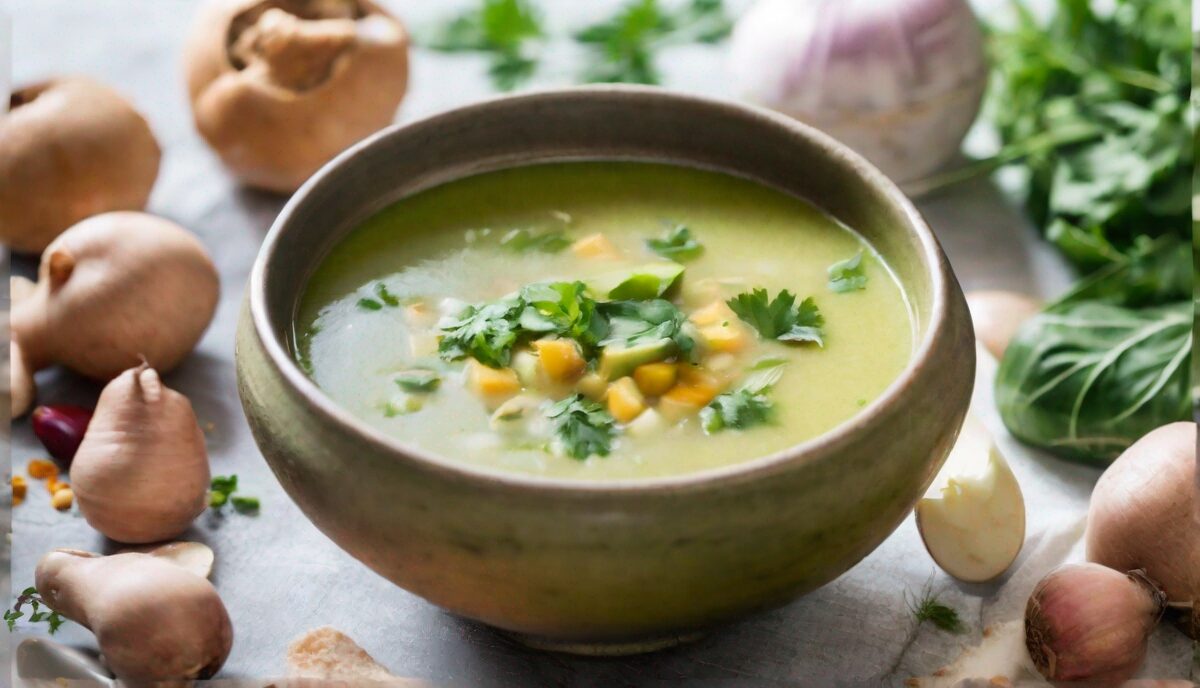
When it comes to supporting digestion and promoting gut health, the foods we choose to eat can make a significant impact. Soups, with their warm and easily digestible nature, can be especially soothing for the digestive system. In this article, we’ll explore a variety of soups that not only comfort the soul but also support gut health and digestion.
The Role of Soups in Digestive Health
Soups are a fantastic way to nourish the body while giving the digestive system a break. The liquid base provides hydration, while the cooked vegetables and gentle spices can aid in digestion. A well-crafted soup can deliver essential nutrients without overburdening the gut.
Ingredients that Promote Gut Health
Incorporating ingredients such as ginger, turmeric, and bone broth into your soups can provide anti-inflammatory properties and support gut healing. Probiotic-rich foods like miso can introduce beneficial bacteria to the digestive tract, further enhancing gut health.
Easy-to-Digest Vegetable Soups
Vegetable soups made with pumpkin, carrots, and zucchini are not only packed with vitamins and minerals but are also easy on the digestive system. Blending these soups can make them even more digestible and creamy without the need for dairy.
Protein-Packed Legume Soups
Lentils and beans are great sources of protein and fiber, which are important for gut health. However, for those with sensitive digestion, it’s essential to introduce these ingredients slowly and in well-cooked forms, like in a smooth lentil soup.
Hydrating Broth-Based Soups
A clear broth soup can be highly hydrating and restorative, especially when infused with herbs like fennel and peppermint, which can help to ease digestive discomfort.
The Science of Temperature and Gastric Emptying
While the nutrient density of your soup matters, the temperature at which you consume it plays a critical role in how quickly your stomach processes the meal. Consuming liquids at room temperature or slightly warm can help maintain the integrity of the gastric mucosa, whereas piping hot liquids may inadvertently irritate a sensitive esophagus or stomach lining. For individuals suffering from gastritis or acid reflux, allowing a soup to cool to a moderate temperature is a simple, often overlooked strategy to reduce the stress placed on the digestive tract during the initial stages of breakdown.
The Importance of Pureeing for Enzymatic Efficiency
For those experiencing temporary digestive flare-ups, such as bloating or post-viral fatigue, mechanical digestion—the process of chewing and grinding food—can be exhausting for the body to manage. Pureeing fibrous vegetables into a velvety consistency minimizes the workload of the stomach. By breaking down cellulose walls before the food even enters the mouth, you allow the stomach to bypass the most energy-intensive phase of digestion. Incorporating starchy tubers like parsnips or sweet potatoes into your blends provides a natural, gut-friendly thickener that eliminates the need for heavy creams, which can be inflammatory for many people.
Strategic Use of Carminative Herbs
Beyond basic seasoning, incorporating carminative herbs into your broth can actively reduce gas and intestinal cramping. Herbs such as dill, caraway seeds, and fresh parsley are not merely garnishes; they contain volatile oils that help relax the smooth muscles of the digestive tract. When simmering your soup, consider tying these herbs in a cheesecloth bouquet garni. This allows the essential oils to infuse the broth without leaving behind tough, fibrous stems that might exacerbate bloating in individuals with slow motility. Fennel bulb, when sautéed until translucent before adding your liquid base, offers a mild, anise-like flavor profile that serves as a potent natural remedy for post-meal distension.
Navigating FODMAPs in Soup Preparation
For those navigating Irritable Bowel Syndrome (IBS), common soup staples like onions and garlic can be significant triggers due to their high fructan content. However, you do not have to sacrifice flavor. You can achieve deep, savory notes by using the green tops of scallions or by infusing your cooking oil with garlic and then removing the solids before adding your vegetables. This “garlic-infused oil” method allows you to capture the flavor compounds without the water-soluble fructans that cause fermentation in the large intestine. Furthermore, opting for low-FODMAP vegetables like carrots, bok choy, and oyster mushrooms ensures that your gut-healing soup remains a source of comfort rather than a source of distress.
The Role of Fermented Finishers
While miso is an excellent addition, it is vital to understand the thermal limitations of probiotics. To ensure you are actually consuming live, active cultures, always stir your miso or raw apple cider vinegar into the soup *after* you have removed it from the heat source. Boiling destroys the beneficial bacteria that support the microbiome. By adding a teaspoon of high-quality, unpasteurized miso or a splash of raw vinegar just before serving, you transform your soup from a simple meal into a functional, probiotic-rich tonic that supports the delicate balance of the gut flora.
Managing Fiber Intake for Sensitive Systems
While fiber is the cornerstone of a healthy microbiome, a sudden increase—especially in the form of insoluble fiber found in raw or undercooked vegetables—can be a shock to a sensitive system. When preparing gut-friendly soups, focus on soluble fiber sources like cooked carrots, squash, and peeled potatoes. These fibers form a gel-like consistency in the gut, which can slow down transit time just enough to allow for better nutrient absorption. If you are introducing legumes, consider using split red lentils rather than whole beans; their lack of a tough outer skin makes them significantly easier to break down, minimizing the risk of gas and discomfort while still providing the essential fuel your gut bacteria crave.
Hydration and Electrolyte Balance
Digestive health is inextricably linked to proper hydration. Many people suffer from mild dehydration, which can lead to sluggish bowel movements and constipation. Soups act as a dual-action hydration tool: they provide the necessary fluid volume while simultaneously supplying electrolytes like potassium and magnesium from the dissolved vegetables. To maximize this, avoid over-salting your soups with processed table salt. Instead, use mineral-rich sea salt or a small amount of dulse flakes. This ensures your body retains the fluid effectively, supporting the mucosal lining of the intestines and ensuring that waste moves through the digestive tract with minimal friction.
FAQs About Soups for Digestion
Can soup help with digestion?
Yes, soup can be very beneficial for digestion due to its hydrating nature and the fact that the ingredients are often cooked until soft, making them easier to digest.
What are the best ingredients for gut-healing soups?
Ingredients such as ginger, turmeric, bone broth, miso, and a variety of vegetables are great for gut-healing soups.
Are spicy soups good for gut health?
While mild spices can stimulate digestion, overly spicy soups may irritate the gut lining. It’s best to enjoy spicy foods in moderation and listen to your body’s response.
How often should I eat soup to support digestion?
Incorporating soup into your diet a few times a week can support digestive health, but individual needs may vary.
Can I make vegan soups that are good for gut health?
Absolutely! Vegan soups can be packed with gut-friendly ingredients like vegetables, legumes, and plant-based broths.
Related posts:
 The Ultimate Green Soup Recipe for Detox and Health
 Fiber for Healthy Aging: Nourishing Your Body as You Grow Older
 Foods That Help You Poop
 Managing Fiber Intake with IBS
 Depression and Gut Health Connection
 Bone Broth Gets a Coffee Shop Makeover
 The Best Spices for Better Digestion and Gut Health
 When Too Much Fiber Becomes a Problem for Your Health