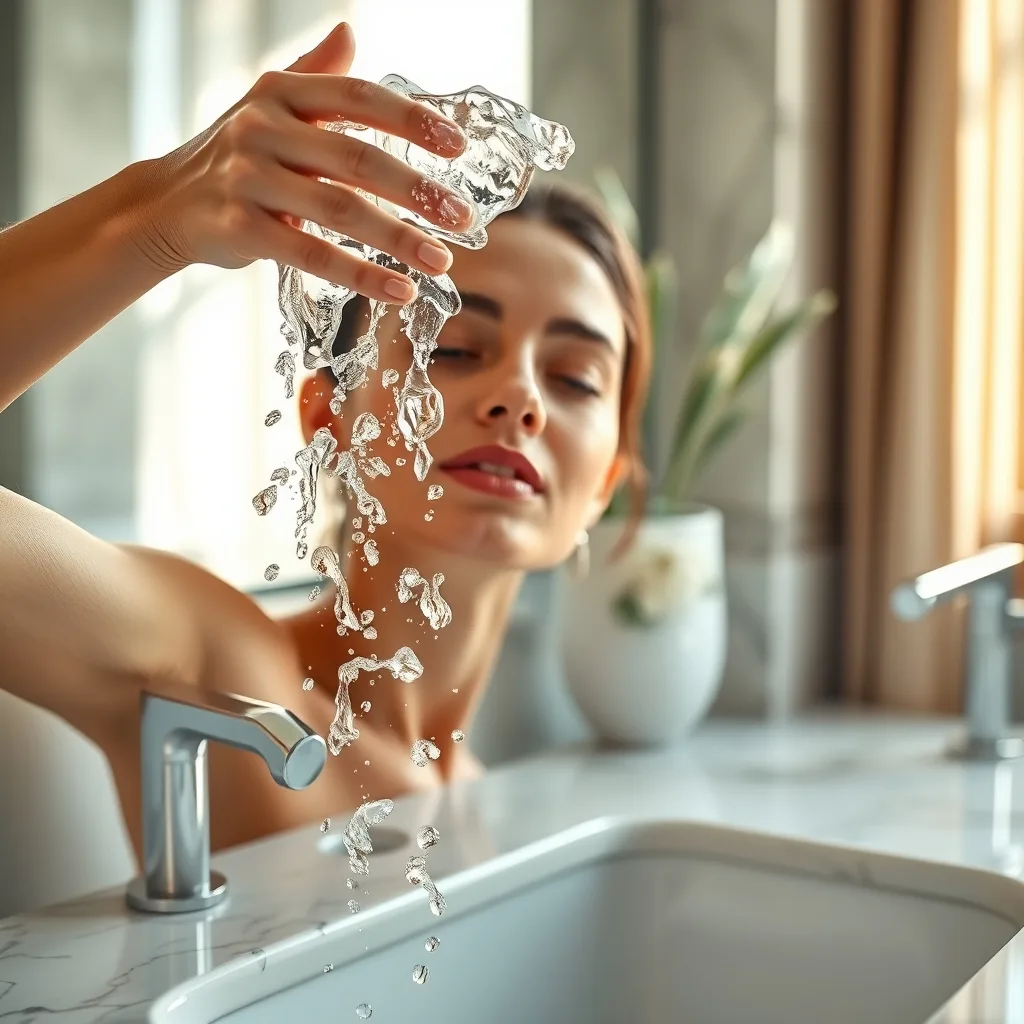
The sparkling water face wash trend has moved from niche beauty forums into mainstream skincare conversations. Influencers tout a fizzy rinse as a gentle way to lift residue, tighten pores, and deliver a burst of minerals without harsh surfactants. While the concept sounds refreshing, it helps to understand what carbonated water actually does to the skin barrier, how to choose a suitable product, and where the method fits within a balanced routine. This guide breaks down the science, offers practical steps for a DIY rinse, and highlights expert advice so you can decide whether the bubbles belong in your bathroom cabinet.
Key takeaways
- Use chilled, unflavored mineral sparkling water to ensure a pH between 4.5 and 5.5 for optimal skin barrier support.
- Apply as a final rinse after cleansing; the carbonation and mineral content help remove residue and soothe redness.
- Avoid using sparkling water to remove oil-based makeup or sunscreen, as it cannot effectively dissolve these products.
- Limit use to once or twice daily to prevent irritation and maintain the natural balance of the skin microbiome.
- Follow the rinse immediately with a moisturizer to lock in hydration and prevent transepidermal water loss.
What Is Sparkling Water Face Wash?
Sparkling water face wash refers to using carbonated water — either straight from a bottle or a home carbonation device — as a final rinse after cleansing or as a standalone splash. The idea originates from Japanese beauty rituals where mineral‑rich onsen water is prized for its perceived brightening effect. Modern versions replace hot spring water with commercially available sparkling water, which contains dissolved carbon dioxide, trace minerals, and a slightly acidic pH typically between 4.5 and 5.5. Proponents claim the micro‑bubbles mechanically dislodge debris while the mild acidity supports the skin’s acid mantle.
Why Carbonation Appeals to Skin Care Enthusiasts
The sensory experience of tiny bubbles popping on the face creates a perception of deep cleaning without the tightness that follows many foaming cleansers. Carbon dioxide dissolved in water forms carbonic acid, a weak acid that can temporarily lower surface pH. A slightly acidic environment discourages the growth of certain bacteria and may help preserve the lipid barrier. Additionally, the effervescence can improve micro‑circulation, giving a brief flush that many users interpret as a glow. These factors combine to make the ritual feel both luxurious and effective.
Potential Benefits Backed by Dermatology Insight
Board‑certified dermatologists note that a brief rinse with mildly acidic water can support barrier function, especially after alkaline cleansers that raise skin pH. The mechanical action of bubbles may assist in removing residual surfactant particles, reducing the risk of irritation. Minerals such as magnesium, calcium, and bicarbonate present in some sparkling waters have anti‑inflammatory properties and can soothe minor redness. However, clinical studies specifically on carbonated water rinses are limited; most evidence comes from research on mineral water therapy and pH‑balanced cleansing. The consensus is that a short, cool rinse is unlikely to cause harm for most skin types and may provide a modest boost in hydration and comfort.
How to Create Your Own Sparkling Water Rinse at Home
Start with a clean basin or a large bowl. Fill it with chilled sparkling water — preferably a brand that lists mineral content and has no added flavors, sweeteners, or sodium. Submerge a soft cotton pad or simply splash the water onto your face using cupped hands. Gently press the pad against the skin for ten to fifteen seconds, allowing bubbles to contact the surface. Pat dry with a clean towel; avoid rubbing. Follow immediately with a hydrating serum or moisturizer while the skin is still damp to lock in moisture. For a more controlled approach, transfer sparkling water into a spray bottle and mist the face from a distance of six inches.
Choosing the Right Sparkling Water for Your Skin Type
Not all carbonated waters are created equal. Look for varieties labeled natural mineral water with a balanced mineral profile — magnesium and calcium are beneficial, while high sodium levels can be drying. Avoid flavored or sweetened options; added citric acid or fruit extracts may lower pH further and irritate sensitive skin. If you have very dry or eczema‑prone skin, opt for a low‑mineral, low‑carbonation water and limit the rinse to once a day. Oily or combination skin may tolerate a slightly higher mineral content and a twice‑daily splash. Always patch‑test a small area behind the ear before full‑face application.
Integrating the Rinse Into a Daily Routine
A typical sequence: cleanse with a gentle, pH‑balanced cleanser, rinse with lukewarm water, then apply the sparkling water splash as a final step before serums. Morning use can refresh the complexion and prep skin for sunscreen. Evening use helps remove any lingering cleanser residue and environmental pollutants. Because the rinse is non‑stripping, it pairs well with active ingredients like vitamin C, niacinamide, or low‑percentage retinoids. Keep the overall routine simple — over‑layering multiple acidic steps can compromise the barrier.
Common Mistakes and How to Avoid Them
One frequent error is using hot sparkling water; heat accelerates carbon dioxide loss and can dehydrate the skin. Stick to cool or room‑temperature water. Another mistake is substituting the rinse for a proper cleanser — sparkling water alone cannot dissolve oil‑based makeup or sunscreen. Skipping moisturizer after the rinse leaves the skin vulnerable to transepidermal water loss. Finally, over‑use — more than twice daily — may lead to mild irritation from repeated pH shifts. Moderation and observation are key.
Expert Tips for Maximizing Results
Dermatologists recommend pairing the fizzy rinse with a barrier‑supporting moisturizer containing ceramides, hyaluronic acid, or glycerin. If you enjoy the ritual, consider a weekly mineral‑rich mask before the rinse to amplify the soothing effect. For travel, carry a small spray bottle of your preferred sparkling water to maintain consistency. Track skin responses in a journal; note any changes in texture, redness, or breakout frequency. Adjust frequency based on seasonal humidity — less in winter, slightly more in humid summer months.
The Chemistry of Carbonic Acid and Skin pH Dynamics
When carbon dioxide dissolves in water it forms carbonic acid, a weak diprotic acid that exists in equilibrium with bicarbonate and carbonate ions. The resulting pH of most commercial sparkling waters falls between 4.5 and 5.5, which mirrors the natural acid mantle of healthy skin. This mild acidity can temporarily lower surface pH after an alkaline cleanser, helping to restore the lipid‑protein matrix that protects against transepidermal water loss. Unlike stronger acids such as glycolic or salicylic acid, carbonic acid does not penetrate deeply; its action is limited to the stratum corneum where it can encourage desquamation of loose corneocytes without triggering inflammation.
The equilibrium between dissolved CO2, carbonic acid, and bicarbonate is temperature dependent. Cooler water retains more CO2, preserving a lower pH and a more vigorous bubble formation. Warm water accelerates degassing, raising pH toward neutral and diminishing the mechanical effect of the bubbles. For this reason, dermatologists recommend using chilled or room‑temperature sparkling water rather than heated varieties. A simple kitchen pH strip can verify that the water you intend to use stays within the target range; values above 6.0 indicate significant CO2 loss and reduced benefit.
Carbonic acid also interacts with calcium and magnesium ions present in mineral‑rich sparkling waters. These divalent cations can stabilize the lipid bilayer by bridging phosphate groups in ceramides, potentially enhancing barrier resilience. However, excessive calcium may deposit as a fine film on the skin if the rinse is not followed by a thorough pat‑dry and moisturizer step. Understanding this chemistry lets you select a water with a balanced mineral profile that supports rather than overwhelms the barrier.
In practice, the brief contact time of a splash or pad press (ten to fifteen seconds) limits the total acid exposure to a few millimoles per square centimeter. This dose is well below the threshold for chemical irritation in most individuals, yet sufficient to nudge the surface pH toward its physiological set point. The result is a subtle tightening sensation that many users interpret as pore refinement, though the effect is largely due to temporary vasoconstriction from the cool temperature rather than structural pore change.
For those who wish to quantify the impact, a handheld skin pH meter can be used before and after the rinse. Typical readings shift from 5.8‑6.2 post‑cleanse down to 4.8‑5.2 after the sparkling water step, returning to baseline within thirty minutes as the skin’s buffering capacity re‑equilibrates. This transient shift is the mechanistic basis for the claimed barrier support and underscores why the rinse should be viewed as a complement to, not a replacement for, a well‑formulated moisturizer.
Microbiome Considerations: How Effervescence Influences Skin Flora
The skin microbiome thrives in a slightly acidic environment; many beneficial Cutibacterium and Staphylococcus species produce antimicrobial peptides that are optimally active at pH 4.5‑5.5. A sparkling water rinse that temporarily lowers surface pH can therefore reinforce the competitive advantage of commensal microbes over opportunistic pathogens such as Staphylococcus aureus, which prefers a more neutral pH. This shift may contribute to the anecdotal reduction in minor breakouts reported by some users.
The mechanical action of micro‑bubbles adds a physical dimension to microbiome modulation. As bubbles collapse, they generate micro‑jets that can dislodge loosely attached biofilms and excess sebum without the shear forces of harsh scrubbing. This gentle disruption may reduce the substrate available for lipophilic yeasts like Malassezia, which are implicated in seborrheic dermatitis and certain forms of fungal acne. However, the effect is modest and should not be relied upon as a primary antimicrobial strategy.
Overuse of acidic rinses can tip the balance toward dysbiosis. Repeated pH fluctuations may select for acid‑tolerant strains while suppressing diversity, a pattern observed in chronic over‑exfoliation. Dermatologists advise limiting the sparkling water step to once or twice daily and monitoring for signs of microbiome disruption such as persistent dryness, increased sensitivity, or sudden flare‑ups of conditions like perioral dermatitis.
Emerging research on post‑biotic metabolites suggests that a stable acid mantle encourages the production of short‑chain fatty acids by resident bacteria, which in turn reinforce barrier lipids. By briefly reinforcing acidity, the sparkling water rinse may indirectly support this beneficial feedback loop. Pairing the rinse with a moisturizer containing prebiotic ingredients such as inulin or lactobacillus ferment can amplify the effect, creating a more resilient microbial ecosystem.
For individuals with diagnosed microbiome‑related disorders — such as rosacea linked to Demodex overpopulation or atopic dermatitis associated with Staphylococcus aureus dominance — the rinse can be a low‑risk adjunct. Clinical case series have noted modest improvements in erythema scores when a mineral‑rich, low‑sodium sparkling water is used as a final rinse after a gentle cleanser, provided the overall regimen remains non‑irritating and barrier‑focused.
Comparing Sparkling Water Rinses to Traditional Toners and Essences
Traditional toners were originally formulated to remove residual cleanser and restore pH after alkaline soaps. Modern toners often contain humectants, botanical extracts, and mild acids, blurring the line between toner and essence. Sparkling water occupies a unique niche: it delivers a pH‑adjusting rinse without added surfactants, fragrances, or preservatives. This purity can be advantageous for ultra‑sensitive skin that reacts to even minimal ingredient lists.
Essences, by contrast, are typically richer in active ingredients such as fermented galactomyces, hyaluronic acid, or niacinamide. They are designed to penetrate and deliver functional benefits beyond pH balancing. Sparkling water lacks these actives, so it cannot replace an essence if your goal is targeted hydration, brightening, or barrier repair. However, it can precede an essence, creating a slightly more receptive surface for subsequent absorption.
Cost per use is another differentiator. A 1 L bottle of premium mineral sparkling water costs roughly $1.50‑$2.50 and yields about 30‑40 facial rinses, translating to $0.04‑$0.08 per application. Comparable toner volumes often cost $15‑$30 for 200 mL, yielding a per‑use cost of $0.07‑$0.15. For budget‑conscious users, the sparkling water route can be economical, especially when a home carbonation device amortizes the expense over months.
Convenience varies. Bottled sparkling water is portable and requires no preparation, making it travel‑friendly. Toners and essences usually come in pump or spray bottles that are equally portable but may be subject to airline liquid restrictions if over 100 mL. Home carbonation systems add a step — charging the cylinder, carbonating, chilling — which some users find ritualistic and enjoyable, while others view it as a barrier to consistency.
From a formulation standpoint, toners often contain alcohol or witch hazel to provide astringency, which can be drying for compromised barriers. Sparkling water’s only astringent quality comes from its cool temperature and mild acidity, offering a gentler alternative. If you currently use an alcohol‑based toner and experience tightness, swapping to a sparkling water rinse for a two‑week trial can reveal whether the astringent component is the culprit.
DIY Carbonation Methods: Home Devices, Soda Siphons, and Bottled Options
Home carbonation devices such as countertop machines use a CO2 cylinder to inject gas into still water under pressure. The primary advantage is control over carbonation level; you can produce lightly fizzy water for sensitive skin or a more vigorous bubble stream for oily complexions. Mineral content can be customized by adding a pinch of food‑grade magnesium citrate or calcium lactate, mimicking the profile of high‑end European mineral waters without the shipping footprint.
Soda siphons, the classic handheld chargers, operate on a similar principle but on a smaller scale. They are ideal for single‑serve batches and require minimal counter space. The cartridges are typically 8 g CO2 each, enough for about 1 L of water. Because the water is carbonated on demand, CO2 loss during storage is eliminated, ensuring a consistent pH each time you rinse. The downside is the recurring cost of cartridges and the need to chill the water separately if you prefer a cool splash.
Bottled sparkling mineral water remains the most accessible option. When selecting a brand, read the label for total dissolved solids (TDS) and specific ion concentrations. Waters with TDS between 200‑500 mg/L usually provide a balanced mix of calcium, magnesium, and bicarbonate without excessive sodium. Avoid brands that list added citric acid, natural flavors, or sweeteners, as these can lower pH below 4.0 and introduce potential irritants.
For those who travel frequently, a compact travel‑size carbonation bottle with a built‑in charger offers a middle ground. These units hold 300‑500 mL, use mini CO2 cartridges, and fit in a carry‑on. They allow you to maintain the ritual without relying on hotel minibars, which often stock only flavored sodas. Remember to depressurize the bottle before opening to avoid a sudden spray that could startle or irritate the eyes.
Regardless of method, hygiene is paramount. Rinse the carbonation vessel with hot water and a fragrance‑free detergent after each use, then air‑dry upside down. Residual biofilm can harbor bacteria that transfer to the face during the rinse. If you notice an off‑taste or cloudiness, discard the batch and clean the equipment thoroughly before the next carbonation cycle.
Tailoring the Ritual for Specific Skin Conditions and Life Stages
Acne‑prone skin often benefits from the mild antimicrobial environment created by a low‑pH rinse. The bubbles can help dislodge oxidized sebum from follicular openings, reducing the substrate for Cutibacterium acnes proliferation. Pair the rinse with a niacinamide serum (2‑5 %) to regulate sebum production and a lightweight, non‑comedogenic moisturizer. Limit the splash to once daily in the evening to avoid over‑drying, which can trigger rebound oiliness.
Rosacea patients should prioritize ultra‑low mineral, low‑carbonation water. High bicarbonate levels can cause a stinging sensation on compromised vasculature. A once‑daily morning rinse with water chilled to 10‑12 °C can provide a soothing vasoconstrictive effect without provoking flare‑ups. Follow immediately with a barrier cream containing ceramides and azelaic acid (if prescribed) to lock in calmness.
Eczema and atopic dermatitis demand the gentlest approach. Choose a sparkling water with TDS below 150 mg/L and sodium under 10 mg/L. Use the rinse only on days when the skin feels particularly tight after cleansing, and always apply a thick occlusive moisturizer (petrolatum‑based or ceramide‑rich) within three minutes while the skin is still damp. Avoid any mechanical rubbing; a soft microfiber cloth pressed lightly is sufficient.
During pregnancy, hormonal shifts can increase sensitivity and pigmentation. The sparkling water rinse is generally safe because it introduces no systemic ingredients. However, heightened olfactory sensitivity may make the faint mineral taste unpleasant. If nausea is triggered, skip the rinse or switch to a plain thermal spring water mist, which offers similar pH benefits without carbonation.
Aging skin often shows reduced natural moisturizing factor and slower barrier recovery. A twice‑daily rinse with a magnesium‑rich sparkling water can support enzymatic processes involved in lipid synthesis. Combine with a peptide‑rich serum and a lipid‑replenishing cream containing cholesterol, ceramides, and fatty acids in a 3:1:1 molar ratio. Seasonal adjustment is key: in winter, reduce frequency to once daily and increase moisturizer occlusion; in humid summer, the twice‑daily routine can be maintained.
Practical Troubleshooting, Storage, and Cost‑Effectiveness Analysis
Loss of fizz before use is the most common complaint. Carbonated water begins degassing the moment the seal is broken; within 30 minutes at room temperature, CO2 levels can drop by 40 %. To preserve effervescence, store opened bottles upright in the refrigerator and consume within 24 hours. For home‑carbonated batches, keep the water in a sealed, pressure‑rated bottle and chill immediately after carbonation.
Irritation or stinging after the rinse usually signals one of three issues: water pH below 4.0, excessive sodium, or temperature shock. Verify pH with a strip; if low, dilute the sparkling water 1:1 with filtered still water. Choose a brand with sodium under 20 mg/L. Allow the water to reach skin temperature (approximately 30‑32 °C) by letting it sit for a minute after removing from the fridge.
Dryness despite moisturizer may indicate that the rinse is stripping residual lipids. Reduce frequency to every other day and incorporate a pre‑rinse oil cleanse to dissolve sunscreen and makeup before the gentle cleanser. This two‑step cleanse leaves fewer surfactants for the sparkling water to remove, lessening the chance of barrier disruption.
Cost analysis over a six‑month period shows that a home carbonation system (initial $80‑$120 plus $0.30 per liter for CO2) yields roughly 180 L, enough for 5,400 rinses at $0.02 per use. Bottled premium mineral water at $2 per liter costs $0.07 per rinse. Toner equivalents average $0.12 per use. Thus, the DIY route becomes cost‑effective after about 2,000 rinses, which most daily users reach within a year.
Environmental impact favors home carbonation when the CO2 cylinder is refilled locally and the water source is tap‑filtered. Single‑use plastic bottles generate ~30 g CO2e per liter; a refillable cylinder spreads the footprint over thousands of liters. If sustainability is a priority, invest in a stainless‑steel carbonation bottle and a municipal water filter to eliminate bottled water entirely.
FAQ
Can sparkling water replace a traditional cleanser?
No. Sparkling water lacks surfactants needed to dissolve oil, makeup, and sunscreen. Use it as a supplemental rinse after a proper cleanser.
Is it safe for sensitive or rosacea‑prone skin?
Generally yes, provided you choose a low‑mineral, unflavored variety and limit use to once daily. Discontinue if stinging or increased redness occurs.
How often should I use a sparkling water rinse?
One to two times per day is typical. Adjust based on how your skin feels; more frequent use offers no extra benefit and may irritate.
Do I need to follow with moisturizer?
Yes. The rinse can momentarily lower surface hydration; applying moisturizer while the skin is still damp seals in water and supports barrier repair.
Are there any long‑term risks?
Current evidence shows no significant long‑term risk when used moderately with appropriate water. Excessive use of highly acidic or high‑sodium sparkling water could disrupt the acid mantle over time.
Related posts:
 Foundation’s Impact on Skin
 Is Drinking Seltzer at Night Bad for Your Gut Health?
 Refresh Your Beverage Game with These Delightful Sparkling Tea Brands
 Aarke Sparkling Water Maker: Elevate Your Hydration Game
 Proper Order of Skincare Application
 Too Clean for Comfort: Why Being Squeaky Clean Might Be Bad for Your Skin
 Gentle Cleansing Tips for Sensitive Skin Types
 You’ve Been Washing Your Face Wrong This Entire Time