Waking up to find a deep, painful cystic bump along your jawline is a frustrating experience that millions of people face. Unlike typical teenage breakouts, hormonal acne often feels relentless, appearing in cyclical patterns that seem immune to standard over-the-counter washes and creams. When the root cause is internal—driven by fluctuations in androgens, cortisol, and insulin—topical treatments often feel like they are merely scratching the surface. This is where the intersection of nutrition and dermatology becomes fascinating, particularly when looking at the supportive role of herbal teas.
Key takeaways
- Spearmint tea may reduce androgen levels, helping to decrease sebum production and cystic acne flares.
- Consistent daily consumption of two cups of organic spearmint tea is recommended for results, which typically appear after 4 to 12 weeks.
- Green tea provides antioxidants that reduce sebum and inflammation, while dandelion root supports liver detoxification of excess hormones.
- Pair herbal tea routines with blood-sugar-stabilizing foods and stress management to address the internal root causes of hormonal breakouts.
While no single beverage can “cure” a complex endocrine imbalance overnight, certain botanicals possess properties that can help modulate the body’s response to hormones. Among these, spearmint tea has emerged as a powerful ally for those struggling with androgen-driven skin issues. By integrating specific herbal infusions into a holistic wellness plan, you can support your body’s natural detoxification processes and potentially calm the inflammation that leads to stubborn breakouts.
Understanding the Mechanics of Hormonal Acne
To understand why a specific tea might help, we first have to understand why hormonal acne happens. Most hormonal breakouts are triggered by an increase in androgens—male hormones like testosterone that are present in everyone, regardless of gender. When androgen levels are too high, or when the skin’s sebaceous glands are overly sensitive to these hormones, the body produces an excess of sebum (oil).
This excess oil clogs pores and creates an anaerobic environment where acne-causing bacteria thrive. Hormonal acne is typically characterized by its location—most commonly appearing on the chin, jawline, and lower cheeks—and its timing, often flaring up before or during a menstrual cycle. It is also frequently linked to conditions such as Polycystic Ovary Syndrome (PCOS), chronic stress, or insulin resistance. Because the trigger is systemic, the most effective approach is usually one that addresses the internal environment as well as the external skin barrier.
The Science Behind Spearmint Tea
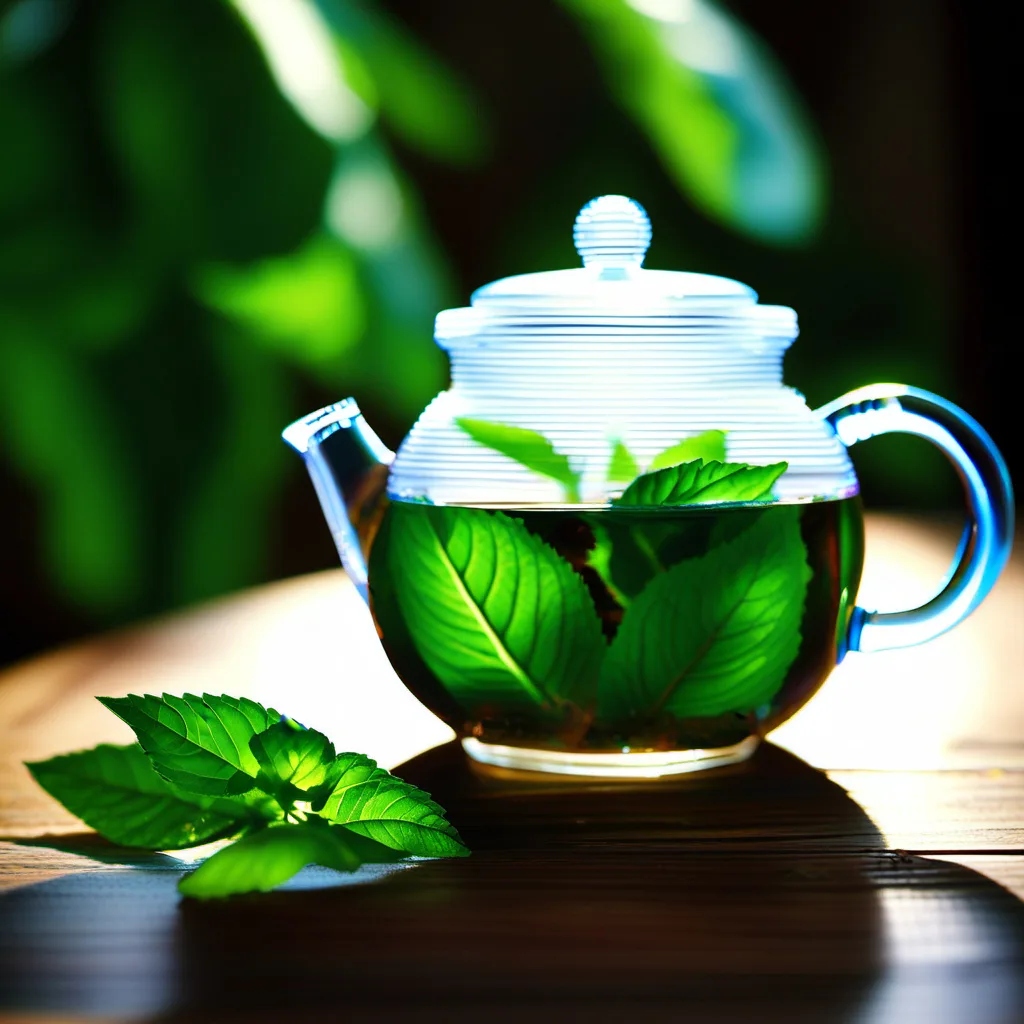
Spearmint tea (*Mentha spicata*) is often highlighted in holistic dermatology due to its potential anti-androgenic effects. Unlike peppermint tea, which is more focused on digestive health and respiratory relief, spearmint contains specific compounds that may help lower the levels of free testosterone in the blood.
When free testosterone levels are reduced, the sebaceous glands receive fewer signals to overproduce oil. This reduction in sebum production can lead to fewer clogged pores and a decrease in the frequency of cystic lesions. For many, this means a visible reduction in the “angry” red bumps that typically characterize hormonal flares. Furthermore, spearmint possesses natural antimicrobial and anti-inflammatory properties, which help soothe existing inflammation and prevent the spread of bacteria across the skin’s surface.
How to Incorporate Spearmint Tea Into Your Routine
To reap the potential benefits of spearmint tea, consistency is key. Herbal remedies do not work like pharmaceutical interventions; they require a cumulative effect to influence the body’s hormonal balance. Here is a practical guide on how to integrate it into your daily life:
- Dosage: Most practitioners suggest two cups of organic spearmint tea per day. Drinking one cup in the morning and one in the evening helps maintain a steady presence of the active compounds in your system.
- Quality Matters: Opt for organic, loose-leaf spearmint or high-quality tea bags. Avoid blends that contain added sugars or artificial flavorings, as sugar can spike insulin and counteract the anti-androgenic benefits of the tea.
- Brewing Technique: Steep the tea for 5 to 10 minutes. A longer steep ensures that the essential oils and polyphenols are fully extracted from the leaves.
- Timing: While you can drink it at any time, some find that drinking it after a meal helps stabilize the post-meal glucose response, further supporting hormonal balance.
It is important to note that it may take 4 to 12 weeks of consistent use before you notice a visible change in your skin. Patience is essential when working with botanical supports.
Complementary Teas for a Clearer Complexion
While spearmint is the star for androgen control, other teas can support the skin by targeting different pathways, such as inflammation, oxidative stress, and liver detoxification.
Green Tea for Oxidation and Sebum
Green tea is rich in epigallocatechin gallate (EGCG), a powerful antioxidant. EGCG helps reduce sebum production and protects the skin from oxidative damage caused by UV rays and pollution. Drinking green tea or applying it topically can help reduce the redness associated with inflammatory acne.
Dandelion Root for Liver Support
The liver is responsible for metabolizing and clearing excess hormones from the body. If the liver is sluggish, hormones like estrogen and testosterone can recirculate, potentially exacerbating acne. Dandelion root tea acts as a gentle diuretic and liver tonic, supporting the organ’s ability to filter toxins and process hormones efficiently.
Nettle Tea for Mineral Balance
Stinging nettle tea is packed with minerals and has a mild diuretic effect. It is often used to reduce systemic inflammation and support the kidneys. For those whose acne is linked to general systemic inflammation, nettle tea provides a nutrient-dense way to soothe the body from the inside out.
The Connection Between Liver Health and Skin
There is an old saying in holistic health: “The skin is a mirror of the gut and the liver.” When the liver is overwhelmed by toxins, processed foods, or an excess of hormones, the body may attempt to eliminate these substances through the skin. This can manifest as breakouts, rashes, or increased oiliness.
By utilizing teas like dandelion root or milk thistle, you support the liver’s Phase I and Phase II detoxification pathways. When the liver efficiently breaks down excess androgens and estrogen, there is less “hormonal noise” reaching the skin. This synergy between liver support and anti-androgenic herbs creates a more sustainable environment for clear skin. Pairing your tea routine with a high-fiber diet—which helps bind and excrete hormones through the digestive tract—further enhances this process.
Balancing Your Diet to Support Your Tea Routine
Tea is a wonderful tool, but it cannot override a diet that actively triggers hormonal imbalances. To maximize the effects of spearmint and green teas, consider these nutritional adjustments:
- Stabilize Blood Sugar: Insulin spikes trigger the ovaries and adrenal glands to produce more androgens. Focus on complex carbohydrates (quinoa, sweet potatoes) and pair them with proteins and healthy fats to slow glucose absorption.
- Increase Omega-3 Fatty Acids: Flaxseeds, chia seeds, and fatty fish like salmon help reduce the production of pro-inflammatory leukotrienes, which can make acne more severe.
- Limit High-Glycemic Dairy: For some, cow’s milk contains growth hormones and IGF-1 (insulin-like growth factor 1), which can stimulate oil glands and worsen hormonal acne. Try switching to unsweetened almond or coconut milk.
- Hydrate Beyond Tea: While tea counts toward your fluid intake, pure water is essential for flushing out the waste products that the liver and kidneys process.
Managing Stress and the Cortisol-Acne Link
You can drink all the spearmint tea in the world, but if you are in a state of chronic stress, your skin will likely reflect it. Stress triggers the release of cortisol, the “stress hormone.” Cortisol doesn’t just affect your mood; it directly stimulates the sebaceous glands to produce more oil.
This is why many people experience a “stress breakout” during finals week or a high-pressure project at work. To combat this, treat your tea-drinking time as a mindfulness ritual. Instead of drinking your tea while scrolling through emails, take five minutes to breathe deeply, feel the warmth of the mug, and disconnect from digital stressors. This simple shift helps lower cortisol levels, complementing the biological work the tea is doing to balance your androgens.
When to Seek Professional Guidance
While herbal teas are a gentle and effective supportive measure for many, they are not a replacement for medical diagnosis and treatment. It is important to consult a healthcare provider if you experience the following:
- Severe Cystic Acne: If your acne is causing deep nodules that lead to permanent scarring, a dermatologist can provide interventions to prevent lifelong skin damage.
- Symptoms of PCOS: If your acne is accompanied by irregular periods, unexpected hair growth (hirsutism), or sudden weight gain, you may have Polycystic Ovary Syndrome, which requires a comprehensive medical management plan.
- Pregnancy or Nursing: Always consult a doctor before introducing medicinal herbs like spearmint or nettle during pregnancy or breastfeeding, as some herbs can affect hormone levels or milk supply.
- Medication Interactions: If you are taking hormonal birth control, spironolactone, or blood-thinning medications, check with your pharmacist to ensure there are no contraindications with herbal teas.
The goal is not to choose between “natural” and “medical” treatments, but to find an integrated approach that respects your body’s unique needs.
Creating Custom Herbal Blends for Your Menstrual Cycle
While drinking spearmint tea daily provides a baseline of anti-androgenic support, the body’s hormonal needs are not static. For those who menstruate, the fluctuations between the follicular and luteal phases can change how the skin reacts to sebum and inflammation. By tailoring your tea blends to align with your cycle, you can more precisely target the specific hormonal shifts that trigger breakouts.
During the follicular phase (from the first day of your period until ovulation), estrogen levels gradually rise. This is often a time when the skin feels its most resilient and glowy. To support this phase, you can blend spearmint with nettle tea. The mineral-rich profile of nettle supports the liver’s processing of rising estrogen, while the spearmint keeps androgens in check, preventing the mid-cycle “ovulation breakout” that some experience as estrogen peaks and dips. A ratio of one part spearmint to one part nettle, steeped for seven minutes, creates a nutrient-dense infusion that prepares the skin for the coming weeks.
The luteal phase (from ovulation until the start of the next period) is typically when hormonal acne is most aggressive. Progesterone rises, and for many, the relative increase in androgen activity leads to the classic jawline cysts. During this window, it is beneficial to increase the potency of your liver-supporting teas. Consider a “Luteal Blend” consisting of spearmint, dandelion root, and a pinch of ginger. The dandelion root assists the liver in clearing the spent hormones of the cycle, while ginger adds a potent anti-inflammatory element to reduce the swelling and pain of cystic lesions. If you find your skin becomes excessively oily during this time, adding a cup of green tea in the afternoon can help modulate sebum production via its EGCG content.
For those with irregular cycles or PCOS, where ovulation may not occur predictably, a “steady-state” approach is best. A blend of spearmint and green tea, consumed consistently throughout the month, provides a dual-action approach: reducing the androgenic signal and protecting the skin from oxidative stress. The key is to observe your skin’s patterns over three months and adjust the ratios—increasing the dandelion root if you feel more “congested” or increasing the spearmint if the cystic bumps become more frequent.
The Gut-Skin Axis and the Estrobolome
To fully appreciate why herbal teas work, we must look beyond the liver and examine the gut-skin axis. A critical but often overlooked component of hormonal acne is the estrobolome—the collection of bacteria in the gut specifically tasked with metabolizing and eliminating estrogen. When the gut microbiome is imbalanced (dysbiosis), the estrobolome may malfunction, leading to the reabsorption of estrogen back into the bloodstream instead of its excretion. This creates a hormonal feedback loop that can exacerbate androgenic acne.
Herbal teas can support this process indirectly by modulating the internal environment. For example, the polyphenols found in green tea and the volatile oils in spearmint act as mild prebiotics, feeding beneficial bacteria that maintain the integrity of the gut lining. When the gut barrier is strong, there is a reduction in systemic inflammation (often referred to as “leaky gut”), which means fewer pro-inflammatory cytokines reach the skin’s sebaceous glands. This reduces the likelihood that a hormonal shift will trigger a full-blown inflammatory response.
To maximize the gut-supporting benefits of your tea routine, consider pairing your infusions with specific prebiotic fibers. Drinking a cup of spearmint tea after a meal rich in Jerusalem artichokes, chicory root, or raw garlic helps the estrobolome function more efficiently. If you are experiencing a severe flare-up, adding a small amount of apple cider vinegar to your water before your tea can help prime the stomach’s acidity, ensuring that the botanical compounds in the tea are absorbed more effectively in the small intestine. By treating the gut as the “processing plant” for the hormones that the tea is helping to balance, you create a more comprehensive path to clear skin.
Navigating Potential Side Effects and Herbal Sensitivities
While herbal teas are generally safe, they are biological agents that can interact with the body in complex ways. Understanding the edge cases and potential side effects is crucial for a sustainable long-term routine. One of the most common considerations with the mint family is the effect on the digestive system. Spearmint and peppermint can relax the lower esophageal sphincter, which may exacerbate Gastroesophageal Reflux Disease (GERD) or acid reflux. If you find that drinking spearmint tea leads to heartburn, try shifting your consumption to earlier in the day and avoid drinking it within three hours of lying down.
Another important consideration is the role of tannins, which are naturally occurring polyphenols found in green tea and some herbal infusions. Tannins can bind to non-heme iron (the type of iron found in plant foods) and inhibit its absorption. For individuals struggling with anemia or low ferritin levels, drinking green tea or strong herbal infusions during a meal may interfere with iron uptake. To avoid this, leave a gap of about 60 to 90 minutes between your iron-rich meals and your tea consumption. This ensures you receive the skin-clearing benefits of the tea without compromising your mineral status.
Furthermore, some individuals may experience a “healing crisis” or an initial increase in breakouts when starting a liver-supporting tea like dandelion root. This is not necessarily a sign that the tea is causing acne, but rather a result of the liver accelerating the detoxification process. As the liver processes accumulated toxins and hormones more efficiently, some of these waste products may temporarily be expelled through the skin. If this occurs, do not stop the routine abruptly; instead, increase your intake of pure water and ensure you are eating enough cruciferous vegetables (like broccoli and kale) to provide the sulfur needed for Phase II liver detoxification. If the breakout is accompanied by itching or hives, however, it may be an allergic sensitivity to the Asteraceae family (which includes dandelion and chamomile), in which case the tea should be discontinued.
Synergizing Internal Tea Rituals with Targeted Topical Actives
The most effective approach to hormonal acne is a “sandwich” method: treating the root cause internally with teas and managing the surface symptoms topically. Because spearmint tea works on the androgenic signal (reducing the amount of oil produced), it changes the environment of your pores. This makes your topical skincare more effective because the active ingredients don’t have to fight through a thick layer of sebum to reach the follicle.
If you are using spearmint tea to reduce oil production, the ideal topical partner is a Beta Hydroxy Acid (BHA), such as salicylic acid. While the tea prevents *future* oil buildup, BHA penetrates existing oil plugs to dissolve the “glue” holding dead skin cells together. Using a 2% BHA liquid exfoliant two to three times a week while drinking spearmint tea creates a synergistic effect: the tea lowers the oil supply, and the BHA clears the remaining debris. This prevents the formation of the anaerobic environment where acne bacteria thrive.
For those dealing with the redness and inflammation that accompany hormonal cysts, pairing your tea routine with Niacinamide (Vitamin B3) is highly effective. Niacinamide helps stabilize the skin barrier and regulates sebum production from the outside, mirroring the work the spearmint tea is doing from the inside. Additionally, if you are using dandelion root tea to support liver detox, you may find that your skin becomes more sensitive to environmental stressors. Incorporating a soothing ceramide cream or a centella asiatica serum can protect the skin barrier while your internal system is in a state of flux.
An example of a synchronized daily routine would look like this: a morning cup of spearmint tea followed by a gentle cleanser and Niacinamide serum; a mid-day green tea for antioxidant protection; and an evening cup of dandelion root tea paired with a BHA treatment on the jawline. This ensures that every stage of the acne cycle—from hormone signaling to sebum production to bacterial inflammation—is being addressed simultaneously.
Implementing a Skin-Hormone Tracking System
Because herbal remedies work cumulatively and the skin’s turnover cycle takes several weeks, it is easy to become discouraged or misattribute a flare-up to the tea. To avoid this, implementing a structured tracking system is essential. A “Skin-Cycle Log” allows you to move from guesswork to data-driven wellness, helping you identify exactly which teas are working and where adjustments are needed.
Create a simple grid or use a journaling app with the following columns: Date, Cycle Day, Tea Intake (type and quantity), Stress Level (1-10), Sleep Quality, and Skin Status (number of new lesions/inflammation level). By tracking these variables, you may discover patterns that aren’t immediately obvious. For instance, you might notice that your skin flares up three days after a high-stress event regardless of your tea intake, suggesting that you need to increase your cortisol-lowering rituals (like deep breathing during your tea time) rather than changing the tea itself.
When analyzing your log, look for the “lag time.” Hormonal acne often has a delayed reaction; a spike in androgens today might not manifest as a cyst for 7 to 10 days. If you notice a breakout on day 22 of your cycle, look back at your log for day 12 to 15. Did you skip your spearmint tea? Was your sleep poor? This retrospective analysis prevents the common mistake of blaming a treatment for a breakout that was actually triggered a week prior. Additionally, take “baseline” photos of your jawline and cheeks in consistent lighting every two weeks. Often, the reduction in inflammation is gradual—the cysts may not disappear entirely, but they may become smaller, less painful, and heal faster—changes that are easier to see in photos than in the mirror every morning.
Managing the Plateau and Long-Term Sustainability
Many people experience a “honeymoon phase” where their skin clears up significantly in the first two months of a tea regimen, followed by a plateau where progress seems to stall. This is a normal biological response known as homeostasis, where the body adapts to a consistent stimulus. When you hit a plateau, it doesn’t mean the tea has stopped working; it means your body has reached a new equilibrium and may require a slight shift in strategy to continue improving.
To break through a plateau, consider “cycling” your herbs. Instead of drinking spearmint tea every single day for a year, try a 5-on, 2-off approach, or rotate your secondary teas. For example, spend one month focusing on the spearmint/green tea combination for sebum control, and the following month focusing on spearmint/dandelion root for liver support. This prevents the body from becoming too accustomed to a single botanical compound and keeps the detoxification pathways active.
Another factor in long-term sustainability is the quality of the botanicals. Over time, the potency of loose-leaf tea can diminish if not stored correctly. Ensure your teas are kept in airtight, opaque containers away from direct sunlight and heat, as the essential oils (like menthone in spearmint) are volatile and can evaporate. If you notice the aroma of your tea has faded, the anti-androgenic potency has likely decreased as well.
Finally, evaluate your lifestyle evolution. As your skin clears, you may feel the temptation to relax your dietary habits or stress management. However, hormonal acne is a systemic issue. The tea provides the support, but the lifestyle provides the foundation. Maintain your blood-sugar stability and omega-3 intake even after the cysts have vanished. The goal is to transition the tea from a “treatment” to a “maintenance ritual,” shifting from two cups a day to perhaps one cup or a targeted blend during the luteal phase, ensuring that your skin remains clear and your hormones stay balanced for the long term.
Frequently Asked Questions
1. Can I use peppermint tea instead of spearmint tea for acne?
No, they are not interchangeable for this specific purpose. While both are in the mint family, spearmint (*Mentha spicata*) has the specific anti-androgenic properties that help reduce testosterone levels. Peppermint (*Mentha piperita*) is excellent for digestion and focus, but it does not have the same effect on hormonal acne.
2. How long does it take to see results from drinking spearmint tea?
Skin cells take about 28 to 40 days to turn over, and hormonal shifts happen slowly. Most people report a noticeable difference in inflammation and frequency of breakouts after 4 to 8 weeks of consistent use (two cups daily). It is not an overnight fix, but a gradual balancing act.
3. Will spearmint tea affect my overall hormone levels too much?
For most healthy adults, drinking two cups of spearmint tea a day is a gentle way to support the body and is unlikely to cause a systemic hormonal crash. However, because it affects androgens, those with specific endocrine disorders or those taking hormone-replacement therapy should consult their doctor to ensure it aligns with their treatment.
4. Can I drink these teas with honey or sugar?
It is best to drink them plain or with a squeeze of lemon. Adding sugar or honey can cause an insulin spike, which triggers the production of androgens—essentially canceling out the benefits of the spearmint tea. If you need a sweetener, a small amount of stevia or a tiny bit of raw honey is acceptable, but plain is ideal for skin health.
5. Is it okay to use spearmint tea topically as a toner?
Yes, cooled spearmint tea can be used as a soothing rinse due to its antimicrobial and anti-inflammatory properties. However, the anti-androgenic effect (the reduction of testosterone) happens through ingestion, not topical application. For the best results, drink the tea for the hormonal balance and use it topically for surface soothing.
Related posts:
 The Best Toners for Acne-Prone Skin That Won’t Strip Your Face
 The Hidden Mental Health Cost of Adult Acne
 Forehead Frustration: Why Your Face Keeps Breaking Out in That One Spot
 DIY Natural Acne Treatment
 Dandelion Tea Benefits: Detoxification and Beyond
 Brain-Healthy Teas
 Move Over Kombucha, a New Health Drink Is In Town
 Can Collagen Really Clear Acne?