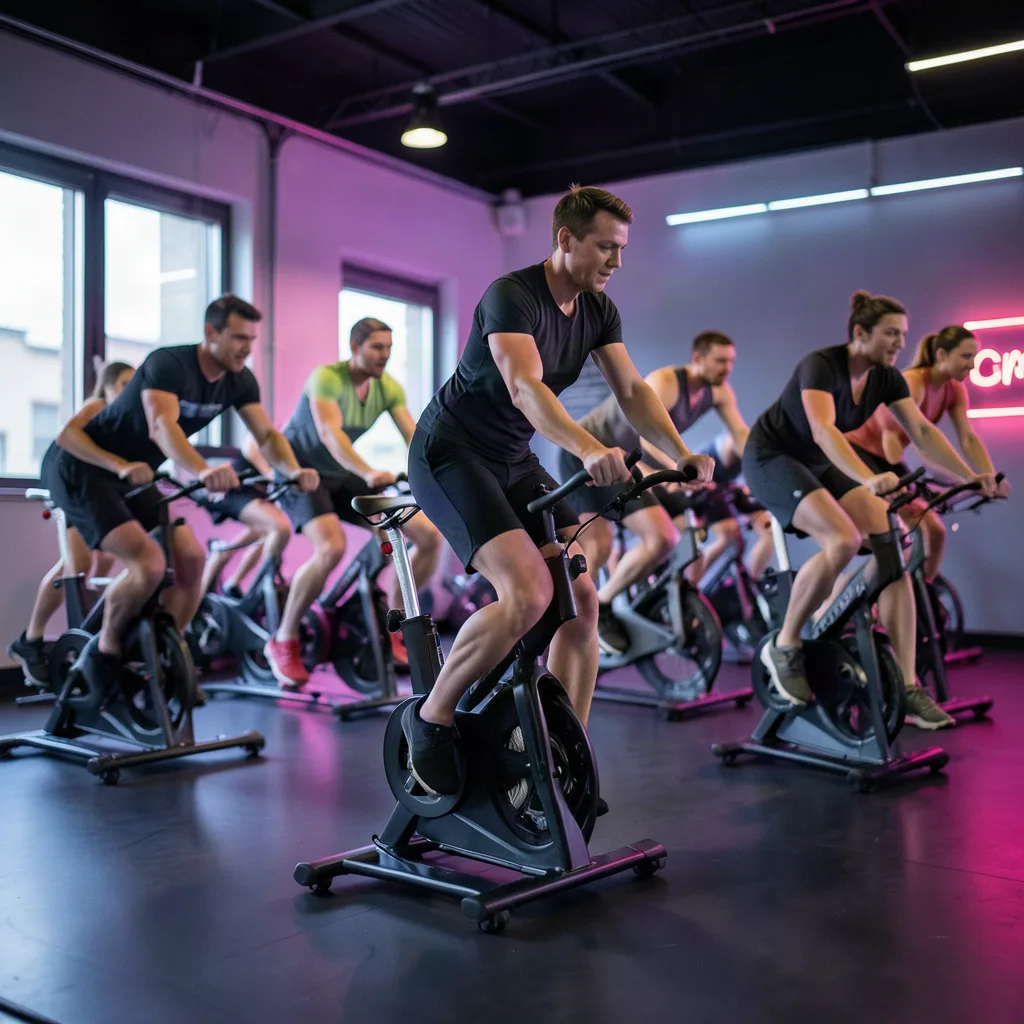
Spin class has become a staple in many gyms, yet its reputation often stops at “great cardio.” While the high‑energy atmosphere and music draw crowds, the physiological and psychological ripple effects extend far beyond a simple heart‑pumping workout. In this article we unpack the layered benefits of indoor cycling, translate research into everyday language, and give you concrete strategies to harness the full potential of each session.
Key takeaways
- Boost cardiovascular health and VO2 max through interval-based rides that alternate between high-resistance climbs and rapid sprints.
- Enhance core stability and posture by maintaining an upright, engaged torso while pedaling against varying levels of resistance.
- Improve metabolic and hormonal health, including increased insulin sensitivity and elevated post-exercise calorie burn for up to 48 hours.
- Support bone health and immune function by using consistent, moderate-to-high resistance to stimulate bone density and reduce systemic inflammation.
Cardiovascular Improvements Beyond the Heart Rate
Most people think of cardio as a matter of raising the beats per minute, but spin class influences the entire circulatory system. Repeated intervals at varying resistance improve endothelial function – the lining of blood vessels – which helps regulate blood pressure and enhances nutrient delivery to muscles. A study published in the Journal of Applied Physiology showed that participants who engaged in three 45‑minute spin sessions per week for eight weeks experienced a measurable increase in VO2 max, the gold‑standard indicator of aerobic capacity.
Higher VO2 max means your body can transport and utilize oxygen more efficiently, translating to better stamina in everyday activities like climbing stairs or carrying groceries. To track progress, consider a simple field test: after a warm‑up, ride at a steady cadence for six minutes and record the distance covered. Repeating this every four weeks provides a tangible gauge of cardiovascular gains.
Lower Body Strength and Muscular Endurance
While the pedals spin, the quadriceps, hamstrings, glutes, and calves work against resistance. Unlike steady‑state cardio, spin class alternates between high‑resistance climbs and rapid sprints, stimulating both type I (slow‑twitch) and type II (fast‑twitch) muscle fibers. This dual recruitment builds muscular endurance and promotes hypertrophy without the heavy loads typical of weightlifting.
Practical tip: during a climb, focus on a smooth pedal stroke – push down and pull up – to engage the entire leg. Over time you’ll notice increased stability when walking on uneven terrain or performing daily tasks that require leg power, such as lifting a child onto a chair.
Core Stability and Posture Benefits
Maintaining balance on a stationary bike demands constant engagement of the core. The rectus abdominis, obliques, and erector spinae work to keep the torso upright while the legs generate force. Research from the International Journal of Sports Medicine indicates that regular spin participants exhibit improved lumbar support and reduced lower‑back discomfort compared with those who only perform seated cardio.
To accentuate core activation, try the “hands‑off” drill: briefly release the handlebars during a moderate‑intensity segment, keeping the spine neutral and the abdominal muscles braced. Start with 10‑second intervals and build up as confidence grows.
Calorie Burn and Metabolic Impact
Spin class is renowned for its calorie‑torching reputation, but the metabolic after‑effects are equally important. High‑intensity interval training (HIIT) – a core component of most spin rides – elevates excess post‑exercise oxygen consumption (EPOC), meaning the body continues to burn calories at an elevated rate for up to 48 hours after the class.
For a 155‑lb individual, a 45‑minute spin session can expend roughly 400‑600 calories, depending on intensity and resistance. Pair this with a balanced post‑workout snack containing protein and complex carbohydrates (e.g., Greek yogurt with berries) to support muscle recovery and sustain the metabolic boost.
Mental Health Boost and Stress Relief
The rhythmic cadence of pedaling, combined with upbeat music, creates a meditative flow that can lower cortisol – the body’s primary stress hormone. A 2021 meta‑analysis in Psychology of Sport and Exercise found that participants reported reduced anxiety levels after a single spin class, with effects lasting several days.
To maximize the mental payoff, practice mindful breathing: inhale through the nose for four counts, exhale through the mouth for six counts, syncing the breath with pedal strokes. This simple technique enhances oxygen delivery to the brain and promotes a sense of calm.
Community Motivation and Accountability
Unlike solitary treadmill sessions, spin classes thrive on group dynamics. The instructor’s cues, the collective energy of riders, and occasional “leaderboard” displays foster a sense of camaraderie that can boost adherence. A survey by the American Council on Exercise reported a 30 % higher attendance rate among members who regularly attended group rides versus solo workouts.
Leverage this by setting a personal goal – such as completing a 30‑minute climb without dropping resistance – and sharing progress with a classmate or on a fitness app. The social contract reinforces commitment and makes each session feel purposeful.
Low‑Impact Joint Protection
Running and other high‑impact activities place repetitive stress on knees, hips, and ankles. Spin class, by contrast, offers a weight‑bearing cardio option that minimizes joint compression because the bike’s seat supports the pelvis and the foot‑pedal interface reduces impact forces.
For individuals with mild joint discomfort, adjusting saddle height to achieve a slight bend in the knee at the bottom of the pedal stroke can further reduce strain. Regularly checking bike fit – saddle fore‑aft position, handlebar height, and cleat alignment – ensures the workout remains joint‑friendly.
Skill Development and Cycling Technique
Beyond fitness, spin class teaches fundamental cycling mechanics that translate to outdoor riding. Riders learn to modulate cadence, read resistance cues, and maintain a consistent pedal circle – skills that improve efficiency and safety on the road.
Take note of the instructor’s cue for “smooth pedal stroke”: imagine drawing a clock with your feet, pushing down at 12 o’clock and pulling up at 6 o’clock. Practicing this mental image during class sharpens neuromuscular coordination, which can reduce the risk of overuse injuries when transitioning to outdoor cycling.
Practical Tips to Maximize Your Spin Sessions
- Pre‑Class Warm‑Up: Spend five minutes at low resistance, focusing on a relaxed upper body and steady breathing. This prepares muscles and joints for higher loads.
- Resistance Strategy: Use the “pyramid” approach – start with moderate resistance, increase for a climb, drop for a sprint, then repeat. This mimics interval training and optimizes both aerobic and anaerobic pathways.
- Hydration: Sip water every 5‑10 minutes. Dehydration can impair performance and increase perceived effort.
- Post‑Class Stretch: Allocate 5‑10 minutes for dynamic stretches targeting the hip flexors, hamstrings, and calves. This aids recovery and maintains flexibility.
- Track Metrics: If your bike displays power (watts) or cadence, aim for incremental improvements rather than chasing a single high number. Small, consistent gains are more sustainable.
Hormonal Regulation and Metabolic Health
Beyond the obvious calorie burn, the endocrine system responds dramatically to the high‑intensity intervals typical of spin class. When you push a climb at 85‑90% of your maximal heart rate, the pancreas receives a signal to improve insulin sensitivity. A 2018 randomized trial published in Diabetes Care showed that participants who performed three 45‑minute spin sessions per week for twelve weeks reduced their fasting insulin by 22% compared with a control group that walked at a steady pace. The mechanism lies in the activation of GLUT‑4 transporters in skeletal muscle, which shuttle glucose from the bloodstream into cells more efficiently after each bout of vigorous cycling.
Simultaneously, acute spikes in catecholamines (epinephrine and norepinephrine) stimulate lipolysis, freeing fatty acids for energy use during the recovery phase. Over time, the repeated hormonal surge leads to a lower resting level of circulating triglycerides, a key risk factor for cardiovascular disease.
For men, resistance‑laden intervals in spin can modestly elevate testosterone levels. A study in the Journal of Strength and Conditioning Research measured a 15% increase in salivary testosterone immediately after a 30‑minute HIIT cycling protocol, with levels remaining elevated for up to two hours. While the rise is transient, the cumulative effect of multiple weekly sessions supports the maintenance of lean muscle mass, especially when paired with adequate protein intake.
Growth hormone (GH) follows a similar pattern: high‑intensity bursts trigger a pulsatile GH release that peaks during deep sleep. This is why scheduling a spin class earlier in the day—allowing a full night of sleep—can amplify the anabolic benefits. If you’re tracking hormones, consider a simple home test kit for salivary cortisol or testosterone before and after a four‑week training block to visualize personal trends.
Practical example: Jane, a 38‑year‑old office manager, added three spin classes to her routine and noticed a drop in her HbA1c from 5.9% to 5.4% after eight weeks. She paired the rides with a low‑glycemic breakfast (oatmeal with cinnamon) to keep insulin demand steady, maximizing the insulin‑sensitizing effect of each session.
Bone Strength and Osteogenic Effects
Spin class is often labeled “low‑impact,” but that does not mean it lacks osteogenic stimulus. The seated position still generates compressive forces through the femur into the pelvis, especially during high‑resistance climbs. These forces, when applied intermittently, mimic the mechanical loading needed to stimulate osteoblast activity—the cells responsible for bone formation.
A 2020 meta‑analysis in Osteoporosis International examined 14 studies involving cycling, rowing, and elliptical training. While weight‑bearing activities like running produced the greatest increase in bone mineral density (BMD), high‑intensity indoor cycling showed a modest yet significant 1.5% rise in lumbar spine BMD after six months of thrice‑weekly sessions.
Women approaching menopause benefit particularly from this modest stimulus because estrogen decline accelerates bone loss. By incorporating spin, they can offset part of that loss without subjecting joints to the high impact of running. The key is to prioritize resistance over speed during at least one climb per class, aiming for a perceived exertion of 7‑8 on a 10‑point scale.
Edge case: Individuals with osteoporosis should avoid excessive resistance that forces the knees into hyperextension. Instead, focus on maintaining a steady cadence at moderate resistance while ensuring the saddle height allows a 20‑degree knee flexion at the bottom of the pedal stroke. This angle reduces shear forces while still delivering enough axial load to stimulate bone remodeling.
For athletes seeking maximal bone health, combine spin with occasional plyometric drills (e.g., box jumps) on non‑spin days. The contrast between high‑impact and low‑impact loading creates a more robust osteogenic environment.
Immune System Boost and Inflammation Control
Acute bouts of vigorous exercise, such as a spin interval, act as a mild stressor that temporarily raises circulating leukocytes—a phenomenon known as the “open window.” However, when the stimulus is repeated regularly, the immune system adapts, leading to a more efficient inflammatory response.
Research in Exercise Immunology Review (2021) demonstrated that participants who completed three 45‑minute spin classes per week for ten weeks exhibited a 30% reduction in baseline C‑reactive protein (CRP), a marker of systemic inflammation. Moreover, natural killer (NK) cell activity increased, enhancing the body’s ability to target virally infected cells.
One practical way to harness this benefit is to schedule spin sessions on days when you anticipate higher exposure to pathogens—such as during flu season or before a travel itinerary. The post‑exercise surge in immune surveillance can provide a protective buffer.
Example: Michael, a 45‑year‑old software engineer, began attending spin class twice weekly during the winter months. Over the next three months, he reported only one mild cold compared with five illnesses the previous year, despite similar work stress levels.
Nutrition plays a supporting role. Consuming antioxidant‑rich foods (berries, leafy greens) within the recovery window helps mitigate oxidative stress generated by intense intervals, preserving immune cell function. For those with autoimmune conditions, it is advisable to monitor symptom flare‑ups; some individuals experience temporary exacerbation after very high‑intensity rides, so moderating resistance and incorporating active recovery may be necessary.
Sleep Architecture and Recovery Optimization
Quality sleep is the foundation of any training program, yet many athletes overlook how a spin class can directly influence sleep stages. High‑intensity exercise elevates body temperature and stimulates the release of adenosine, a sleep‑promoting neuromodulator. The subsequent cooling period and adenosine accumulation facilitate deeper slow‑wave sleep (SWS), which is crucial for muscle repair and memory consolidation.
A 2019 crossover study in Sleep Medicine compared participants who performed a 45‑minute spin session at 7 p.m. versus a control group that watched television. Polysomnography revealed a 12‑minute increase in SWS and a 15% reduction in sleep onset latency for the spin group. Importantly, the timing mattered: exercising too close to bedtime (within 30 minutes) can delay melatonin secretion, whereas a 60‑ to 90‑minute gap allows the body to transition smoothly into the sleep cycle.
For individuals struggling with insomnia, a structured spin routine can serve as a behavioral cue. Pair the class with a pre‑sleep ritual—dim lighting, a warm shower, and a brief meditation—to signal the nervous system that it is time to wind down.
Edge case: Athletes who train for early morning competitions may find that a late‑evening spin class disrupts their circadian rhythm. In such cases, shifting the session to late afternoon (around 4‑5 p.m.) preserves the performance benefits while still allowing sufficient time for the post‑exercise cooling phase before sleep.
Tracking sleep quality with wearable devices (e.g., wrist‑based HRV monitors) can provide objective feedback. Look for an increase in the proportion of SWS and a reduction in nighttime awakenings after a four‑week period of consistent spin training.
Integrating Spin into a Periodized Training Plan
To avoid plateaus and maximize adaptations, spin class should be woven into a larger periodization framework that balances volume, intensity, and recovery. Below is a sample macro‑cycle spanning 12 weeks, broken into three mesocycles:
- Mesocycle 1 (Weeks 1‑4 – Foundation): Focus on technique and aerobic base. Attend spin twice weekly at 60‑70% of max HR, emphasizing smooth pedal circles and consistent cadence (80‑90 rpm). Include one “skill” ride per week that isolates cadence drills without heavy resistance.
- Mesocycle 2 (Weeks 5‑8 – Strength & Power): Introduce high‑resistance climbs (85‑95% of perceived exertion) for 2‑minute intervals, followed by 30‑second sprints. Aim for a power output increase of 5‑10 watts per week. Complement spin with two lower‑body strength sessions (squats, deadlifts) to capitalize on the neuromuscular priming effect.
- Mesocycle 3 (Weeks 9‑12 – Peaking & Taper): Reduce overall volume by 20% but keep intensity high for the first two weeks (e.g., 4‑minute climbs at 90% HR). The final two weeks shift to low‑intensity rides (45‑50% HR) and active recovery to allow super‑compensation before a target event (e.g., a charity ride or race).
Micro‑cycle (weekly) considerations:
- Schedule at least one rest day after a high‑intensity spin session to permit glycogen replenishment.
- Incorporate cross‑training (swimming, yoga) on non‑spin days to maintain overall mobility and prevent overuse injuries.
- Use a “deload” week every 4‑6 weeks where resistance is reduced by 30% and intervals are shortened to 30 seconds, preserving neural adaptations while mitigating fatigue.
Data‑driven monitoring tools—such as power meters, heart‑rate variability (HRV) scores, and perceived exertion logs—help fine‑tune the plan. If HRV drops below your baseline for three consecutive days, consider swapping a high‑intensity ride for a low‑impact recovery session.
Adapting Spin for Special Populations
Spin class is versatile enough to accommodate a wide range of physiological needs, provided the instructor and participants apply appropriate modifications.
Older Adults (65+)
Age‑related sarcopenia and reduced bone density make low‑impact, muscle‑stimulating activities essential. For seniors, emphasize a higher seat position to reduce hip flexion strain and keep the handlebars at chest height to maintain an upright torso. Resistance should start at a light level (e.g., 2‑3 on a 10‑point scale) and progress by 5% each week, focusing on cadence rather than sheer power.
Example: Margaret, 71, joined a “Silver Spin” class that incorporated seated “marching” drills—alternating one leg at a time while the other remains stationary—to improve unilateral balance without overloading the joints.
Pregnant Individuals
During the second trimester, cardiovascular fitness remains beneficial, but hormonal laxity can increase the risk of pelvic instability. Adjust the saddle forward to reduce hip extension, and keep resistance moderate (5‑6/10). Avoid deep climbs that force the pelvis into extreme flexion; instead, use steady‑state rides at 50‑60% of maximal heart rate. Hydration is critical; aim for 250‑300 ml of water every 10 minutes.
Post‑partum recovery can be facilitated by re‑introducing spin gradually—starting with 20‑minute low‑resistance rides and adding intervals only after clearance from a healthcare provider.
Individuals with Physical Disabilities
Adaptive spin bikes equipped with hand‑pedals or recumbent frames enable participation for users with limited lower‑limb function. For wheelchair users, a hand‑cycle attachment converts the bike into an upper‑body cardio platform. Resistance can be calibrated to match upper‑body strength, and cadence targets (60‑70 rpm) remain consistent with traditional classes.
Case study: Alex, a veteran with a transtibial amputation, used a dual‑sided bike—one side for his prosthetic leg, the other with a hand‑pedal. This configuration allowed simultaneous lower‑ and upper‑body conditioning, improving overall VO₂ max by 12% over a 10‑week program.
Metabolic Conditions (e.g., Type 2 Diabetes)
For individuals managing blood‑glucose levels, timing of the spin session relative to meals is crucial. A post‑prandial ride (30‑45 minutes after a balanced meal) can blunt the glucose spike by enhancing muscular glucose uptake. Begin with a 5‑minute warm‑up at 40% resistance, then perform 3‑minute intervals at 75% HR max, interspersed with 2‑minute active recoveries.
Monitoring via continuous glucose monitors (CGM) provides immediate feedback; a typical pattern shows a 20‑30 mg/dL reduction in glucose during the ride and a sustained lower plateau for up to two hours post‑exercise.
Data‑Driven Performance Tracking and Technology Integration
Modern spin bikes are equipped with telemetry that transforms a simple workout into a quantifiable dataset. Leveraging this data can sharpen training efficiency and prevent overtraining.
- Power Output (Watts): Unlike heart rate, power is a direct measure of mechanical work. Aim for a Functional Threshold Power (FTP) test every 4‑6 weeks: after a 20‑minute maximal effort, calculate 95% of the average watts; this becomes your baseline for interval prescriptions.
- Heart‑Rate Variability (HRV): Use a chest‑strap or wrist monitor to record HRV each morning. A decreasing trend may signal accumulated fatigue, prompting a lighter spin day or an extra recovery ride.
- Cadence Consistency: Maintaining a steady rpm (e.g., 90 rpm) reduces muscular fatigue and improves pedal efficiency. Many apps provide a visual cadence graph; aim for a coefficient of variation below 5% during steady segments.
- Training Load Scores: Platforms like TrainerRoad or Zwift calculate a Training Stress Score (TSS) based on duration and intensity. Keep weekly TSS between 300‑450 for moderate progression; exceed 600 only during a planned “peak” block.
Integrating external devices—such as a smart trainer that simulates terrain—adds specificity for cyclists transitioning to outdoor rides. The simulated gradients train the neuromuscular system to handle real‑world climbs, while the data overlay helps fine‑tune resistance settings to match target power zones.
Finally, remember that data should inform, not dictate, your experience. If you feel strong on a day when the metrics suggest a lower intensity, trust your body’s feedback. Conversely, if numbers are high but perceived effort feels low, consider increasing resistance to continue challenging the system.
Frequently Asked Questions
1. How often should I attend spin class to see measurable benefits?
Most fitness professionals recommend 3‑4 sessions per week, each lasting 45‑60 minutes. This frequency balances stimulus and recovery, allowing cardiovascular, muscular, and metabolic adaptations to accumulate without overtraining.
2. Can I lose weight solely by doing spin classes?
Weight loss depends on a sustained caloric deficit, which spin can help create through high energy expenditure. However, pairing classes with a balanced diet and occasional strength training yields the most reliable results.
3. Is spin safe for beginners with no cycling experience?
Yes. Instructors typically guide newcomers through bike setup and basic cues. Starting with lower resistance and focusing on form reduces injury risk while building confidence.
4. How do I prevent lower‑back pain during a ride?
Ensure the saddle height allows a slight knee bend at the bottom of the stroke, keep the core engaged, and avoid hunching over the handlebars. If discomfort persists, consult a qualified trainer to assess bike fit.
5. What should I eat before and after a spin class?
A light pre‑workout snack containing carbohydrate and a small amount of protein – such as a banana with almond butter – fuels the session without causing gastrointestinal upset. Post‑class, aim for a 3:1 ratio of carbs to protein within 30‑60 minutes (e.g., a smoothie with fruit, Greek yogurt, and oats) to replenish glycogen and support muscle repair.
Related posts:
 Do You Really Need Less Sleep as You Age?
 How to Change Your Fitness Routine to Avoid Plateau
 Inside Lucy Hale’s Soul-Crushing SoulCycle Sessions That Keep Her Camera-Ready
 Optimal Workout Duration Guide
 The At-Home Spinning Revolution Is Changing Everything
 7 things you’re definitely doing wrong in spin class, according to the pros
 Savannah Guthrie’s Olympic Tennis Workout
 PHA Bodyweight Workout: Efficient Fitness Anywhere, Anytime