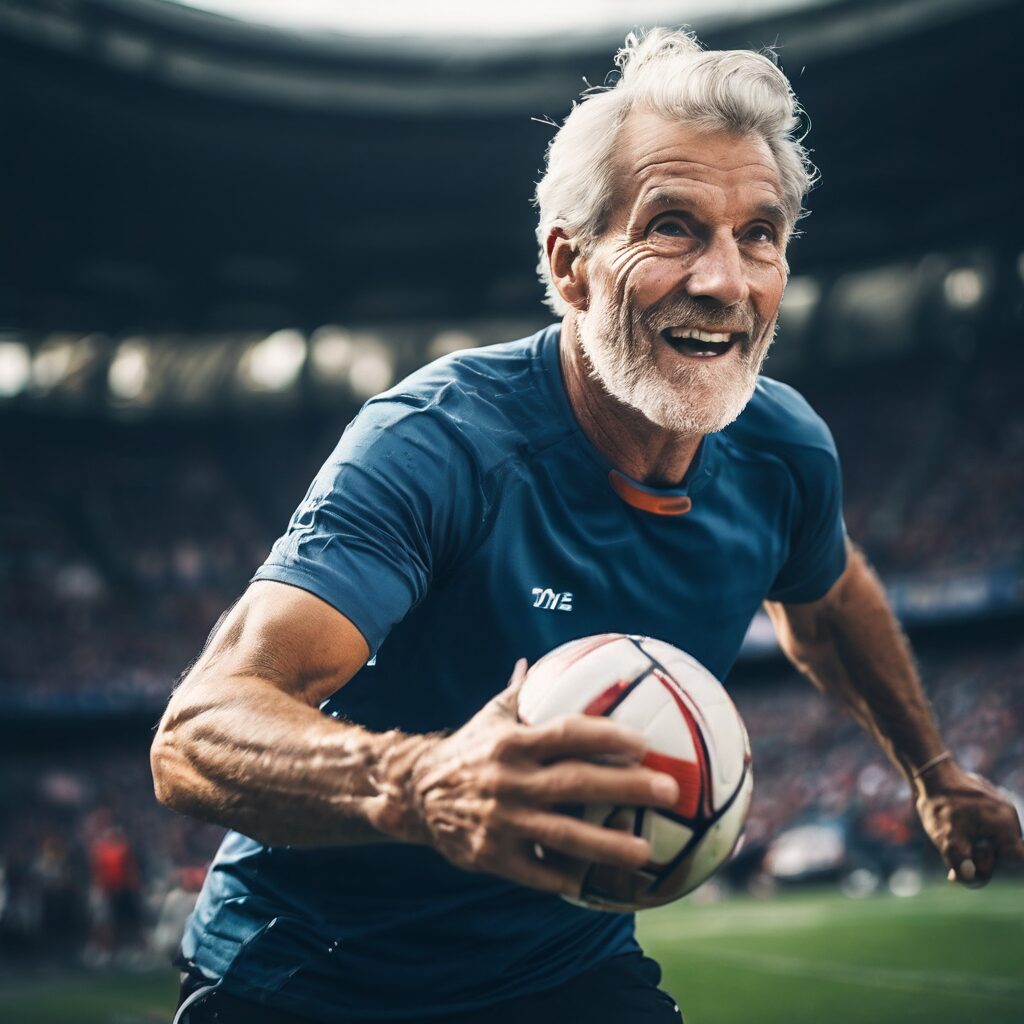
Engaging in regular physical activity is essential for maintaining a healthy lifestyle. Participating in sports not only improves physical fitness but also enhances mental well-being and social connections. In this article, we will explore various sports that could help you live longer and lead a healthier life.
Benefits of Regular Physical Activity
Before diving into specific sports, it is important to understand the overall benefits of regular physical activity:
- Improved cardiovascular health
- Stronger muscles and bones
- Better mental health and mood
- Increased life expectancy
- Enhanced social interactions and relationships
Swimming
Swimming is an excellent full-body workout that is easy on the joints. It provides cardiovascular benefits, builds muscle strength, and improves flexibility. Swimming regularly can help reduce the risk of chronic diseases such as heart disease, stroke, and diabetes. Additionally, the meditative nature of swimming can help reduce stress and improve mental health.
Cycling
Cycling is a low-impact exercise that is great for cardiovascular health. It strengthens the lower body, improves joint mobility, and can be done at any intensity level. Cycling has been linked to a reduced risk of heart disease, cancer, and overall mortality. It is also an eco-friendly mode of transportation, promoting a sustainable lifestyle.
Tennis
Tennis is a high-intensity sport that offers numerous health benefits. It improves cardiovascular health, increases muscle tone, and enhances coordination and balance. Studies have shown that playing tennis regularly can add years to your life by reducing the risk of cardiovascular diseases and improving overall fitness levels.
Running
Running is one of the most accessible sports that offers significant health benefits. It improves cardiovascular health, strengthens muscles, and aids in weight management. Regular running has been associated with a longer lifespan and a lower risk of chronic diseases. It also provides mental health benefits by reducing symptoms of depression and anxiety.
Yoga
While not a traditional sport, yoga is a physical activity that promotes longevity through its focus on flexibility, strength, and mental well-being. Yoga helps reduce stress, improve cardiovascular health, and enhance overall physical fitness. Practicing yoga regularly can lead to a healthier, longer life by promoting balance and reducing the risk of chronic diseases.
The Social Dynamics of Team Sports: Soccer and Basketball
While solo activities like running provide excellent cardiovascular conditioning, team sports such as soccer and basketball offer a unique longevity advantage through the lens of social cohesion and high-intensity interval patterns. Research, including the long-term Copenhagen City Heart Study, suggests that individuals who participate in sports involving a social component tend to live significantly longer than those who exercise alone. This is likely due to the psychological support, accountability, and stress-mitigation effects of being part of a group. In soccer, the player is constantly switching between walking, jogging, and sprinting. This natural form of High-Intensity Interval Training (HIIT) is superior for improving VO2 max—the maximum amount of oxygen your body can use during exercise—which is one of the strongest predictors of a long life.
Basketball offers similar benefits but adds a heavy emphasis on vertical power and bone loading. Every jump for a rebound or a layup sends a signal to the osteoblasts in the bones to increase density, a critical factor in preventing osteoporosis and fractures in later life. For middle-aged and older adults, the transition into team sports should be handled with care. To mitigate the risk of acute injuries like ACL tears or Achilles tendon ruptures, it is advisable to engage in a “pre-habilitation” phase. This includes strengthening the glutes, hamstrings, and calves before hitting the court or field. Small-sided games, such as 3-on-3 basketball or 5-a-side soccer, are often better for longevity because they ensure more touches on the ball and higher continuous movement without the extreme fatigue of full-field play.
The Cognitive Demands of Badminton and Squash
While the existing article touches on tennis, the broader category of racket sports—specifically badminton and squash—deserves attention for their extreme demands on the brain-body connection. These sports require rapid-fire decision-making, spatial awareness, and lightning-fast reflexes. This “neuro-athleticism” helps maintain the health of the prefrontal cortex and cerebellum, potentially delaying the onset of cognitive decline and dementia. Squash, in particular, is often cited as one of the most calorie-dense sports in existence. Because the ball remains in play for longer periods compared to tennis, the player’s heart rate remains elevated in the aerobic-anaerobic threshold for the duration of the match, leading to massive improvements in heart wall thickness and stroke volume.
Badminton, often underestimated in its intensity, involves more jumping and overhead reaching than almost any other racket sport. This promotes shoulder mobility and core stability. For those concerned about the high impact on knees, playing on specialized sprung-wood floors or high-quality mats is an essential edge case to consider. Furthermore, these sports are inherently “playful.” The gamification of exercise through scoring and competition releases higher levels of dopamine and endorphins compared to the repetitive nature of a treadmill. This neurochemical reward makes it easier to maintain a consistent habit over decades, which is the ultimate secret to longevity. If you find the intensity of squash too high, “Pickleball” has emerged as a lower-impact alternative that retains the social and cognitive benefits while being significantly easier on the joints of aging athletes.
Golf as a Long-Term Cardiovascular and Metabolic Strategy
Golf is frequently dismissed as a sedentary hobby, but when played correctly—meaning walking the course rather than using a cart—it becomes a powerhouse for longevity. A standard 18-hole round involves walking between five and seven miles, often over undulating terrain. This provides several hours of “Zone 2” cardio, a heart rate zone where the body becomes highly efficient at burning fat and improving mitochondrial health. Mitochondria are the powerhouses of our cells, and their decline is a primary driver of aging. The sustained, low-intensity effort of a four-hour walk helps maintain mitochondrial density and insulin sensitivity.
Beyond the physical walking, the mechanics of the golf swing require significant rotational mobility in the thoracic spine and hips. Loss of rotation is a common cause of lower back pain and balance issues in the elderly. By maintaining this range of motion, golfers often preserve their functional independence much longer than their sedentary peers. There is also the “green space” factor; spending hours in a natural environment has been shown to lower cortisol levels and blood pressure. For those with existing joint issues, using a push-cart (or “trolley”) allows for the walking benefits without the spinal compression of carrying a heavy bag. To maximize the longevity benefits of golf, players should focus on a brisk walking pace between holes to keep the heart rate slightly elevated, turning a leisure activity into a legitimate metabolic workout.
Resistance Training and the Preservation of Lean Muscle Mass
While not a “sport” in the sense of a match with a ball, competitive or structured resistance training (such as powerlifting, bodybuilding, or functional fitness competitions) is perhaps the most critical addition to a longevity regimen. Sarcopenia, the age-related loss of muscle mass, is a major risk factor for falls, frailty, and metabolic disease. Engaging in sports that prioritize lifting weights or moving one’s own body weight against gravity ensures that the body retains its “anabolic potential.” Muscle acts as a metabolic sink, absorbing excess glucose from the bloodstream and helping to prevent Type 2 diabetes, a known life-shortener.
Strength-based sports also increase bone mineral density through a process known as Wolff’s Law, which states that bones adapt to the loads under which they are placed. For an older adult, the ability to perform a goblet squat or a deadlift translates directly to the ability to get out of a chair or pick up a grocery bag. An important edge case here is the “master athlete”—individuals over 50 who continue to lift. They often require longer recovery times and a higher protein intake to see the same results as younger lifters. Focusing on compound movements—squats, hinges, pushes, and pulls—provides the most “bang for your buck” in terms of hormonal health, specifically the maintenance of growth hormone and testosterone levels, which naturally decline with age.
Hiking and the Physiological Impact of Uneven Terrain
Hiking takes the benefits of walking and multiplies them by introducing the variable of uneven terrain. Unlike a flat sidewalk or treadmill, hiking trails require the brain and body to constantly communicate regarding balance and foot placement. This enhances proprioception—the body’s ability to sense its position in space. As we age, proprioception often dulls, leading to an increased risk of falls. By navigating rocks, roots, and inclines, hikers strengthen the small stabilizer muscles around the ankles, knees, and hips that are rarely used in traditional sports.
The eccentric loading—the tension placed on muscles as they lengthen, such as when walking downhill—is particularly effective at building leg strength and improving bone density. Furthermore, hiking often involves changes in altitude, which can stimulate the production of red blood cells and improve oxygen transport efficiency. For those looking to start, using trekking poles is a highly effective way to reduce the impact on the knees by up to 25% while simultaneously engaging the upper body, turning a hike into a full-body workout. The mental health aspect of “forest bathing” or being in nature has been scientifically linked to reduced rumination and lower activity in the part of the brain associated with mental illness, adding a layer of psychological longevity to the physical gains.</n
Martial Arts and Tai Chi for Neuromuscular Longevity
Martial arts, ranging from the high-intensity movement of Brazilian Jiu-Jitsu to the meditative flow of Tai Chi, offer a comprehensive approach to aging well. Tai Chi, often called “meditation in motion,” is world-renowned for its ability to improve balance and prevent falls in the elderly. It focuses on slow, deliberate movements and deep diaphragmatic breathing, which shifts the nervous system from a “fight or flight” sympathetic state into a “rest and digest” parasympathetic state. This shift is vital for reducing chronic inflammation, which is a root cause of most age-related diseases.
On the more vigorous end, sports like Judo or Jiu-Jitsu teach “break-falling”—the art of falling to the ground without sustaining injury. This is a literal life-saving skill for older adults. These grappling sports also build incredible grip strength, which is a surprisingly accurate biomarker for overall longevity and cardiovascular health. For those concerned about the intensity of combat sports, many dojos offer “no-contact” versions or technical drilling classes that provide the movement benefits without the risk of sparring injuries. The discipline and hierarchy of martial arts also provide a sense of purpose and continuous learning (the “white belt mindset”), which keeps the brain plastic and resilient against the effects of aging.
Rowing and the Efficiency of Cross-Training
Rowing is unique because it is one of the few low-impact sports that utilizes nearly every major muscle group in the body—specifically about 86% of the muscles. Each stroke involves a powerful leg drive, a core stabilization phase, and an upper-body pull. This makes it an incredibly efficient tool for cardiovascular health and muscular endurance simultaneously. Because it is non-weight-bearing, it is an ideal sport for individuals with obesity or those recovering from lower-limb injuries who still need to maintain a high level of aerobic fitness to protect their heart.
The rhythmic nature of rowing has a similar psychological effect to swimming, often inducing a flow state that reduces anxiety. In terms of longevity, rowing is exceptional for building a “strong back,” which is the foundation of good posture. As people age, the tendency to hunch forward (kyphosis) can restrict lung capacity and lead to chronic pain; rowing directly counteracts this by strengthening the posterior chain. An edge case to consider is proper technique; many beginners pull with their arms first, which can strain the lower back. Learning to drive with the legs ensures that the largest muscles in the body are doing the heavy lifting, protecting the spine and maximizing the metabolic burn. Whether on open water or a rowing machine (ergometer), the ability to control resistance makes it a sport that can be scaled from a gentle recovery session to an Olympic-level sprint, accommodating the athlete through every decade of life.
FAQ
1. How often should I engage in these sports to see benefits?
For optimal health benefits, it is recommended to engage in at least 150 minutes of moderate-intensity or 75 minutes of high-intensity physical activity per week, as suggested by health experts. This can be achieved by participating in any of the sports mentioned regularly.
2. Can older adults participate in these sports?
Yes, older adults can participate in these sports, but it is important to consult with a healthcare provider before starting any new physical activity. Modifications and lower-intensity versions of these sports can be made to accommodate different fitness levels and physical capabilities.
3. Are there any risks associated with these sports?
While these sports offer numerous health benefits, it is important to practice them safely to avoid injuries. Proper warm-up, cool-down, and using appropriate gear can help minimize risks. Consulting with a healthcare provider or a fitness professional can also provide guidance on safe participation.
4. Can participating in these sports replace other forms of exercise?
Participating in these sports can be a significant part of a well-rounded fitness routine. However, incorporating a variety of physical activities, including strength training and flexibility exercises, can provide comprehensive health benefits.
5. What if I don’t enjoy these sports?
If you don’t enjoy these sports, it’s important to find an activity that you do enjoy. The key to maintaining a healthy lifestyle is consistency, and you are more likely to stick with an activity that you find enjoyable and fulfilling.
Related posts:
 Quick Cardio Fix: Tracy Anderson’s 7-Minute Heart-Pumping Workout Video
 Exercise and Dementia Prevention
 Benefits of Walking Backwards
 Inside Lucy Hale’s Soul-Crushing SoulCycle Sessions That Keep Her Camera-Ready
 Benefits of Brisk Walking
 PHA Bodyweight Workout: Efficient Fitness Anywhere, Anytime
 HIIT Workouts Explained: Everything You Need to Know
 Kate Hudson’s Latest Obsession: The High-Energy Workout Called PloyoJam