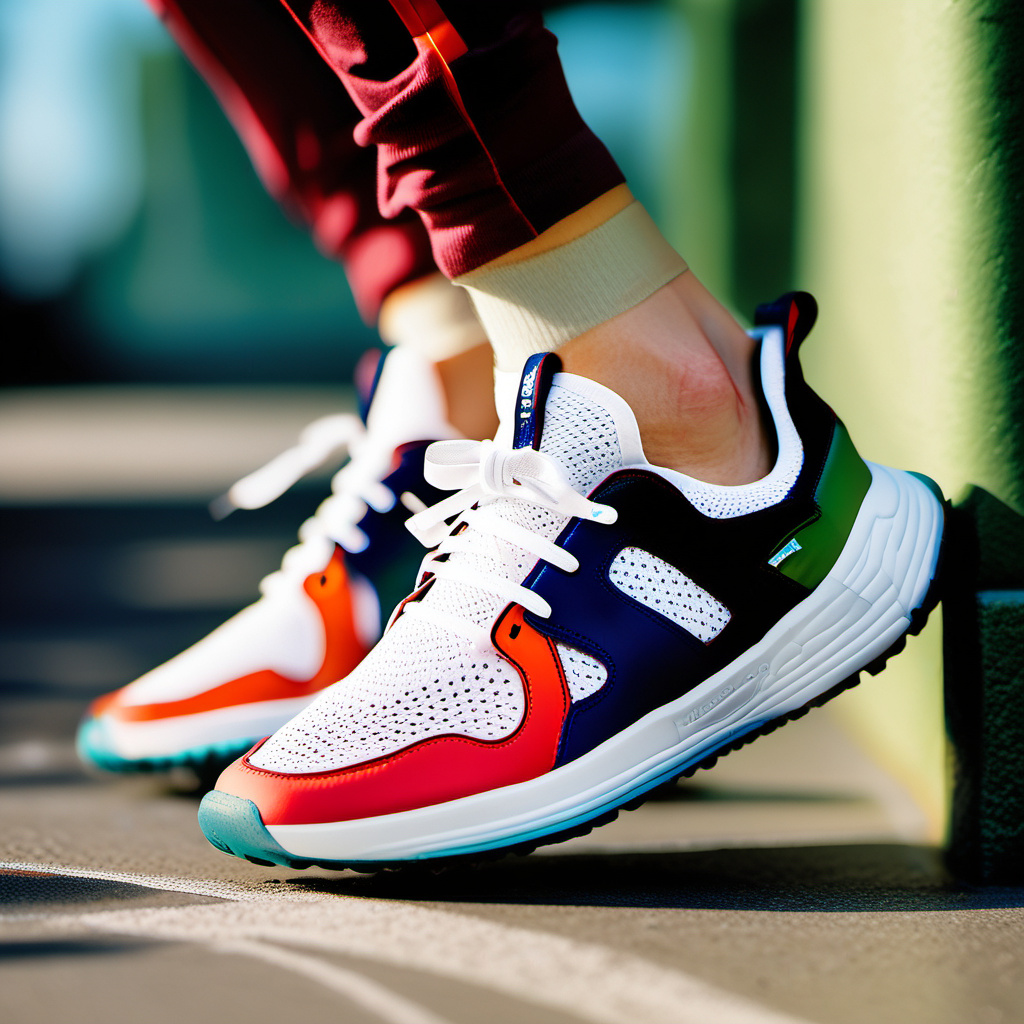
As the days grow longer and the weather warms, spring invites us to step outside, refresh our routines, and embrace new energy. One of the easiest ways to welcome the season is with a pair of sneakers that blend performance, comfort, and style. Whether you’re logging miles on the trail, powering through gym sessions, or simply strolling through the city, the right sneakers can elevate your experience. This year, the freshest spring sneakers cater to every workout and lifestyle—from ultra-lightweight runners to eco-conscious everyday kicks.
Choosing the right pair isn’t just about aesthetics; it’s about matching your foot’s needs to the demands of your activities. The best spring sneakers offer breathability for rising temperatures, durable support for varied terrains, and versatile designs that transition seamlessly from workout to weekend. Below, we explore the top trends, must-have features, and standout models to help you step confidently into the season.
Why Spring Calls for a Sneaker Refresh
Spring is a season of renewal, and your footwear should reflect that. As temperatures fluctuate and outdoor activities increase, your winter boots or worn-out trainers may no longer cut it. Spring sneakers are designed with breathable uppers to prevent overheating, lightweight materials to reduce fatigue, and enhanced traction for wet or uneven surfaces. They also tend to feature brighter colors and playful patterns, aligning with the season’s vibrant mood.
Moreover, spring is peak time for hybrid workouts—think outdoor HIIT, trail running, or casual hikes. A dedicated spring sneaker can handle the transition between pavement, grass, and gym floors without compromising comfort or performance. If your current pair feels heavy, stiff, or lacks support, it’s a sign to upgrade.
Key Features to Look for in Spring Sneakers
Not all sneakers are created equal. For spring, prioritize these features to ensure your feet stay happy, supported, and stylish:
- Breathability: Look for mesh or knit uppers that allow airflow, reducing sweat and blisters. Brands like Nike and Adidas often use engineered meshes that balance ventilation with structure.
- Lightweight Cushioning: Technologies such as Nike’s ZoomX, Adidas’ Boost, or Hoka’s EVA foam provide responsive, bouncy rides without adding bulk. These are ideal for runners and walkers.
- Water Resistance: Spring showers are unpredictable. Opt for sneakers with water-repellent coatings or sealed seams to keep your feet dry during light rain.
- Versatile Outsoles: A grippy, multi-directional tread pattern ensures stability on wet sidewalks, muddy trails, or gym floors. Vibram soles, for example, are a top choice for trail runners.
- Arch Support: If you have flat feet or high arches, seek sneakers with built-in arch support or removable insoles for custom orthotics.
- Sustainability: Eco-conscious brands like Allbirds, Veja, and Reebok now offer sneakers made from recycled plastics, natural rubber, or plant-based dyes.
Top Sneaker Trends for Spring 2024
This season’s sneaker trends blend function with fashion, ensuring you look as good as you feel. Here’s what’s in:
- Chunky Soles with a Sleek Twist: The chunky sneaker trend isn’t going anywhere, but this year, it’s refined. Brands like New Balance and ASICS are pairing thick, cushioned midsoles with streamlined uppers for a modern, athletic look. These are perfect for casual wear or light workouts.
- Pastel and Earthy Tones: Soft pinks, mint greens, and sandy beiges dominate spring palettes, offering a fresh alternative to last year’s neon brights. These shades pair effortlessly with athleisure or everyday outfits.
- Retro Running Silhouettes: Vintage-inspired designs from the ‘80s and ‘90s are back, with brands like Saucony and Brooks reissuing classic models with updated materials. These sneakers deliver nostalgia with modern performance.
- Minimalist Knit Uppers: Seamless, sock-like fits are ideal for spring’s active lifestyle. The Adidas Ultraboost and Nike Flyknit lines exemplify this trend, offering a snug, adaptive fit that moves with your foot.
- Hybrid Hiking Sneakers: For those who love the outdoors, hybrid sneakers like the Merrell Hydro Moc or Hoka Anacapa blend trail-ready traction with street-ready style. These are great for urban explorers or light hikers.
- Monochrome All-White: A crisp white sneaker is a spring staple. Brands like Veja and Superga offer timeless, clean designs that complement any outfit, from jeans to summer dresses.
Best Sneakers for Running and High-Impact Workouts
If your spring involves logging miles or crushing HIIT sessions, these sneakers deliver the support and responsiveness you need:
- Nike Pegasus 41: A reliable choice for neutral runners, the Pegasus 41 features a breathable mesh upper, Zoom Air cushioning, and a durable rubber outsole. It’s lightweight yet sturdy enough for daily training.
- Adidas Adizero Adios 8: Designed for speed, this shoe boasts a carbon-infused Lightstrike Pro midsole for explosive energy return. It’s ideal for race day or tempo runs.
- Hoka Clifton 9: Known for its plush cushioning, the Clifton 9 is perfect for long-distance runners or those with joint sensitivity. The updated design includes a more breathable upper for spring warmth.
- Brooks Ghost 16: A favorite among overpronators, the Ghost 16 offers DNA Loft cushioning and a segmented crash pad for smooth transitions. It’s a versatile shoe for road running or treadmill workouts.
- ASICS Gel-Kayano 30: This stability shoe provides excellent arch support and gel cushioning to absorb shock. It’s a top pick for runners who need extra structure.
Pro Tip: If you’re training for a spring race, rotate between two pairs of running shoes to extend their lifespan and reduce injury risk.
Best Sneakers for Walking and Everyday Wear
For casual strolls, errands, or all-day comfort, these sneakers combine style and practicality:
- Allbirds Tree Dashers: Made from eucalyptus tree fiber, these eco-friendly sneakers are lightweight, breathable, and machine-washable. They’re great for walking, travel, or everyday wear.
- Veja V-10: A sustainable choice, the V-10 features a leather and mesh upper, wild rubber soles, and a minimalist design. It’s a chic option for urban explorers.
- New Balance 990v6: A classic with a modern update, the 990v6 offers Fresh Foam cushioning and a mesh upper for all-day comfort. It’s available in a range of colors to suit any style.
- On Cloud 5: With its innovative CloudTec sole, this shoe provides a cushioned yet lightweight feel. The breathable upper makes it ideal for warm-weather walks.
- Reebok Nano X3: Originally designed for CrossFit, the Nano X3 is now a go-to for casual wear. Its wide toe box and Flexweave upper offer flexibility and durability.
Pro Tip: If you spend a lot of time on your feet, look for sneakers with a removable insole so you can replace it with a custom orthotic if needed.
Best Sneakers for Trail Running and Outdoor Adventures
Spring is the perfect time to hit the trails, and these sneakers are built for rugged terrain:
- Salomon Sense Ride 5: A favorite among trail runners, this shoe features a Contagrip outsole for superior traction, a protective toe cap, and EnergyCell+ foam for cushioning. It’s designed to handle technical trails with ease.
- Hoka Speedgoat 5: With its Vibram Megagrip outsole and EVA midsole, the Speedgoat 5 provides stability and comfort on rocky or uneven surfaces. It’s a top choice for long-distance trail runners.
- Merrell Moab Speed 2: A hybrid hiking shoe, the Moab Speed 2 offers a lightweight design, waterproof options, and a grippy outsole. It’s versatile enough for both trails and casual wear.
- Altra Lone Peak 7: Known for its FootShape toe box, the Lone Peak 7 allows your toes to splay naturally, reducing discomfort on long runs. The MaxTrac outsole ensures grip on slippery surfaces.
- La Sportiva Bushido II: A more aggressive trail shoe, the Bushido II features a sticky FriXion XT outsole and a snug, supportive fit. It’s ideal for technical trails and steep climbs.
Pro Tip: For trail running, always size up by half a size to accommodate foot swelling and prevent blisters on long runs.
Best Sneakers for Gym and Studio Workouts
If your spring routine includes gym sessions, these sneakers provide the stability and support you need for lifting, jumping, and lateral movements:
- Nike Metcon 9: A staple for CrossFit and HIIT, the Metcon 9 features a flat, stable base, durable rubber wrap, and a breathable upper. It’s designed to handle heavy lifts and quick transitions.
- NOBULL Trainer: Known for its minimalist design and SuperFabric upper, the NOBULL Trainer is lightweight yet durable. It’s a great all-around shoe for gym workouts.
- Under Armour HOVR Rise 5: With its UA HOVR cushioning and mesh upper, this shoe offers a responsive, breathable fit for cardio and strength training. The outsole provides excellent traction on gym floors.
- Reebok Nano X3 Adventure: A hybrid gym and outdoor shoe, the Nano X3 Adventure features a rugged outsole and Floatride Fuel cushioning. It’s versatile enough for both indoor and outdoor workouts.
- Inov-8 F-Lite 260: A lightweight, flexible option, the F-Lite 260 is ideal for agility training, boxing, or functional fitness. Its graphene-infused outsole offers durability and grip.
Pro Tip: For weightlifting, opt for sneakers with a flat sole and minimal cushioning to maintain stability and proper form.
How to Care for Your Spring Sneakers
Investing in quality sneakers means taking care of them to extend their lifespan. Here’s how to keep your spring kicks looking and performing their best:
- Clean Regularly: Remove dirt and debris after each wear with a soft brush or damp cloth. For deeper cleaning, use a mild soap and water solution, and avoid machine washing unless the brand specifies it’s safe (e.g., Allbirds).
- Air Dry: Never toss sneakers in the dryer, as high heat can damage the glue and materials. Instead, stuff them with newspaper to absorb moisture and let them air dry at room temperature.
- Rotate Your Sneakers: Alternating between two pairs allows each to decompress and dry out, preventing odors and prolonging cushioning.
- Use Protective Sprays: Apply a waterproofing spray to leather or suede sneakers to guard against stains and light rain. For mesh uppers, a fabric protector can help repel dirt.
- Store Properly: Keep sneakers in a cool, dry place away from direct sunlight. Avoid stacking them to prevent deforming the shape.
- Replace Insoles: If the insoles wear out or develop odors, replace them with fresh ones. Brands like Dr. Scholl’s or Superfeet offer affordable, supportive options.
Pro Tip: For white sneakers, a baking soda paste (mix baking soda with water) can help lift stains. Apply, let sit for 10 minutes, then wipe clean.
Sustainable Sneaker Brands to Watch
If eco-friendliness is a priority, these brands are leading the way in sustainable sneaker production:
- Allbirds: Uses natural materials like merino wool, eucalyptus tree fiber, and sugarcane-based EVA. Their shoes are also carbon neutral.
- Veja: Sources wild rubber from the Amazon, organic cotton, and recycled plastics. Their manufacturing process prioritizes transparency and fair labor practices.
- Reebok: Offers the Nano X1 Adventure and Floatride Energy Grow lines, made with plant-based materials and recycled content.
- Adidas: The Stan Smith Mushroom and Ultraboost Made with Parley lines use recycled ocean plastics and mycelium-based materials.
- On: Their Cloudneo line features a midsole made from 50% recycled content and an upper constructed from recycled polyester.
- Eco: A newer brand, Eco creates sneakers from algae foam, recycled rubber, and organic cotton. Their designs are minimalist and biodegradable.
When shopping sustainably, look for certifications like Bluesign, Fair Trade, or Global Recycled Standard (GRS) to ensure ethical and eco-friendly practices.
Customization and Personalization: Making Your Sneakers Uniquely Yours
Spring is the perfect time to express your individuality, and customizable sneakers allow you to do just that. Many brands now offer personalization options, letting you choose colors, materials, and even add text or graphics to your kicks. Nike By You, for example, enables you to design your own Air Max, Air Force 1, or Pegasus models with a wide range of colorways and custom details like initials or icons. Similarly, Adidas’ MiAdidas program allows you to create bespoke Ultraboost or Stan Smith sneakers, tailoring everything from the upper material to the outsole color.
For those who prefer a hands-on approach, DIY customization is a growing trend. Fabric markers, acrylic paints, and iron-on patches can transform plain white sneakers into one-of-a-kind statements. Brands like Angelus Leather Paint offer high-quality, flexible paints specifically designed for footwear, ensuring your designs won’t crack or peel over time. If you’re new to sneaker customization, start with a simple design on the side panels or laces, and practice on an old pair before tackling your spring sneakers.
Another way to personalize your sneakers is through interchangeable components. Some models, like the Puma RS-X Reinvent, feature swappable straps, laces, or even midsoles, allowing you to switch up your look without buying a new pair. This modular approach not only extends the life of your sneakers but also lets you adapt them to different outfits or activities. For example, swap a bold-colored strap for a neutral one to transition from a workout to a casual outing.
Pro Tip: If you’re customizing leather or suede sneakers, always clean and degrease the surface first with rubbing alcohol or a specialized sneaker cleaner. This ensures the paint or marker adheres properly and lasts longer.
Seasonal Color Coordination: Matching Sneakers to Your Spring Wardrobe
Spring fashion is all about versatility and layering, and your sneakers should complement this aesthetic. Start by identifying the dominant colors in your wardrobe. If you lean toward earthy tones like olive green, camel, or terracotta, opt for sneakers in complementary shades such as sandy beige, muted brown, or soft khaki. These colors pair effortlessly with chinos, linen pants, or neutral athleisure sets.
For a bolder look, consider color-blocking your sneakers with your outfits. If you own a pair of sneakers with multiple colors, pick one of the secondary hues and match it with a top or accessory. For example, if your sneakers feature a white base with blue and pink accents, pair them with a blue denim jacket or a pink scarf to tie the look together. Brands like New Balance and ASICS offer models with subtle color-blocking that work well for this approach.
If you prefer a monochromatic wardrobe, tonal dressing is a sleek way to style your sneakers. Match your sneakers to your pants or jacket for a streamlined, elongated silhouette. For instance, pair all-black On Cloud sneakers with black joggers and a black hoodie for a modern, athletic look. Alternatively, go for a light gray or white sneaker with matching bottoms to create a clean, minimalist outfit.
Don’t forget about patterns and textures. If your spring wardrobe includes floral prints, stripes, or geometric designs, choose sneakers that either complement or contrast these patterns. For example, a pair of solid-colored Veja V-10s can balance a busy floral dress, while a striped or speckled sneaker (like the Adidas Ozweego) can add visual interest to a simple jeans-and-tee combo.
Pro Tip: Use a color wheel to help coordinate your sneakers with your outfits. Complementary colors (opposite each other on the wheel, like blue and orange) create high-contrast, eye-catching looks, while analogous colors (next to each other, like blue and green) offer a harmonious, subtle effect.
Sneaker Tech: The Role of Innovation in Spring Footwear
Modern sneakers are packed with cutting-edge technologies designed to enhance performance, comfort, and durability. One of the most exciting advancements in spring 2024 is the use of AI-driven design. Brands like Under Armour and Brooks are leveraging artificial intelligence to analyze foot strike patterns, pressure points, and gait cycles to create sneakers tailored to different types of runners. For example, the Brooks DNA Loft v2 cushioning system uses AI to optimize the foam’s responsiveness and durability based on real-world data.
Another game-changer is the integration of smart technology into sneakers. The Nike Adapt line, for instance, features self-lacing systems that adjust to your foot’s shape and movement in real time, providing a snug, customized fit. Similarly, Puma’s Fi system uses a motorized lacing mechanism that tightens or loosens with a tap of a button on your smartphone. While these technologies are often found in high-end models, they’re becoming more accessible as brands refine their designs.
For those focused on sustainability, innovations in eco-friendly materials are making waves. Mycelium-based foams, developed by companies like Evolved by Nature and used in brands like Adidas, offer a biodegradable alternative to traditional EVA foam. Similarly, algae-based materials, such as those used in Eco’s sneakers, provide a renewable and carbon-negative option for midsoles and uppers. These materials not only reduce waste but also often outperform their synthetic counterparts in terms of durability and comfort.
In the realm of cushioning, brands are pushing the boundaries of what’s possible. Nike’s ZoomX Vaporfly Next% 3 features a full-length ZoomX foam paired with a carbon fiber plate, delivering unparalleled energy return for runners. Meanwhile, Hoka’s Bondi 8 introduces a new ComfortFrame design, which enhances stability and reduces bulk while maintaining its signature plush cushioning. These innovations are particularly beneficial for spring, when you might be increasing your mileage or trying new workouts.
Pro Tip: If you’re curious about the tech in your sneakers, check the brand’s website or product descriptions for details on the materials and technologies used. This can help you make an informed decision based on your specific needs, whether it’s shock absorption, breathability, or sustainability.
Sneakers for Specialized Spring Activities
Spring opens up a world of niche activities that require specialized footwear. If you’re planning to take up pickleball, for example, you’ll need sneakers with excellent lateral support and a non-marking outsole. The ASICS Gel-Renma and New Balance 996v5 are popular choices among pickleball players, thanks to their gum rubber soles for indoor courts and cushioned midsoles for comfort during long matches.
For yoga and Pilates, flexibility and grip are key. Sneakers like the Nike Studio Wrap or Lululemon’s Strongfeel are designed with barefoot-like flexibility and textured outsoles to prevent slipping on studio floors. These shoes often feature wrap-around straps or elastic laces for a secure fit during dynamic movements. If you prefer a more minimalist approach, ToeSox or Toms Classic Alpargatas offer lightweight, breathable options that allow for natural foot movement.
If cycling is your spring activity of choice, consider sneakers compatible with clipless pedals. Brands like Shimano and Specialized offer cycling-specific sneakers with stiff midsoles for efficient power transfer and cleat mounts for securing your feet to the pedals. The Shimano SH-RP5, for example, combines a breathable mesh upper with a carbon-reinforced sole, making it ideal for both road and indoor cycling. For casual riders, hybrid cycling sneakers like the Five Ten Freerider Pro provide grip and durability for both biking and walking.
For water-based activities like kayaking, paddleboarding, or beach workouts, quick-drying sneakers are a must. The Merrell Hydro Moc and Crocs AllCast are designed to drain water quickly and provide grip on wet surfaces. These shoes often feature mesh uppers and non-absorbent materials to prevent waterlogging, as well as protective toe caps for rocky shores. If you’re planning a beach yoga session, the Sanuk Yoga Sling offers a sandal-sneaker hybrid with a non-slip sole and a flexible, foot-conforming design.
Pro Tip: For activities involving water, always rinse your sneakers with fresh water after use to remove salt, sand, or chlorine, which can degrade materials over time.
The Psychology of Sneakers: How Footwear Affects Mood and Performance
It’s no secret that the right pair of sneakers can boost your confidence and motivate you to move, but the psychological impact of footwear goes deeper than you might think. Studies in embodied cognition suggest that what we wear can influence our cognitive performance and emotional state. For example, wearing sneakers associated with athleticism or success can prime your brain to perform better in physical tasks, a phenomenon known as enclothed cognition.
The color of your sneakers can also play a role in your mood and energy levels. Research in color psychology shows that bright, warm colors like red, orange, and yellow can increase energy and excitement, making them great choices for high-intensity workouts. On the other hand, cool colors like blue and green are often associated with calmness and focus, which may be beneficial for activities like yoga or long-distance running. If you’re feeling sluggish, slipping into a pair of vibrant neon sneakers might give you the mental boost you need to tackle your workout.
Comfort is another critical factor in the psychology of sneakers. A study published in the Journal of Experimental Psychology found that wearing comfortable shoes can improve cognitive performance by reducing distractions and discomfort. When your feet feel good, you’re more likely to stay focused and perform at your best. This is why it’s essential to choose sneakers that not only look good but also provide the right level of support, cushioning, and fit for your activities.
The symbolism of sneakers can also impact your mindset. For many, sneakers represent freedom, adventure, or self-expression. Wearing a pair that holds personal significance—whether it’s a vintage model that reminds you of your youth or a limited-edition collaboration that reflects your style—can evoke positive emotions and enhance your sense of identity. This is why sneaker culture has such a devoted following: it’s not just about the shoes, but the stories and memories they carry.
Pro Tip: If you’re feeling unmotivated, try the “sneaker switch” trick: swap your usual workout sneakers for a pair you associate with a specific goal or achievement. The mental association can help reignite your drive and remind you of what you’re capable of.
Travel-Friendly Sneakers: Packing Light Without Sacrificing Style or Comfort
Spring is a popular time for travel, and the right sneakers can make or break your experience. When packing for a trip, prioritize versatile, lightweight, and compact sneakers that can handle a variety of activities, from city exploration to light hiking. The Allbirds Tree Dashers are an excellent choice for travelers, thanks to their breathable, odor-resistant uppers and machine-washable design. They’re also incredibly lightweight, so they won’t weigh down your luggage.
For those who need a do-it-all sneaker, consider hybrid models that blend style and performance. The Hoka Tecton X is a great example: it’s designed for trail running but features a sleek, modern silhouette that works well for urban adventures. Similarly, the Merrell Moab Speed 2 offers waterproofing and traction for outdoor activities, yet its low-profile design makes it suitable for city walking. These sneakers allow you to pack one pair instead of multiple, saving space and reducing the hassle of switching shoes.
If you’re traveling to a destination with variable weather, opt for sneakers with water-resistant or quick-drying properties. The On Cloudventure is a top pick for unpredictable conditions, thanks to its breathable yet water-repellent upper and grippy outsole. For warmer climates, the Adidas Terrex Free Hiker 2 offers ventilation and lightweight support, making it ideal for both hiking and sightseeing.
To maximize space in your luggage, consider collapsible or foldable sneakers. Brands like Skechers and Cole Haan offer models that can be folded or rolled into a compact size, making them easy to toss into a backpack or carry-on. The Cole Haan Zerogrand Stitchlite, for example, features a flexible, foldable design and a lightweight EVA outsole, making it a practical choice for travelers who want to save space without sacrificing comfort.
Another travel-friendly feature to look for is easy on-and-off designs. Sneakers with elastic laces or slip-on constructions, like the Nike Flyknit Racer or Reebok Nano X3, are convenient for airport security checks and quick transitions between activities. Additionally, sneakers with removable insoles can be a game-changer for travelers with custom orthotics or those who want to swap out insoles for different levels of support.
Pro Tip: To keep your sneakers fresh during travel, pack a small bag of cedar chips or silica gel packets in your luggage. These natural odor absorbers will help prevent smells and keep your shoes dry in transit.
Sneaker Fit and Sizing: Ensuring the Perfect Match for Your Feet
Even the best sneakers won’t perform well if they don’t fit properly. Spring is an ideal time to reassess your foot size and shape, as factors like weight fluctuations, pregnancy, or aging can cause changes in your feet over time. Start by measuring both feet while standing, as one foot is often slightly larger than the other. Use a Brannock device (available at most shoe stores) or trace your foot on a piece of paper and measure the length and width. Compare these measurements to the brand’s sizing chart, as sizing can vary significantly between manufacturers.
When trying on sneakers, wear the same type of socks you plan to wear with them. For running or workouts, opt for moisture-wicking, thin socks to prevent blisters. For casual wear, thicker socks may provide extra cushioning. Always try on sneakers in the afternoon or evening, as your feet tend to swell slightly throughout the day. There should be about a thumb’s width of space between your longest toe and the end of the shoe, and the sneaker should feel snug but not tight around the midfoot and heel.
If you have wide or narrow feet, look for brands that offer multiple width options. New Balance, ASICS, and Brooks are known for their wide and narrow fits, while brands like Nike and Adidas tend to run narrower. For those with high arches or flat feet, prioritize sneakers with removable insoles so you can replace them with custom orthotics. The Superfeet Green or Dr. Scholl’s Plantar Fasciitis insoles are popular choices for added support.
Break-in periods are another critical factor in sneaker fit. While some sneakers feel comfortable right out of the box, others—particularly those made from stiff materials like leather or carbon fiber—may require a break-in period of a few days to a couple of weeks. To speed up this process, wear your new sneakers for short periods around the house or on light walks before committing to longer wear. If you experience hot spots or blisters, apply moleskin or blister patches to the affected areas and adjust the lacing to reduce friction.
For those with specific foot conditions, such as plantar fasciitis, bunions, or Morton’s neuroma, it’s essential to choose sneakers that address your needs. For plantar fasciitis, look for sneakers with excellent arch support and a rocker sole (a curved sole that reduces pressure on the heel). The Hoka Bondi 8 and Brooks Ghost 16 are excellent options. For bunions, opt for sneakers with a wide toe box and soft, stretchy uppers, like the Altra Torin 7 or New Balance 880v13. If you suffer from Morton’s neuroma (a painful condition affecting the ball of the foot), choose sneakers with a roomy forefoot and metatarsal support, such as the ASICS Gel-Nimbus 25.
Pro Tip: If you’re between sizes, always size up rather than down. Your toes should never feel cramped, as this can lead to black toenails, blisters, or long-term foot issues.
FAQ
How do I know when it’s time to replace my sneakers?
Most sneakers last between 300 to 500 miles for running or 6 to 12 months for everyday wear, depending on usage. Signs it’s time to replace them include worn-out treads, visible creases in the midsole, or persistent foot pain after wearing them. If the cushioning feels flat or the shoe no longer provides support, it’s time for a new pair.
Can I use running sneakers for gym workouts?
While running sneakers are designed for forward motion, they may lack the lateral stability needed for gym workouts like weightlifting or HIIT. For gym sessions, opt for cross-training sneakers with a flatter, more stable sole. However, if your gym routine is primarily cardio-based (e.g., treadmill running), running sneakers can work.
What’s the difference between neutral and stability sneakers?
Neutral sneakers are designed for runners with a normal arch who don’t overpronate (roll their feet inward excessively). They provide cushioning without additional support. Stability sneakers, on the other hand, feature extra support (often in the form of a medial post or guide rail) to prevent overpronation, making them ideal for runners with flat feet or low arches.
How can I prevent my sneakers from smelling?
To keep sneakers fresh, start by wearing moisture-wicking socks and rotating your shoes to allow them to dry out between wears. Sprinkle baking soda or place cedar shoe trees inside them overnight to absorb odors. For stubborn smells, try odor-eliminating sprays or UV shoe sanitizers. Avoid storing sneakers in plastic bags, as this traps moisture.
Are expensive sneakers worth the investment?
Expensive sneakers often feature advanced technologies, durable materials, and superior support that can enhance performance and comfort. However, the “best” sneaker for you depends on your specific needs. If you’re a serious runner or spend long hours on your feet, investing in a high-quality pair can prevent injuries and last longer. For casual wear, mid-range options may suffice. Always prioritize fit and function over price.
Related posts:
 Guide to HOKA Sneakers
 Can You Really Wear Street Sneakers at the Gym?
 Hoka Bondi 8: Maximum Cushioning Review
 Finding the Right Running Shoe Width
 White Sneaker Cleaning Hack
 Old Navy’s Hygge Sock Sale Is the Black Friday Deal Your Feet Need
 Step Into Compassion: The Best Vegan Shoe Brands Making Waves
 Smart Shoe Shopping Tips Everyone Should Know